Amazon Brand Registry vs. Gating: Requirements & Guide

Sarah Johnson

Brand Gating Isn’t a Feature. It’s a Consequence. (And Amazon Brand Registry Is Not the Same Thing.)
Imagine you finally get amazon brand registry approved. You celebrate for twelve minutes.
Then a random seller jumps onto your hero ASIN with a “new” offer. The title changes. The images get swapped. Your PPC keeps spending like nothing happened.
Now you’re on Seller Central at 1:07am whispering: “I thought Brand Registry would stop this.”
That sentence is why sellers misunderstand brand gating.

What brand gating actually is (and why sellers keep calling it “Brand Registry”)
Brand gating is not a button you toggle after enrollment.
It’s Amazon restricting who can list or sell under a brand (or sometimes a specific ASIN/category) unless the seller gets approval.
The key detail brand gating is enforcement, not just a program.
Expectation vs Reality
Expectation:“If I’m in Brand Registry, my brand is gated.”
Reality:Amazon can still allow multiple sellers to offer the same branded product. Brand Registry gives you tools to protect IP and listing content—but gating is a separate decision/process, and it’s not evenly applied across all brands or all marketplaces.

So what is the Amazon Brand Registry, then?
Here’s the sentence sellers should tattoo on their forehead:
what is the amazon brand registry? It’s Amazon’s program for verified brand owners that unlocks brand protection tools and brand-building features—especially around IP enforcement and listing content control.
That’s it. Powerful. But not magical.
If you want the program-level framing sellers search for, you’ll see it phrased as brand registry on amazon or brand registry amazon. Same idea: verified brand ownership, access to tools.
Operator insight (the only one that really matters)
If your “brand protection strategy” is only Brand Registry, you don’t have a strategy.
You have a login.
Brand Registry helps you act faster after something goes sideways. It does not prevent every sideways event.
The brand gating rabbit hole: where Brand Registry ends and Amazon enforcement begins
Brand gating tends to show up in a few real-world situations:
Amazon decides a brand needs tighter controls (risk, counterfeits, customer experience).
A brand (sometimes with a lot of leverage) pushes for stricter enforcement.
A specific ASIN gets repeatedly abused and becomes a headache.
And yes, to even be in the conversation, you typically start with brand registry trademark ownership and a clean trail of brand identity across listings and packaging.
Amazon Brand Registry requirements: what experienced sellers trip over
The amazon brand registry requirements are usually less about your seller skill and more about your paperwork being boring and consistent.
Same concept, different query - brand registry amazon requirements.
What commonly causes delays or rejections:
Trademark details don’t match what’s on the product/packaging.
Your brand name shows up inconsistently across SKUs (spacing, punctuation, “™” vs no symbol).
You try to enroll a brand that isn’t actually the mark owner (common with “we designed it but the factory filed it” situations).
Your listing assets don’t clearly show the brand as used in commerce.
The thing sellers don’t want to hear
Brand Registry is not an “I’m legit” badge.
It’s a verification workflow. Amazon cares whether you can be tied to the trademark and the brand usage, not whether your PPC ACOS is elite.
How to register your brand on Amazon (the real workflow, not the brochure)
If you’re searching how to register your brand on amazon, you’re usually trying to solve one of three problems:
1) Stop listing edits and hijacks
2) Unlock brand-building placements
3) Get closer to gating (even if you don’t say it out loud)
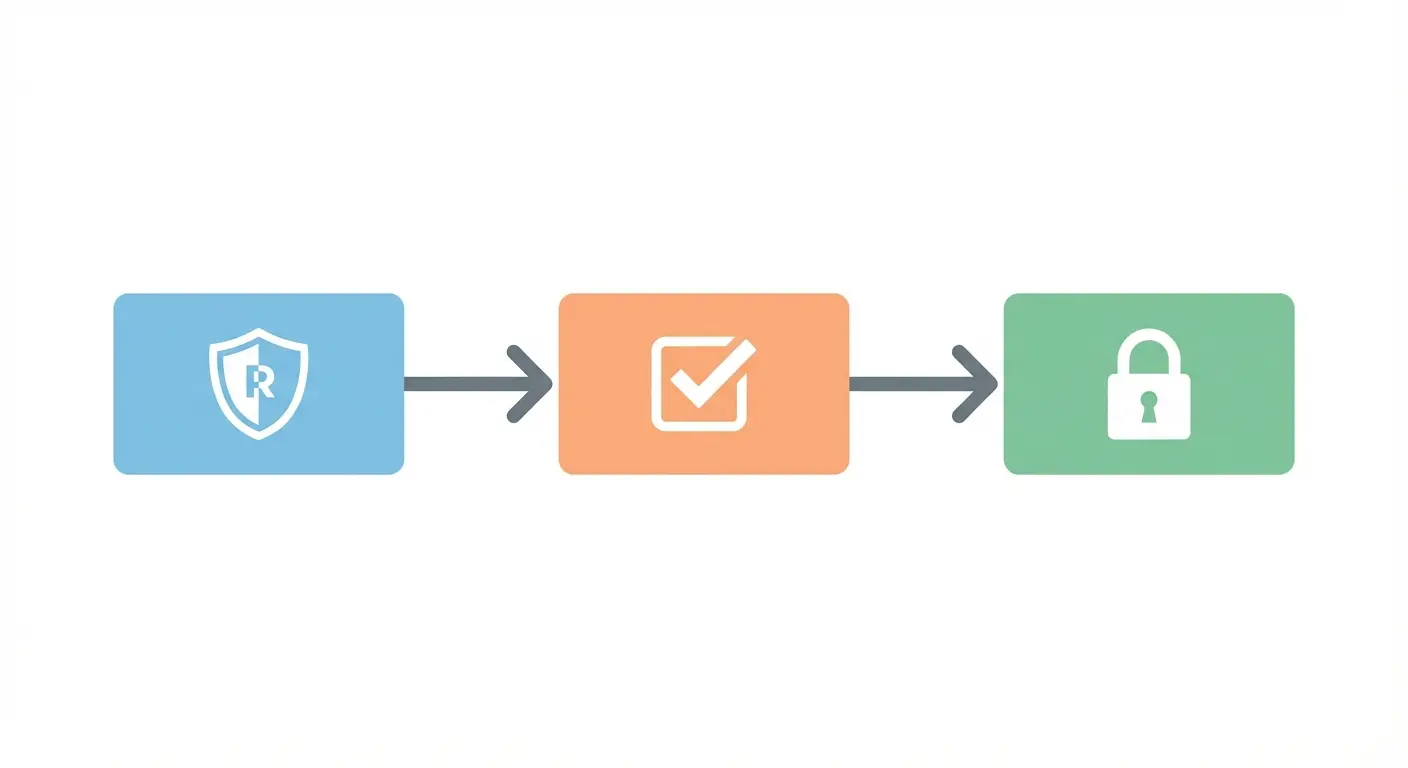
The practical workflow most operators follow:
Get your trademark situation clean (ownership, class, jurisdiction).
Ensure your packaging/product shows the brand consistently.
Submit the amazon brand registry application and be ready to verify.
After approval, immediately set up the protection routines (more on this below).

How long does Amazon Brand Registry take? The answer sellers hate.
You’ll see two common search phrasings:
how long does amazon brand registry take
how long does brand registry take amazon
In real life, it’s variable.
If your trademark is already registered and your brand assets match cleanly, you can sometimes move quickly. If anything is inconsistent (mark ownership, brand presentation, marketplace mismatch), it can drag because every back-and-forth adds latency.
Operator heuristic: if you can’t explain your ownership chain in two sentences, Amazon won’t either.
Amazon Brand Registry cost: what it is (and what it isn’t)
Sellers ask about amazon brand registry cost because they’re bracing for another Amazon “program fee.”
Brand Registry itself typically isn’t priced like ads or FBA services; the real cost is upstream:
Trademark filing/maintenance costs (varies by country, class, and whether you use an attorney)
The opportunity cost of waiting for approval while your catalog remains exposed
Internal time spent cleaning brand usage across SKUs
If you’re paying someone, you’re usually paying for help with the trademark or the setup—not a special “registry subscription.”
Brand services Amazon: the features sellers actually use
You’ll hear this lumped under brand services amazon or amazon brand registry services. Ignore the marketing phrasing and focus on outcomes:
Faster routes to fix listing contribution problems (still not instant, still not perfect)
Tools to report infringement more credibly when you’re the verified brand owner
Brand-building modules/features that are hard to access without registration
Use them like an operator: not because they exist, but because they shorten your time-to-resolution.
Amazon brand registry search: the underrated muscle
One of the most practical tools is the ability to search for potential infringements using text and image-based methods—what sellers usually mean byamazon brand registry search.
Real-world use case: you’re not hunting “counterfeits.” You’re huntingconfusing similarity.
Same product photos with slightly different crops
Your brand name stuffed into titles/bullets by a competitor
Copycat packaging that causes customer confusion and review bleed
That’s where you can often act faster as the registered brand owner.
The uncomfortable question: is trademark required to sell on Amazon?
The exact query isis trademark required to sell on amazon.
Generally, no—you can sell without a trademark.
But if you’re building a real brand (not just flipping a generic listing), a trademark is what turns “that’s my brand” into “I can prove it.” And Brand Registry typically expects that proof.
Here’s the tradeoff experienced sellers understand:
No trademark: faster launch, less legal overhead, weaker control when things get messy.
Trademark + registry: more setup friction, more leverage when the marketplace starts acting like a knife fight.
“Bad advice” you’ll hear in seller groups (and the correction)
Bad advice:“Just get Brand Registry and Amazon will gate your brand.”
Correction:Brand Registry can help you protect IP and stabilize listing content. Gating is a separate enforcement layer and may require additional factors (brand risk, repeated abuse, category rules, documentation). Treat gating as a possible outcome, not a deliverable.

If you’re trying to get to brand gating, here’s the operator playbook
Not a checklist. A mindset.
1)Reduce ambiguity.Make your brand presentation painfully consistent across product, packaging, and listings.
2)Document like you’ll need it later.If Amazon asks for proof (authenticity, supply chain, authorization), scrambling is where sellers lose weeks.
3)Assume enforcement is reactive.Build monitoring habits: listings, variations, imagery, and offer behavior.
4)Use Brand Registry tools aggressively—but surgically.Bad reports waste your credibility. Good reports build a pattern.
If you do those things, you’re not “getting gated.”
You’re making it easier for Amazon to justify restrictions when the brand is repeatedly attacked.
FAQ
Q: What are “amazon brand registry requirements” vs “brand registry amazon requirements”?
A: Usually the same intent—sellers looking for eligibility and what docs/assets must match. The nuance is marketplace-specific requirements can differ.
Q: Does amazon brand registry automatically mean brand gating?
A: No amazon brand registry is a prerequisite for many brand protection tools, but gating is separate and not guaranteed.