Amazon Haul Meaning: How Sellers Can Participate

Olivia Reyes

Amazon Haul: What It Is, Why It Matters, and How Sellers Can Participate Without Chasing Noise
If you’re seeing random ASIN spikes you can’t tie back to ads, rankings, or a promo—then noticing your product in someone’s haul video days later—you’re dealing with demand that didn’t start on the search results page.
The meaning of “Amazon Haul” and why sellers should care
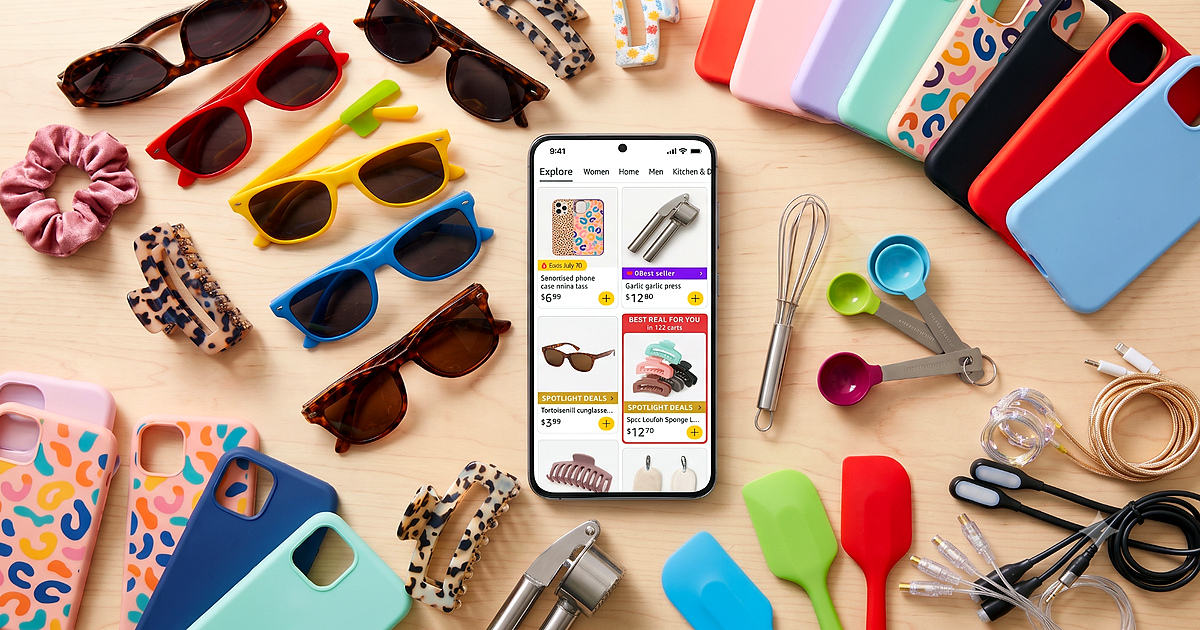
An amazon haul is usually a piece of content—video, post, short-form clip, or livestream—where a shopper (often a creator) shows a batch of items they bought on Amazon and gives quick reactions: “worth it / not worth it,” first impressions, styling, mini demos, and price callouts. That everyday usage answers what is amazon haul for most sellers watching traffic arrive from outside the keyword funnel, and it’s the practical core of amazon haul meaning in creator culture.
There’s also a second, easy-to-confuse usage: Amazon sometimes tests or labels themed shopping experiences and deal-style merchandising concepts, and in some discussions “Haul” gets used as shorthand for an on-Amazon destination or initiative. Those details can be marketplace- and time-specific, and they can change without much public documentation, so treat “Haul” as a label that may or may not exist in your region rather than a universal program you can reliably plan around.
For sellers, both versions matter for the same reason: they can create demand that bypasses your normal keyword path. The demand still lands on your listing, but it arrives pre-framed by social proof and value anchoring rather than by your title keywords.
What haul content changes in your listing economics

Haul content shifts where the conversion work happens:
In search-based buying, your listing does most of the persuasion (images, bullets, reviews, price).
In haul-based buying, the content does much of the persuasion, and your listing mainly needs to (1) match what was shown, (2) look trustworthy fast, and (3) be in stock.
That creates a different set of levers:
Packaging and first-use experience become conversion inputs because creators show them.
Variant clarity matters more because viewers click fast and choose fast.
Returns risk can rise if the content overpromises or if buyers purchase impulsively.
If you can’t explain your product’s “why this is a smart buy” in a 10-second clip, haul traffic tends to fall back on price, star rating, and review count—sometimes in ways you can’t control.
How haul-driven demand typically forms (Expectation vs. Reality)
Expectation: “If I get featured, Amazon will automatically boost my ranking.”
Reality: Any lift is usually indirect and depends on whether the incoming traffic converts and remains healthy. You may see:
A short-term conversion rate jump (which can support organic placement),
A burst of external traffic (useful only if it matches buying intent),
A change in review velocity (which can be neutral, positive, or negative),
Spillover browsing across variants and brand pages.
Amazon doesn’t provide a guaranteed or lasting placement because a creator mentioned you. The system responds to shopper behavior: conversion, cancellations/returns, and availability.
The usual sequence (what’s happening under the hood)
A creator or shopper discovers a product (often via deals pages, social trends, Amazon Live, storefront browsing, or niche communities).
They package items into a haul (theme-based: “kitchen upgrades,” “dorm finds,” “Amazon gadgets,” “organization”).
Viewers click to Amazon (sometimes through affiliate links, storefronts, or by searching the product name).
Your listing gets judged in seconds:
Does it match the video exactly (color/size/version)?
Does the price still look like the value they were promised?
Do reviews, images, and variation selection align with the claim?
If it converts and stays stable, you can see organic lift—but it’s fragile if stock, price, or listing quality slips.
Practical ways to participate without guessing
“Participating” depends on which meaning you’re dealing with.
1) Participating in the haul ecosystem (creator-driven)
This is the realistic path for most brands.

Make your ASIN haulable:
Clean variation naming (avoid lookalike variants with subtle differences).
Show what creators show: scale, texture, before/after, setup or assembly time.
Add images that reduce demo burden (what’s included, dimensions/size charts, comparisons).
Keep claims tight; overstatements get repeated and can turn into returns, complaints, or compliance attention.
Use Amazon-native creator channels where they fit your category and region:
Amazon Influencer Program (creators build storefronts and recommend products)
Amazon Live (live demos and Q&A; performance varies heavily by category)
Creator connections or affiliate-style partnerships where available (availability and tools vary by marketplace and eligibility)
You may not have a “seller signup” button for every creator tool, but you can make your listings and assets easy for creators to feature accurately.
Seed the right way (policy-safe):
Amazon is strict about review manipulation. If you provide products to creators, keep the ask focused on content—not an Amazon review—and avoid any arrangement that conditions compensation, freebies, or future benefits on review outcomes. Creators should also use required disclosures on their platforms (for example, affiliate relationship disclosures) in accordance with applicable laws and platform rules. When in doubt, separate “content collaboration” from “review acquisition” completely.
2) Participating in an Amazon-run “Haul” destination (platform-driven)
If you mean a specific Amazon-run “Haul” section or experience, participation is typically not a universal, self-serve enrollment. Selection—when it exists—tends to be driven by a mix of:
Category fit (often price-sensitive, trend-driven categories),
Fulfillment and returns performance expectations,
Compliance and product safety documentation,
Account health and operational reliability.
If your marketplace is piloting something called “Haul,” rely on Seller Central communications and official eligibility prompts rather than social rumors. If you have an Amazon account manager, they can confirm whether an initiative is active and whether your account is eligible.
Three short seller cases that show what actually works

Case 1: The “good enough” gadget that wins on clarity
A $19.99 kitchen tool gets featured in an “Amazon gadgets” haul clip. The seller’s edge isn’t the tool—it’s the listing: one image shows exactly what comes in the box, one shows dimensions next to a common household object, and the title mirrors the plain-language way creators describe it. The spike converts cleanly, and organic placement improves for a period after the video’s peak.
Lesson: Haul traffic is impatient. Clarity beats clever copy.
Case 2: A premium product gets featured—and returns climb
A higher-priced personal care item appears in a haul framed around “cheap upgrades.” The creator positions it as a budget alternative, but it isn’t. Conversion happens anyway because of hype, then returns and “not as expected” feedback rise because the framing was wrong.
Lesson: Not all exposure is good exposure. Misframed value can create expensive churn.
Case 3: Variation confusion burns the spike
A fashion accessory goes semi-viral. Viewers click through, but the variant shown in the video is out of stock; shoppers land on a different variant with different photos. Conversion drops, and the seller blames the creator.
Lesson: Stock depth on the featured child ASIN can matter more than total parent inventory.
Misreads that waste time (and sometimes create policy risk)
“I need to go viral.”
You don’t. You need repeatable creator fit: products that are easy to demonstrate, priced in a way your audience will accept, and reliably fulfilled.
“If I gift products, I’ll get reviews.”
That assumption creates risk. Do not request, incentivize, or imply that a product gift is tied to an Amazon review. If you use any Amazon-approved sampling or review-related programs available in your marketplace, follow their terms and keep compensation separate from review outcomes.
“External traffic is always good for rank.”
Not if it bounces or converts poorly. Low-intent traffic can leave you with worse conversion rate, more returns, or noisy signals—none of which help long-term performance.
“Coupons fix everything.”
A coupon can help haul conversion if the value proposition is already clear and inventory is stable. If the listing is confusing or mismatched to the content, a coupon just accelerates disappointment.
Where haul-driven selling breaks down (and what to monitor)

Inventory whiplash: Haul spikes are lumpy. If you’re FBA without buffer stock, you can convert the first wave and then go out of stock while demand is still peaking.
Price anchoring and consistency: Creators anchor viewers on the price they saw that day. If your price fluctuates or promotions end abruptly, conversion can fall even when traffic remains high.
Compliance and claims risk: Haul content amplifies your wording. If your listing implies regulated outcomes (supplements, topical claims, safety claims), creators repeating it can increase scrutiny and customer complaints.
Returns and damage rates: Haul buyers can be more impulsive, especially in apparel, home décor, and gadget categories. Watch return reasons and make sure images, sizing, and “what’s included” content set accurate expectations.
Attribution blind spots: Even with Amazon Attribution or affiliate reporting where applicable, you won’t always be able to connect a sales bump to one piece of content. Timing, traffic source shifts, conversion rate, and variant mix are often more actionable than trying to “prove” one post caused every order.
What to do next (decisions that compound)
Treat amazon haul as a demand channel that rewards clarity, availability, and demo-friendly products more than clever ads.
Decide which amazon haul meaning applies to your situation: creator content versus a marketplace-specific Amazon merchandising initiative.
Make the featured variant hard to misunderstand: images, naming, included items, and sizing.
Plan for spikes: protect the child ASIN inventory likely to be featured, not just the parent listing.
Use creator partnerships carefully: prioritize compliant content, not implied review trades.
Measure outcomes that matter: conversion rate, return reasons, variant mix changes, and stockout timing—not just sessions.
If you can’t pass the 10-second demo test, fix the offer or the presentation before chasing more exposure.