Amazon Backorders: Charges, Timing, Risks

Sarah Johnson
Amazon Backorders: What Sellers Need to Know Before Letting Customers Buy Out-of-Stock Inventory
If you run out of stock, is it better to stop sales completely, or let customers place orders anyway and ship later?
That’s the practical question behind amazon backorders. Most experienced sellers face this decision at some point, especially with volatile demand, long supplier lead times, or seasonal spikes. The concept sounds simple: sell now, fulfill later. In reality, the implications touch cash flow, Buy Box competitiveness, and customer experience metrics.
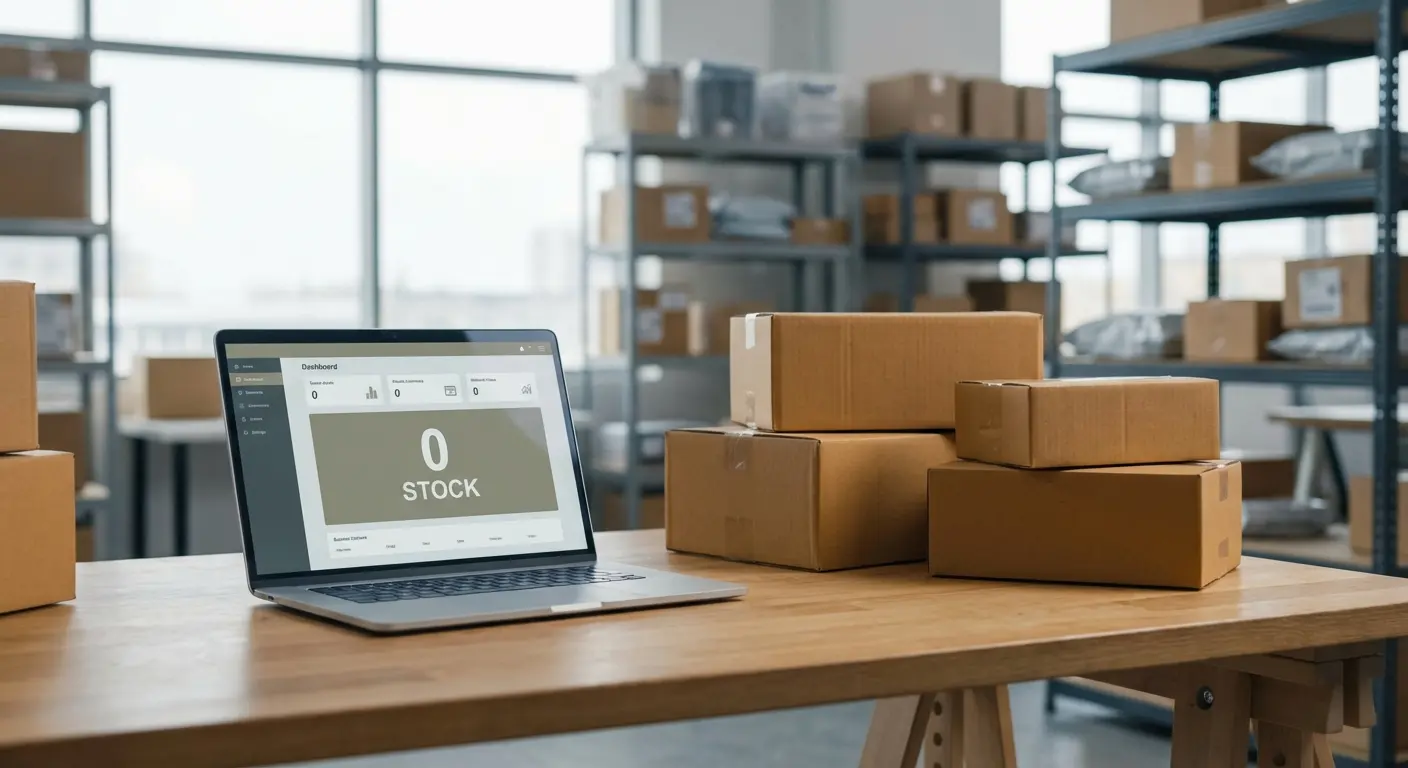
This article breaks down how backorder-like situations work on Amazon, does amazon charge for backorders, and when does amazon charge for backorders, plus the operational tradeoffs sellers should weigh before accepting orders without on-hand inventory.
What “Backorder” Means on Amazon (And What It Doesn’t)
At its core, a backorder is an order placed for an item that is not currently available for immediate shipment.
In traditional retail, that often means the seller accepts payment now and ships later. On Amazon, the mechanics depend heavily on your fulfillment model, and Amazon’s checkout and delivery promises are designed to reflect your stated availability and ship-by performance.
Here’s the practical scope:
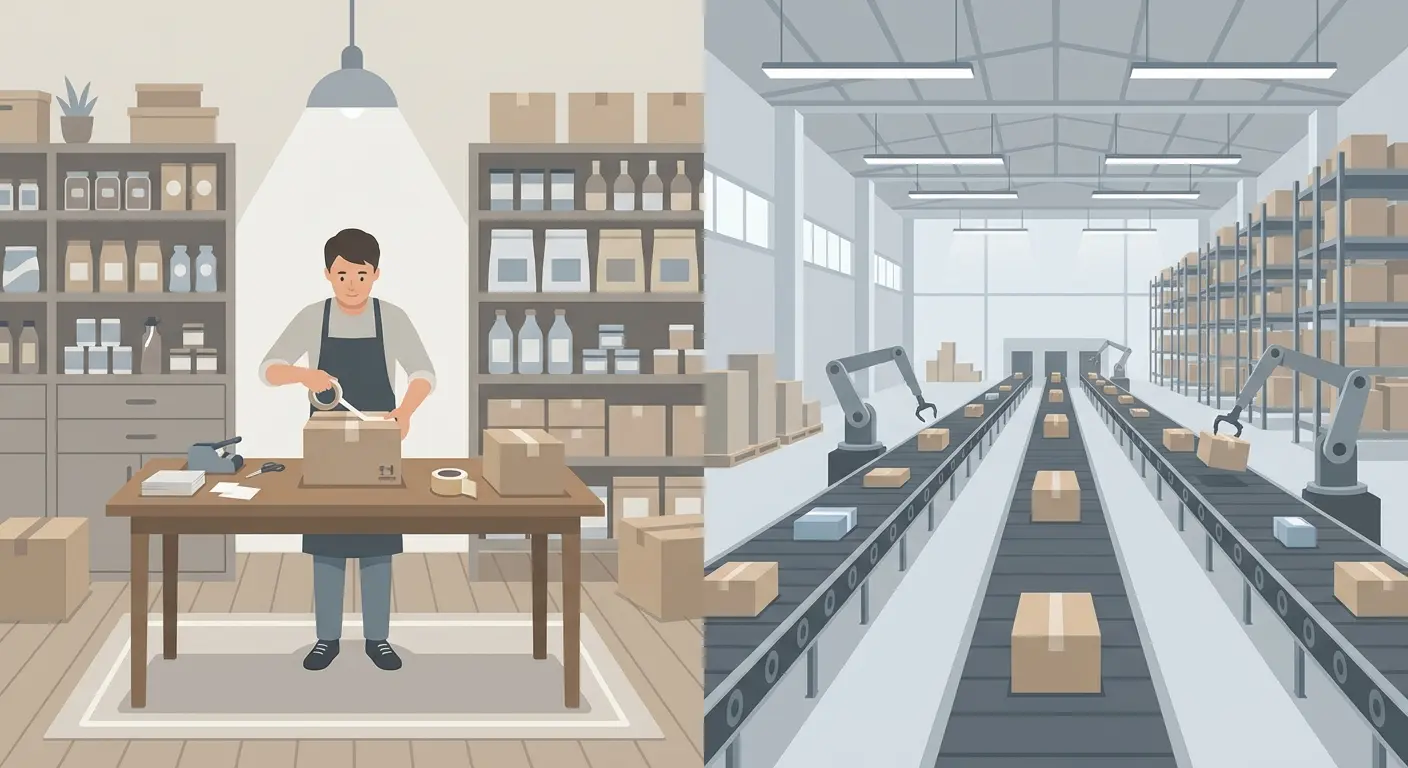
FBM (Fulfilled by Merchant):You control your inventory quantity and your handling time. If you accept orders while inventory is inbound or delayed, you are effectively operating a backorder model.
FBA (Fulfilled by Amazon):You generally cannot keep selling an FBA offer when sellable inventory is at zero. When FBA stock hits zero, the offer typically becomes unavailable. In some situations, shoppers may still see availability or longer delivery dates tied to Amazon’s network signals (for example, units being transferred, being processed, or expected from inbound), but sellers usually cannot toggle this behavior in a predictable way.
A key distinction: A backorder is not the same as a pre-order. A pre-order is typically tied to a future release date. A backorder is reactive and occurs when demand exceeds supply or supply is delayed.
For experienced sellers, the real issue is not terminology. It is whether accepting orders without on-hand inventory is worth the operational and performance risk.
How Backorder-Like Orders Function in Practice
The mechanics depend on three variables:
Listing availability
Handling time and delivery promise
Payment authorization and capture
Listing Availability
For FBM sellers, you control the quantity field. If you set quantity above zero, Amazon treats the item as available. If you know a supplier shipment is arriving in seven days, you might keep the listing active and extend handling time accordingly.
That is a functional backorder.
For FBA sellers, once sellable inventory hits zero, the offer usually shows as unavailable. Sometimes Amazon may display an extended delivery estimate based on its own data (including inbound processing or transfers), but this can change and should not be treated as a controllable backorder strategy.
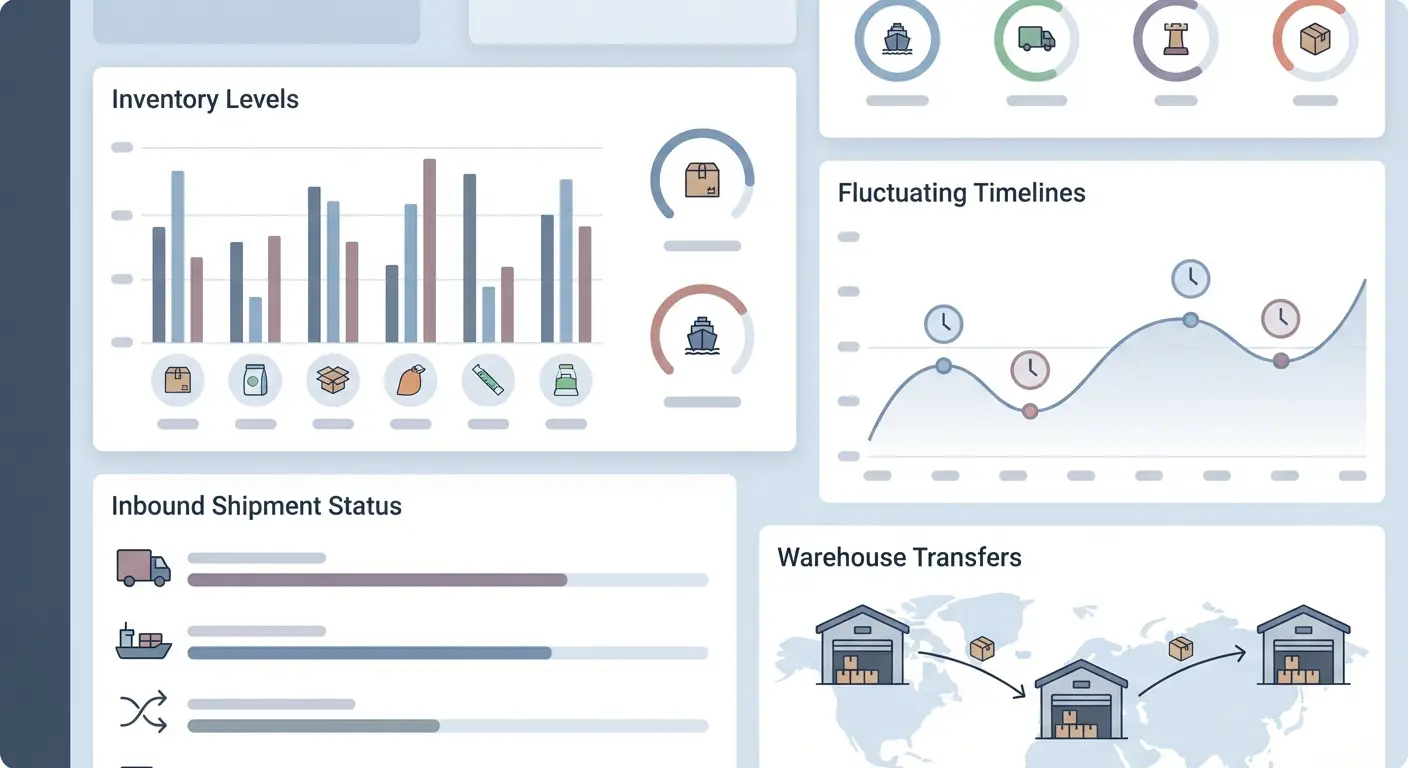
If you are relying on inbound FBA shipments to cover demand, plan for variability. Receiving and transfer times fluctuate, especially during peak periods, and inbound timelines shown in Seller Central are estimates.
Handling Time and Delivery Promise
Amazon calculates the delivery promise based on:
Handling time (for FBM)
Transit time and shipping template settings (for FBM)
Fulfillment network promises (for FBA)
If you increase FBM handling time to 7 to 14 days, customers can still order, and they should see a later delivery estimate. This is only sustainable if you ship within your stated handling window.
If you promise 10 days and inventory arrives in 18, you can face:
Late shipment rate impact
Higher cancellations
More buyer contacts and complaints
A-to-z Guarantee claims if you fail to deliver as promised (where applicable)
Backorder-like selling magnifies small forecasting errors.
Payment Authorization and Capture
Many sellers ask the same two questions: does amazon charge for backorders, and when does amazon charge for backorders?
In general, Amazon authorizes the customer’s payment method around checkout and captures payment closer to when the item ships (or, for some digital or service scenarios, when delivery occurs). Exact timing can vary by payment method, order type, and marketplace, and authorization holds can expire.
Practically, that means:
The customer may see a pending authorization.
If shipment is delayed, the authorization may fail or require re-authorization.
If the payment method is declined when Amazon attempts capture, the order can be canceled or delayed.
From a seller standpoint, you should not treat unshipped orders as reliable cash flow.
The Financial Reality: Customer Charges and Seller Fees
The phrase does amazon charge for backorders usually points to two concerns:
Does Amazon charge customers immediately?
Does Amazon charge sellers extra fees?
For Customers
Amazon typically charges customers when the order ships, not at the moment the order is placed. Payment authorizations may appear earlier, and long delays can increase the risk of payment failure or cancellation.
For Sellers
Amazon does not publish a special “backorder fee” for simply having longer lead times. However, backorders can indirectly increase costs and risk through:
Extra customer service workload
Higher cancellation and refund volume
Expedited replenishment or inbound freight to recover availability
Performance and Buy Box competitiveness impacts from slower delivery promises or missed ship-by dates
So even if the direct answer to does amazon charge for backorders is “not as a distinct fee line item,” the operational cost can still be real.
Three Real-World Scenarios Sellers Face
Case 1: Supplier Delay on a Strong SKU (FBM)
You sell a kitchen accessory with steady velocity. Your supplier shipment is delayed by 10 days. Instead of going out of stock, you:
Increase handling time to 14 days.
Leave the listing active.
Continue accepting orders.
Some customers will accept the longer delivery window. Others will cancel after a few days. Your conversion rate may drop because faster-shipping offers usually win more clicks and Buy Box share.
Lesson: Backorders can protect partial demand, not all demand.
Case 2: FBA Inbound Shipment Not Yet Checked In
You send 1,000 units to FBA and inventory shows inbound. Your available stock hits zero before check-in completes.
Shoppers may see the offer as unavailable, or they may see extended delivery estimates depending on Amazon’s internal availability signals. Either way, your sales velocity can soften during the gap, which can affect ranking and momentum.
Lesson: FBA can reduce fulfillment friction, but inbound timing still creates availability risk.
Case 3: High-Demand Seasonal Spike
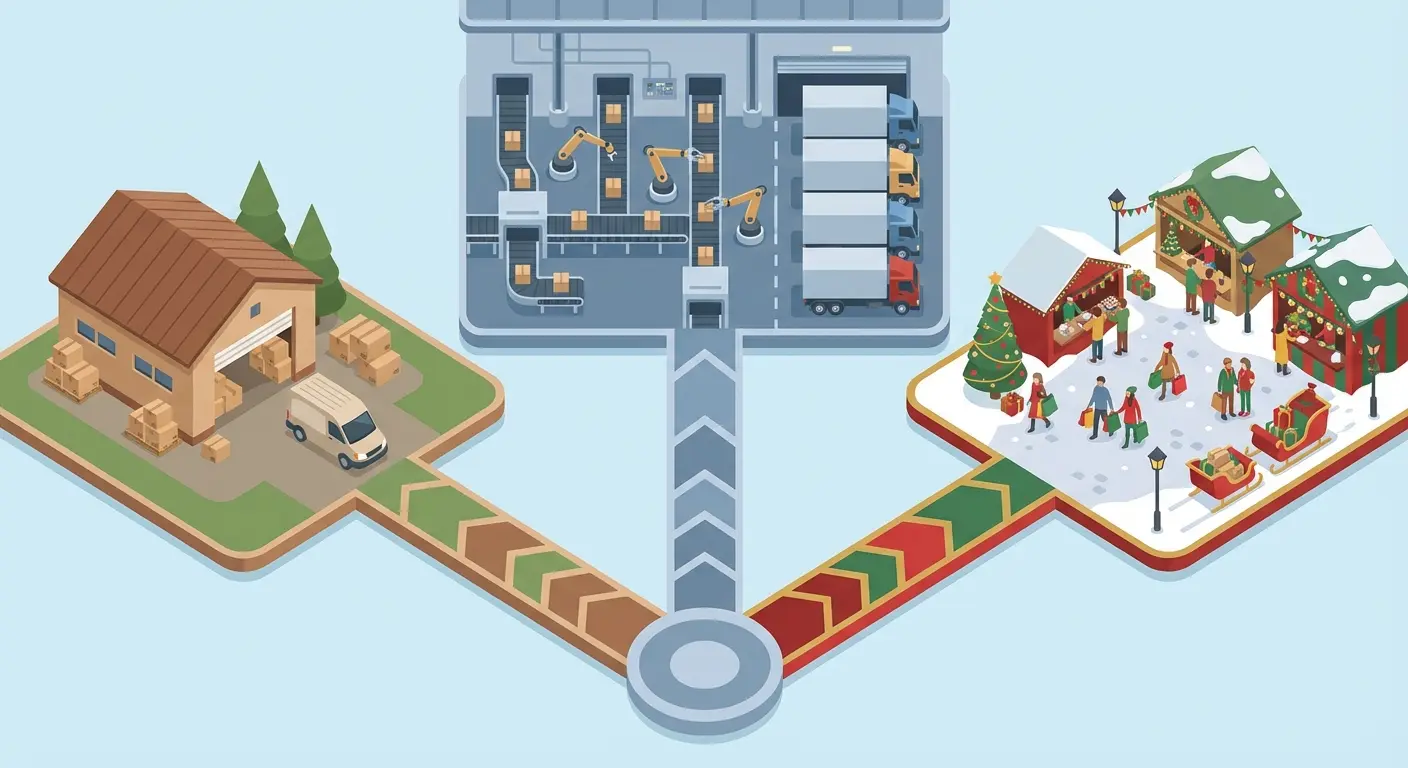
You underestimate demand during Q4. Inventory sells out in three days. You can restock in 12 days.
You choose between:
Going out of stock and losing short-term sales.
Extending handling time and accepting backorder-like orders (FBM).
If lead time is reliable and customers still receive items within the stated promise, this can preserve momentum. If logistics are unstable, you can compound damage during your highest-traffic period.
A practical rule: if you cannot confidently ship within the stated handling window plus a realistic buffer, do not accept orders that depend on uncertain replenishment.
Common Misunderstandings
“Backorders Are Always Better Than Stockouts”
Not necessarily. Amazon rewards availability and fast delivery promises. If your handling time makes delivery estimates uncompetitive, you may lose visibility and conversion anyway. Sometimes a clean stockout with a fast, dependable restock is less damaging than weeks of slow delivery promises and cancellations.
“Amazon Will Protect Me If I Set Long Handling Times”
Longer handling times are allowed in many cases, but you are still accountable for shipping within the handling time you publish. Missing your own ship-by commitments can affect performance metrics.
“FBA Eliminates Backorder Risk”
FBA reduces some fulfillment risks, but it does not eliminate inbound delays, receiving bottlenecks, transfer delays, or restock constraints. You can still experience backorder-like disruption if planning buffers are too thin.
“If Customers See the Delivery Date, They Won’t Complain”
Clarity helps, but long waits still increase cancellation probability. A visible delivery estimate is not the same as buyer patience.
Where Backorders Break Down
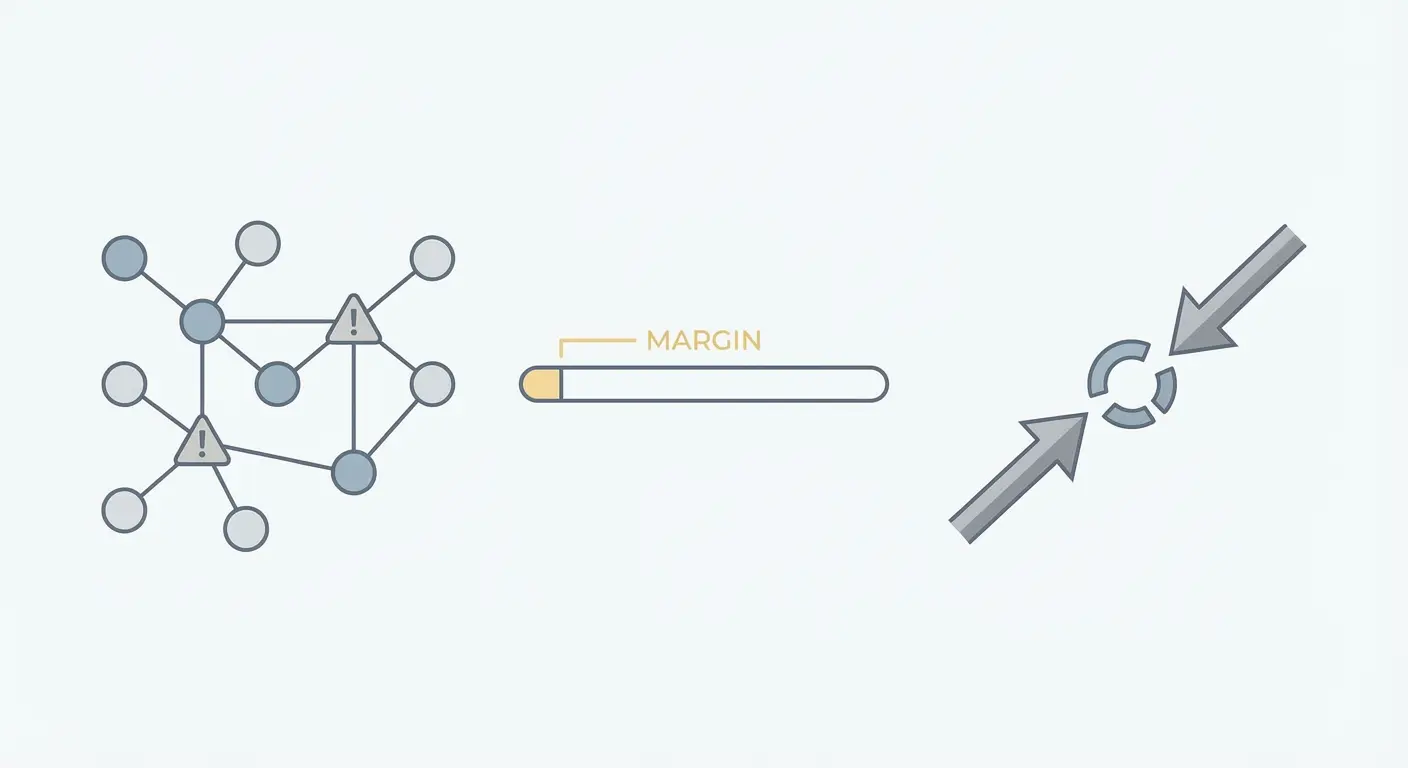
Backorders become dangerous in these situations:
Unstable supply chains:Wide lead time variance compounds risk.
Thin margins:Expedited replenishment to meet promises can erase profit.
High-competition categories:Buyers often switch to substitutes if delivery is slower.
Metric-sensitive accounts:If your account is already close to performance thresholds, added variability raises the odds of negative outcomes.
Backorders require operational discipline. They are not a substitute for inventory planning.
The Strategic Use of Backorders
There are scenarios where amazon backorders can be a rational choice, especially for FBM sellers:
Differentiated products with low substitution
Buyer expectations that already allow longer production times
Predictable supplier lead times
Conservative handling times that you can consistently meet
Selective use on secondary variants while protecting core SKUs with safety stock
The principle is simple: backorder only when uncertainty is low and customer tolerance is high.
Key Points to Remember
Amazon backorders describe a practical situation where customers place orders for items not immediately available for shipment, most commonly managed through FBM inventory and handling time settings.
For FBA, sellers generally cannot sell through a true zero-available state, and any backorder-like behavior is usually driven by Amazon’s network signals rather than a seller-controlled switch.
For does amazon charge for backorders, customers are typically charged when an item ships, although authorizations may occur earlier and timing can vary by payment method and order type.
For when does amazon charge for backorders, plan around charge-at-ship behavior and assume long delays increase cancellation and payment-failure risk.
Amazon does not add a special backorder fee, but indirect costs and performance impacts can be significant.
For experienced sellers, the real question is not whether backorders are allowed. It is whether your supply chain reliability justifies the risk. Backorders are a tool. Used carefully, they can preserve some revenue continuity. Used casually, they can amplify every weakness in your inventory system.