Amazon Returnless Refund Explained for Sellers

Olivia Reyes
What Is an Amazon Returnless Refund? A Practical Guide for FBA and FBM Sellers
Are you refunding items that never come back, and wondering whether that is a leak in your system or an intentional Amazon feature?
If you have seen orders marked as refunded without a corresponding return shipment, you may be looking at a returnless outcome. For experienced sellers, the real question is not what is an amazon returnless refund, but when it makes economic and operational sense to allow one.
This guide breaks down what is a returnless refund on amazon, how it can show up for FBA and FBM, and where it affects margin, return signals, and operational visibility.

What an Amazon Returnless Refund Actually Means
At its core, what is returnless refund on amazon comes down to a simple concept:
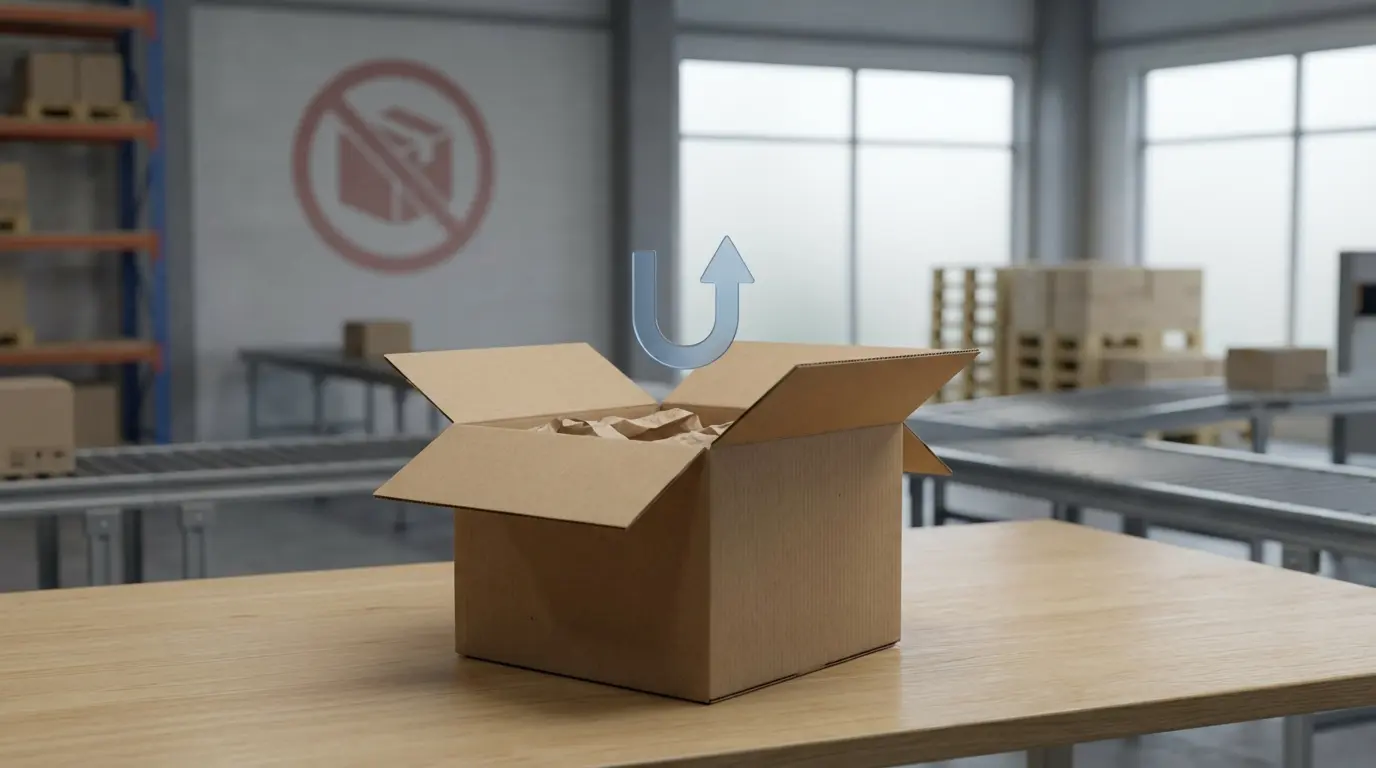
An Amazon returnless refund is a refund issued to a buyer without requiring the item to be physically returned.
The customer keeps the product. The seller funds the refund. The transaction closes without reverse logistics.
Depending on the order and settings, returnless outcomes can happen in a few common ways:
Through Amazon-managed return settings and automated decisioning, when available for the offer or fulfillment type
Through a seller decision, typically when the seller chooses to refund without requiring the item back
The intent is operational efficiency. For some SKUs, the total cost of return shipping, processing, inspection, and restocking can exceed the product’s recoverable value.
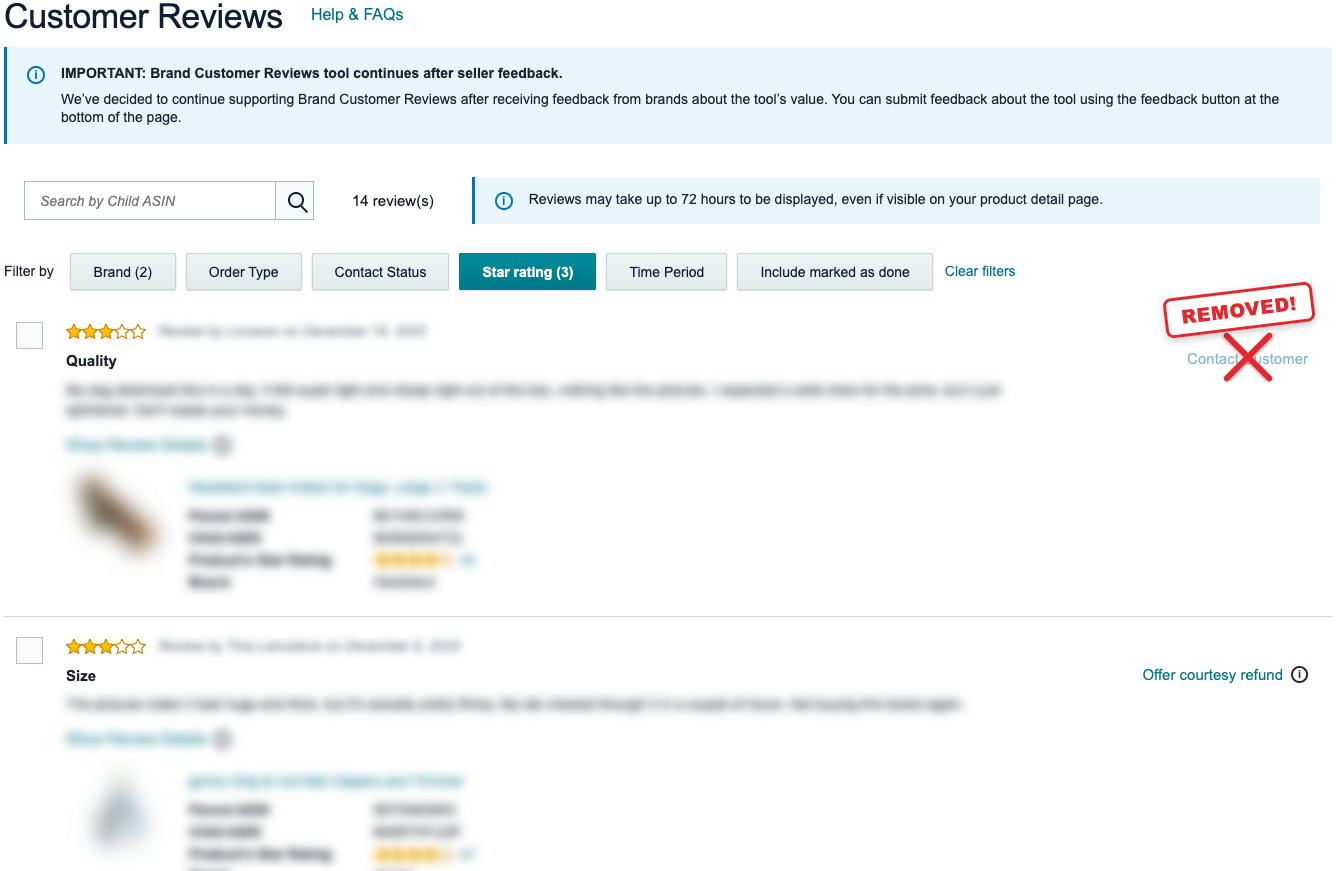
One nuance sellers often miss: a returnless resolution does not mean the issue is “invisible.” It can still surface in return-related reporting and customer experience signals, even when no unit is sent back.
If you are trying to pin down what is returnless refund amazon in reporting terms, treat it as a refund that resolves a return request without inbound movement, not as a separate financial category with no downstream effects.
Why Amazon Allows Returnless Refunds
To understand what is an amazon returnless refund in practical terms, you need to understand the incentive structure that drives return policy design.
Amazon generally optimizes for:
Customer convenience
Fast resolution time
Lower reverse logistics friction
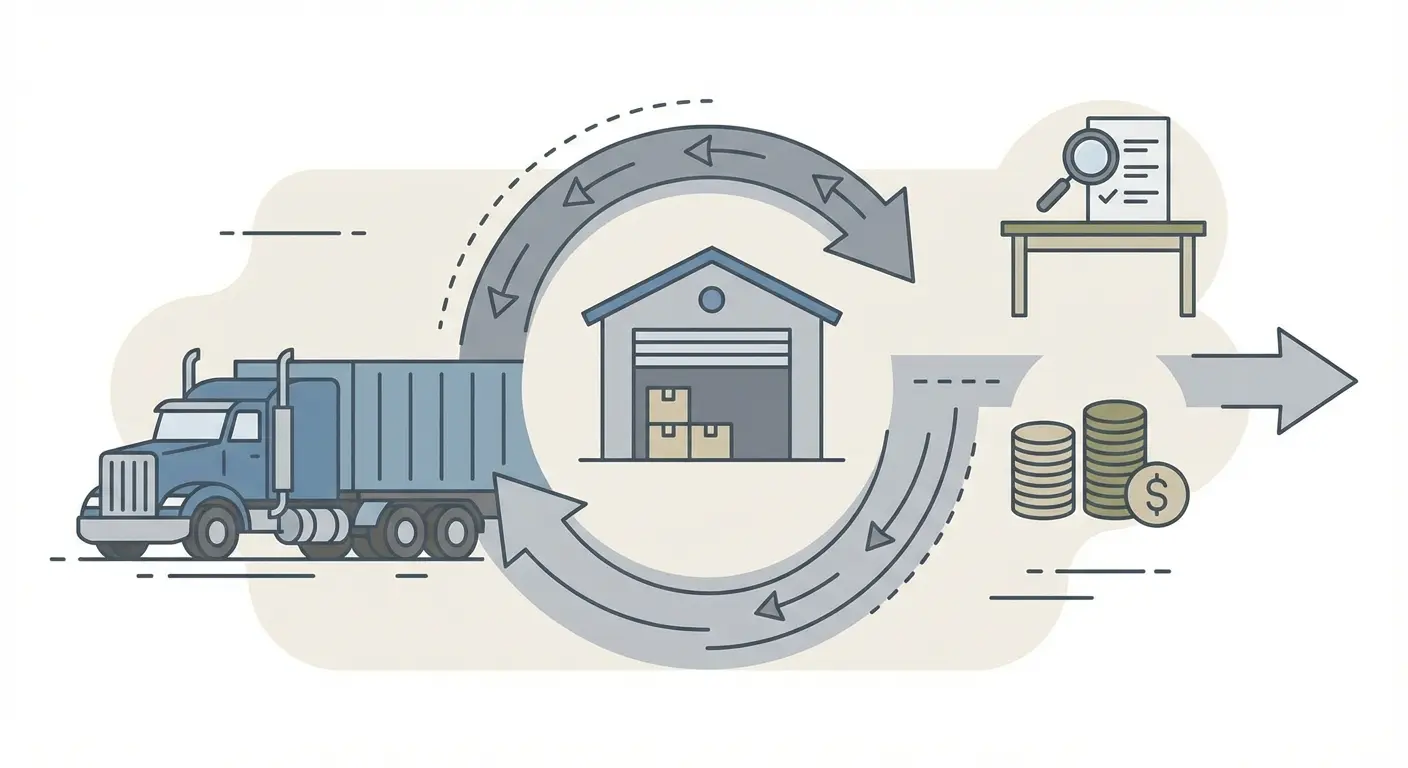
Reverse logistics can be expensive. It can involve shipping, handling, inspection labor, repackaging, relabeling, storage, and disposal or liquidation. For some items, forcing a return can be economically irrational.
Examples where returnless outcomes are more likely:
Low-priced items where return shipping is disproportionate
Consumables or items that cannot be resold once opened
Heavy or oversized items where return freight is costly
Items damaged in transit or packaging failures
Certain personal care or hygiene items, depending on condition and category rules
From Amazon’s perspective, a faster resolution can improve the buyer experience and reduce system cost. From a seller’s perspective, the tradeoff depends on unit economics and abuse risk.
How Returnless Refunds Work in Practice (FBA vs FBM)
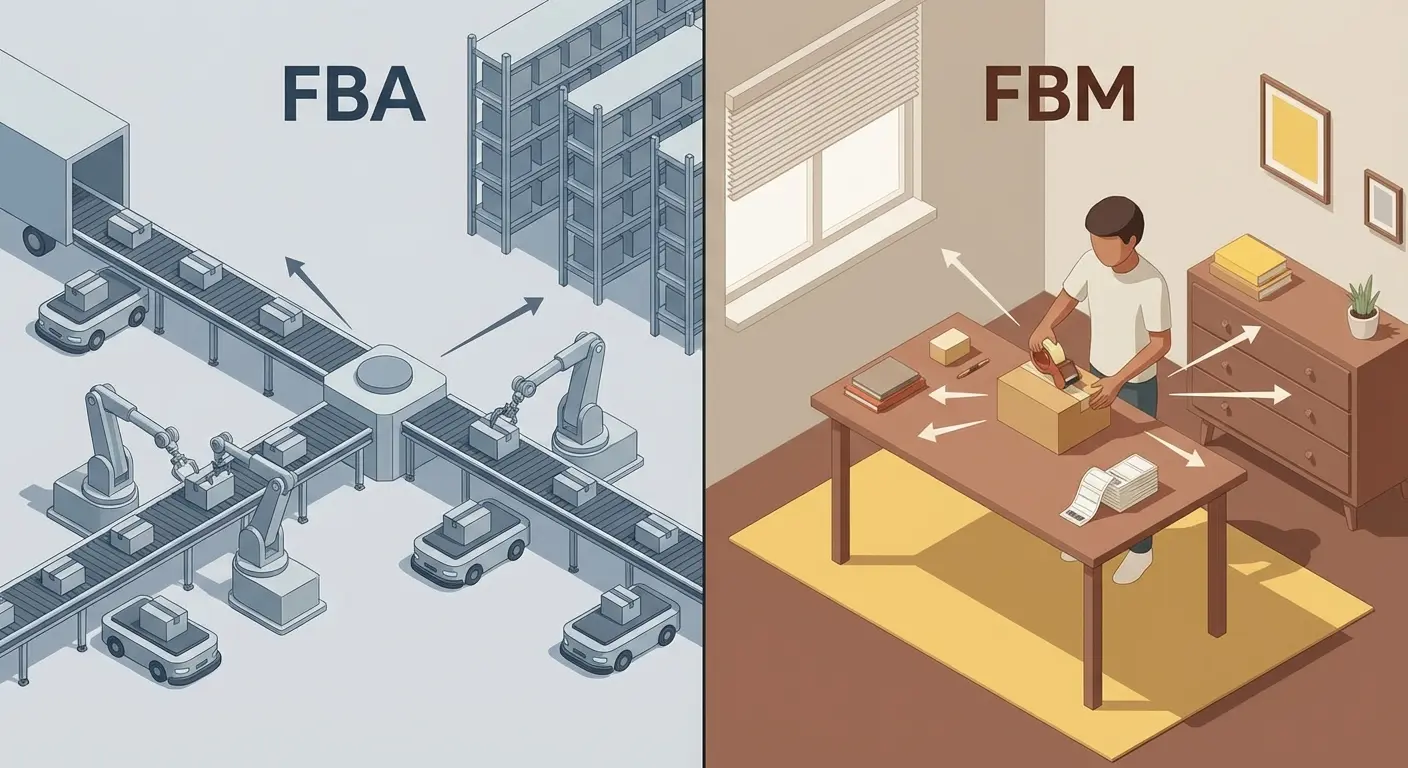
When sellers ask what is amazon returnless refund, they often mean: who controls it, and when does it trigger?
The answer depends on fulfillment method and on which return settings and programs are applicable to your account, marketplace, and category.
For FBA Sellers
For FBA, Amazon controls much of the returns experience, and some sellers use returnless settings where available. In Seller Central, Amazon has offered returnless options such as Returnless Resolutions for eligible products and offers.
If enabled for an eligible SKU and situation, the typical flow looks like this:
A customer initiates a return or refund request.
Amazon determines whether a return is required, based on internal criteria and your settings where applicable.
If a return is not required, Amazon issues the refund and the customer keeps the product.
The refund is charged back to the seller in the same way a normal customer refund is, subject to the applicable fee and reimbursement rules for the specific scenario.
Important nuance:
You should not assume every “no return required” outcome is caused by your settings alone. Some cases are driven by Amazon policy, item condition rules, or customer-service decisions.
Return-related signals can still accumulate at the ASIN level even when units are not returned.
Operational takeaway: audit your return settings periodically and validate outcomes in reports. Otherwise, you may be accepting refund behavior on SKUs you would rather require returns for.
For FBM Sellers
FBM sellers retain more direct control over whether a return is required, within Amazon’s return policy framework and category rules.
A common FBM flow:
A return request is submitted.
You approve a return with a label and instructions, or you decide to refund without requiring the unit back.
This creates flexibility, but it can also create inconsistency across support staff. If you operate FBM at scale, define internal thresholds and decision criteria so the policy does not drift.
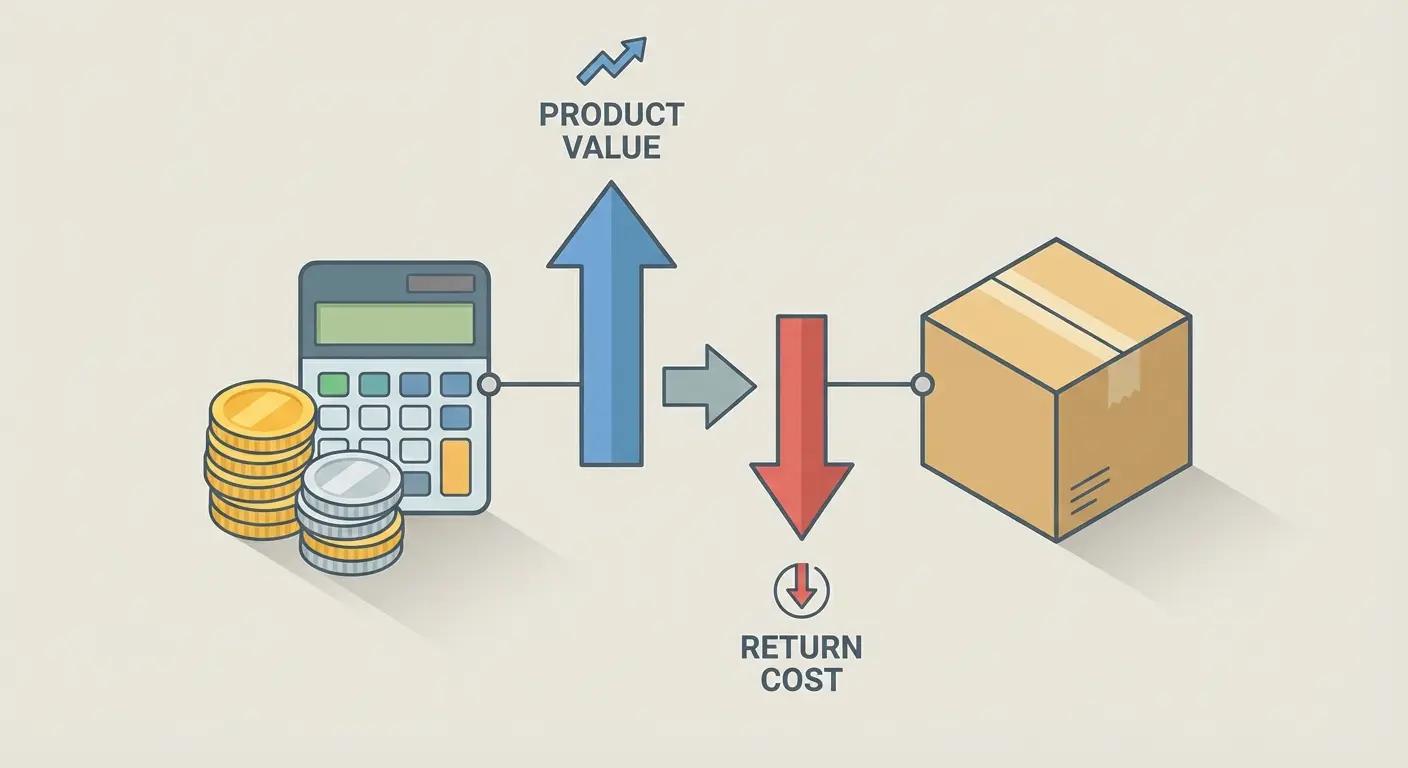
When a Returnless Refund Makes Financial Sense
The key question is not whether returnless is “good” or “bad.” The question is whether it is cheaper than processing the return.
A practical lens:
Return cost versus recoverable unit value.
If the combined cost of return shipping, handling, inspection, repackaging, restocking, and any disposition risk is likely to exceed what you can recover by receiving the unit back, refunding without return can be rational.
Example math (illustrative):
Selling price: $18
Landed cost: $5
Referral and fulfillment related fees: $6
Contribution margin before returns: $7
If the all-in return processing cost is likely to be $9, a returnless approach can reduce total loss compared to bringing the unit back.
For higher-priced SKUs with strong resale value, the balance often flips. You may prefer to require the return so you can inspect, resell, refurbish, or pursue claim workflows when applicable.
Three Real-World Scenarios Sellers Encounter
Case 1: Low-Cost Private Label Item
A seller offers a $12 kitchen accessory. A buyer reports damage on arrival.
If the return label cost and processing time are likely to exceed the value you can recover, refunding without return can reduce friction while containing cost.
This is the type of situation where returnless logic can work well.
Case 2: Bulky or Oversized Item
A FBM seller ships a large pet crate. The customer says it does not fit.
Return freight may be close to the item’s value, especially across zones. In some cases, a seller may refund and ask the buyer to dispose of or donate the item, if that approach is consistent with policy and does not create prohibited incentives.
Operationally efficient can still be margin-protective, but only if it is planned and measured.
Case 3: High-Value, Easily Resellable Item
A $120 accessory receives a “defective” claim.
At this price point, returnless decisions can increase abuse exposure. For high resale value products, a default “no return required” approach is often hard to justify. Requiring the return also restores your ability to verify condition and root cause.

Common Misunderstandings
“It does not affect my metrics.”
Be careful with absolutes. Even when an item is not sent back, the customer experience and the underlying return or refund interaction can still show up in return-related reporting and ASIN-level signals.
“Amazon only applies it to low-cost items.”
Low-cost items are a common fit, but outcomes can vary by category, condition reason, account settings, and customer-service decisioning. Broad enrollment can delegate more of that decisioning than you intended, so periodic audits matter.
“Customers can request unlimited returnless refunds.”
Customers can request returns and refunds, but whether a return is required can depend on item type, order history, and other internal criteria. Sellers should not rely on abuse detection as the only control. SKU selection, pricing thresholds, and exception handling are usually more practical levers.
“It is always better for customer satisfaction.”
Fast refunds often improve satisfaction in the short term. Overuse can also increase low-friction refund behavior, reduce product-quality visibility, and raise your true cost of returns.
Where Returnless Refunds Get Risky
Returnless refunds can be powerful in narrow conditions. Outside those conditions, risk can compound.
High-Resale Categories
Electronics, collectibles, and other high-resale items tend to have higher abuse exposure. If an item has strong secondary market value, assume higher risk and consider requiring returns.
Repeated Buyer Patterns
If you manually choose returnless outcomes in FBM, monitor repeat patterns. You generally cannot selectively block buyers in a simple way, but you can document suspicious activity and use the appropriate escalation paths within Seller Central.
Quality Signal Blindness
When products come back, you can inspect them. When they do not, you lose:
Failure pattern visibility
Packaging damage insight
Defect confirmation for supplier negotiations
If returnless outcomes spike, validate listing accuracy, packaging integrity, and product quality. Returnless refunds should not become a substitute for fixing the root cause.
Contribution Margin Creep
One refund without return can feel small. At scale, it can become a meaningful cost center.
Track:
Returnless outcomes as a share of refunds, by ASIN
Total refunded units not returned
Month-over-month trend changes
If you do not measure it, you cannot manage it.

A Practical Configuration Strategy
For experienced sellers, a workable framework:
Set a price threshold where return shipping rarely makes sense.
Exclude high-resale and high-abuse categories from any returnless settings you enable.
Monitor ASIN-level return signals monthly.
Re-evaluate enrollment quarterly, especially after price or packaging changes.
Document internal rules and training if you operate FBM.
Treat returnless outcomes as a cost-control tool, not a customer perk.
Key Points to Remember
If you are asking what is returnless refund on amazon, it is a refund that does not require the item to be returned.
If you are asking what is returnless refund amazon, it usually shows up as a refund outcome tied to return handling rules, settings, or Amazon decisioning.
If you are asking what is amazon returnless refund, the control surface depends on fulfillment type, eligibility, and your return settings where available.
If you are asking what is an amazon returnless refund, the financial decision should be driven by unit economics and abuse risk, not convenience alone.
Returnless outcomes can still influence return-related reporting and operational visibility.
High-value or high-resale products are often poor candidates for broad returnless settings.
Audit settings and outcomes regularly to prevent slow margin erosion.
If you are investigating what is a returnless refund on amazon because you saw unexpected refunds in your reports, the real task is not definition. It is configuration, SKU selection, and ongoing measurement.