How to Be an Amazon Product Tester Safely

Sarah Johnson

How to Be an Amazon Product Tester (Without Getting Yourself Banned)
Can you actually test Amazon products for free and build a reputation doing it, or is “Amazon product tester” just another internet myth?
It can be real, but not in the way many online posts imply. Amazon does not offer a general public hiring portal for “Amazon tester jobs,” and many shortcuts circulating in private groups can violate Amazon’s policies or put your account at risk. If you want to understand how to test products for amazon in a legitimate, sustainable way, you need to understand how the ecosystem actually works.
This guide breaks down how to test and review products for amazon, how to test amazon products for free through approved and policy-safe approaches, and where the ethical and compliance boundaries sit. For experienced sellers, it also clarifies what testers can and cannot do on your behalf without creating review-policy exposure.

What “Amazon Product Tester” Really Means
Before you chase the opportunity, define the role correctly.
An Amazon product tester is not an Amazon employee. In most cases, you are:
A regular Amazon customer who writes reviews.
A participant in Amazon Vine (invite-only).
An independent content creator or influencer working directly with brands.
A customer using third-party discount or rebate platforms (with strict limitations and higher risk).
The responsibility is consistent across legitimate paths: you receive a product, use it, and provide honest, detailed feedback. That feedback may appear as a public review on Amazon, as private feedback to a brand, or as off-platform content (such as social media, a blog, or video).
Scope matters. There is a meaningful difference between:
Testing for feedback only (private input to a brand).
Testing and posting a public Amazon review.
Creating promotional content tied to affiliate commissions.
Each path carries different rules and different risk.
Seller insight: If someone promises guaranteed free products in exchange for a 5-star review, treat it as a policy-violation risk. That arrangement can lead to removed reviews, buyer account action, and seller enforcement.
Legitimate Paths to Test Amazon Products
If you want to learn how to test products for amazon the right way, start with channels Amazon supports or that can be structured to comply with Amazon’s review policies.
Amazon Vine (The Closest Thing to an Official Program)
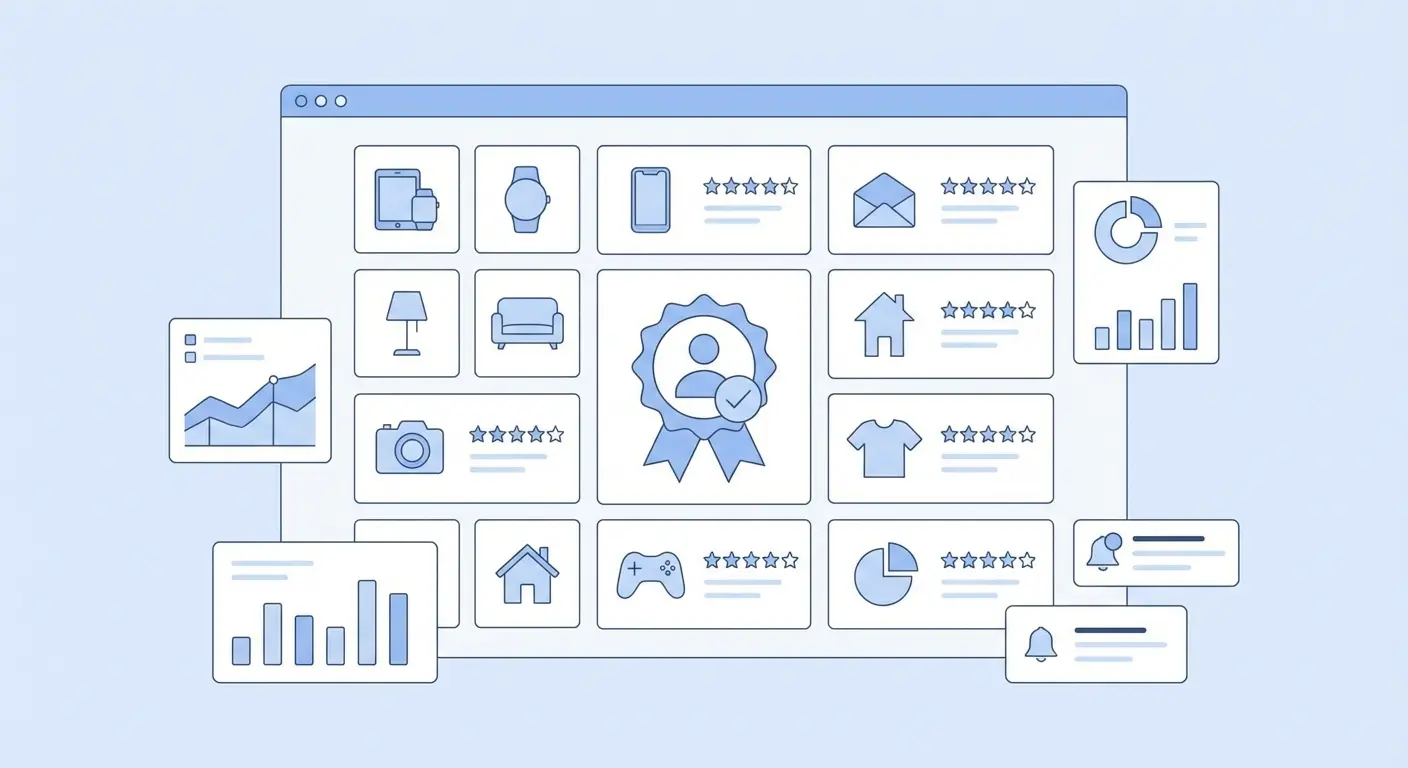
Amazon Vine is the closest thing to a formal product review program.
It is:
Invitation-only.
Based on a history of helpful, high-quality reviews and overall reviewer behavior.
Intended to generate honest feedback, not positive feedback.
Vine reviewers (Vine Voices) receive products enrolled by brands and submit reviews on Amazon. Vine reviews are labeled as Vine reviews.
Key realities:
You typically cannot apply directly; invitations are issued by Amazon.
Volume alone is not enough. Review quality and helpfulness signals matter.
Critical reviews are not inherently a problem when they are specific, fair, and based on real use.
If your goal is to test amazon products for free in the most clearly sanctioned way, Vine is the most straightforward path.
Build a Strong Reviewer Profile (Without Gaming the System)
Because Vine is invite-only, the practical question becomes how you position yourself.
Start by reviewing products you actually bought and genuinely used. Focus on:
Clear use-case descriptions.
Photos or videos showing real usage.
Specific pros and cons tied to features and performance.
Context about who the product is for and who should skip it.
Avoid:
One-line reviews with no substance.
Repetitive phrasing across unrelated items.
Unnatural spikes in review activity that do not match normal purchasing behavior.
Amazon’s review systems can flag unusual patterns. Treat reviewing like a long-term reputation asset, not a volume game.
Work Directly With Brands (Often Best for Private Feedback)
Some brands recruit testers for feedback before or during product launches. This can be legitimate when it is structured correctly.
In these cases:
You may receive a free product or a sample.
You may provide private feedback, which does not involve Amazon’s review system.
You may create content on social media or your own channels.
If you decide to post an Amazon review after receiving a free product, the arrangement must not be contingent on a particular rating or a review being posted. Amazon prohibits incentivized reviews that are tied to compensation or benefits. Also, Amazon has specific rules about disclosures and what it considers compensation for reviews. When in doubt, keep feedback off Amazon and provide it privately to the brand.
Expectation vs reality:
Expectation: “Brands will pay me to leave 5-star reviews.” Reality: Reputable brands want credible feedback, and review-manipulation schemes can trigger enforcement for both buyers and sellers.
Discount and Rebate Platforms (Proceed With Caution)
Some platforms offer steep discounts or rebates for purchasing Amazon products.
Nuance matters:
Discounts and promotions can be legitimate.
A review cannot be required, requested as a condition of reimbursement, or verified as proof for payment.
Any agreement that ties a benefit to posting a review, posting within a timeframe, or posting a positive rating is a red flag.
Amazon has actively enforced against review manipulation for years. If a platform’s process revolves around “send your order ID, post a review, then get reimbursed,” treat it as high risk.
How the Product Testing Process Works in Practice
Understanding how to test and review products for amazon properly means following a process that produces credible, experience-based feedback.

Step 1: Product Selection
Legitimate setups usually:
Offer a catalog (Vine).
Match you to a product based on niche expertise (brand outreach).
Let you choose from a curated list tied to your audience (content creators).
Your credibility influences what you are offered. Reviewers known for careful electronics reviews are more likely to get electronics offers than unrelated categories.
Step 2: Real-World Testing
Testing means more than unboxing.
Examples:
Electronics: setup experience, usability, build quality, battery performance over time, and any connectivity issues.
Kitchenware: cleaning, durability, and performance under repeated use.
Supplements: packaging integrity, label clarity, and user experience. Avoid making medical claims or stating outcomes you cannot substantiate.
Take notes while using the product. Specific observations make reviews more trustworthy and more useful.
A strong habit is checking whether the product matches the listing. Does it align with the images, the description, included accessories, and the stated specs?
Step 3: Writing the Review (If You Choose to Post One)
A high-quality review often includes:
Context (who you are and how you used it).
The use case.
Strengths that are tied to observable performance.
Limitations or tradeoffs.
Who it is a good fit for.
Avoid exaggerated language and blanket claims. Balanced reviews tend to read as more credible.
If you received the product for free or at a steep discount, ensure you do not participate in any arrangement that violates Amazon’s rules on incentivized reviews. When you are uncertain, keep your feedback private to the brand instead of posting an Amazon review.
Step 4: Long-Term Reputation Building
Amazon evaluates patterns over time. Reviews that:
consistently appear immediately after delivery,
cluster around the same brands or sellers,
or skew overwhelmingly positive with little detail
can draw scrutiny, even if you believe you are acting in good faith.
Sustainable testers protect account health over short-term freebies.
Three Realistic Scenarios
Case 1: The Aspiring Vine Reviewer
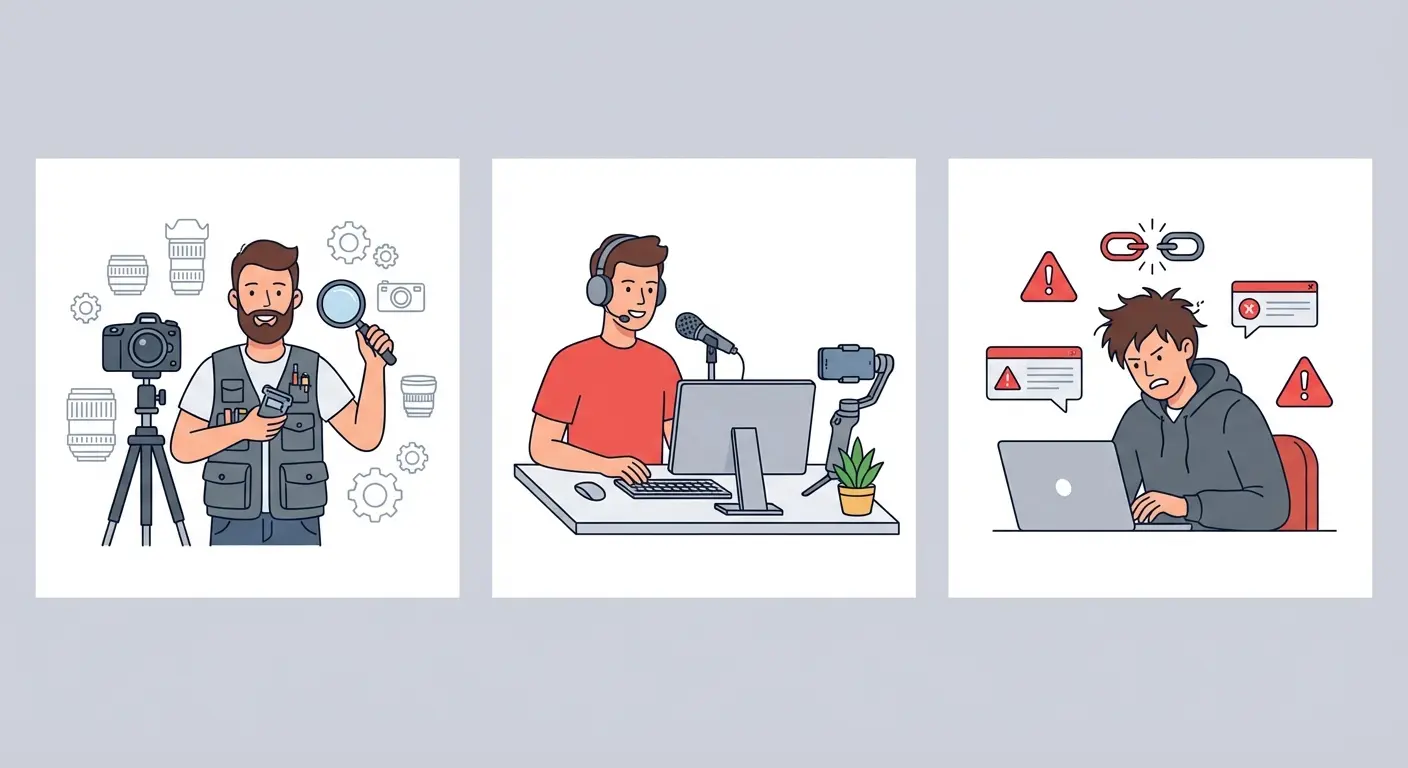
Maria shops on Amazon and writes detailed reviews with photos. Over time, her reviews earn helpful votes, and she focuses on categories she understands. Eventually, she receives a Vine invitation.
Why it worked: consistent quality, authentic use, clear expertise signals.
Case 2: The Niche Content Creator
David runs a YouTube channel reviewing home office gear. Brands send him products for content and feedback.
He:
discloses sponsorships in his content where required,
provides honest feedback,
does not promise ratings or an Amazon review.
Why it worked: off-Amazon credibility attracts brands without needing risky review arrangements.
Case 3: The Shortcut Attempt
A reviewer joins a group promising reimbursement after leaving a 5-star review.
They:
post multiple 5-star reviews in a short period,
submit proof of the review to receive payment.
Eventually, reviews are removed and the account faces restrictions.
Why it failed: conditional incentivized reviews violate policy and are often easy to detect through patterns and communications.
Common Misunderstandings About Testing Amazon Products
“Anyone Can Apply to Be an Amazon Tester”
There is no public application portal for a general tester role. Vine is invite-only. Other opportunities are brand-driven or external.
“More Reviews = Faster Invitations”
Quality tends to outweigh quantity. A smaller number of thorough, specific reviews can be more credible than many shallow ones.
“Negative Reviews Hurt Your Chances”
Thoughtful critical feedback can build credibility. Unnatural positivity can look suspicious.
“If It’s Off Amazon, It’s Safe”
Even if a deal starts in a private group or on social media, posting a review on Amazon can still create policy risk if the arrangement was review-contingent.
Boundaries You Should Not Cross

Amazon’s review system is designed to protect trust. Certain behaviors can result in review removal or account action.
High-risk behaviors include:
Accepting money or benefits in exchange for a specific rating or sentiment.
Posting reviews for products you did not use.
Coordinated review swaps.
Reviewing products for close friends, family members, or anyone with a direct connection to the seller account.
Edge case: You might legitimately buy a discounted product and still leave a review, but if the discount or reimbursement was conditioned on reviewing, that crosses into prohibited territory.
A practical test is simple: if the arrangement would look problematic when fully disclosed, do not do it.
Testing Products as a Stepping Stone to Bigger Opportunities
Some people pursue testing to build credibility, not to collect free items.
Consistent, high-quality feedback can lead to:
brand collaborations,
affiliate work (where permitted and properly disclosed),
influencer program participation,
consulting or UGC opportunities.
For many creators, learning how to test amazon products for free is the entry point to a broader content or e-commerce career. The product is temporary. The reputation compounds.
Key Lessons for Anyone Considering Amazon Product Testing
If you are serious about learning how to test products for amazon sustainably:
There is no open “Amazon product tester job.” Vine is the closest official invite-only program.
Prioritize depth and specificity over volume.
Avoid any deal that makes a review, a deadline, or a positive rating a condition for payment, reimbursement, or free products.
Protect your Amazon account like a business asset.
Stay in categories you genuinely understand and can evaluate honestly.
Done correctly, testing and reviewing products for Amazon can be worthwhile, but it requires patience, restraint, and strict compliance. The sellers worth working with value honest feedback, and Amazon’s enforcement systems tend to reward authenticity over time.