Amazon Used Like New: Seller Guide

Olivia Reyes

Amazon Used Like New: What It Really Means for Sellers (and Why It Matters)
Have you ever had a customer message you saying, “I ordered new but received amazon used like new,” even though you never listed the item that way?
If you sell on Amazon long enough, you will run into the “Used - Like New” condition, whether you actively list used inventory or not. It shows up in returns, in Amazon Warehouse deals, and sometimes in customer confusion. Understanding used like new amazon in real operational terms is not just academic. It can affect pricing, return rates, and brand perception.
What “Used - Like New” Means on Amazon
At a surface level, the definition sounds simple.
When someone asks, what does used like new mean on amazon, it generally refers to a pre-owned item that is fully functional and in excellent condition, often with minimal or no visible cosmetic imperfections. Packaging can be opened or damaged, and included items should match what the condition guidelines require for that category.
In practice, what is used like new on amazon depends on who is assigning the grade and what information they have at the time:
A third-party seller listing a used unit.
Amazon grading a customer return for resale under Amazon’s own used offers (commonly surfaced to shoppers as Warehouse-type deals).
A fulfillment center associate making a fast decision based on packaging, inspection notes, and observed condition.
For sellers, the key is understanding what “Like New” signals to the buyer:
The product should be fully functional.
Cosmetics should meet the “Like New” expectation for the category.
Packaging may be opened, missing, or damaged depending on the offer’s condition notes.
Not every “Like New” offer implies a factory seal or an untouched unboxing experience.
Also, “Like New” does not automatically mean the manufacturer warranty applies. Warranty eligibility varies by brand and by how the item is sold.
Where You’ll Encounter This Condition as a Seller
Most sellers encounter amazon used like new in a few repeatable scenarios:
You intentionally list inventory in used condition.
A buyer returns an FBA order and the unit is later offered as a used item.
A customer receives a product that looks opened and assumes it is used, even when the listing was New.
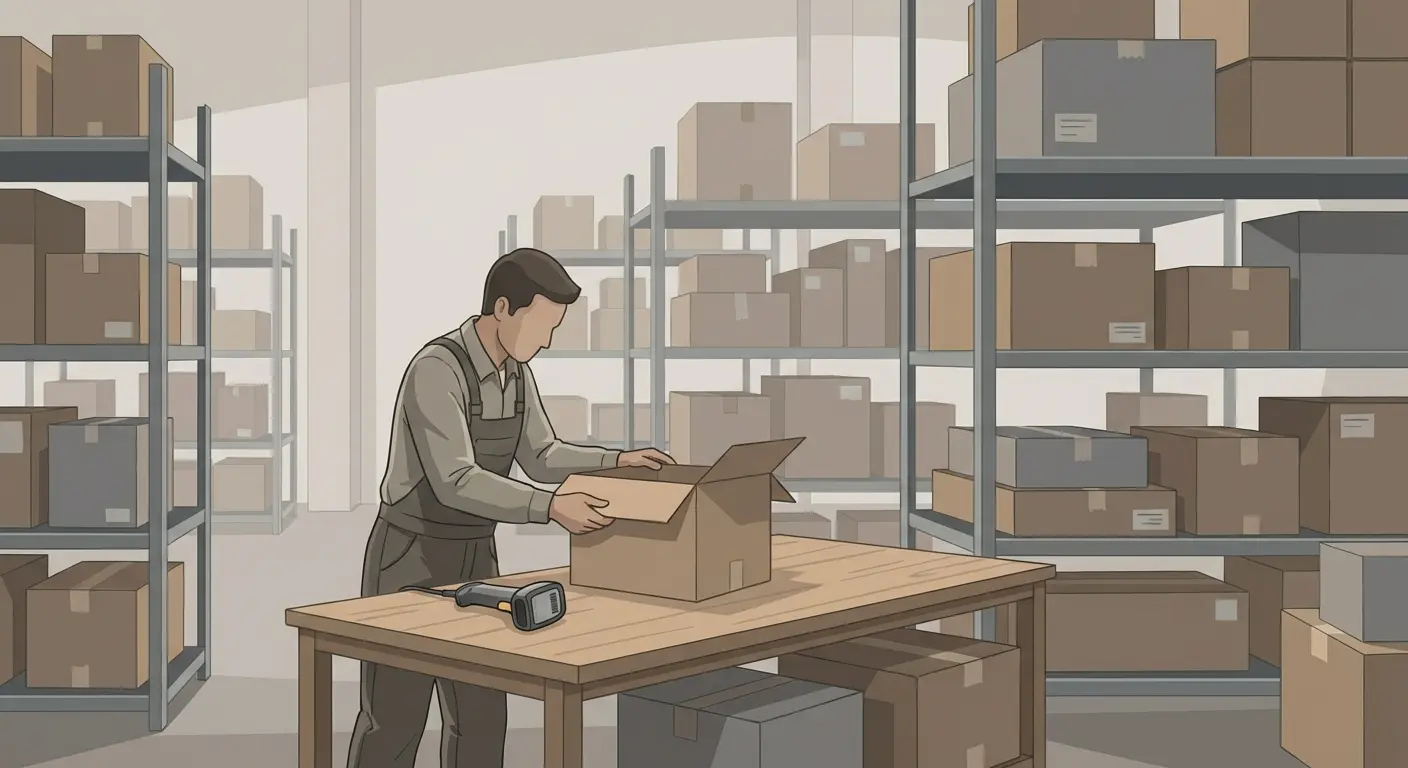
The second scenario is the one many sellers underestimate. After a customer return, the unit can follow multiple paths based on Amazon’s internal processing, category rules, and what the inspection determines. In some cases, a returned unit may be deemed sellable and put back into inventory. In other cases, it may be classified under a used condition and offered to customers.
If Amazon reimburses you for a unit and takes ownership under the applicable reimbursement rules, that unit can later appear as a used offer and may compete against your listing at a lower price. That is not inherently a policy violation. It is one of the ways returns and recovered inventory can re-enter the marketplace.
Practical takeaway: higher return rates, especially for “changed mind,” “opened box,” or packaging-related reasons, can increase the chance that used offers appear on the same ASIN.
How Condition Grading Usually Breaks Down
Amazon’s used condition ladder is commonly presented as:
Used - Like New
Used - Very Good
Used - Good
Used - Acceptable
While the exact wording and expectations can vary by category, the differences typically come down to cosmetics, completeness, and packaging.
When evaluating amazon used like new vs very good, the distinction that matters most is buyer expectation.
Used - Like New often implies:
Excellent cosmetic condition, with minimal to no visible wear.
Fully functional.
Includes required components and accessories for the category.
Packaging may be opened or damaged, and may not be original.
Used - Very Good typically allows:
Minor cosmetic wear or light signs of handling.
Fully functional.
Some non-essential extras might be missing, depending on the product type and what the offer discloses.
Packaging may be damaged or replaced.
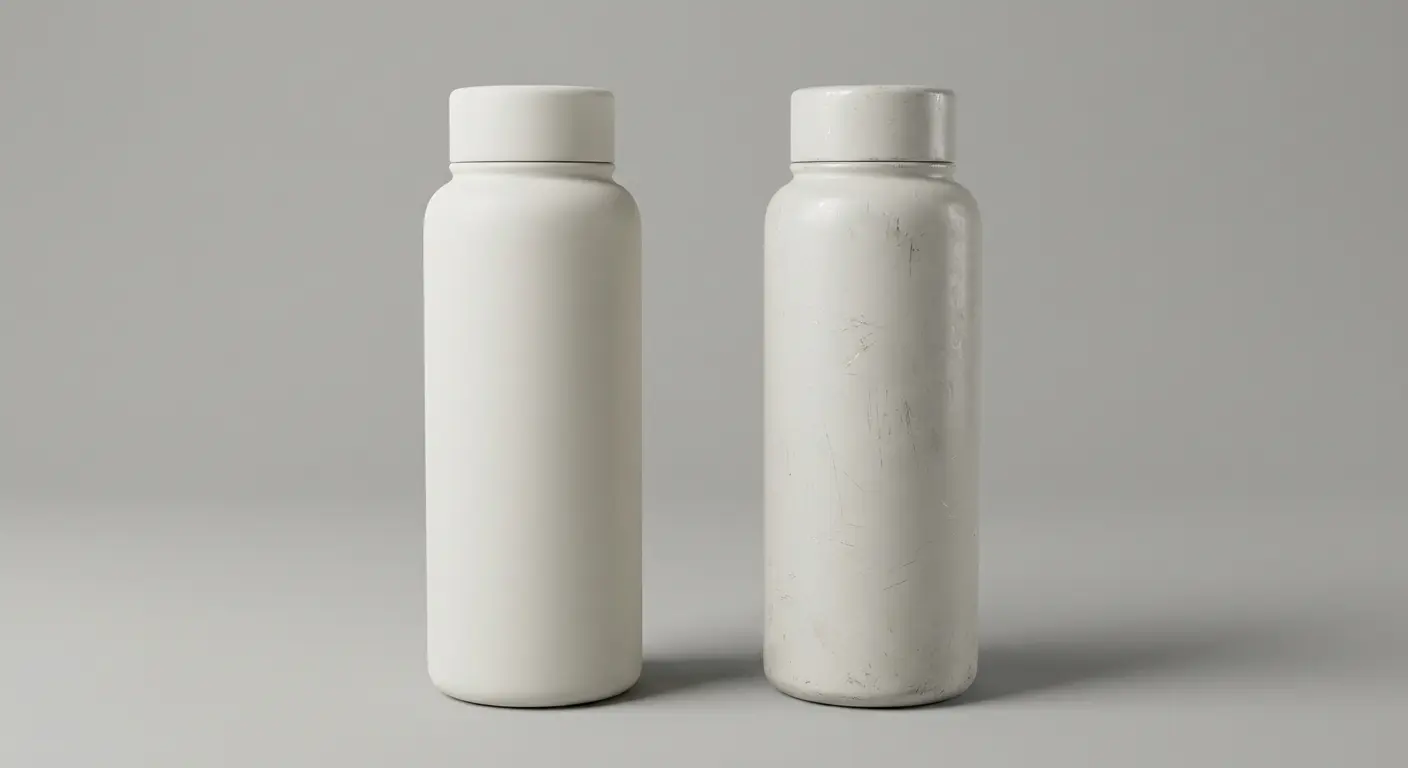
In theory, “Like New” should feel close to a new experience once the product is in hand, even if the box is not perfect. In practice, grading can vary between facilities and over time. This variability is why “Like New” tends to generate stronger negative reactions when a buyer notices even small flaws.
What Customers Think They’re Getting
From the buyer’s perspective, amazon used like new is usually interpreted as “new without the new price.” Many customers assume:
It was returned but never actually used.
It was opened for inspection and sent back.
The only issue was the box.
Sometimes that is true. Sometimes the item was used briefly and then returned. The gap between the customer’s assumption and the real history of the unit is where condition disputes and negative feedback often start.
If you list your own units as “Used - Like New,” your condition notes matter. Accurate, specific notes can reduce misunderstandings, for example:
“Outer box damaged, item appears unused, all accessories included.”
“Open box, minor handling on packaging, item tested and fully functional.”
Condition notes are not a guarantee against returns, but they can help set expectations and reduce disputes.
Amazon Used Like New Return Policy: What Sellers Should Expect

The amazon used like new return policy is not a separate, unique rulebook. Returns for used items generally follow Amazon’s standard return framework, with variations based on category, the seller of record, and whether the order was fulfilled by Amazon.
In many categories:
Customers usually have a return window that often defaults to around 30 days from delivery, but it can differ by category and season.
Third-party sellers are expected to follow Amazon’s return requirements for their marketplace and product type.
Amazon-managed used offers are handled under Amazon’s own return process.
The practical reality is that condition disputes tend to favor the buyer, especially when the issue is subjective. If a customer claims the item was not as described, you may need to accept a return even if you believe the listing was accurate.
For higher-risk products, stronger process controls help:
Record serial numbers for high-value items where allowed and appropriate.
For FBM, photograph the item and included components before shipment.
Use packaging that reduces damage and helps detect tampering.
Common Misunderstandings Sellers Should Prevent
“Like New” means factory sealed
It does not. An item can be graded as “Like New” even when packaging has been opened. For categories where a seal is central to the product’s value, used offers can create more buyer friction.
“Like New” means manufacturer warranty applies
Often, it does not. Many manufacturers restrict warranties to the original purchaser or to items sold as new through authorized channels. If warranty is a key purchase driver in your category, consider how used offers will be perceived.
Condition grading is perfectly consistent
It is not. Scale, staffing, and incomplete information can produce inconsistent outcomes, especially on returned inventory.
Policy and Category Constraints to Keep in Mind
Some categories have stricter rules and may restrict resale of certain opened or used products, especially where hygiene, safety, or regulatory requirements apply. That can include items like ingestibles, topicals, and certain personal care products. Always check the current category and condition guidelines for your marketplace, since resale eligibility can be product-specific.
Also consider commingled inventory. If you use stickerless commingling where it is permitted, you can lose control over unit-level condition history. For condition-sensitive products, many experienced sellers avoid commingling to reduce the risk of receiving a return that was not originally theirs.
Amazon Used Like New vs Very Good: Why It Changes Your Outcomes
For sellers, amazon used like new vs very good is less about semantics and more about expectation management.
“Like New” signals near-perfect cosmetics.
“Very Good” signals minor wear is possible.

If you are unsure, downgrade. One-step downgrades often:
Reduce price modestly.
Reduce buyer expectation meaningfully.
Reduce condition-based returns and disputes.
Key Points to Remember
amazon used like new usually indicates a fully functional item in excellent cosmetic condition, but packaging may be opened or damaged.
used like new amazon can appear even when you did not list it that way, especially through customer returns and subsequent used offers.
The amazon used like new return policy generally follows standard Amazon return rules, and buyer-perceived condition issues are commonly resolved in the customer’s favor.
what does used like new mean on amazon depends on category guidelines and on who graded the item, so build processes that assume some variability.
what is used like new on amazon is best treated as an expectation tier, not a promise of factory seal, untouched packaging, or warranty.
amazon used like new vs very good matters because buyer expectations are higher at “Like New,” and the cost of being wrong is usually a return.
If you manage returns tightly, write precise condition notes, and grade conservatively, used offers can be profitable without creating avoidable account health and brand risks.