How to Become a Product Tester for Amazon

Sarah Johnson

How to Become a Product Tester for Amazon (What’s Real, What’s Risky, and What Actually Works)
If you’re searching how to become a product tester for amazon, you’re probably picturing free products, maybe some side income, and a steady stream of review requests.
The reality is more nuanced. There is no public “Amazon product tester job” portal for consumers, and there is no guaranteed income tied to writing Amazon customer reviews. Most of the visible shortcuts either violate Amazon policy or tend to stop working when enforcement increases.
This guide walks through how it actually works, including how to become a paid product tester for amazon in legitimate ways, what Amazon generally allows, and what can put your account at risk. It also covers the practical differences people run into when asking how to become a product tester for amazon uk versus the US.
First, Understand What “Amazon Product Tester” Usually Means
People use “Amazon product tester” to describe three very different activities:
Amazon Vine reviewer(official, invite-only).
Independent reviewer working with brands(outside Amazon’s review system).
Coupon or rebate-driven review groups(often tied to prohibited conduct).
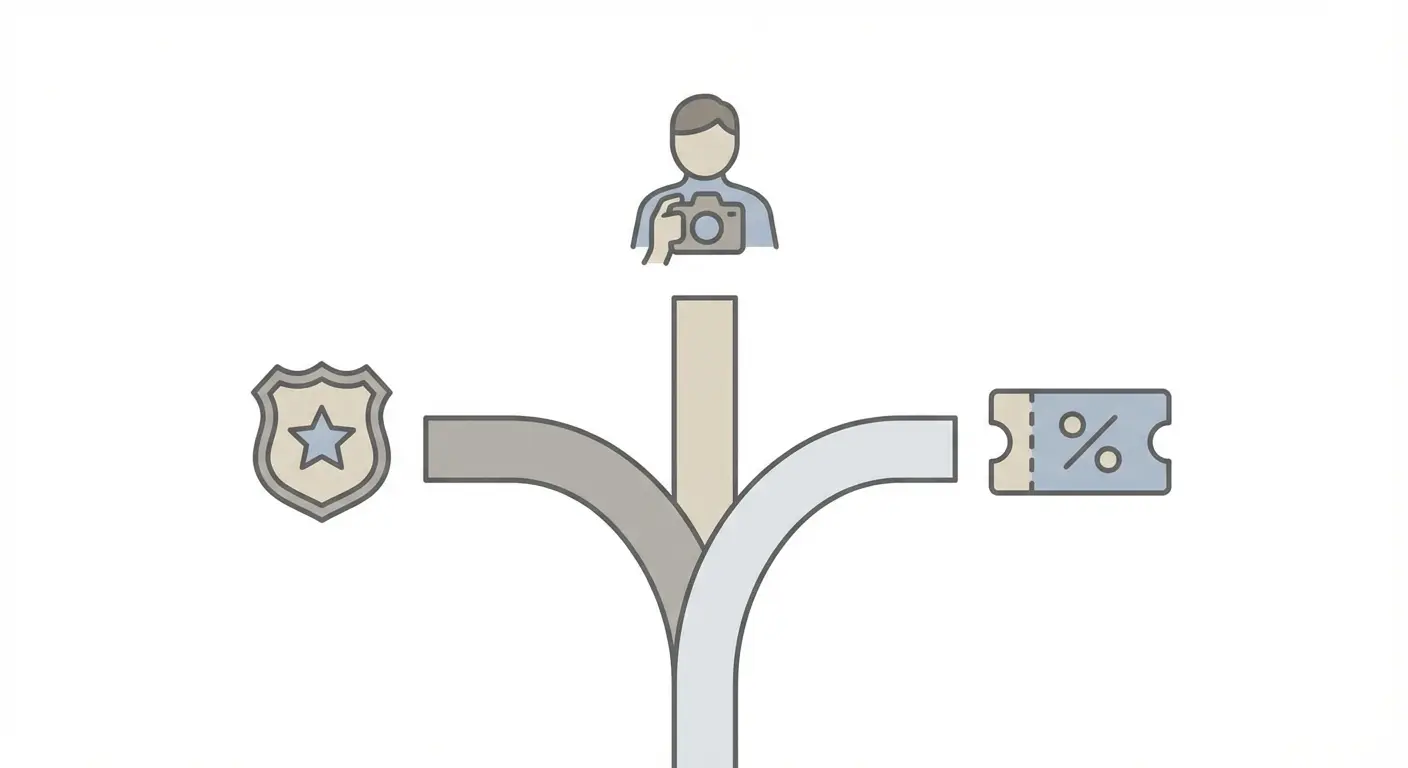
Only one of these is an Amazon-run program. The others range from legitimate off-Amazon content work to behavior that can violate Amazon’s rules.
Before you decide how to become a product tester for amazon, clarify which path you are pursuing. Each has different expectations, risks, and outcomes.
The Only Official Route Inside Amazon Reviews: Amazon Vine
If you want the cleanest, most defensible route connected to Amazon reviews, Amazon Vine is it.
Amazon Vine is an invite-only program where selected reviewers (Vine Voices) can request products made available through Vine and then leave honest reviews. Vine reviews are labeled to indicate the reviewer received the product through the program.
There is no public application form. You cannot reliably “sign up.” Invitations are initiated by Amazon.
How Invitations Tend to Happen
Amazon does not publish an exact selection formula. In practice, invitations tend to correlate with:
A long-standing, active Amazon customer account in good standing.
A history of reviews that other customers find helpful.
Reviews that are specific, balanced, and clearly based on real use.
If your reviews read like marketing copy, are overly repetitive, or appear coordinated, that works against credibility.
Seller Insight for Experienced Operators
Volume alone is not a strategy. A smaller set of clear, high-signal reviews often performs better than a large set of shallow reviews across unrelated categories.
Category consistency can help you develop a recognizable pattern of expertise. For example, reviewing espresso gear with photos, durability notes, and follow-up updates creates more buyer value than scattered one-liners across random items.
Is Vine Paid?
Vine is not a cash-paying job. Vine reviewers typically receive products at no charge. Depending on the country and the reviewer’s tax situation, there can be tax implications associated with the value of items received.
If your main question is how to become a paid product tester for amazon, Vine usually does not meet that requirement because it is product compensation, not wages.
Building a Reviewer Profile That Gets Noticed Without Triggering Risk
If your goal is a Vine invitation, treat reviewing as buyer education.
Write Reviews That Resolve Purchase Friction
Before writing, identify what would make a buyer hesitate:
Who it is for and who it is not.
Fit, compatibility, and setup pitfalls.
Performance limits and edge cases.
What changed after real use over time.
Generic praise like “Works great” rarely earns helpful votes.
Use Evidence Over Vibes
Details signal authenticity:
Photos after 30 days of use.
Measurements and comparisons against a prior model.
Notes on packaging damage or missing parts.
What you would change and why.

Both customers and automated review integrity systems tend to favor reviews that look grounded in actual use.
Stay Within Amazon Policy
Amazon’s review rules prohibit manipulative behavior. Examples that can violate policy include:
Offering or receiving compensation that is conditioned on leaving a review, a specific rating, or a positive review.
Undisclosed free products provided with an expectation of a review.
Coordinated or incentivized review activity designed to influence ratings.
If you try to “optimize” your way into Vine or into high review volume using refund-after-review funnels, you are creating a pattern that can lead to review removal, loss of review privileges, or broader account actions.
The High-Risk Zone: Groups, Rebates, and “Review Clubs”
When people ask how to become a product tester for amazon?, they often mean: “Where can I get free or heavily discounted products to review?”
Historically, that has been marketed through:
Social media groups.
Rebate platforms.
Coupon distribution communities.
Refund or reimbursement schemes after purchase.
Here is the distinction Amazon focuses on:
Discounts can be allowed. Discounts or reimbursements offered in exchange for a review are not.
If the deal requires a review, requires a certain star rating, or implies reimbursement is conditional on posting, you are in prohibited territory.
Risk Tradeoff
Short-term upside: cheaper products. Long-term downside: reviews removed, reviewing privileges restricted, or account enforcement.
For sellers, the reputational and operational risk is higher because a personal Amazon account can be tied to a seller ecosystem in ways that are hard to unwind.
How to Become a Paid Product Tester for Amazon (Legit Models)
If “paid” is the real goal, the clean route is to separate testing from Amazon star ratings. You are not trying to get paid to leave customer reviews. You are building monetized content or research output.
1. Amazon Influencer Program and Onsite Video
Approved creators can publish shoppable videos that may appear on product pages and earn commissions when shoppers purchase.
This is not a paid-review model. Revenue comes from affiliate-style commissions tied to viewer behavior, not from manipulating ratings.
2. Brand Partnerships Off Amazon
Brands may pay for:
YouTube reviews or comparisons.
Short-form social coverage.
Blog write-ups and buyer guides.
UGC delivered to the brand for ads or listings.

Do it like a professional: disclose relationships where required, separate editorial judgment from payment, and avoid any arrangement that ties compensation to an Amazon review outcome.
3. Independent Product Testing and Market Research Panels
Market research firms and testing panels sometimes pay consumers to test products and provide feedback. This feedback may inform product development or listing claims. It is typically not structured as “leave a public Amazon review for payment.”
These programs can be legitimate, but you should still read the terms carefully and avoid anything that asks for undisclosed or conditioned Amazon reviews.
If You’re in the UK: What Changes?
If you’re specifically researching how to become a product tester for amazon uk, the overall structure is similar:
Amazon Vine operates in the UK marketplace.
Vine is invite-only.
Review manipulation rules still apply.

Two practical differences commonly show up:
UK Vine inventory depends on UK sellers and brands participating.
Tax treatment for free or discounted products can differ based on UK rules and personal circumstances.
For anything tax-related, rely on current HMRC guidance or a qualified adviser, not forum assumptions.
Short Case Examples
Case 1: The Focused Reviewer (Low Risk)
A reviewer consistently publishes detailed reviews on power tools with usage hours, comparisons, and wear photos. Helpful votes accumulate over time.
Result: a realistic chance of a Vine invitation, with low policy risk and high credibility.
Case 2: The Rebate Chaser (High Risk)
A reviewer joins groups that promise “100% back” after a five-star review. Patterns look coordinated. Amazon removes reviews or restricts reviewing privileges.
Result: short-term product volume, long-term account consequences.
Case 3: The Content Creator (Paid Path)
A small channel reviews budget home office gear. The creator joins the Amazon Influencer Program, posts comparison videos, and earns commissions. Brands later offer paid content partnerships.
Result: income scales with audience trust and content quality, not with review incentives.
Common Misunderstandings About Amazon Product Testing
“Amazon hires product testers.”
Amazon does hire for many roles, but it does not generally employ consumers as paid reviewers. Vine is a program, not a job.
“You can sign up for Vine.”
There is no public signup. Participation is by invitation.
“More reviews automatically increases your chances.”
More reviews can help only if quality and integrity remain high. Low-effort volume can backfire.
“Free products mean it’s safe to review.”
Only if the structure complies with Amazon rules and disclosure expectations. If a product is provided with an expectation of a review or a specific outcome, it is risky.
“You can make a full-time income from Amazon reviews.”
Standard customer reviews do not pay. Sustainable income typically comes from content, affiliate commissions, or brand work.
A Practical Decision Framework
If you are serious about how to become a product tester for amazon, decide what you want:
Free products only, with strict compliance.
Long-term credibility and a low-risk path.
Scalable income through content and commissions.
Off-Amazon paid testing or research work.
If you want the most defensible on-Amazon reviewing path, build toward Vine. If you want income, build an audience and monetizable content assets. If you want quick freebies, understand you may be stepping into policy risk that can cost far more than the products are worth.
Key Points to Remember
There is no public consumer job portal for “Amazon product tester” roles.
Amazon Vine is the main official product-seeding program connected to Amazon reviews, and it is invite-only.
Helpful, specific, evidence-based reviews improve your odds of being noticed.
Incentivized reviews and reimbursement-for-review schemes can violate Amazon policy and trigger enforcement.
how to become a paid product tester for amazon usually requires an influencer, affiliate, content, or research model rather than paid customer reviews.
how to become a product tester for amazon uk follows the same core structure as the US, with local differences in inventory and tax considerations.
If you find yourself repeatedly asking how to become a product tester for amazon? focus less on shortcuts and more on trust-building behaviors that survive policy changes.