Amazon Wholesale 2025: Selling Wholesale on Amazon

Sarah Johnson

Amazon Wholesale in 2025: An Playbook for Buying Wholesale and Selling on Amazon (Without Losing Your Mind)
A friend of mine once “won” a wholesale deal with a legitimate brand—solid catalog, clean invoices, even a friendly relationship with the distributor. He sent the first shipment into FBA and felt like he’d finally cracked the code.
Two weeks later, his listing got hit with a brand complaint. Not counterfeit. Not used sold as new. Just a simple “you’re not authorized to sell our products.” The units were real, the invoices were real, and the situation still turned into a documentation-and-process problem, not a feelings problem.
That’s wholesaling on amazon in 2025. It can be stable and boring (the good kind), but only if you run it like an operator—not like a treasure hunter.
The core idea of amazon wholesale (and why it still works)
amazon wholesale is the model where you buy branded products from a legitimate source (brand, distributor, importer, or closeout partner) and resell them on existing listings—usually competing in the Buy Box.
You’re not building a brand. You’re building supply lines and margin discipline.
In 2025, wholesale can still work because:
Customers still buy known brands.
Reliable in-stock offers still tend to convert better than inconsistent offers.
Some brands still prefer not to operate their own Amazon channel, or they operate it inconsistently.
But the environment is tighter: more category restrictions in some niches, more brand enforcement, and more “prove it” moments during account reviews, listing disputes, or authenticity challenges.
Expectation vs reality: wholesaling on amazon

Expectation
“I’ll just find a distributor, get a price list, send it to FBA, and scale.”
Reality
You’re managing a three-part balancing act:
Supply legitimacy (invoices that hold up, traceable sources)
Permission (explicit authorization, written reseller terms, or at minimum a low-friction relationship with the brand)
Economics (Buy Box volatility, fees, returns, and competitors who ignore margin floors)
If one of those collapses, the business gets loud fast—cases, stranded inventory, cash tied up, and slow weeks spent doing admin instead of buying.
Before you source: decide what kind of wholesaler you are
There are two clean paths. Mixing them is where people get stressed.
Path A: Authorized and boring
You sell brands that authorize you or clearly allow resellers through documented channels.
You focus on stability, restock cycles, and operational cleanliness.
Upside: fewer surprises Downside: often thinner margins and slower account openings
Path B: Gray but invoice-backed
You buy from distributors/importers/closeouts that provide invoices.
You may still face brand pressure even with legitimate goods.
Upside: more product opportunities Downside: higher risk of brand complaints, listing suppression, or requests for additional documentation
Insight (decision rule): If your plan requires you to “argue with Amazon” to keep selling, it’s not a plan—it’s a mood.
Where to buy wholesale products to sell on amazon (the list that holds up under scrutiny)
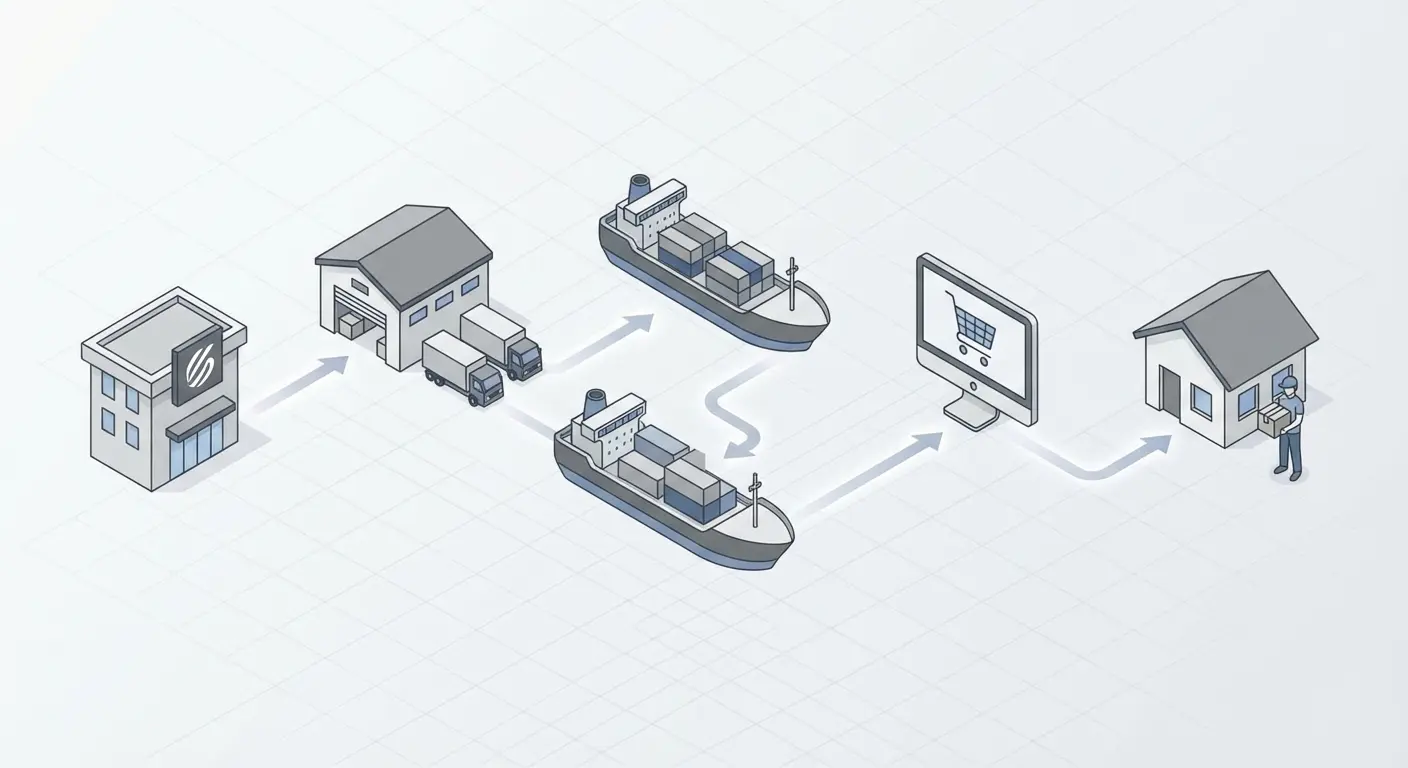
where to buy wholesale products to sell on amazon stops being a directory question and becomes a verification question: the supply chain has to survive scrutiny from Amazon and, sometimes, from the brand.
These sourcing lanes are common in real operations:
1) Direct from the brand (best, hardest)
You open a wholesale account with the brand and buy direct.
What makes it work:
Clean invoices with clear seller-of-record information
Higher odds of long-term stability
Easier conversations when issues come up
What breaks it:
The brand doesn’t want third-party sellers on Amazon
The brand requires strict pricing or channel controls, and you can’t meet them
The brand wants one primary Amazon operator and expects help with content, ads, or catalog cleanup
2) Authorized distributors (often the sweet spot)
Distributors can be easier to open, with decent catalogs and consistent replenishment.
Watch-outs:
Not every distributor is authorized for every brand they carry; confirm status where possible.
In some disputes, Amazon may ask for invoices that clearly connect to a verifiable supply chain; generic paperwork can fail even when goods are genuine.
Many distributors sell to many sellers, so listings can get crowded and price can compress.
3) Importers / master wholesalers (opportunity plus risk)
You may find stronger costs, especially for products that are legitimate but not tightly controlled by the brand on Amazon.
Watch-outs:
Make sure invoices are detailed, current, and issued to your exact legal business name and address.
Verify that products are intended for the U.S. market if you’re selling in the U.S. marketplace (packaging, instructions, warranty terms, and any safety labeling).
Avoid anything that looks repackaged, tampered, expired, or bundled in ways the listing doesn’t match.
4) Closeouts / liquidation (treat as a separate model)
This is inventory trading more than classic replenishable wholesale.
Watch-outs:
Lot integrity: mixed conditions, missing components, older packaging, discontinued versions
Higher return rates and customer complaints
Listing mismatch risk, including changes to the catalog page after you buy
If the goal is a durable wholesale business, keep closeouts as a controlled side lane—not the foundation.
Getting ungated and staying alive: legitimacy is the product
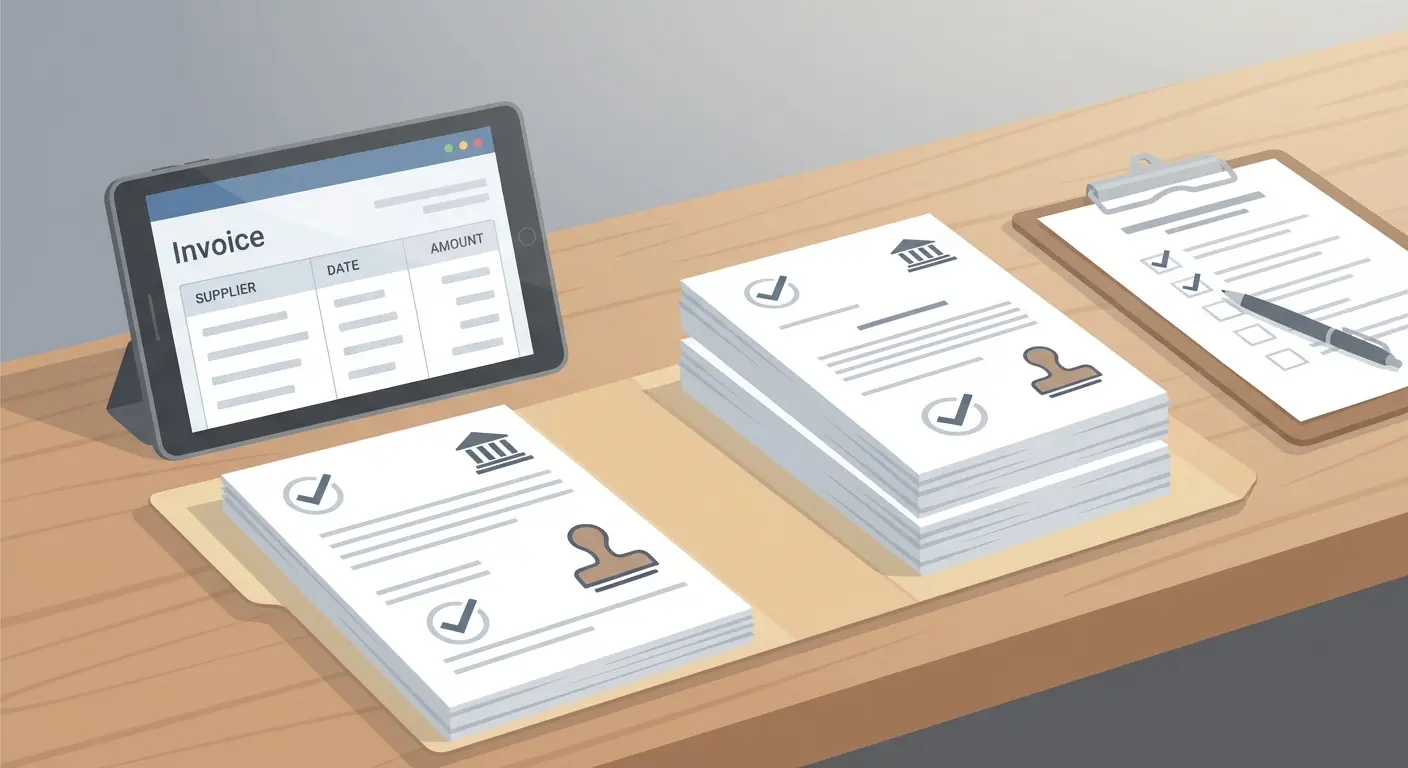
buying wholesale and selling on amazon becomes painful when sellers treat invoices like a formality. They’re not. They’re your insurance policy.
A few practical notes, kept conservative and policy-aligned:
Amazon can request invoices and documentation at any time, especially in restricted categories or after customer/brand complaints.
Invoices should match your business identity, the supplier’s identity, and the specific products and quantities you purchased.
Keep documents organized (invoices, supplier contact info, and any written authorization or reseller terms) so you can respond quickly and consistently.
Insight (simple heuristic): If you wouldn’t be comfortable sending your supplier’s invoice to a brand contact with your name on it, don’t build your business on that supply.
The listing reality: you don’t own the page
Wholesale sellers love the idea of plugging into existing demand. That part is real. But you inherit the mess too, and Amazon can change catalog data over time.
What can go wrong on an existing listing
Variation abuse and incorrect child ASINs
Misleading titles, images, or attributes that don’t match the product
Brand Registry edits that change what the listing represents
A revised or “new version” becomes the dominant catalog page and your inventory no longer matches, creating stranded inventory risk
Practical move: Before you buy deep, scrutinize:
The exact UPC/GTIN and pack count
Recent listing changes (title/images/variations shifting)
Review patterns that hint at mismatch, damage, or compatibility issues
Whether the brand appears to be actively policing sellers
Pricing and the Buy Box: the part nobody tells you calmly

Wholesale is not set-and-forget. It’s more like gardening: you maintain it or it turns into weeds.
Your margin gets eaten by:
Fee changes over time (including fulfillment and storage fees)
Coupon wars and aggressive promotions
Sudden price drops from other sellers
Returns, especially in categories with fit, compatibility, or subjective expectations
What experienced sellers do:
They set walk-away prices (a true floor that accounts for returns, removal orders, and time cost—not just referral and FBA fees).
They avoid ASINs where one seller regularly tanks the price.
They think in reorder cycles, not one-time flips.
If the only way an ASIN works is when the price is unusually high, that’s not a product—it’s a temporary condition.
FBA vs FBM for wholesale in 2025 (practical tradeoffs)
FBA
Pros: Prime conversion, operational simplicity, easier scaling Cons: storage constraints, stranded inventory risk, reimbursement and claims workload, less control over fulfillment touchpoints
FBM
Pros: control, flexibility, lower long-term storage exposure Cons: operational load, shipping performance pressure, and lower conversion in some niches without fast shipping options
Start with whichever model you can run cleanly for 6 months without heroics. Clean beats clever.
The question sellers avoid: amazon wholesale vs amazon private label
Running amazon wholesale and amazon private label in the same business can work, but the skills and risks are different.
what is private label amazon (plain English)
what is private label amazon comes down to this: you sell products under your own brand—either a modified version of an existing product or something you designed/spec’d—then you control the listing assets and the brand presentation.
Wholesale vs private label
Wholesale gives you:
Existing demand
Faster start
Less creative work
Less control over the catalog page and brand rules
Private label gives you:
More control (listing, positioning, pricing strategy)
Higher upside if you execute well
More risk (manufacturing, QA, launch costs, compliance, reviews, and longer cash cycles)
If you want simplicity and lower emotional volatility, wholesale is usually the cleaner starting point. If you want control and can handle longer feedback loops, private label can be worth it. Mature sellers often do both, but they don’t confuse the playbooks.
A simple wholesale workflow that actually scales
1) Build a supplier pipeline first
Outreach weekly, consistently
Track who replied, who rejected, and who requires documents
Ask about reseller policy, MAP (if applicable), Amazon stance, and invoice format
2) Product selection filters (use these before you get excited)
Stable offer count (not a constant price war)
Listing quality is decent (or at least not chaotic)
Manageable return profile for the category
Supplier can replenish reliably
You can exit without taking a major loss if conditions change
3) Test buys designed to teach you
A test buy is not just small quantity. It’s a test of:
Buy Box behavior over days and weeks
Prep/pack requirements and any unexpected compliance friction
Defect and return rate
Whether the brand tolerates third-party sellers in practice
4) Scale what’s boring
If a product reorders cleanly and sells steadily without drama, that’s a winner—even if it’s not exciting.
In wholesale, boring is often the highest compliment you can give an ASIN.
Common traps (and how calm sellers avoid them)
Trap: “I found a great product” = you found a temporary price
Avoid products where profitability depends on one seller staying out, running out of stock, or behaving rationally.
Trap: supplier invoices that don’t match the story
Avoid invoices missing item detail, quantities, dates, or supplier traceability.
Trap: overbuying before you understand the listing and the brand
Avoid deep buys until the ASIN has survived a full selling cycle, including returns and potential listing edits.
Trap: building on brands that hate Amazon
Avoid brands that repeatedly file complaints, pressure sellers off listings, or frequently trigger authenticity escalations.
What changes in 2025 (without pretending we can predict everything)
You don’t need prophecy. You need posture.
In 2025, assume:
More emphasis on supply chain proof and documentation
More brands actively managing their Amazon presence
Less tolerance for messy listing behavior, mismatched products, and questionable sourcing
The winning posture is:
Cleaner sourcing
Cleaner documentation
Lower dependence on any single ASIN, supplier, or brand relationship
If I were starting wholesale on Amazon in 2025, I’d do this
Pick 1–2 categories I can understand deeply (returns, compatibility, seasonality, and compliance basics).
Target 20–50 supplier conversations, not one magic distributor.
Only buy from sources I’d feel comfortable defending with paperwork.
Run test buys that measure reality, not hope.
Scale reorderable, boring winners and drop drama listings fast.
That’s how buying wholesale and selling on amazon feels like a business instead of a series of emergencies.
If you share the category you’re considering and whether you plan FBA, FBM, or hybrid, I can suggest the supplier lane that’s usually the cleanest in that niche and the product filters that tend to matter most.