Alibaba to Amazon FBA: Protect Your Real Margins

Olivia Reyes
Everything Amazon Sellers Need to Know About Sourcing from Alibaba (Without Losing Track of Your Real Margins)
Are you calculating your Amazon margins based on the Alibaba unit price instead of your true landed cost?
That shortcut can quietly turn a “profitable” product into a cash drain once freight, duties, and Amazon fees hit. Sourcing from Alibaba is not just about finding a manufacturer. It is about managing a multi-step supply chain, forecasting cash flow, and tracking costs with enough precision to make reorder decisions based on reality, not assumptions.
This guide breaks down what experienced sellers need to control when sourcing from Alibaba for Amazon FBA, including how to track true profit margins sourcing from Alibaba and which systems matter once you scale beyond your first order.
Why Alibaba Sourcing Is a Supply Chain Problem, Not a Product Problem
At a surface level, Alibaba is a B2B marketplace that connects buyers with suppliers. For Amazon sellers, it is often the starting point for private label products.
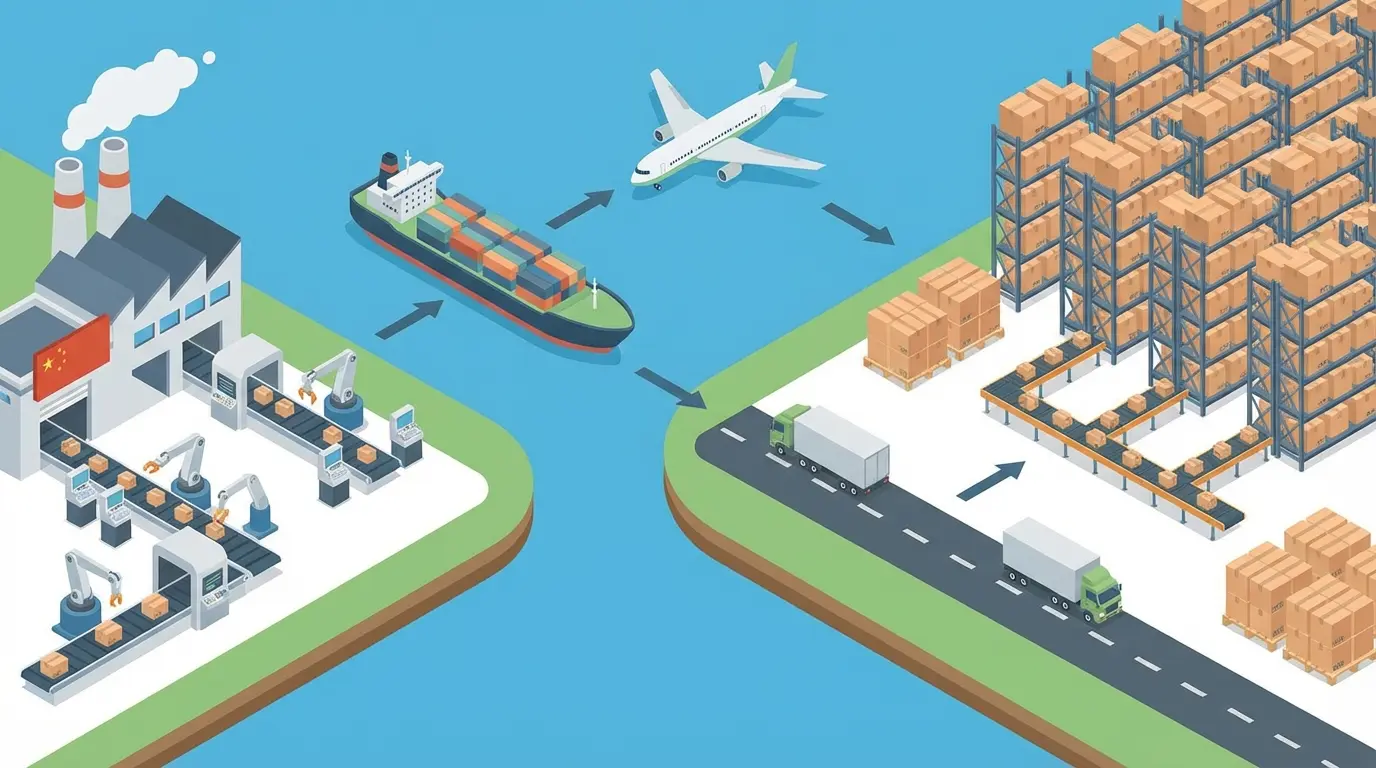
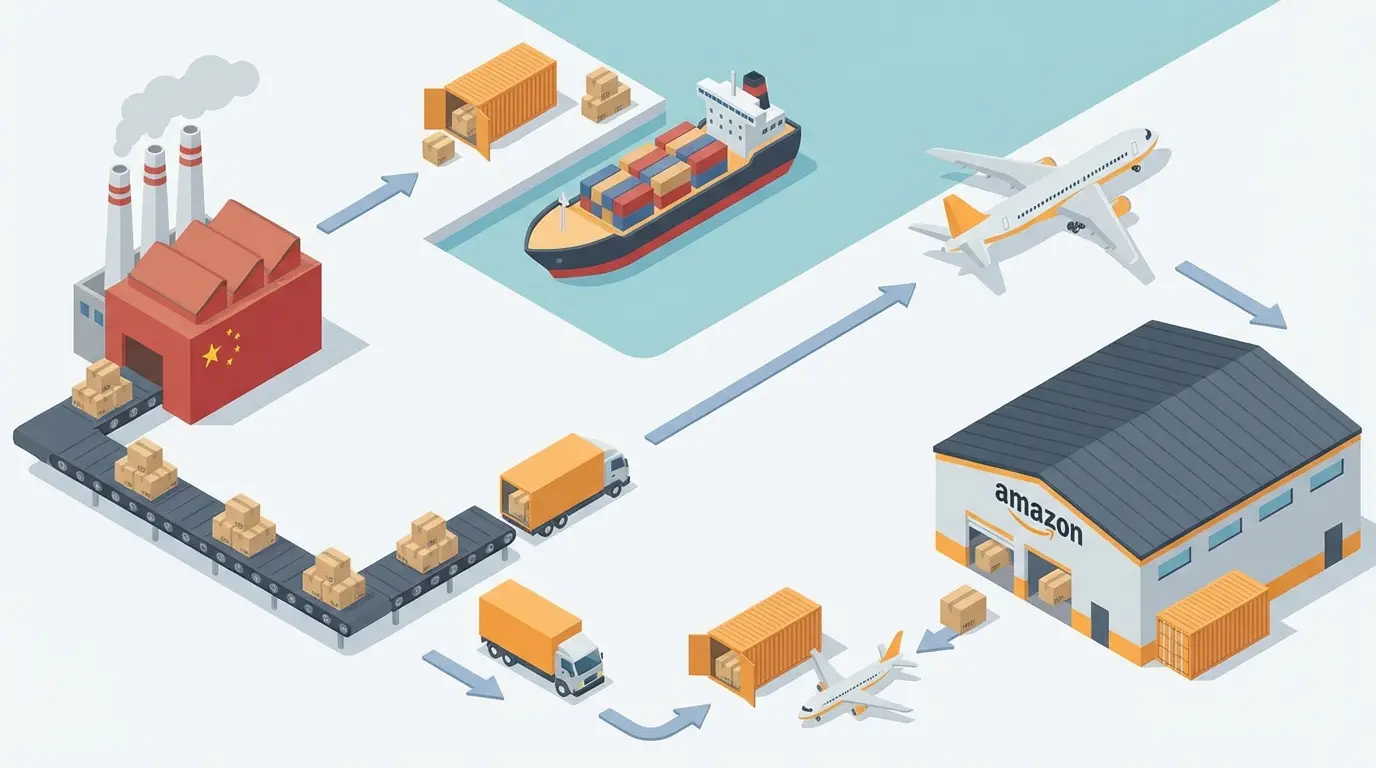
Operationally, Alibaba sourcing sits inside a larger system:
Product development
Manufacturing
International logistics
Customs and duties
FBA prep and compliance
Inventory forecasting
Ongoing supplier payments
If you treat Alibaba as only “where I buy inventory,” you miss the complexity that begins the moment money leaves your account.
Two core concepts matter here:
Landed cost This is your total cost per unit delivered to the point where Amazon can receive it, typically an Amazon fulfillment center or a prep partner. It can include unit price, packaging, tooling (if you amortize it), inspections, freight, customs brokerage, duties and import taxes, prep, labeling, insurance, and inland delivery.
True margin This is what remains after Amazon referral fees, FBA fees, storage, returns, and advertising spend, plus your full landed cost. Many sellers monitor gross margin while underestimating contribution margin, especially once PPC and storage become meaningful line items.
If you are not using an amazon fba landed cost calculator software or a structured cost model, you can end up making pricing and reorder decisions on partial data.
How the Alibaba-to-Amazon FBA Pipeline Actually Works
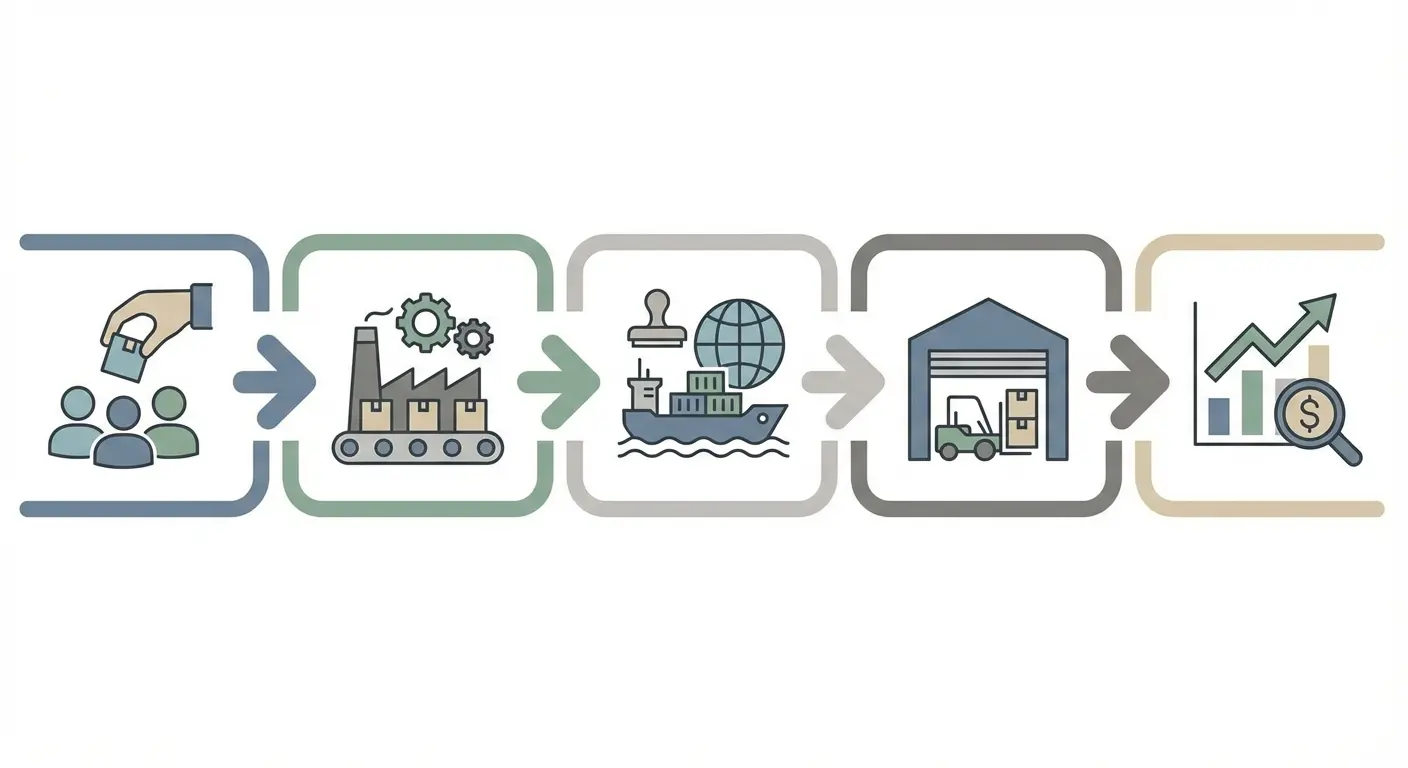
Below is the lifecycle of a typical order and where sellers tend to lose visibility.
1. Product and Supplier Selection
You negotiate:
Unit cost
MOQ
Packaging specs
Production timeline
Incoterms (EXW, FOB, DDP, and others)
This is where many sellers lock in margin assumptions too early. A $3.20 unit price can look attractive until you layer in freight variability, duty rates, and size-tier risk on the Amazon side.
Never validate a product on unit price alone. Validate it on conservative landed-cost assumptions, with a buffer for volatility.
This is where software to calculate ddp shipping to amazon fba can be useful. DDP, Delivered Duty Paid, can reduce operational workload because the supplier or their partner arranges delivery with duties and import clearance handled as part of the quote. The tradeoff is that DDP pricing can bundle markups and may reduce cost transparency. When possible, compare DDP to FOB plus your own freight forwarder quote before you commit.
2. Deposit, Production, and Payment Tracking
Common payment terms are 30 percent deposit, then 70 percent before shipment. Terms vary by supplier, order size, and relationship.
Once you scale to multiple SKUs and suppliers, deposits overlap and cash flow planning becomes a bigger risk than “finding a winner.” This is where amazon seller tools to track supplier payments matter, especially when you need:
Visibility into deposits versus final payments
Production status tracking
Expected ship windows
Currency exposure and payment method records
A disciplined system also helps reconcile what was agreed versus what was invoiced, and it supports cleaner accounting for inventory in production. Many sellers connect an amazon private label sourcing cost tracker to accounting workflows so committed costs do not disappear until the inventory lands.

3. Freight, Duties, and Final Landed Cost
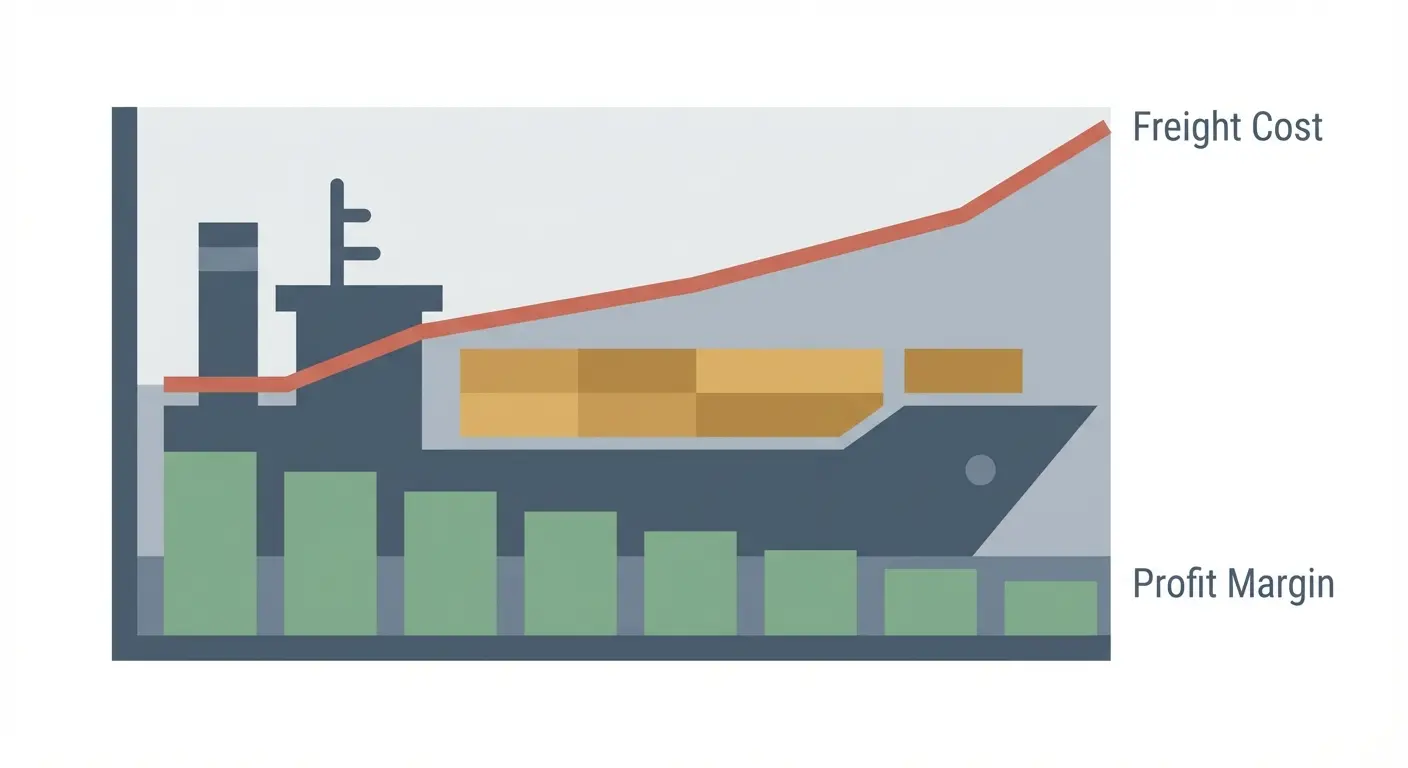
Freight rates and transit times can change due to seasonality, fuel, port congestion, carrier capacity, and broader disruptions. Duty rates depend on product classification and destination country rules, and misclassification can create expensive surprises.
If your cost model is static, it gets stale quickly.
This is where the right stack becomes operational, not optional:
amazon fba landed cost calculator software
software to calculate ddp shipping to amazon fba
tools to track alibaba sourcing costs for amazon
The goal is to automate alibaba to amazon fba profit calculation so that when freight quotes, duty assumptions, or packaging dimensions change, your ROI view updates before you place the next purchase order.
A common gap looks like this:
Expectation: “Freight is about $0.80 per unit.” Reality: It is $0.80 in one season, then $1.40 later, and your margin can drop below your advertising breakeven.
If you do not keep the model current, you can reorder inventory that is no longer viable at your price point.
4. Inventory Arrival and FBA Integration
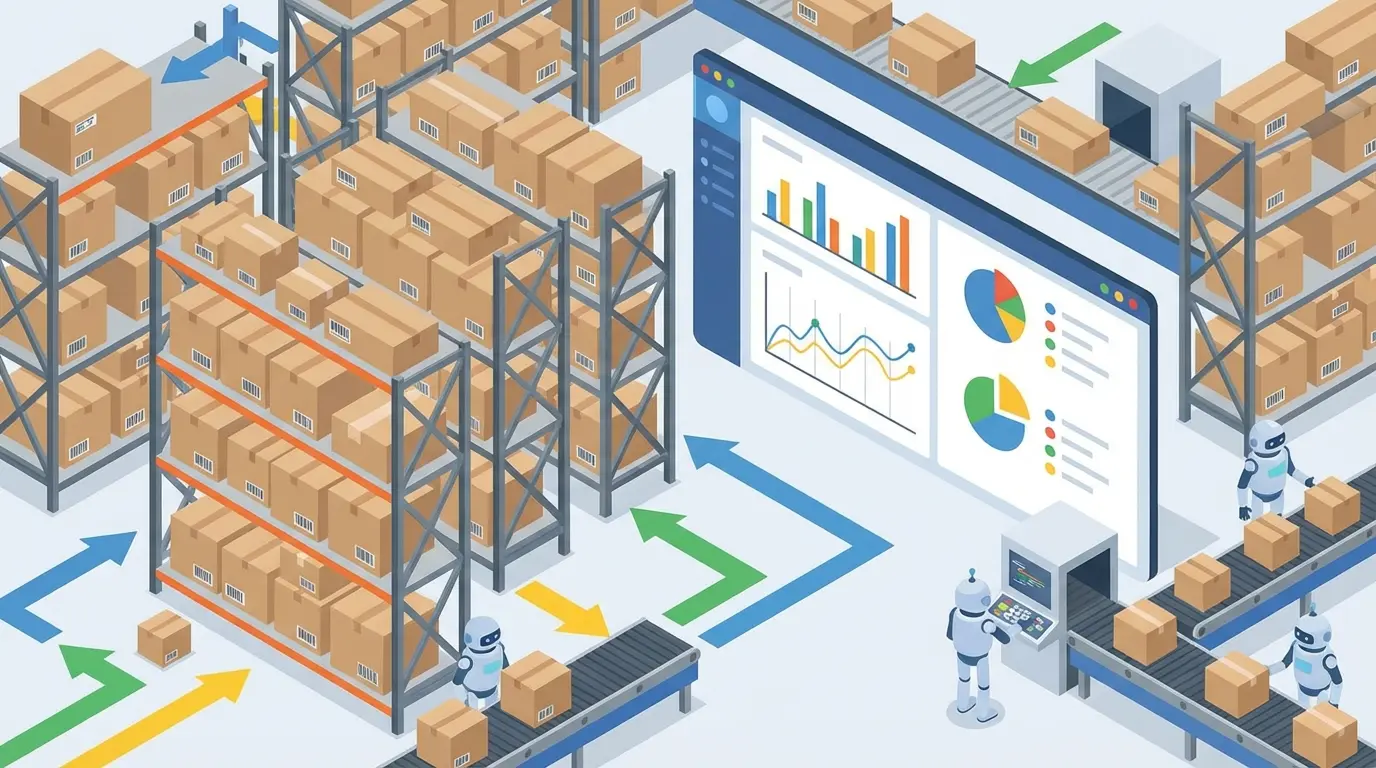
Once inventory approaches Amazon, sourcing merges into inventory management. Your “supply chain” becomes a live system with units in production, in transit, and available for sale.
This is where amazon fba inventory management software for alibaba becomes relevant. At a minimum, it should connect:
Units ordered
Units in production
Units in transit
Units received and checked in
Sell-through rate and projected stockout dates
Without this integration, you risk:
Stockouts because lead times were underestimated
Over-ordering because aging inventory was ignored
Paying storage charges that erode profit, especially on slow movers
Advanced sellers use amazon fba supply chain management tools to model reorder points using real supplier lead times plus shipping variability, not optimistic averages.
5. Ongoing Margin Monitoring
Your first order can be profitable while later reorders are not. The drivers are usually predictable:
PPC competition increases
Amazon changes fee structures over time
Currency moves affect supplier pricing
Suppliers adjust pricing based on materials and labor
If you do not automate amazon fba roi calculation from alibaba, you end up managing the business using launch assumptions. Systems that stay useful at scale usually:
Pull current Amazon fees or make them easy to update
Incorporate updated freight and duty inputs
Track refunds and return rates
Reflect real advertising spend and promotional costs
That is how you consistently track true profit margins sourcing from alibaba, instead of discovering margin compression after the payout cycle.
Three Short Cases That Show Where Sellers Win or Lose
Case 1: The Hidden Freight Squeeze (Hypothetical)
A seller launches a kitchen product at $29.99. Unit cost is $4.10. Initial landed cost is $6.20 per unit.
Freight costs rise before the second order. Landed cost increases to $7.40.
They reorder using the old model while keeping PPC aggressive. Contribution margin shrinks and cash tightens.
An amazon fba landed cost calculator software connected to current freight quotes would have flagged the compression before the reorder decision.
Lesson: Freight volatility is not theoretical. Build systems that adapt.
Case 2: DDP Simplicity vs Cost Transparency (Hypothetical)
A seller accepts a DDP quote to simplify operations. The supplier coordinates delivery to the destination address used for FBA intake.
Later, the seller compares FOB plus an independent forwarder and sees that DDP included a larger-than-expected markup.
DDP is not inherently “bad.” It can reduce complexity and lower the chance of missed paperwork. The risk is paying for convenience without measuring it. With software to calculate ddp shipping to amazon fba, scenario comparisons become easier and more repeatable.
Lesson: Convenience has a price. Quantify it before committing.
Case 3: Communication Breakdowns at Scale (Hypothetical)
A seller manages five suppliers using scattered email threads and chat messages.
Specs drift, packaging dimensions change without being logged, and the Amazon size tier shifts. Fees rise and the product becomes less profitable than expected.
Using software to manage alibaba supplier communication helps centralize:
Specifications and approved versions
Packaging confirmations and carton details
Change history
Quality expectations and inspection outcomes
Lesson: Poor documentation compounds. Centralization reduces expensive surprises.
Where Experienced Sellers Still Get It Wrong
Even seasoned operators make predictable mistakes.
Confusing gross margin with contribution margin Gross margin ignores advertising, storage, returns, and other operational costs that can dominate profit on competitive listings.
Assuming MOQs and terms are static As relationships develop, factories may adjust MOQs, pricing, or payment terms. Re-negotiate based on performance and volume, not on last year’s quote.
Ignoring currency exposure Even when you pay in USD, suppliers may adjust pricing based on exchange rates and their underlying costs. Treat currency risk as a variable input, not an afterthought.
Separating sourcing from inventory forecasting Reorder decisions should reflect lead time variability and sales velocity, not just current stock.
Tracking costs in disconnected spreadsheets Spreadsheets can work early on. They often break with multiple SKUs, overlapping shipments, mixed Incoterms, and shifting freight. At that point, tools to track alibaba sourcing costs for amazon and amazon fba supply chain management tools become leverage, not luxury.
The Practical Limits of Software and Automation
It is tempting to believe that if you automate alibaba to amazon fba profit calculation, everything becomes predictable.
Software cannot solve:
Misrepresentation by a supplier
IP infringement risk
Sudden operational changes on Amazon
Quality drift across production batches
You still need:
Third-party inspections when appropriate
Clear specs and tolerances
Documented agreements on materials and packaging
Basic trademark and patent diligence for your market
Automation also has limits early on. If you are running one SKU with occasional reorders, a disciplined spreadsheet may be enough. The tipping point is complexity. With multiple SKUs, rolling POs, mixed shipping methods, and multiple suppliers, manual tracking becomes a liability.
Building a Sourcing System That Scales
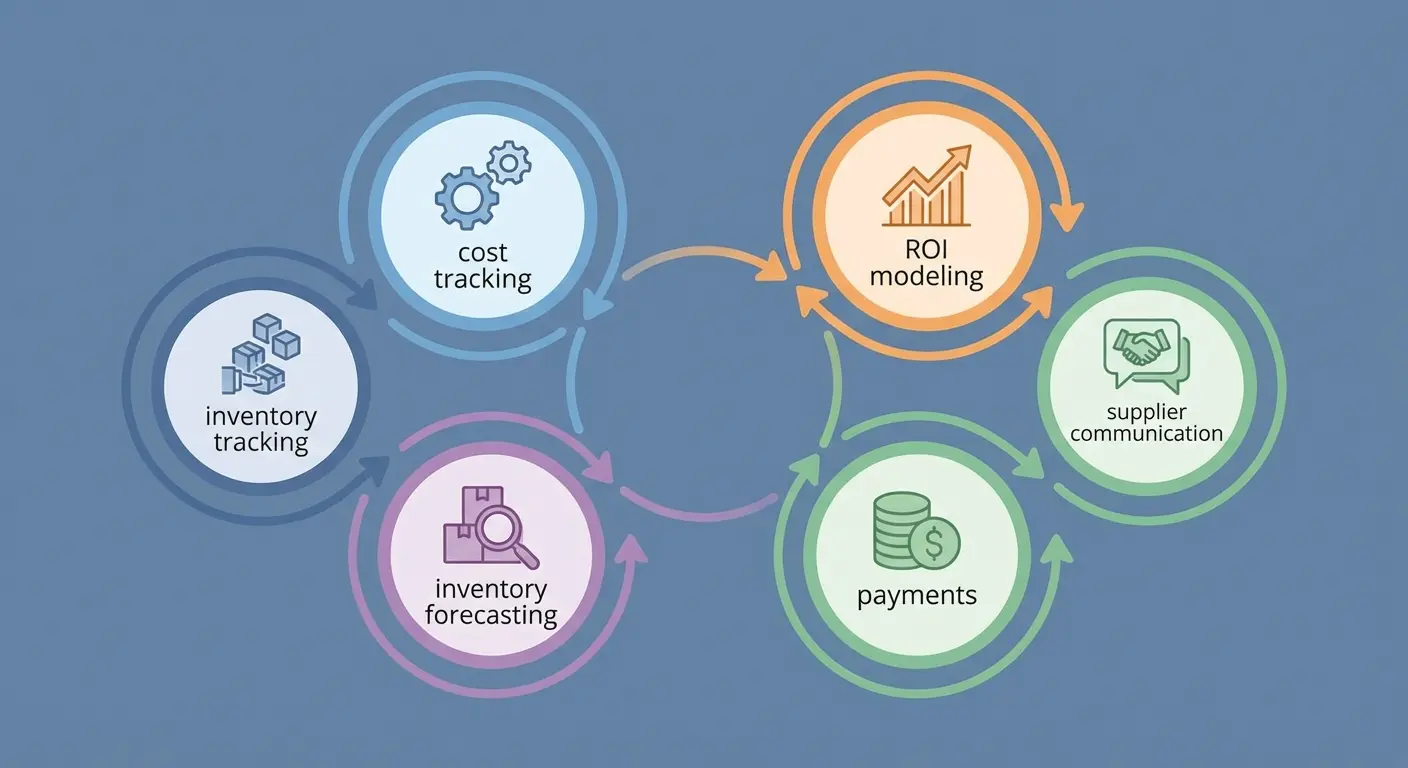
If you want Alibaba sourcing to become a durable advantage, structure it like a connected system:
Centralized cost tracking Use an amazon private label sourcing cost tracker that captures samples, tooling, inspections, packaging, freight, duties, and inbound delivery.
Integrated ROI modeling Automate amazon fba roi calculation from alibaba so reorder decisions reflect updated costs and fees, not old assumptions.
Supplier communication logs Use software to manage alibaba supplier communication so specs, carton details, and approvals are searchable and auditable.
Payment visibility Deploy amazon seller tools to track supplier payments so deposits, balances, and timelines do not get lost across SKUs.
Inventory forecasting tied to lead time Use amazon fba inventory management software for alibaba so production plus transit variability is reflected in stockout and reorder projections.
To go further, many teams add amazon fba supply chain management tools that connect demand planning to purchasing calendars, and they use automate amazon fba roi calculation from alibaba workflows so updated freight quotes flow straight into pricing and reorder reviews. For sellers with multiple forwarders or Incoterms, software to calculate ddp shipping to amazon fba can sit alongside FOB and EXW scenarios so landed-cost comparisons stay consistent.
To keep purchasing clean, amazon seller tools to track supplier payments should pair with tools to track alibaba sourcing costs for amazon so the money you send is tied to the units you receive. Some operators also maintain an amazon fba landed cost calculator software view per SKU so every shipment can be compared against plan versus actual.
If your current process relies on manual message searches, software to manage alibaba supplier communication will reduce confusion during disputes and change requests. If your goal is to track true profit margins sourcing from alibaba over time, connect landed cost to ad spend, refunds, and Amazon fees so profitability is measured on contribution, not hope.
For teams that need deeper sourcing visibility, tools to track alibaba sourcing costs for amazon can be complemented by amazon seller tools to track supplier payments and an amazon fba inventory management software for alibaba layer. Together, they form the operational backbone needed to track true profit margins sourcing from alibaba with less guesswork.
If you are evaluating automation, look for systems that can automate alibaba to amazon fba profit calculation and also maintain an audit trail. In practice, the strongest setups combine an amazon private label sourcing cost tracker, software to calculate ddp shipping to amazon fba for scenario planning, and amazon fba supply chain management tools to connect purchasing to inventory availability.
What to Remember Before Your Next Alibaba Order
Sourcing from Alibaba is not risky only because it is overseas. It is risky because it spans multiple cost layers and time delays that can distort profitability.
Before placing your next PO, pressure-test your process:
Do you know your current landed cost per unit, including freight and duties?
Are you modeling contribution margin, not just gross margin?
Can you simulate freight increases and see their effect on ROI?
Are supplier payments and production timelines centrally tracked?
Does your inventory forecast reflect real lead times, not optimistic ones?
Can you compare DDP versus FOB scenarios with clarity?
The sellers who scale sustainably are not the ones who find the cheapest factory. They are the ones who build tight financial visibility from Alibaba checkout to Amazon payout, using the right amazon fba landed cost calculator software, reliable tools to track alibaba sourcing costs for amazon, and processes that automate amazon fba roi calculation from alibaba without losing control of the underlying assumptions.