Amazon Brand Registry Service and Trademark Strategy

Olivia Reyes

Amazon Brand Registry Service: How Trademark Protection Actually Translates Into Sales
Have you ever fixed a listing hijacker, only to see another one attach two weeks later?
For many experienced sellers, the problem is not traffic or conversion. It is control. Without a registered trademark and access to the Amazon Brand Registry service, you are often limited to reactive support cases on your own ASINs. With it, you can move toward structured intellectual property enforcement, stronger listings, and more predictable conversion performance.

This article breaks down how Amazon trademark registration service, Brand Registry, and related tools like Amazon IP Accelerator help fit together. It also explains how they protect your catalog in real operational terms and when it makes sense to hire Amazon Brand Registry expert support or an Amazon seller trademark attorney.
Why a Registered Trademark Is the Real Gatekeeper on Amazon
At its core, Amazon Brand Registry is a verification program. Amazon generally relies on an active registered trademark, or an eligible pending application through approved channels, to determine who has brand authority for certain brand-level tools and protections.
A few definitions to align on:
Trademark A registered word mark, logo, or design that identifies the source of goods. In the U.S., trademarks are filed with the USPTO. Other countries use their own trademark offices.
Amazon Brand Registry service Amazon’s program that can grant enhanced brand controls to verified trademark owners, including brand content tools, brand storefront features, and IP reporting workflows.
Amazon intellectual property protection A broader category that includes trademarks, copyrights, patents, and Amazon’s internal enforcement tools such as Report a Violation and other brand protection mechanisms.
Scope clarification: Brand Registry is not a substitute for legal rights. It is a platform program that relies on trademark ownership and accurate brand use. If a trademark application is flawed, challenged, or ultimately refused, Brand Registry eligibility and enforcement leverage can be affected.
What Actually Changes After You Enroll in Brand Registry
A common expectation is that hijackers disappear. A more accurate expectation is that Brand Registry can shift leverage in your favor, if you use it consistently and keep brand data aligned.

1. Greater Control Over Listing Content
Brand-registered sellers often see stronger influence over key listing elements, especially for brand-owned ASINs. Title, bullets, images, and A+ Content can become easier to defend when edits conflict with brand identity or create customer confusion.
This matters for conversion. Clean titles, compliant claims, accurate imagery, and high-quality A+ Content often correlate with stronger conversion rates than shared-control listings where multiple sellers repeatedly overwrite attributes.
2. Access to A+ Content and Brand Store
These are not just aesthetic upgrades. They can influence:
Conversion rate
Average order value through cross-sells and bundles
Brand perception and trust signals
Advertising efficiency when traffic lands on more structured pages
Eligibility can vary by marketplace and account status, but a registered trademark is commonly the key requirement.
3. Structured IP Enforcement Tools
Brand Registry typically provides:
Report a Violation workflows
Brand-level visibility into potential infringing uses
Additional brand protection features that may vary by marketplace and brand history
If your goal is to protect Amazon listing from hijackers, these tools can become your operational center. Instead of arguing only about inaccurate content, you can report usage that appears to misuse your trademark or misrepresent brand origin.
Trademark-based reports are not guaranteed to remove every seller. Outcomes depend on evidence, Amazon policy, and whether the seller is offering genuine goods.
The Path From Trademark Filing to Brand Control
The process typically unfolds in stages. Each stage has its own risks.
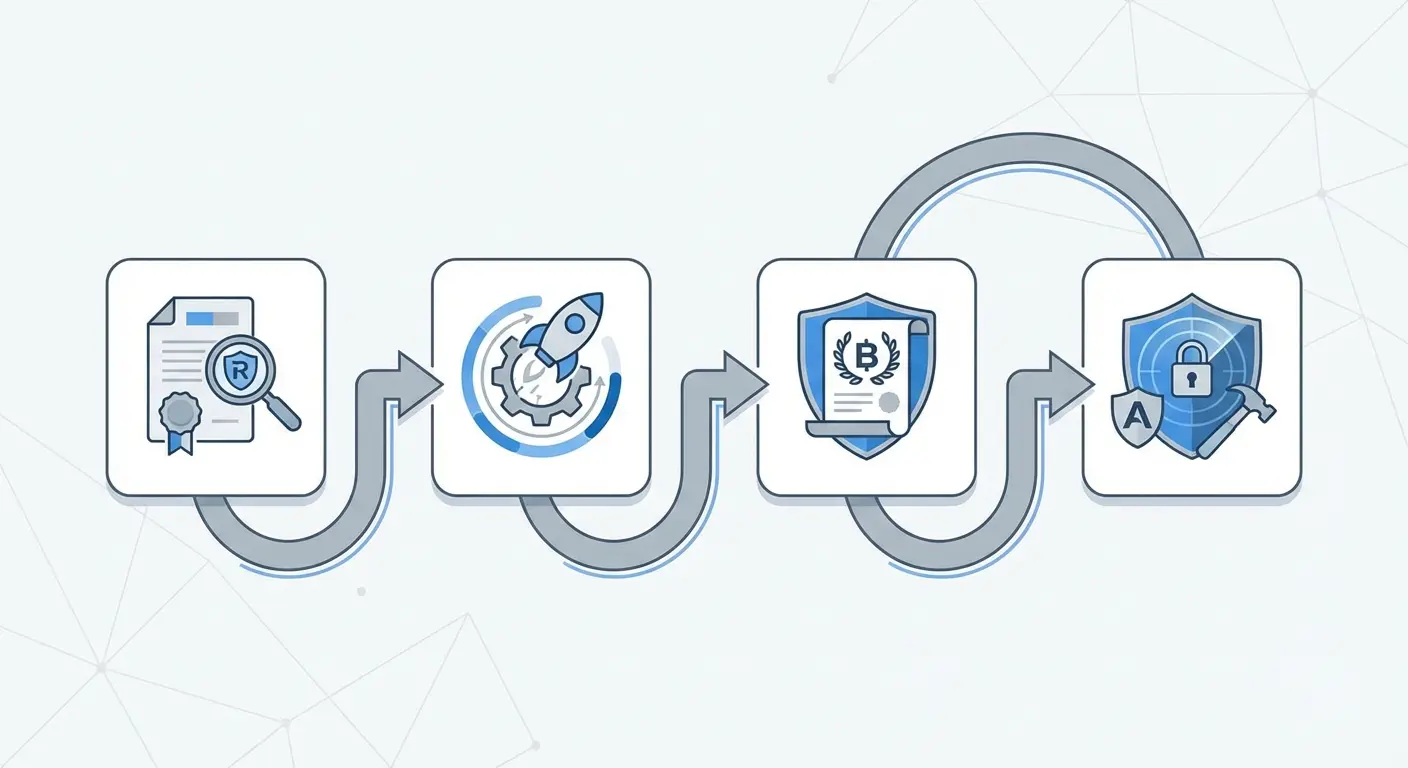
Stage 1: Filing the Trademark
You can file directly with the trademark office, use an Amazon trademark filing agency, or work with an Amazon seller trademark attorney.
At this point, a major risk is filing the wrong mark or filing it incorrectly. Common failure points include:
Choosing a highly descriptive name that is hard to register or enforce
Filing under incorrect classes, or misaligning goods descriptions with real use
Submitting specimens that do not match actual product packaging or sales pages
Overlooking similar existing marks that can trigger a likelihood-of-confusion refusal
If the mark is refused, opposed, or narrowed substantially, your Brand Registry timeline and enforcement options can be impacted.
Stage 2: Using Amazon IP Accelerator Help (Optional)
Amazon IP Accelerator connects sellers with law firms that Amazon has approved for that program. One advantage is speed. After filing through an approved firm, Amazon may allow earlier Brand Registry access based on a pending application, depending on eligibility and marketplace.
If you need to expedite Amazon Brand Registry process for a launch timeline, this can be strategically useful. It is still not a guarantee of registration. The trademark must survive examination, and if it does not, Brand Registry access tied to that application may be affected.
Stage 3: Brand Registry Enrollment
Once your trademark is registered, or eligible through IP Accelerator, you apply to Brand Registry. Amazon verifies ownership and brand details.
Mismatches between:
Trademark text
Seller Central brand name
Packaging or product labeling
Logo usage and brand presentation
can trigger delays or rejections. This is where teams often need to fix Amazon Brand Registry issues. The problem is frequently administrative, but it can block content control and enforcement.
Stage 4: Ongoing Enforcement and Monitoring
After enrollment, your job shifts from setup to maintenance:
Monitor new sellers offering your ASINs
Track unauthorized brand usage across listings
Respond to counterfeit or infringement signals with documentation
Keep packaging and brand presentation consistent with your trademark and Brand Registry profile
Brand Registry provides tools. It does not replace vigilance.
Case Scenarios: How This Plays Out in Real Seller Operations

Case 1: The Private Label Brand With Recurring Hijackers (Hypothetical)
A supplement seller sees multiple unauthorized sellers attach to new ASINs within 60 days.
Before Brand Registry:
Support cases can take time and may not stick
Listing changes can require repeated escalation
Bad actors may reattach frequently
After registering the trademark and enrolling:
Reports can be tied to trademark ownership and brand misuse
Repeat patterns may be easier to document and escalate
The seller builds a clearer enforcement record
Result: fewer hijacker cycles and more stable pricing and listing integrity. Sales impact is usually indirect through reduced disruption and better conversion stability.
Case 2: The Brand Launching With IP Accelerator (Hypothetical)
A home goods seller wants to launch with A+ Content and Sponsored Brands as early as possible.
They use Amazon IP Accelerator help through a participating firm. After the trademark application is filed, Amazon may grant earlier Brand Registry access if the application qualifies.
Operational benefit:
A+ Content can go live sooner
Sponsored Brands can point to a Brand Store sooner
Competitors have fewer opportunities to present your brand name as their own
The seller still needs a defensible name and proper trademark strategy. IP Accelerator improves timing, not fundamentals.
Case 3: The Seller Who Filed Alone and Needs Repairs (Hypothetical)
A seller files a word mark independently. Months later, the USPTO issues an office action citing likelihood of confusion.
Meanwhile:
Brand Registry enrollment is delayed or blocked
Copycats appear
A competitor files something similar
Now the seller hires an Amazon seller trademark attorney to respond. Costs increase, timelines extend, and enforcement remains limited until brand verification is resolved. In many cases, using an experienced Amazon trademark filing agency or attorney earlier reduces rework and risk.
Common Misunderstandings That Create Expensive Problems
“If the name is available as a domain, it’s safe as a trademark.”
Trademark conflicts are about likelihood of confusion, not exact match. Similar sound, meaning, or commercial impression can still create refusal risk.
“Brand Registry stops all resellers.”
Brand Registry helps address unauthorized brand presentation and infringement. It does not automatically block legitimate resellers offering genuine goods. If your distribution model allows resale, you also need a channel strategy, packaging controls, and documentation of material differences where applicable.
“I can slightly change my packaging after filing.”
Your trademark specimen must reflect real use, and Brand Registry verification can depend on consistent brand presentation. Significant changes after filing can create trademark prosecution issues and verification delays. When changes are necessary, align them with counsel and your Brand Registry profile.
“I only need this once I hit seven figures.”
Smaller brands are often more vulnerable because they have fewer resources and less historical enforcement. If the brand is intended to last, trademark and Brand Registry planning is usually easier earlier than later.
Where Brand Registry and Trademark Protection Reach Their Limits

No system is absolute. Understanding the edges prevents unrealistic expectations.
Parallel Imports and Genuine Goods
If a seller acquires authentic inventory and resells it, trademark claims alone may not remove them, depending on jurisdiction and whether there are material differences. Enforcement is typically stronger when you can document customer-relevant differences such as warranty coverage, packaging, inserts, or quality controls.
Weak or Descriptive Marks
Highly descriptive names are harder to enforce. Even with registration, your ability to block similar names can be limited. This is often a naming and positioning issue, not a Brand Registry issue.
International Marketplaces
Trademarks are territorial. A U.S. registration does not automatically cover the EU, UK, or Canada. Expansion plans should include marketplace-by-marketplace filings and brand presentation consistency.
Policy Compliance Still Applies
Brand Registry does not override Amazon’s product and listing policies. Listings can still be suppressed or accounts can still face enforcement actions for restricted products, unsafe claims, or other violations. IP enforcement and policy compliance are separate tracks.
When It Makes Sense to Hire an Expert
You may not need outside help for every brand. Certain signals suggest you should hire Amazon Brand Registry expert support or legal counsel:
You are building a long-term brand, not a short-cycle product
Your category is competitive or legally sensitive
You plan international expansion
You received an office action or anticipate a conflict
You face recurring counterfeit, infringement, or listing control problems
An Amazon seller trademark attorney can align the filing strategy with enforcement goals and marketplace realities. If you want a coordinated Amazon trademark registration service that matches how Amazon verifies brands, counsel can reduce preventable mistakes. When enrollment stalls, targeted support to fix Amazon Brand Registry issues inside Seller Central can help synchronize trademark details, packaging, and brand profiles.
If you prefer a full-service route, an Amazon trademark filing agency can manage the filing workflow, but you still need to verify that the provider is qualified and that the trademark strategy fits your catalog and expansion plans.
What This Means for Sales Growth

Brand Registry can affect revenue through four main levers:
Higher conversion rates from A+ Content and stronger brand presentation
Better ad performance through access to Sponsored Brands and Brand Stores where eligible
More stable Buy Box outcomes when disruption from bad actors is reduced
Stronger brand equity that can support price premiums over time
None of these are automatic. Without trademark registration and the Amazon Brand Registry service, many of these levers are harder to access or defend.
The Practical Takeaways for Serious Sellers
A registered trademark is the foundation. Brand Registry builds on it.
If you need speed, Amazon IP Accelerator help can shorten the path to earlier access in eligible cases, but the trademark still must be defensible.
Filing incorrectly can cost more than getting qualified help upfront, whether through an Amazon trademark filing agency or an Amazon seller trademark attorney.
Brand Registry improves your ability to protect Amazon listing from hijackers, but it still requires monitoring and disciplined enforcement routines.
Weak or descriptive brand names limit long-term enforcement power, even if registration is granted.
International expansion requires a trademark strategy by country and marketplace.
Think of Amazon intellectual property protection as part of your operating system, not a side project.
If your brand is meant to last beyond the next product cycle, trademark registration and the Amazon Brand Registry service are structural decisions. They determine whether you can consistently control your growth or spend your time reacting to other sellers.