Amazon CPC Control: Tools, Automation, Profit

Sarah Johnson

Is Your Amazon CPC Out of Control? A Practical Look at Tools, Automation, and Profit Discipline
If your CPC keeps rising but your profit per unit has not, you do not have a traffic problem. You have a control problem.
Most experienced sellers do not lose money because they do not understand Amazon ads. They lose money because their bid logic, margins, and automation stack are misaligned. When that happens, CPC drifts up, ACoS can look manageable in top-line reporting, and contribution margin erodes underneath.
This article breaks down what drives runaway CPC, how automated amazon ppc management fits in, when an amazon ppc optimization service makes sense, and how to choose tools to lower amazon cpc without sacrificing revenue.

Why CPC Becomes Dangerous Only When It Disconnects From Margin
Cost per click on Amazon is not inherently good or bad. A $2.50 click can be profitable. A $0.60 click can be unprofitable. The difference is math and intent.
At its core, CPC only matters in relation to:
Contribution margin per unit (after FBA fees, shipping, refunds, and other costs you attribute to the sale)
Conversion rate at the keyword and placement level
Your break-even ACoS
Your inventory position and cash flow tolerance
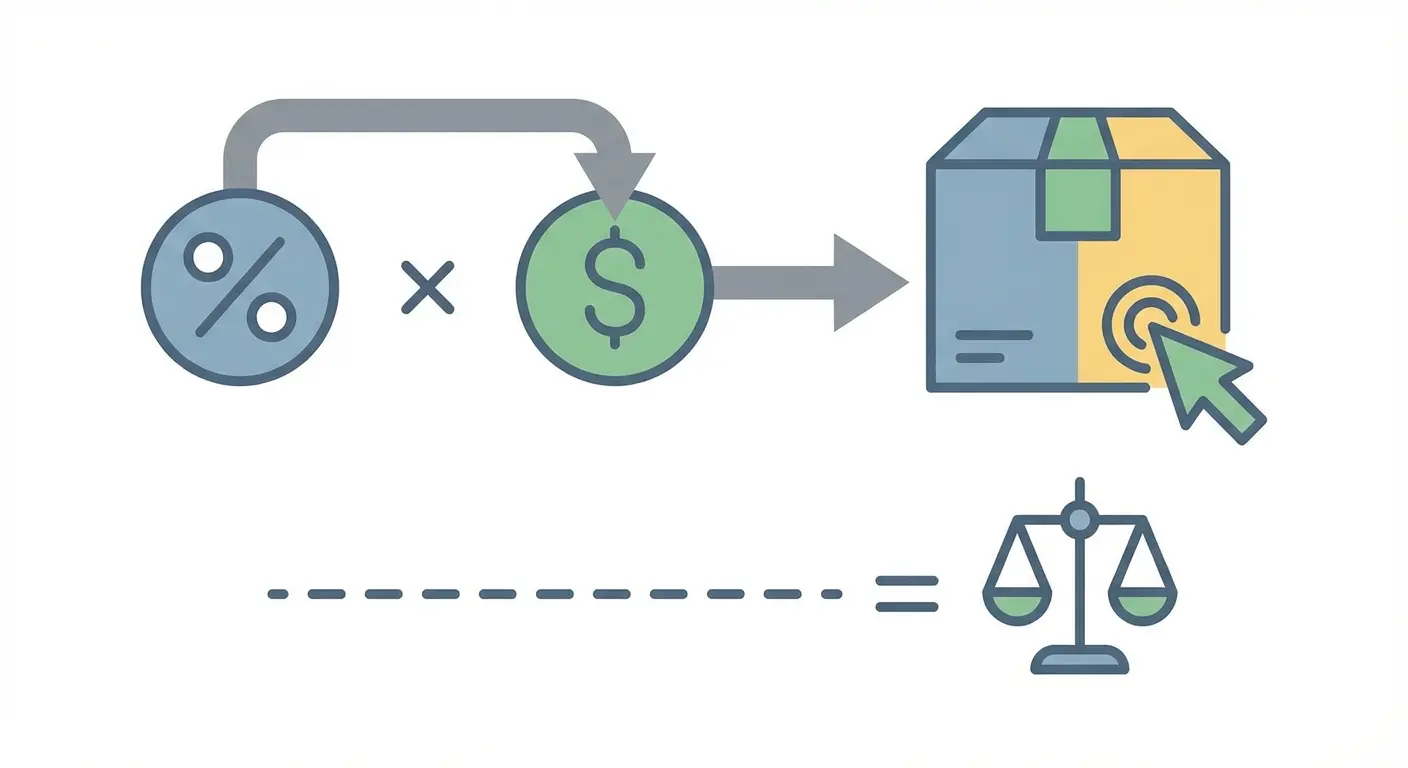
Many sellers monitor ACoS but ignore a break-even CPC estimate. A practical way to estimate it is:
Break-even CPC ≈ Conversion rate × Profit per unit
Example: if your conversion rate is 10% and your profit per unit is $12, your break-even CPC is roughly $1.20. Anything consistently above that needs a strategic reason, or it needs a structural fix.
This is where some amazon seller software for sponsored products falls short. It may optimize toward ACoS or ROAS targets, but it cannot optimize for true net profit unless your margin and cost inputs are accurate and kept current.
The real problem is not high CPC. It is high CPC without margin awareness.
What “Optimization” Actually Means in Amazon PPC
The phrase amazon ad campaign optimization service gets used loosely. In practice, optimization should cover four distinct layers:
Bid control (keyword, product target, and placement level)
Search term mining and pruning
Budget allocation across campaigns
Listing-level conversion improvements
Many tools handle layer one. Fewer handle layer two well. Listing work still requires human decisions and testing.
An amazon seller ad automation tool can adjust bids frequently. It cannot fix a weak main image that depresses click-through rate and forces you to overbid to stay competitive.
Similarly, a reduce amazon acos service may lower ACoS by cutting bids and budgets. That can work in some scenarios, but it can also reduce sales volume and slow organic momentum. The tradeoff should be made deliberately, not by default.
Optimization is not just about lowering CPC. It is about aligning:
Bids
Conversion rate
Profit margin
Growth objectives
Miss one of these, and performance drifts.
Where Automation Helps (and Where It Quietly Hurts)
Automation is valuable when used with clear constraints. It is risky when used as a substitute for strategy.

Where automation works well
Bid adjustments at scale If you are managing hundreds of SKUs, manual bid changes become impractical. amazon ppc bidding automation software can:
React to performance thresholds you define
Decrease bids when performance falls outside your targets
Increase bids when targets are consistently profitable
Rule-based budget reallocation Some amazon fba advertising software can shift budgets toward campaigns that are meeting your goals, which can reduce wasted spend in underperforming segments.
CPC monitoring across a portfolio An amazon cpc tracking and optimization service can help surface CPC inflation patterns by category, ASIN group, or placement, before it shows up clearly in a monthly P&L.
Where automation causes problems
It optimizes to the wrong KPI If a system is optimizing to a target ACoS without margin inputs, it can push spend into high-volume, low-margin traffic that looks fine in ad console metrics but underperforms in contribution profit.
It overreacts to short-term data Attribution timing and purchase cycles vary by category and price point. Automation can cut bids too quickly when conversion lags.
It hides structural issues If campaigns are poorly segmented, automation scales the mess faster.
Automation is leverage. If the underlying campaign structure is flawed, leverage multiplies the flaw.
Choosing Between Software and a Service
Sellers often ask whether they need the best amazon cpc management software or an amazon ppc optimization service. The answer depends on internal capability, SKU complexity, and how quickly your costs and prices change.

When software makes sense
Use amazon sponsored ads management software when:
You understand campaign structure deeply.
You can interpret search term reports and act on them.
You have clear break-even targets by SKU.
You want execution speed, not outsourced strategy.
In this case, tools to lower amazon cpc function as execution engines. You set the logic. The system enforces it.
If you want tighter controls, look for an amazon advertising cost reduction tool that supports product-level inputs and placement-level rules, not just account-wide targets.
When a service makes sense
An amazon seller central ad service or amazon ad campaign optimization service is appropriate when:
Your catalog is large and heterogeneous.
Margins vary significantly by SKU or pack configuration.
You lack time to audit search term drift and targeting overlap.
You need restructuring, not just bid tweaks.
A strong amazon ppc optimization service should do more than bid changes. It should pressure-test your:
SKU-level expansion strategy
Branded versus non-branded allocation
Placement multipliers
Launch sequencing and throttling
If you are evaluating an amazon ppc optimization service provider specifically, confirm how they handle brand safety, budget controls, and account access. Any partner should operate within Amazon policy and inside your Seller Central and advertising permissions.
Practical Patterns That Actually Lower CPC
Most sellers focus on bid reduction. That is often the least durable lever. More stable CPC control comes from structural improvements.
1. Segmentation Before Automation
Expectation: automation will sort it out. Reality: mixed-intent campaigns inflate CPC and muddy learning.
Separate:
Branded versus non-branded
High-intent exact versus exploratory broad
Hero SKUs versus low-margin SKUs
amazon seller software for sponsored products performs better when campaigns are tightly themed, targets are consistent, and negatives prevent internal competition.
2. Placement Multipliers With Restraint
Placement adjustments can significantly increase effective CPC. Before increasing base bids, evaluate:
Top-of-search conversion rate versus rest-of-search
Profit per order by placement
Whether organic rank already covers key placements for core terms
Sometimes the cleanest amazon advertising cost reduction tool is simply resetting aggressive placement multipliers that no longer match margin reality.
3. Listing Conversion as a CPC Lever
Higher conversion rate raises your break-even CPC ceiling. That gives you more auction flexibility.
Improving:
Main image clarity and compliance
Price positioning relative to your category
Review quantity and rating, within Amazon’s policies
can reduce your effective CPC over time because stronger CTR and CVR typically improve auction efficiency.
software to optimize amazon profit margins should not be isolated from listing improvements. Ads and listing performance operate as one system.
Short Case Scenarios
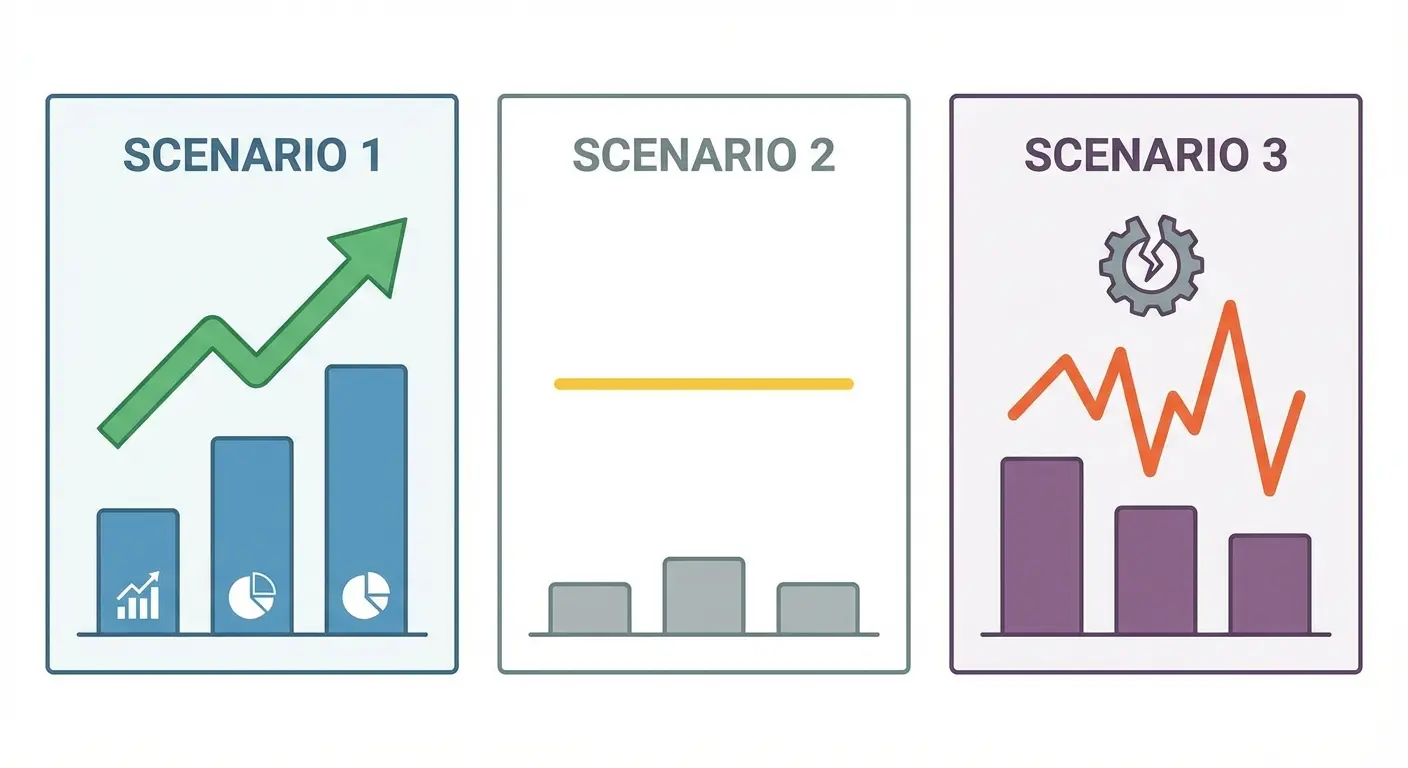
Case 1: High CPC, Still Profitable
Hypothetical: a supplement brand sees $2.10 CPC in a competitive niche. Conversion rate is 18%. Profit per unit is $14.
Break-even CPC is roughly $2.52.
In this case, a reduce amazon acos service focused purely on lowering bids could reduce profitable scale. The better move is often budget expansion with disciplined search term control and clear guardrails.
High CPC is not automatically the problem. Misreading it is.
Case 2: Low CPC, Negative Contribution
A private label home product averages $0.75 CPC. Conversion rate is 7%. Profit per unit is $6.
Break-even CPC is about $0.42.
Here, even cheap clicks can be unprofitable. tools to lower amazon cpc must be paired with listing improvements and, in some cases, pricing or cost changes. Automation alone cannot fix margin math.
Case 3: Automation Without Guardrails
A mid-sized brand implements amazon ppc bidding automation software targeting 25% ACoS across all SKUs.
High-margin SKUs could tolerate 40% ACoS. Low-margin SKUs required 18%.
The system pushes volume into lower-margin items because they convert steadily at 25%. Net profit stagnates despite stable ACoS.
The missing layer was SKU-level margin logic, plus rules that respect different lifecycle stages.
Common Misunderstandings About CPC Control
“If I lower bids, I lower CPC.” Lower bids can reduce impressions before they meaningfully reduce average CPC, especially in competitive auctions.
“Automation replaces human oversight.” It replaces repetitive execution. It does not replace judgment.
“A single target ACoS works across the account.” Different SKUs have different margins and lifecycle stages. One target simplifies reporting but can distort decisions.
“Seasonal CPC spikes mean something is broken.” During peak events, auction density rises. Maintaining presence at higher CPC can be rational if your margins, inventory, and cash flow support it.
Where Even Good Systems Break
No amazon fba advertising software fully solves these edge cases without configuration and oversight.
Inventory constraints If you are low on stock, automation may keep pushing profitable keywords until you stock out. Bid throttling should reflect inventory, replenishment lead times, and your in-stock rate goals.
Product launch windows During launch, intentionally higher CPC can be a strategic choice for discovery and early sales velocity. Tools designed as tools to lower amazon cpc can fight this unless you configure launch exceptions.
Attribution lag Longer consideration cycles can distort short-term ACoS and CPC logic. Automation may cut bids prematurely if your evaluation window is too short.
What Actually Works Long-Term
Sustainable CPC control is not about finding the best amazon cpc management software. It is about building a feedback loop that connects:
Real margin data
Clean campaign structure
Controlled automation
Regular search term pruning
Listing conversion improvements
Whether you run this in-house or use an amazon seller central ad service, insist on SKU-level visibility. Aggregate metrics hide structural bleed.
When evaluating an amazon advertising cost reduction tool, ask:
Does it support SKU-level break-even inputs?
Can you control placement logic separately from keyword bids?
How does it treat low-data keywords and new targets?
Does it make search term migration and negatives easy to audit?
If the answer is unclear, the tool may be optimizing for simplicity, not profitability.
Teams that prefer a platform-led approach often combine best amazon cpc management software with amazon cpc tracking and optimization service features for reporting discipline. Others lean on an amazon ppc optimization service or a reduce amazon acos service, then standardize internally once the account is structurally clean.
For sellers with heavy Sponsored Products reliance, amazon seller software for sponsored products plus an amazon seller ad automation tool can be enough, but only if your inputs are accurate. If you want a more integrated stack, compare amazon sponsored ads management software options against an amazon ppc optimization service model. The right choice depends on whether you need strategy, execution, or both. For larger catalogs, automated amazon ppc management using an amazon seller ad automation tool can reduce operational drag, and an amazon ppc optimization service can handle restructuring.
If you are selecting a platform, validate whether it qualifies as amazon fba advertising software, whether it behaves like an amazon ad campaign optimization service, and whether it integrates an amazon ppc optimization service workflow. If your priority is profit protection, confirm the platform functions as software to optimize amazon profit margins, not just a dashboard.
Some organizations also outsource execution to an amazon ppc optimization service that operates as an amazon ppc optimization service plus an amazon ppc optimization service layer for audits. If you go that route, make sure your amazon ppc optimization service includes documentation, change logs, and controls aligned to your margin targets. If you use a hybrid, pairing an amazon ppc optimization service with amazon sponsored ads management software can preserve speed while adding guardrails.
To push CPC down sustainably, look for tools to lower amazon cpc that include an amazon advertising cost reduction tool module, tools to lower amazon cpc reporting, and either best amazon cpc management software governance or a reliable amazon cpc tracking and optimization service.
Practical Takeaways for Sellers Managing Rising CPC
Define break-even CPC at the SKU level before touching bids.
Segment campaigns by intent and margin profile before turning on automation.
Use automated amazon ppc management as an execution engine, not a strategy substitute.
Audit placement multipliers quarterly. They can quietly inflate CPC.
Treat listing conversion rate as part of your CPC strategy.
Avoid single account-wide ACoS targets unless margins are truly uniform.
Monitor CPC trends alongside inventory levels and lifecycle stage.
CPC is rarely out of control on its own. It drifts when systems drift.
Control the system, and CPC becomes a variable you manage, not a metric that surprises you.
If you are comparing vendors, ask whether they operate as an amazon ppc optimization service, an amazon ppc optimization service with an amazon ppc optimization service audit cadence, or a pure software stack. At the software layer, check whether you are getting best amazon cpc management software capabilities, an amazon seller ad automation tool, and amazon ppc optimization service grade controls. For cost pressure, confirm you have an amazon advertising cost reduction tool, plus tools to lower amazon cpc reporting that supports placement and search term decisions. For execution at scale, validate the product is amazon ppc bidding automation software, supports automated amazon ppc management rules, and can function as amazon seller software for sponsored products without forcing a one-size-fits-all ACoS. For broader management, ensure the platform truly qualifies as amazon sponsored ads management software or amazon fba advertising software, and if you outsource, ensure the partner is an amazon seller central ad service that can operate within your permissions and processes.