Amazon Dropshipping 2026: Start Safe, Build Long-Term

Olivia Reyes

Amazon Dropshipping in 2026: How to Start Safely and Build Something That Actually Lasts
If your Amazon dropshipping plan only works when suppliers ship perfectly, prices never move, and customers never ask for returns, it is not a business model yet. It is a spreadsheet. The real question is not just how to start dropshipping on amazon safely, but whether you can build a version of it that survives Amazon’s policy standards, supplier mistakes, and thin margins long enough to become a real income stream.
Why Amazon dropshipping still attracts sellers, and why it burns many of them
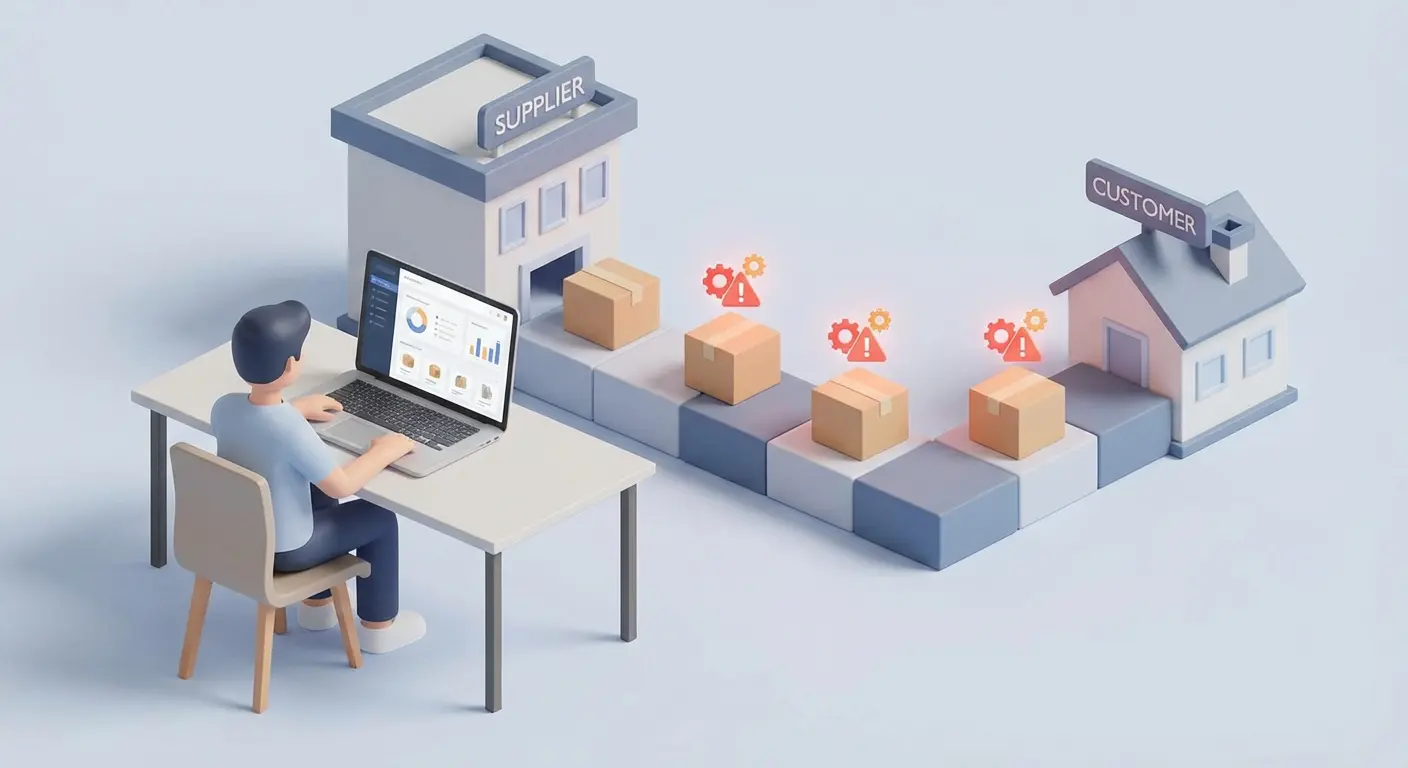
Amazon dropshipping is simple in concept: you list products on Amazon, a customer buys, and a third-party supplier ships the order directly to the customer. You typically operate under Merchant Fulfilled (FBM) rather than FBA.
That simplicity is also what causes confusion. Many sellers hear “dropshipping” and assume any retail source or wholesaler can fulfill Amazon orders on their behalf. That is where policy problems start. Amazon permits dropshipping only when you follow its dropshipping policy requirements, including being the seller of record and ensuring the customer experience does not appear to come from another retailer.
That is the heart of the issue behind questions like is amazon dropshipping legal in 2026 and amazon dropshipping policy 2026 updates. In general, dropshipping can be allowed on Amazon, but only when it is run in a way that complies with Amazon’s seller-of-record expectations and other marketplace policies. Amazon’s focus is the customer experience and clear seller accountability, not the existence of third-party fulfillment by itself.
Experienced sellers should think of Amazon dropshipping as a fulfillment model with compliance risk, not as a shortcut around operations.
The rule that matters most: seller of record means more than listing the product
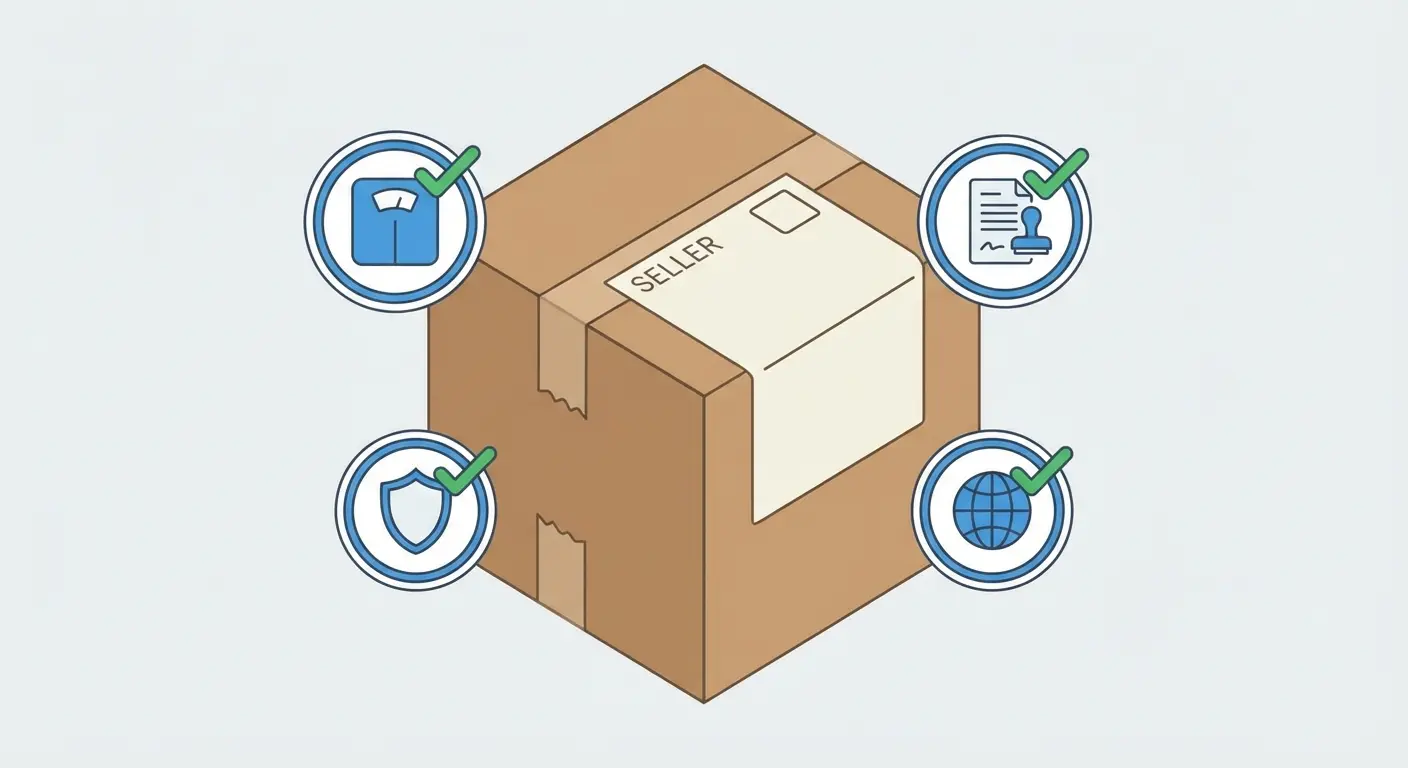
The safest way to understand amazon dropshipping requirements for professional sellers is this: if anything in the order experience suggests someone else sold the item to the customer, you are exposed.
In practice, that usually means your supplier must support all of the following:
Packing slips and external packaging that identify you, not them, as the seller
No third-party logos, promotional inserts, or retailer branding
Reliable tracking uploaded quickly enough to protect your on-time and valid tracking metrics
Predictable stock feeds, so you do not keep selling items that are unavailable
A clear process for customer issues and returns that does not push the buyer to deal directly with the supplier
This is why dropshipping from walmart to amazon rules gets so much attention. Fulfilling Amazon orders by buying from another retailer is a common way sellers end up violating the seller-of-record requirement. If a customer receives Walmart-branded packaging, a Walmart receipt, or paperwork that makes clear the order came from Walmart rather than from you, that can trigger complaints, refunds, A-to-z claims, and enforcement actions. Even when a workaround seems possible operationally, the risk is high because you do not control packaging, stock consistency, cancellations, or substitution behavior.
If your supplier relationship starts with “Can you remove your branding and use my seller details on all order documents?” and they hesitate, move on.
How to start Amazon dropshipping safely without building on a weak foundation
The common advice is to open a seller account, list products, and connect a supplier. That is mechanically true, but it skips the part that determines whether the model is usable at scale.
Start with category and product suitability, not with “what is trending.” The best dropship products are usually those with stable specs, lower damage risk, lower counterfeit risk, and manageable return complexity. Products with sizing variance, frequent defects, compatibility questions, or serial-number issues create customer service load that dropshipping handles poorly.
When deciding how to start dropshipping on amazon safely, build your sequence like this:
Choose products that tolerate reduced control
Because you do not touch the inventory, you lose the ability to catch issues before shipment. Products requiring inspection, prep, bundling accuracy, or condition grading are often a bad fit unless your supplier can execute those steps reliably. Commodity products can work, but they are often margin-compressed. Specialized replacement parts, niche accessories, or hard-to-source business-use items can hold up better when supplier quality is consistent.
Vet suppliers like an operations partner, not a catalog source
finding reliable suppliers for amazon dropshipping matters more than product research. A mediocre product with a disciplined supplier can outperform a hot product with a chaotic one.
Ask operational questions first:
Can they ship without their branding?
Can they use your packing slip or neutral documentation?
How often is inventory updated?
What are their same-day and next-day cutoffs?
How do they handle damaged shipments?
Can they provide invoices that support authenticity if Amazon requests sourcing documentation?
Do they accept returns, and under what conditions?
A supplier who is slow to answer basic fulfillment questions will usually be worse after you start sending orders.
Build listing logic around real lead times, not best-case lead times
Do not publish optimistic handling times just because the supplier claims they ship fast. Use your observed average plus buffer. On Amazon, late shipment rate, cancellations, and valid tracking performance are not abstract metrics. They can directly affect Account Health.
Expectation vs reality:
Expectation: “The supplier says most orders go out within 24 hours.” Reality: weekend cutoff behavior, stock mismatches, and address issues count too.
Plan cash flow before you scale SKUs
Dropshipping feels asset-light until payout timing, returns, and supplier prepayment hit at once. You may pay suppliers immediately while Amazon disburses funds later. If a product category has high average selling prices, working capital can become the bottleneck long before account growth does.
amazon dropshipping vs fba for beginners, and for sellers who already know better
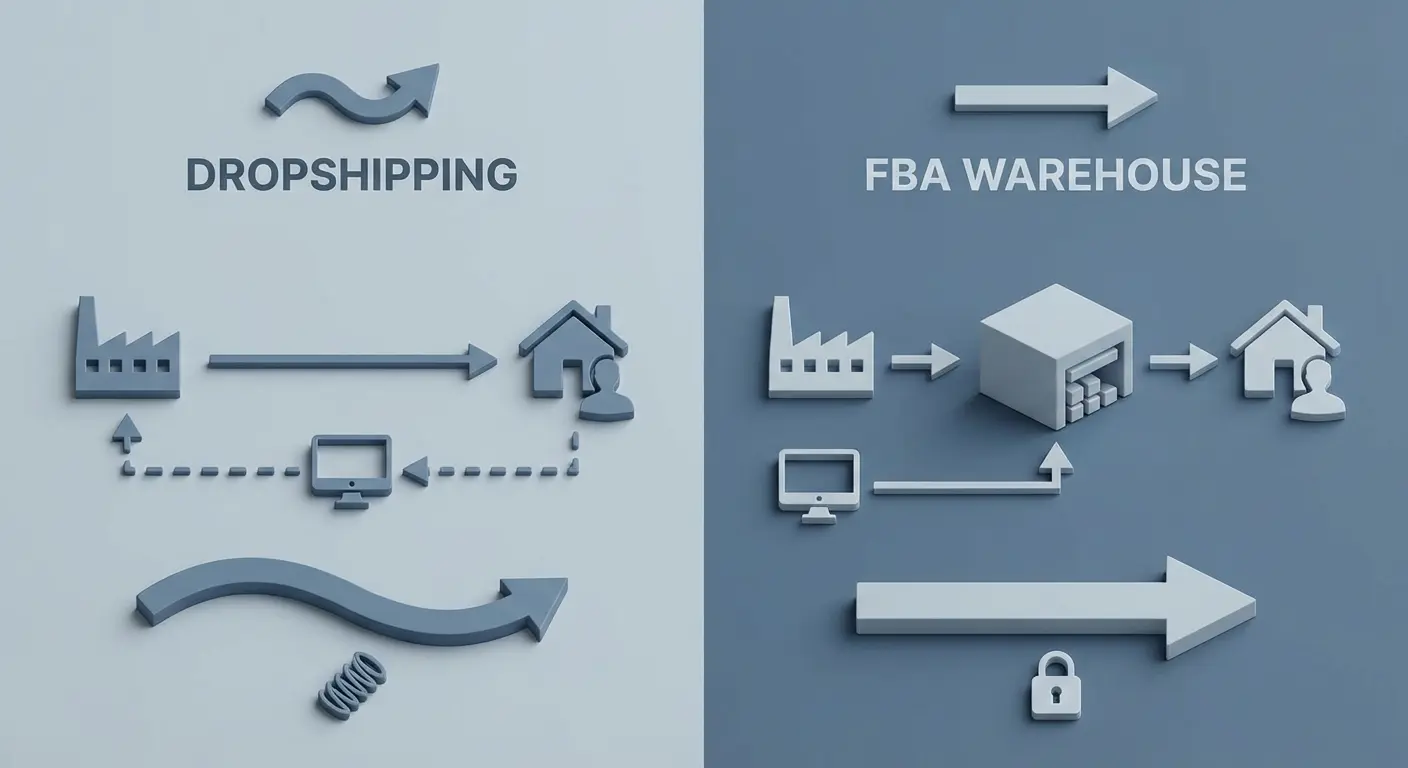
amazon dropshipping vs fba for beginners is a useful framing, but the more practical comparison is control versus flexibility.
FBA often provides stronger delivery performance, Prime eligibility, and less day-to-day fulfillment labor. In return, you commit capital to inventory and take on storage fees, prep requirements, and inbound planning.
Dropshipping provides catalog flexibility and lower upfront inventory exposure. In return, you accept weaker fulfillment control, more sensitivity to supplier mistakes, and thinner defensibility unless you have supplier access others do not.
For experienced sellers, the choice is usually SKU-specific.
Dropshipping tends to make more sense when:
The SKU is expensive or risky to stock in depth
Demand is proven but inconsistent
The item is oversized, specialized, or slow-moving
You have supplier terms that competitors do not
FBA tends to make more sense when:
Conversion depends heavily on Prime speed
The SKU has repeat demand and stable velocity
Returns and customer experience benefit from Amazon’s infrastructure
You need stronger Buy Box competitiveness
A useful decision rule: if the SKU wins mainly because of delivery speed and conversion trust, FBA usually has the structural advantage. If it wins because of access, assortment breadth, or low inventory risk, dropshipping can still be viable.
The niches that usually hold up better in 2026
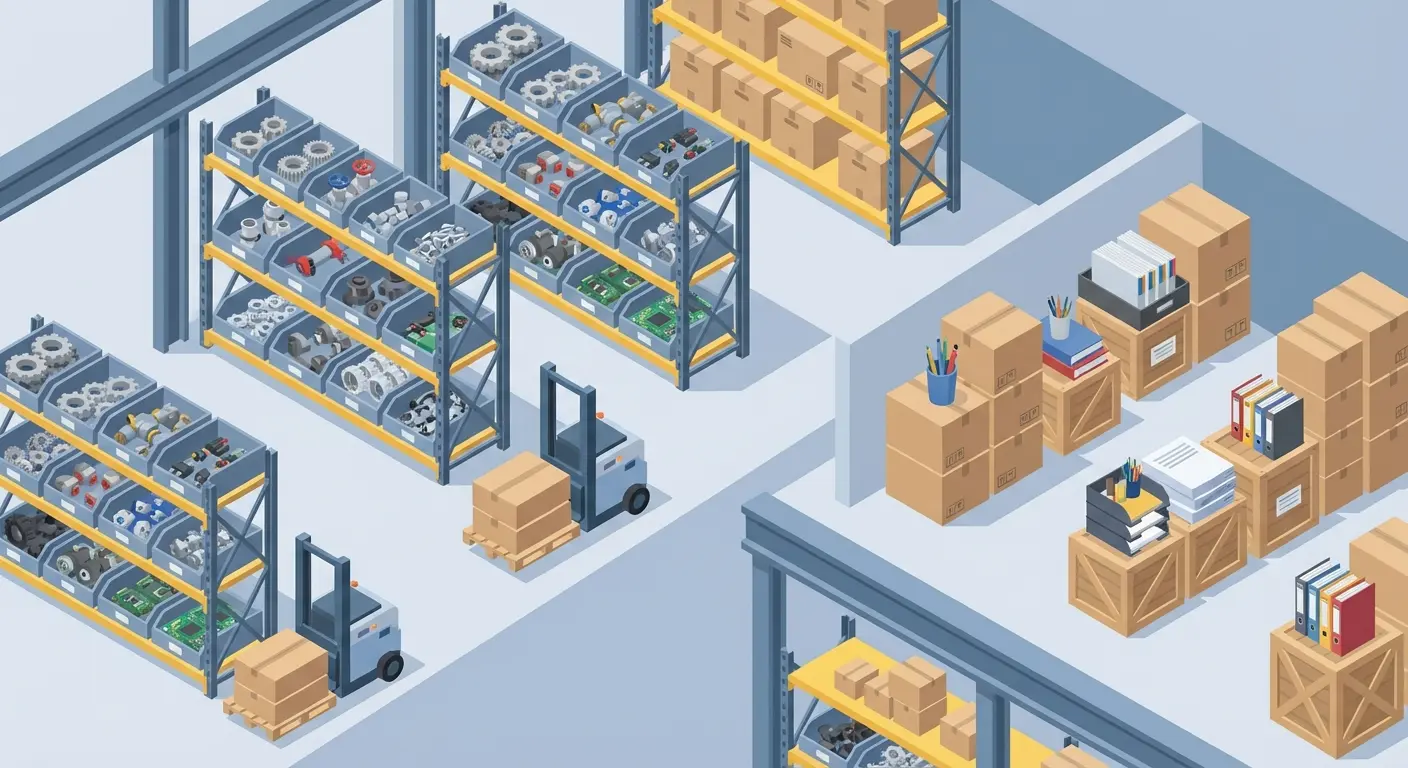
When sellers ask about the best niches for amazon dropshipping 2026, they often want a product list. A better answer is to look for niche characteristics.
Better dropshipping niches on Amazon usually have some mix of these traits:
Fragmented demand rather than winner-take-all hero SKUs
Lower brand sensitivity, unless you are authorized
Modest return rates
Technical or replacement-driven purchase intent
Products customers will wait a bit longer to receive
Lower odds of variation abuse, counterfeits, or condition disputes
Hypothetical examples include niche industrial supplies, specialty hardware, certain office replenishment items, B2B accessories, and less trend-sensitive home improvement components. These are not guaranteed winners. They simply align better with the constraints of dropshipping than fashion, seasonal impulse buys, or fragile products with high defect visibility.
A practical filter helps: ask whether a buyer would still purchase if delivery is slower than Prime but the product is clearly the right fit. If the answer is no, your margin has to absorb a price discount large enough to offset slower shipping, and many SKUs fail that test.
Returns, refunds, and invoice handling are where many sellers quietly lose money
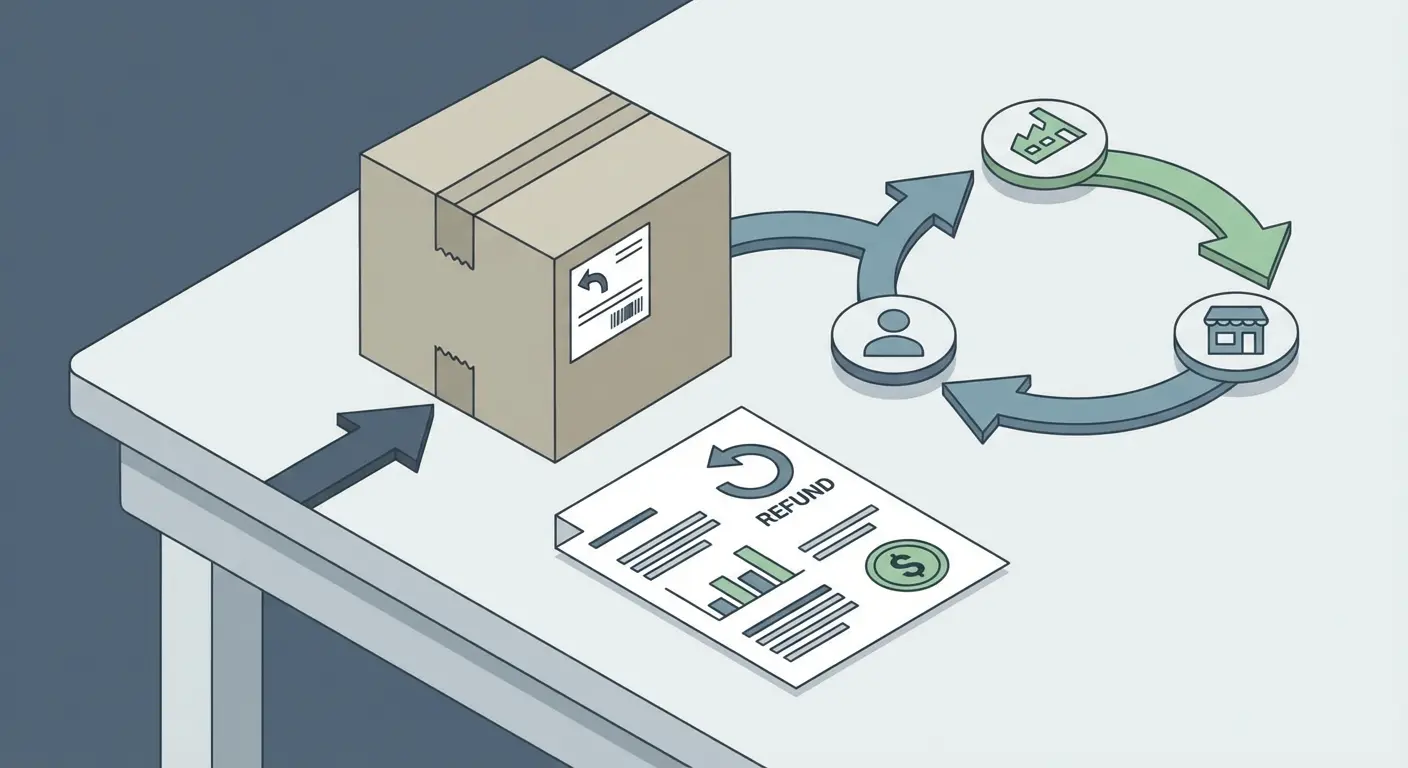
Most guides underweight post-order operations. That is a mistake. managing amazon dropshipping returns and refunds is often harder than generating the original sale.
Returns create three separate problems:
Customer expectations on Amazon are fast and standardized
Your supplier may have its own return window, restocking fee, or refusal conditions
The item may come back damaged, incomplete, or to the wrong location
The cleanest setup is to define return flow before listing the SKU. Decide whether returns go to you, to a 3PL, or directly to the supplier. Then compare that process against Amazon’s customer-facing expectations. If your supplier’s return policy is tighter than what Amazon customers typically expect, model that cost into your margins now.
The same goes for how to handle invoices for amazon dropshipping. Invoices matter for at least three reasons: sourcing documentation requests, supplier accountability, and internal recordkeeping. You want procurement documentation that can support product authenticity and a legitimate supply chain if Amazon asks questions about where inventory was obtained.
Separately, ensure the buyer-facing paperwork and packaging remain consistent with the seller-of-record requirement. Sellers get into trouble when they assume any invoice or receipt can be included in the shipment. Retail receipts or third-party seller documents in the box are a common trigger for complaints and policy scrutiny.
Automation helps, but bad automation just scales account risk
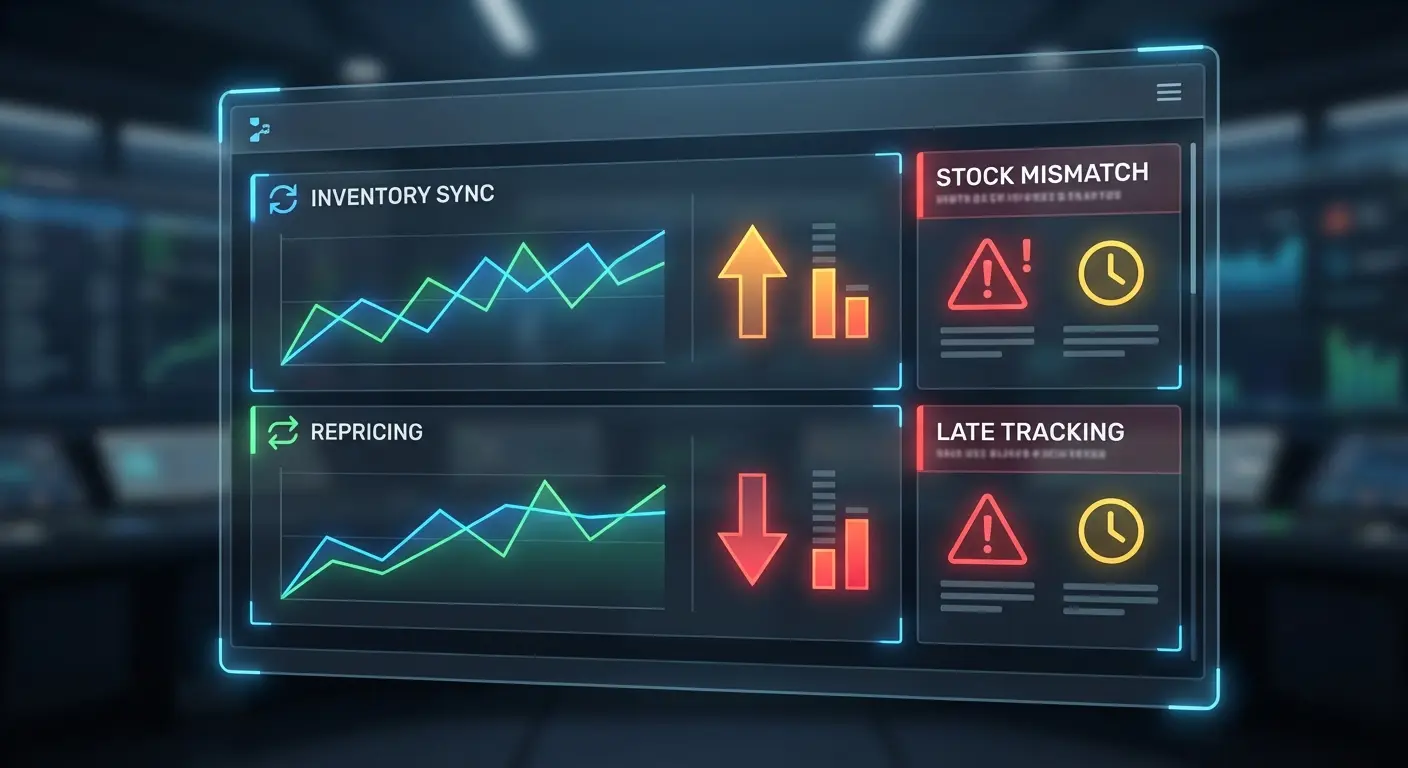
amazon dropshipping automation tools for sellers can be useful for inventory syncing, repricing, routing orders, and tracking uploads. The problem is that many sellers use automation to avoid building operational controls.
Good automation reduces delay between supplier stock changes and your Amazon listings. It can help prevent oversells, route orders faster, and keep tracking synchronized.
Bad automation creates failure chains:
Supplier feed lags, but your listing stays active
Price changes are imported too slowly, and your margin disappears
Orders route automatically to a supplier who is already backordered
Tracking is uploaded, but carrier scans are delayed, harming your metrics anyway
Use automation as a monitoring layer and a labor-saving layer, not as a substitute for supplier management. Watch exceptions first: stock mismatches, late tracking, cancellation spikes, and return reasons by supplier.
If one supplier drives a disproportionate share of buyer messages, A-to-z claims, or late deliveries, that supplier is not a sourcing asset. It is an account health liability.
Three short scenarios that show what works, and what breaks
Case 1: The compliant wholesale partner
A seller sources specialized replacement components from a domestic distributor. The distributor updates stock regularly, ships in neutral packaging, and includes the seller’s packing slip. Lead times are not Prime-fast, but buyers are purchasing for fit and availability, not impulse. This is one of the cleaner implementations of Amazon dropshipping because supplier behavior supports the seller-of-record requirement.
Case 2: The retail source shortcut
A seller lists popular household products and fulfills orders by buying from a big-box retailer after each sale. Sometimes orders arrive in branded boxes. Sometimes receipts are included. Sometimes the retailer cancels because stock changed before checkout. This setup may generate early sales, but it is fragile, and it often turns avoiding amazon account suspension for dropshipping into the seller’s core operational problem.
Case 3: The hybrid model that matures
A seller tests niche SKUs through dropshipping, identifies a subset with stable sales and acceptable return rates, then moves only those winners into FBA. This is often a sensible long-term use of dropshipping on Amazon: a low-inventory testing and catalog expansion layer, not a permanent answer for every SKU.
The most common misconceptions sellers bring into this model
One misconception is that legality equals safety. A model can be permitted in principle and still be fragile in execution.
Another is that any supplier can be made compliant if you ask. In reality, many suppliers are not built for marketplace drop shipping. They may be excellent wholesalers but weak direct-to-consumer fulfillment partners.
A third is that lower startup cost means lower business risk. Financial risk may be lower on inventory, but account risk can be higher because you depend on a third party for the metrics Amazon measures.
A final misunderstanding is that dropshipping is easiest at scale. Often the opposite is true. More SKUs and more suppliers create more failure points unless your feeds, SOPs, and exception handling mature first.
Where this model breaks, even when you do many things right
The biggest limit is control. You can write better SOPs, use better software, and negotiate better supplier terms, but you still do not control pick-pack-ship the way you would with FBA or your own warehouse.
Another limit is margin structure. Amazon fees, shipping costs, return leakage, and price competition can leave little room for error. This is especially true when competing on mainstream consumer products where Prime sets customer expectations.
There are also category-specific edge cases. Certain products carry higher authenticity scrutiny, hazmat rules, serial-number expectations, or high damage rates. Those categories can be poor matches for dropshipping even when the supplier is strong.
International fulfillment adds complexity. Cross-border lead times, customs delays, and tracking quality can make an already sensitive model harder to run without defects.
Finally, enforcement can tighten in practice around documentation, order defects, or customer experience signals. Monitoring amazon dropshipping policy 2026 updates is part of operating conservatively, along with testing processes before scaling.
What deserves your attention first
If you want Amazon dropshipping to become a real income stream rather than a temporary experiment, focus on the parts most sellers postpone:
Pick suppliers before products, and reject any supplier who cannot support seller-of-record compliance.
Treat fulfillment metrics as strategy, not back-office admin.
Use dropshipping where it has a structural reason to exist, not just because inventory is expensive.
Build return and documentation processes before the first order, not after the first complaint.
Use automation to catch exceptions early, not to hide weak operations.
Consider a hybrid path where dropshipping validates demand and FBA takes over proven SKUs.
Avoid retail-source fulfillment setups that leave packaging, receipts, or customer experience outside your control.
Amazon dropshipping can work in 2026, but it is not a hack. It is a tightly managed fulfillment model with very little room for sloppiness.