Amazon FBA Packaging Strategies to Lower Fees

Sarah Johnson
Innovative Amazon FBA Packaging Solutions That Actually Lower Fees (Without Creating New Problems)
Have you ever run your ASIN through the amazon fba fulfillment fee calculator and realized a single inch in package height is costing you more than your PPC optimization saved last month?
Most experienced sellers know packaging matters. Fewer treat it as a lever that can materially change margins. The gap usually shows up in size tier jumps, dimensional weight surprises, and “unplanned service” charges that only get noticed during a periodic audit.
This article looks at innovative Amazon FBA packaging solutions through a practical lens: how to reduce amazon fba packaging costs without creating compliance risk, higher return rates, or operational friction.
The Real Decision: Packaging as a Margin Lever, Not a Design Exercise
What you are really deciding is this:
Should you redesign, re-engineer, or operationally manage your packaging to optimize for lower FBA fees and fewer hidden charges, while staying compliant with amazon fba packaging requirements 2026 and protecting the product?
For established sellers, this is rarely about aesthetics. It is about:
Staying inside a lower size tier
reduce dimensional weight for fba
Avoiding oversize classification
Minimizing pick and pack fees
Reducing prep errors and inbound defects
Preventing incorrect weight and dimension charges
The trap is treating packaging purely as a cost center. In reality, it intersects with:
fba pick and pack fee calculator projections
Storage fees, including seasonal and tier-based differences
Inbound shipping density
Return rates and damage claims
Eligibility for programs like amazon ships in product packaging sipp program
A packaging decision that lowers dimensional weight but increases breakage is not a win. Likewise, ultra-protective packaging that bumps you into the next size tier can quietly erase margin.
The goal is not “smallest possible package.” It is the lowest total cost per sellable unit under real-world conditions.
What Actually Matters Most (Ranked by Financial Impact)
Not all packaging optimizations are equal. Here is how seasoned sellers typically prioritize.
1. Size Tier Thresholds and Dimensional Weight
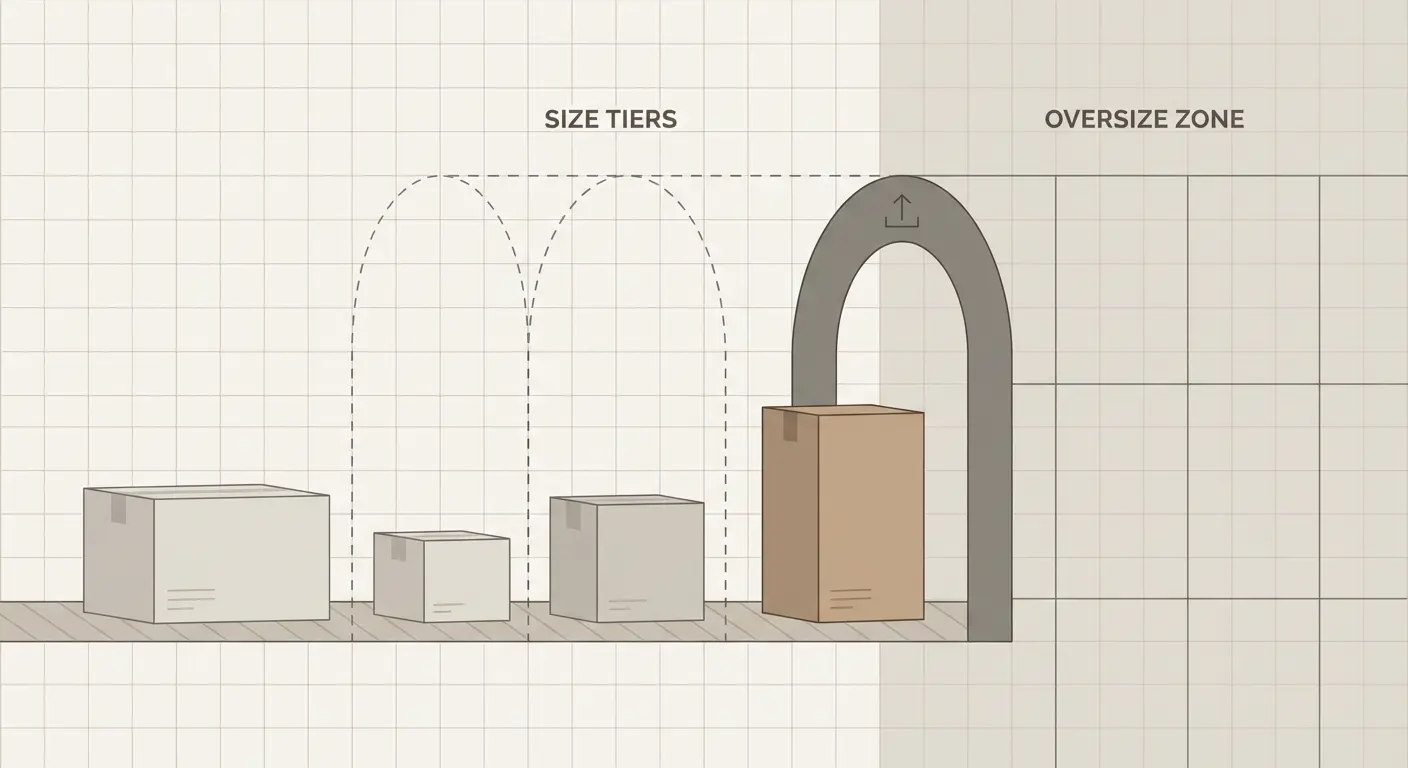
Crossing a size tier boundary is usually the biggest cost swing.
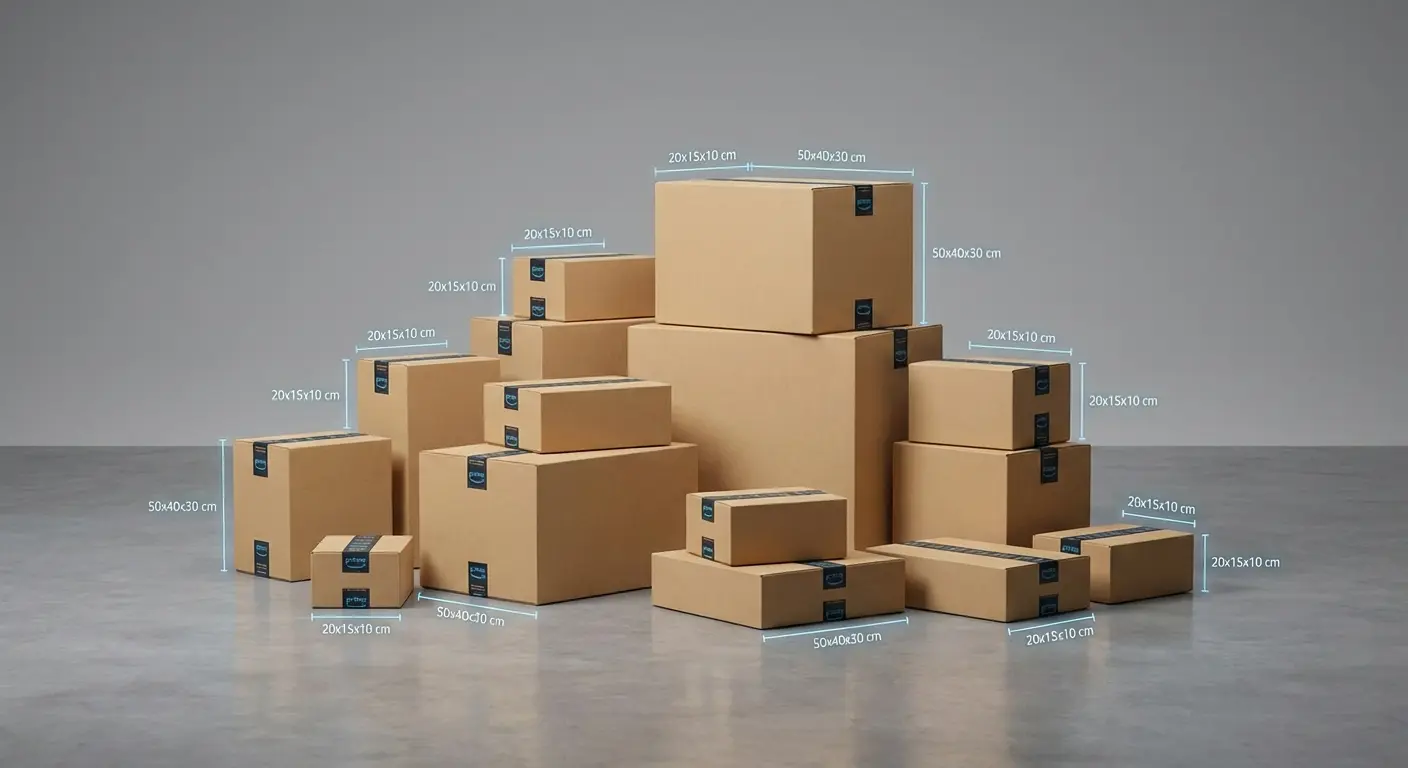
Amazon fulfillment fees can depend on both unit weight and unit dimensions, and the billed weight may be based on dimensional weight when the package is large relative to its weight. A fba dimensional weight calculator tool should be part of your product development workflow, not just a reactive check.
The key insight: fee cliffs matter more than incremental savings.
If trimming 0.4 inches off height keeps you in standard-size instead of small oversize, that is structural margin improvement. If it only reduces dimensional weight by a few ounces inside the same tier, the payoff may be negligible.
Focus first on:
Keeping longest side below oversize thresholds
Avoiding combined length plus girth triggers where applicable
Preventing dimensional weight from overtaking actual weight
This is where optimize packaging lower fba size tiers stops being theory and becomes engineering.
2. Oversize Classification Risk
Oversize fees are rarely linear. They step up sharply when you cross tiers.
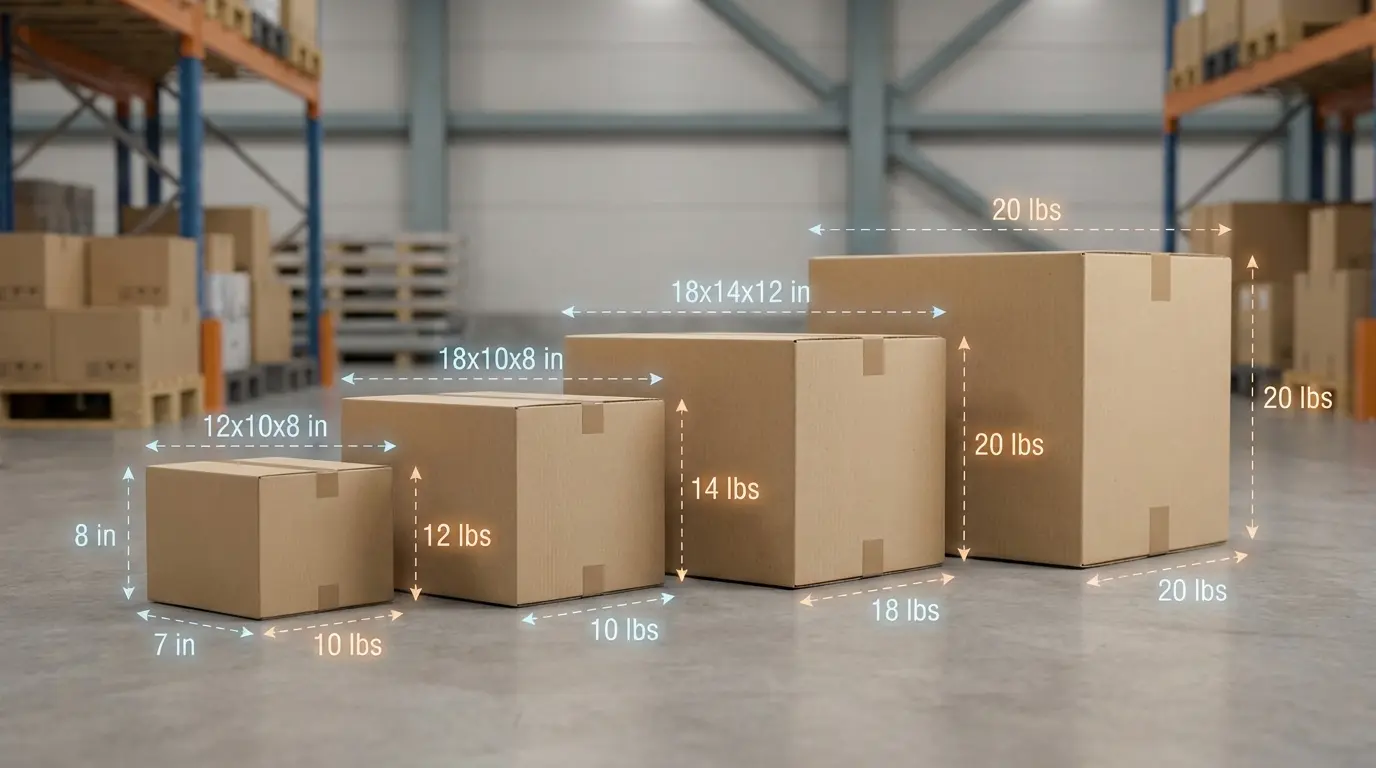
To avoid amazon oversize fba fees, design backward from thresholds. That means:
Measuring retail-ready packaging, not just inner product dimensions
Accounting for polybags, bubble wrap, labels, or reinforcements
Testing real-world packed units, not only CAD estimates
A common failure mode is designing packaging that fits within limits theoretically, but production variance pushes some percentage of units over the threshold. Amazon may remeasure units at receiving or later in the fulfillment network, so your spec sheet alone is not protection.
If you are close to a boundary, build in buffer.
3. Hidden and Misclassified Fees

Many sellers obsess over base fulfillment fees and ignore leakage.
Examples include:
Incorrect dimensional measurements recorded on the ASIN
Misclassified size tier
Unplanned prep service fees
Labeling defects that trigger paid services
Unexpected repackaging
At scale, software to track amazon fba hidden fees is often the only practical way to catch recurring issues. If you do not automate amazon fba fee tracking, you may miss a pattern long enough for it to become expensive.
When discrepancies appear, you can dispute amazon fba weight and dimensions through the appropriate support channels. In some cases, you may request fba item remeasurement. This can be tedious, but it is often worth it for high-volume ASINs.
The decision framework here is simple: high-volume ASINs deserve active auditing. Low-volume ones may not justify the administrative overhead.
4. Packaging Material and Structure Costs
Material savings are usually smaller than fee-tier savings, but they stack over time.
Ways sellers reduce packaging costs in practice:
Switching from rigid boxes to poly mailers where compliant and protective enough
Using custom-fit inserts instead of excess void fill
Redesigning product orientation to reduce carton height
Eliminating unnecessary double-boxing
However, any move that compromises compliance with amazon fba packaging requirements 2026 can increase inbound problems or trigger paid services. Treat Amazon’s packaging and prep rules as a moving target and verify against current Seller Central guidance before rollout.
The balance is delicate: reduce material, not protection.
5. SIPP and Customer-Facing Packaging

The amazon ships in product packaging sipp program can allow eligible products to ship without additional Amazon overboxing.
The upside can include:
Less added dimensional bulk
Reduced packaging waste
A simpler customer unboxing path for certain items
The constraint is real:
Packaging must meet Amazon’s testing and certification requirements for the program
The product box becomes the outer shipper, so damage resistance and doorstep-ready presentation matter
SIPP tends to work best for durable, self-contained products. For fragile items, it usually requires packaging engineered specifically for that distribution environment.
When Each Strategy Makes Sense
Rather than blanket advice, here are patterns that tend to work in specific situations.
If Your Product Is Near a Size Tier Boundary
Consider a packaging redesign before increasing ad spend.
Even small structural changes can move you into a lower tier. In this scenario, using both an amazon fba fulfillment fee calculator and an fba pick and pack fee calculator during the prototype stage is justified.
Do not rely on mock measurements. Produce real samples, measure packed units, and include protective materials, labels, and any polybagging in the test.
If Dimensional Weight Is Driving Fees
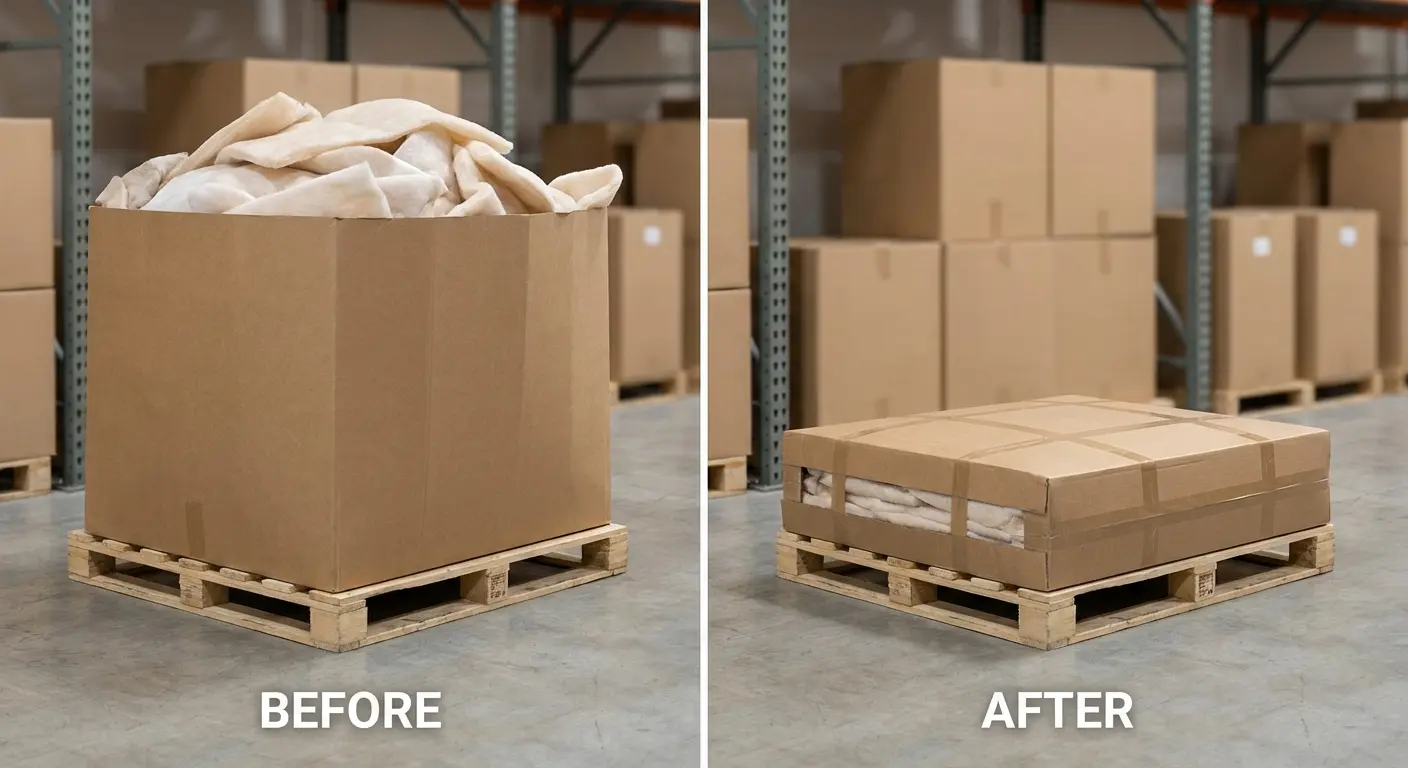
Focus on reduce dimensional weight for fba through:
Flatter orientation
Collapsible or nested components
Tighter carton fit
Switching to flexible mailers if compliant and protective enough
This works particularly well for lightweight but bulky products like textiles, foam items, or low-density plastic goods. The tactical aim is simple: reduce dimensional weight for fba without increasing damage rates.
If You See Repeated Weight or Dimension Discrepancies
That is often an audit and data issue, not only a packaging issue.
In this case:
Pull Amazon’s recorded dimensions from fee previews, reports, or the ASIN’s FBA measurement data
Compare against your measured production units
If there is a meaningful variance, dispute amazon fba weight and dimensions
If needed, request fba item remeasurement
This is especially relevant when you are confident you are within standard-size but are being charged at an oversize tier.
If You Are Paying Frequent Unplanned Prep Fees
Examine compliance before redesigning packaging for cost.
Common triggers include:
Missing labels or labels that are not scannable
Polybag rules not met, including suffocation warnings where required
Sets not clearly identified as sets
Loose items inside outer cartons that require securement
Here, how to reduce amazon fba packaging costs starts with eliminating avoidable service fees, not shaving cardboard weight.
If Your Product Is Durable and Retail-Ready
Evaluate SIPP seriously.
The math works when:
Your product already has a strong retail box
The box can pass program requirements
Overboxing adds unnecessary dimensional bulk
Not every SKU qualifies. For the right product, SIPP can be a clean structural improvement.
Common Failure Modes That Cost More Than They Save
Experienced sellers tend to make more subtle mistakes, not beginner ones.
Designing to Theoretical Dimensions
Relying on CAD or manufacturer specs without testing assembled, labeled, and protected units leads to surprises. Amazon measures what arrives and what is stored, not what you intended.
Optimizing for Fees and Ignoring Returns
Reducing padding might lower dimensional weight. If it increases breakage or return rates, you lose twice: refund plus removal, disposal, or return processing costs.
Test damage rates before full rollout.
Ignoring Production Variance
Factories do not produce identical boxes every time. Seams, compression, and folding tolerance add variance. If you are 0.2 inches below a threshold on paper, you are not safe.
Failing to Monitor After Launch
Even if your packaging was correct at launch, Amazon may later remeasure inventory or update stored measurements.
Without software to track amazon fba hidden fees and automate amazon fba fee tracking, a misclassification can persist long enough to become material.
Over-Bundling to “Save Fees”
Bundling can reduce per-unit fulfillment charges, but larger bundles can push you into a higher size tier.
Model the bundle using a fee calculator before committing. Sometimes two standard-size units shipped as separate sellable units cost less than one oversized bundle, even after considering conversion and AOV.
Two Decision Walkthroughs
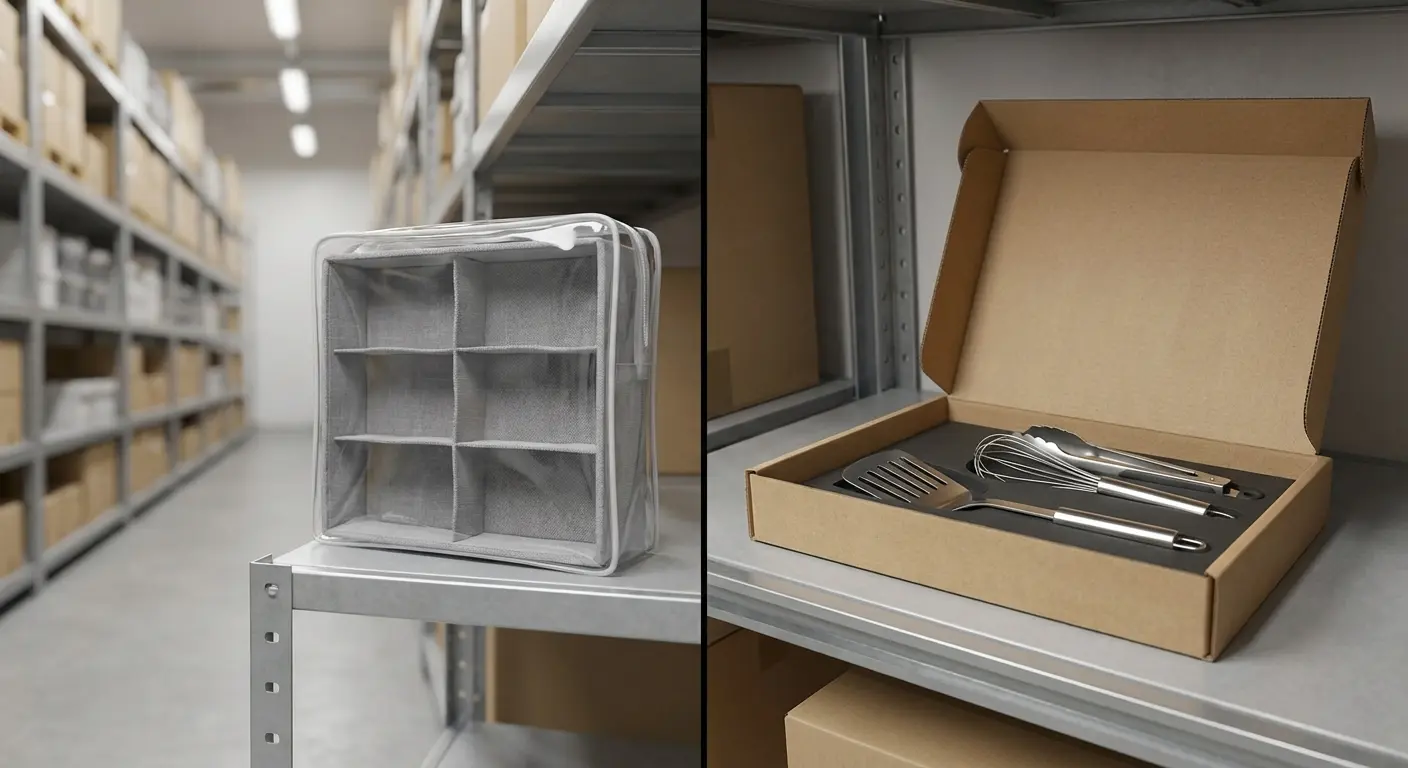
Example 1: Lightweight Home Organizer (Hypothetical)
A seller has a foldable fabric organizer. Current packaged dimensions keep it barely inside standard-size. Dimensional weight is close to exceeding actual weight.
Step 1: Run current specs through the amazon fba fulfillment fee calculator and an fba dimensional weight calculator tool. Step 2: Identify that reducing height by 0.5 inches lowers dimensional weight meaningfully but does not change tier. Step 3: Test compressing the product more tightly and using a stronger polybag instead of a thin box, if compliant and protective enough.
Outcome: Dimensional weight drops below actual weight. Fees decrease slightly per unit. Damage rate remains stable after test shipments. Because the ASIN has high velocity, small per-unit savings can scale.
Key lesson: Even without a size tier change, reduce dimensional weight for fba can pay off if volume is high and durability is proven.
Example 2: Kitchen Tool Set Near Oversize (Hypothetical)
A bundled kitchen tool set ships in a rigid retail box. Amazon classifies it as small oversize.
Seller suspicion: actual dimensions may qualify for large standard-size.
Step 1: Measure production units carefully. Step 2: Compare against Amazon’s recorded dimensions. Step 3: Discover Amazon measurement is 0.8 inches longer than actual. Step 4: dispute amazon fba weight and dimensions and request fba item remeasurement.
Parallel evaluation: redesign packaging to reduce box length by reorienting tools diagonally.
Two possible outcomes:
If remeasurement corrects the tier, you get an immediate structural fee reduction.
If redesign succeeds, long-term protection improves, even if future remeasurements occur.
Key lesson: Sometimes the highest ROI move is administrative correction, not material redesign.
Practical Patterns That Hold Up Over Time
Model packaging during product development, not after launch.
Design with buffer below size tier thresholds.
Prioritize avoiding tier jumps over shaving minor material cost.
Use real packed samples for dimension testing.
Audit high-volume ASINs for misclassification on a consistent cadence.
If volume justifies it, automate amazon fba fee tracking to catch leakage early.
Treat SIPP as an operational and testing decision, not a branding decision alone.
Eliminate unplanned prep fees before chasing micro-optimizations.
For scenario planning, an amazon fba fulfillment fee calculator, paired with an internal cost model, keeps packaging decisions grounded.
When modeling alternatives, a fba pick and pack fee calculator can help isolate the impact of tier and weight changes.
For engineering iterations, reduce dimensional weight for fba often comes down to right-sizing, compression strategy, and fewer wasted cubic inches.
If the unit is on the edge, reduce dimensional weight for fba by removing dead space first, then revisit materials.
For a clean build process, how to reduce amazon fba packaging costs usually starts with fewer inbound defects and fewer paid services.
Innovative Amazon FBA packaging solutions are rarely flashy. They are usually disciplined, incremental, and engineered around Amazon’s fee logic. The sellers who consistently protect margins are not the ones with the most beautiful boxes. They are the ones who understand exactly how those boxes interact with fulfillment math.