Amazon Global Logistics Tips for Faster FBA Shipping

Olivia Reyes

Amazon Global Logistics Tips Every Seller Should Know for Faster FBA Shipping
Are your stockouts really a demand problem, or are they a logistics visibility problem hiding upstream?
Many experienced sellers blame forecasting when FBA runs dry. In reality, the issue often starts earlier: fragmented freight bookings, weak inbound tracking, and no system tying factory-ready dates to FBA receiving outcomes. Amazon Global Logistics (AGL) can tighten that chain, but only when it sits inside a broader operating system that includes amazon fba inventory management software, an amazon seller shipping tracker, and clear inbound controls.
This article breaks down how AGL works in practice, where it helps, where it adds constraints, and how to combine it with the right software for amazon fba sellers to move inventory faster and more predictably.

What Amazon Global Logistics Really Covers (and What It Doesn’t)
Amazon Global Logistics is a freight program available through Seller Central for eligible sellers and supported trade lanes. It is designed to coordinate international transportation into Amazon’s network, typically into fulfillment centers and, where available and configured, into Amazon Warehousing and Distribution (AWD).
Depending on lane, service level, and eligibility, AGL can cover elements such as:
Origin pickup and handoff coordination
Export documentation support and carrier paperwork flow
International freight (ocean or air, based on availability)
Customs brokerage coordination in supported lanes
Delivery into Amazon receiving nodes
AGL is not full supply chain orchestration. It does not forecast demand, calculate reorder points, or manage SKU-level replenishment strategy. That is where amazon fba logistics software or a tool to manage amazon fba inventory matters.
AGL is transportation infrastructure. It is not an amazon supply chain automation tool by itself. If you treat it like one, you can still experience stockouts, just with fewer emails between forwarders.
Seller insight: Freight execution and inventory strategy are separate systems. When they are not connected, speed improvements do not translate into stability.
How AGL Fits Into a Real FBA Supply Chain
In theory, AGL simplifies international shipping. In practice, it changes where control lives.
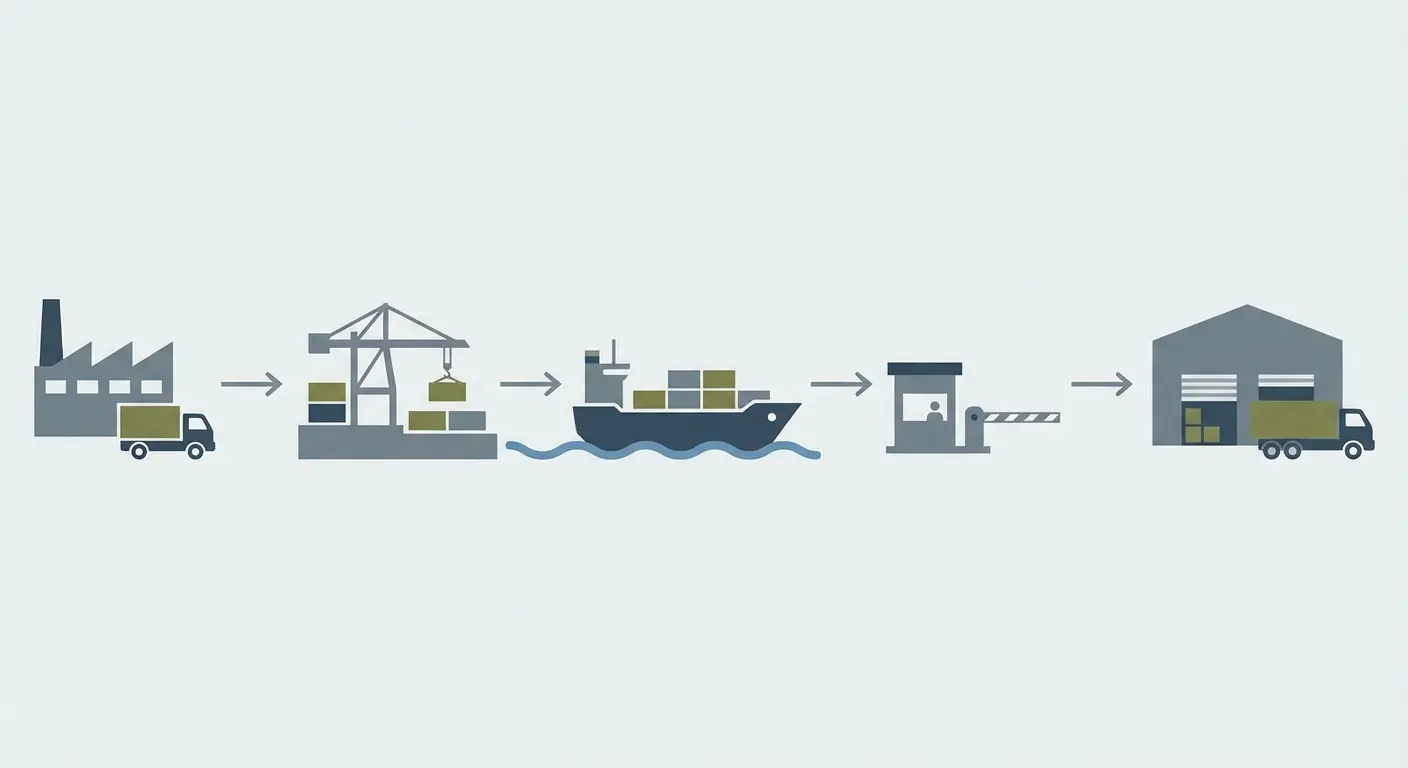
When you book through AGL, booking, documentation status, and shipment milestones are surfaced inside Seller Central. That can reduce coordination across forwarders, brokers, and domestic carriers, especially for teams that previously stitched together updates from multiple parties.
A typical workflow looks like this:
You create an inbound shipment in Seller Central.
You select an AGL option when it is available for your lane and account.
You enter supplier and cargo-ready details and follow the program’s documentation steps.
Amazon’s logistics partners coordinate pickup, freight, customs steps, and delivery into Amazon’s receiving network.
You monitor milestones in Seller Central and reconcile them with your internal planning.
The immediate advantage is tighter linkage between inbound plans and transportation status. For sellers already running an amazon seller shipping tracker or amazon fba freight management software, this can reduce manual reconciliation between freight documents and shipment plans.
However, control can narrow. Once a shipment is moving inside an Amazon-coordinated flow, diversion options may be limited and can be impractical depending on the service and stage of transit. That matters when:
Demand shifts suddenly.
A listing gets suppressed or a compliance review pauses sales.
You need packaging changes that require 3PL intervention.
Expectation vs. reality:
Expectation: “Direct to FBA means faster receiving.”
Reality: It can help, but receiving speed still depends on FC workload, inbound configuration, and compliance accuracy.
Speed gains tend to come from reduced handoffs and cleaner data, not from bypassing Amazon’s intake requirements.
Where Software Makes or Breaks AGL Performance
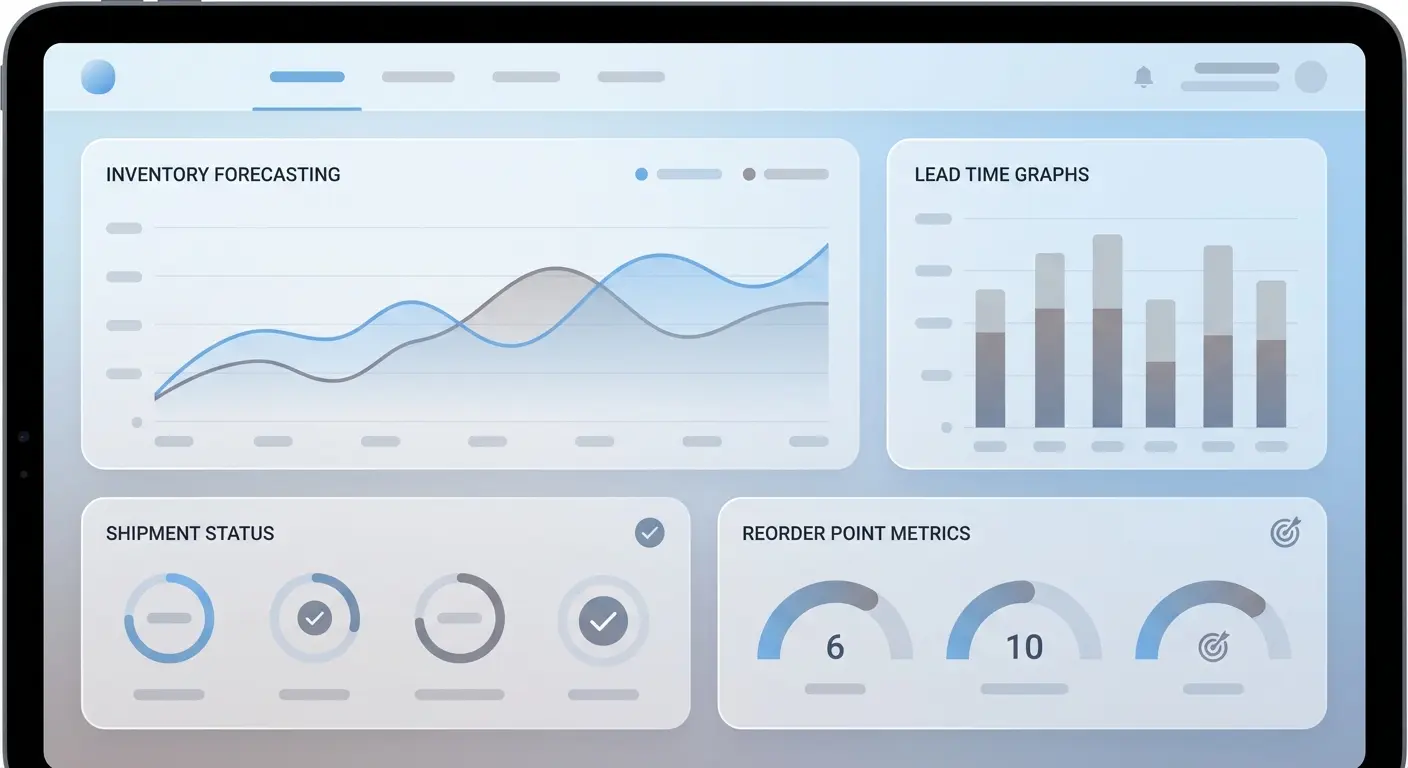
AGL performs best when paired with structured systems. Sellers building automated amazon seller operations tend to see smoother outcomes because they connect four moving parts.
1. Forecasting and reorder logic
A solid amazon fba inventory management software setup should calculate reorder timing using end-to-end lead time, including production, transit, customs variability, and a receiving buffer. If you switch from a third-party forwarder to AGL and variability changes, reorder points should be recalibrated accordingly.
2. Inbound shipment automation
Amazon inbound shipment automation reduces human error when generating shipment data, labels, and carton details. Carton content and labeling issues are common drivers of receiving delays, chargebacks, and problem resolution work.
3. Freight visibility layer
An amazon seller shipping tracker can drive milestone alerts across POs and shipments. Many teams also rely on amazon fba freight management software to consolidate ETAs, exceptions, and document status across AGL and non-AGL lanes. That matters if you run multiple origins, multiple service levels, or a mix of air and ocean.
4. Financial reconciliation
Freight charges, duties, and accessorials should be mapped back to SKU-level landed cost. This is where b2b software for amazon sellers can help when it includes purchase order tracking, supplier communication, and landed-cost allocation.
If you are still managing inbound freight in spreadsheets while scaling SKUs, AGL alone will not fix systemic delays.
Three Practical Scenarios
Case 1: High-velocity SKU with tight margins (hypothetical)
A private label seller imports a fast-moving consumable from Vietnam. They previously used a forwarder plus domestic drayage, averaging 42 to 55 days door-to-receiving with frequent variability.
After switching to an AGL ocean service that fits their lane:
Variability narrows.
Administrative coordination drops.
Receiving outcomes become more predictable, but not guaranteed.
The key improvement comes when they update their amazon fba inventory management software inputs to reflect the new lead time distribution. Reorder points shift, and stockouts decrease.
Without updating forecasting inputs, the benefit would be diluted.
Case 2: Seasonal product with demand spikes
A seller moves a holiday SKU using an AGL option intended to arrive ahead of peak. Demand spikes faster than forecast, and the seller wants to divert part of the inbound quantity to a 3PL for kitting changes.
Constraint exposed: midstream changes can be difficult once a shipment is inside an Amazon-coordinated flow.
Mitigation: Some sellers split shipments.
Core quantity through AGL to support base demand.
Buffer inventory through a more flexible route that can be redirected to a 3PL if needed.
Case 3: Multi-market expansion
A brand expanding into the UK and EU uses AGL where eligible, and they pair it with a tool to manage amazon fba inventory that segments stock by marketplace.
Instead of treating global inventory as one pool, they assign region-specific lead times, reorder points, and buffers. This reduces overstock risk in slower markets and understock risk in faster ones.
The operational gain is not only freight coordination. It is synchronized replenishment logic across regions.
Common Misinterpretations About Amazon Global Logistics
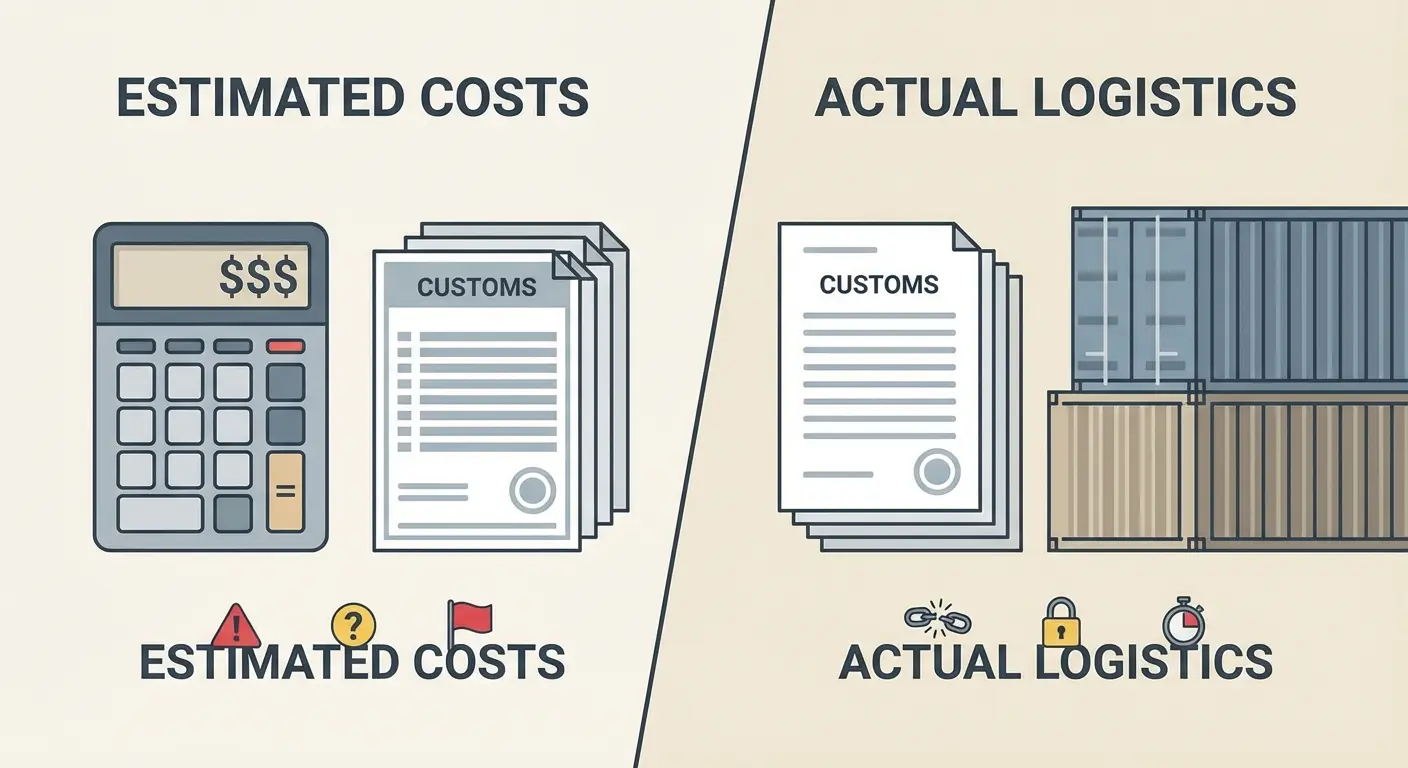
“AGL is always cheaper.” Not necessarily. Rates can be competitive, but total cost depends on utilization, service level, storage exposure, receiving outcomes, and the downstream impact of in-stock performance.
“AGL eliminates customs risk.” Amazon may coordinate brokerage in supported lanes, but sellers remain responsible for accurate commercial documents and declarations. Incorrect HS codes, values, or product compliance issues can still trigger holds, exams, or penalties.
“Using AGL means I do not need freight management tools.” If you operate a simple lane with low SKU count, you may be able to rely on Seller Central updates. At scale, most sellers still benefit from amazon fba logistics software that consolidates transportation, exceptions, and inventory impact across lanes and marketplaces.
“Inbound placement fees do not matter if freight is fast.” Placement and fulfillment network costs can still materially affect landed cost and profitability. Freight speed is one lever among several.
Where AGL Struggles: Constraints and Edge Conditions
AGL introduces tradeoffs that experienced sellers should evaluate.
Limited rerouting flexibility Once inventory is moving inside an Amazon-coordinated process, diversion options may be limited. That is risky during listing suspensions, compliance escalations, or sudden demand shifts.
Exposure to macro disruptions AGL does not make you immune to port congestion, equipment shortages, carrier rollovers, weather events, labor actions, or customs backlogs. Lane risk still exists.
AWD strategy requires planning Shipping bulk to AWD can reduce pressure on FBA storage limits and can support replenishment strategies, but only if your amazon supply chain automation tool properly adjusts buffers and replenishment thresholds. Otherwise, you can strand working capital upstream.
Air freight temptation Using air to recover from stockouts can protect revenue, but it can also erode margin quickly. Model it inside your inventory system with updated landed cost assumptions before you book.
Decision rule: Use air to protect profitable sales and continuity, not to compensate for chronic planning gaps.
Building a More Automated Inbound System

If your goal is faster FBA shipping, speed alone is the wrong metric. Stability is the metric.
A mature inbound stack often includes:
Amazon inbound shipment automation to reduce carton, labeling, and data errors.
Amazon fba freight management software to consolidate tracking and exception handling across lanes.
Amazon seller shipping tracker integration for milestone alerts tied to POs and shipment plans.
Amazon fba inventory management software that recalculates reorder points as lead times change.
B2b software for amazon sellers that supports PO tracking, supplier communication, and landed cost reconciliation.
An amazon supply chain automation tool that connects supply, transit milestones, and replenishment decisions.
A dependable amazon fba logistics software layer for cross-channel visibility and reporting.
A central tool to manage amazon fba inventory that enforces one source of truth for inbound and available units.
When these systems talk to each other, you get automated amazon seller operations that are resilient rather than reactive.
AGL then becomes a transport layer inside a controlled system, not a patch for chaos.
What Actually Moves the Needle
If you are considering Amazon Global Logistics to improve FBA replenishment, focus on these principles:
Lead time variability matters more than raw speed.
Update reorder points immediately after changing freight modes or lanes.
Split shipments when flexibility is operationally valuable.
Treat customs compliance as a seller responsibility even when brokerage is coordinated.
Model air vs. ocean decisions inside your inventory software before booking.
Use AWD intentionally and verify how replenishment settings affect cash and availability.
Feed AGL milestones into your broader dashboards so planning reflects reality.
AGL can reduce coordination friction and improve inbound visibility. The sellers who benefit most connect it to disciplined inventory logic, clean inbound execution, and systems that turn milestones into decisions.