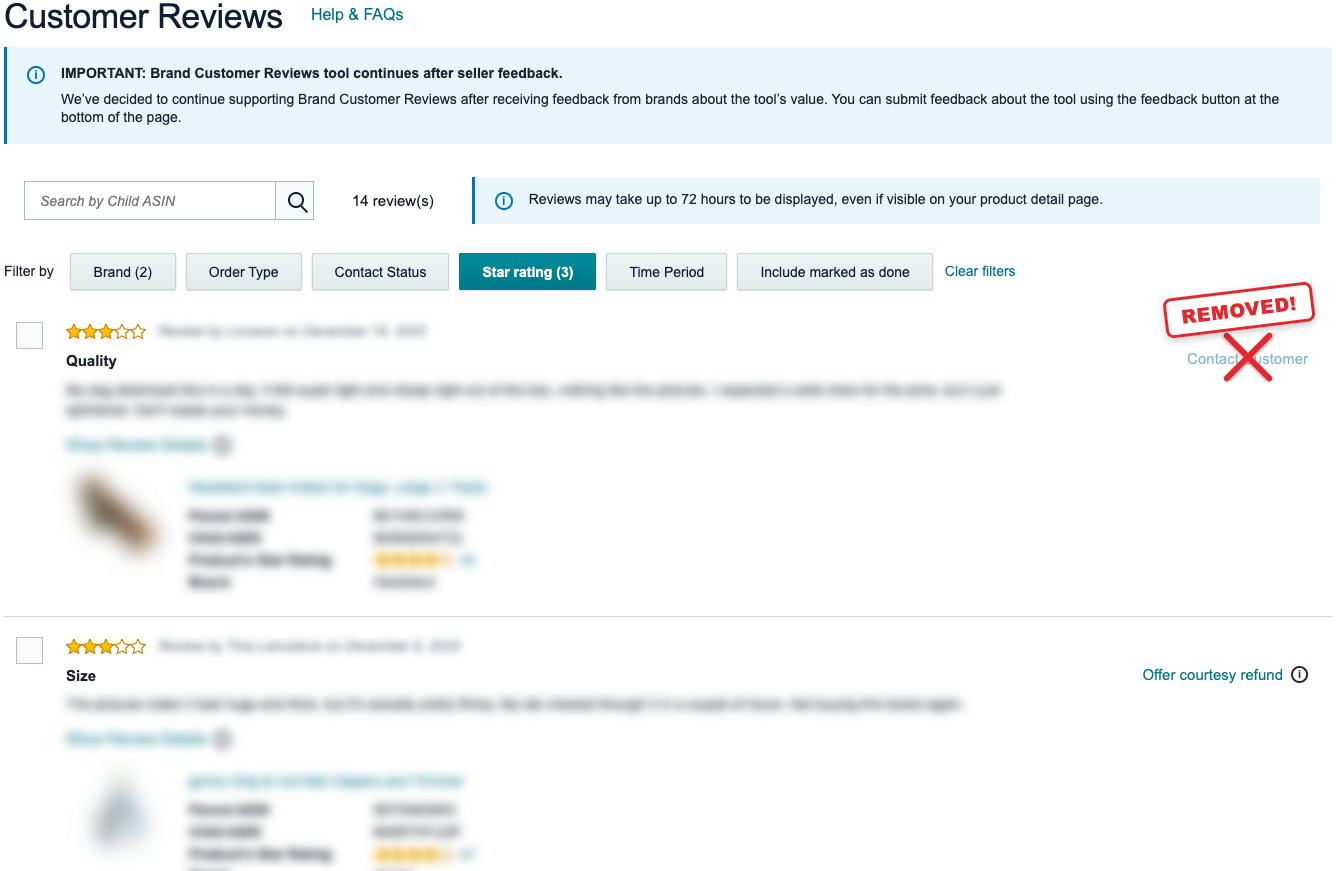
Amazon Seller Scams and Fraud Defense Guide

Olivia Reyes

Amazon Seller Scams to Watch Out for This Year (and How to Actually Defend Against Them)
If your margins look fine on paper but your cash flow keeps getting hit by unexpected refunds, chargebacks, or listing disruptions, you may not have a pricing problem. You may have an amazon seller fraud problem.

amazon seller scams are not new. What changes each year is the packaging. The tactics evolve, the tools get sharper, and the pressure points shift. Experienced sellers are rarely taken out by one catastrophic event. It is usually a series of smaller hits: a hijacker here, a fraudulent return there, a phishing attempt that almost works, a bad supplier decision that turns into an authenticity complaint.
This guide breaks down the most relevant amazon seller scams right now, how they typically play out in real accounts, and where the real risk lives for seasoned operators.
What We’re Really Talking About When We Say “Amazon Seller Fraud”
When sellers hear amazon scams, they often think of phishing emails or fake support calls. That is only one slice of the risk landscape.
In practice, amazon seller fraud often shows up in four broad categories:
Account-level attacks
Phishing and credential theft
Account takeover attempts
Impersonation by “account recovery” or “reactivation” services
Listing-level attacks
Listing hijacking and unauthorized offers
Detail page manipulation (including images, title, bullets, or variations)
Counterfeit piggybacking
Order-level abuse
Item-not-received claims
Return abuse, including wrong-item returns
Chargeback disputes
Misuse of the A-to-z Guarantee claim process
Supply chain and payment traps
Supplier scams and forged documentation
Off-platform payment requests
Inventory and cash-flow tie-up schemes
The unifying theme is leverage. Scammers target leverage points inside Amazon’s system, including the Buy Box, returns, customer claims, and automated enforcement.
As experienced sellers, the question is not whether scams exist. The question is where you are structurally exposed.
How These Scams Actually Play Out in Real Seller Accounts
Understanding the sequence is more useful than memorizing a list.
1. Account Takeovers: Small Security Gaps, Big Consequences
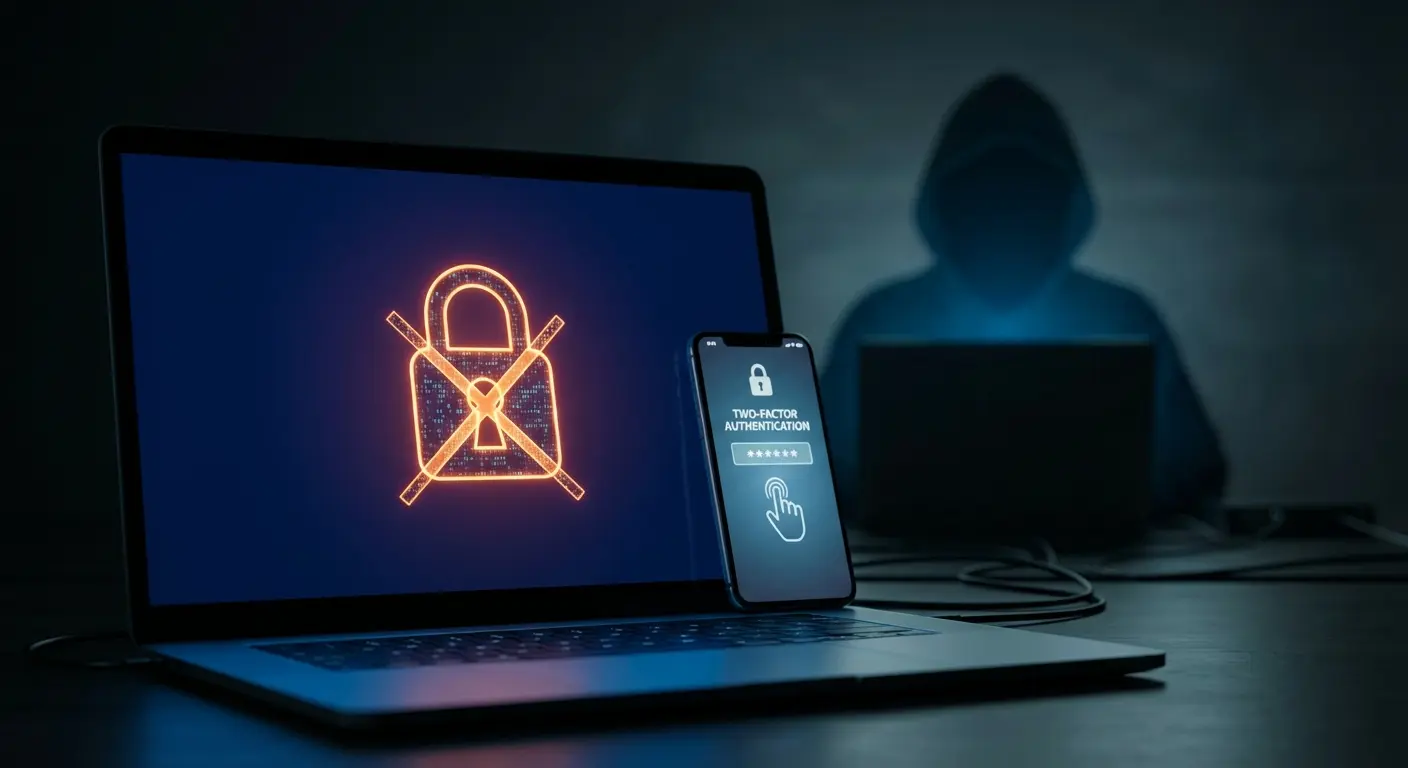
An account takeover usually starts outside Amazon.
A seller receives a convincing email or message about a performance notification, tax verification issue, or payment hold. The link looks legitimate. Credentials get entered. Within minutes or hours, the attacker may attempt to:
Change bank account details
Update the primary email
Add new users
Create deep discounts to accelerate sales velocity or liquidate inventory
If the attacker successfully changes disbursement settings, funds may be sent to a different bank account on a future payout.
Two important realities:
Two-step verification (2SV) reduces risk but does not eliminate it, especially if a team member approves a malicious login or shares credentials.
The weakest link is often not the owner, but a VA, agency partner, or employee with unnecessary access.
Treat Seller Central access like access to your business bank account. Limit user permissions aggressively. Most team members do not need full admin rights.
2. Listing Hijacking: When Your Own ASIN Works Against You
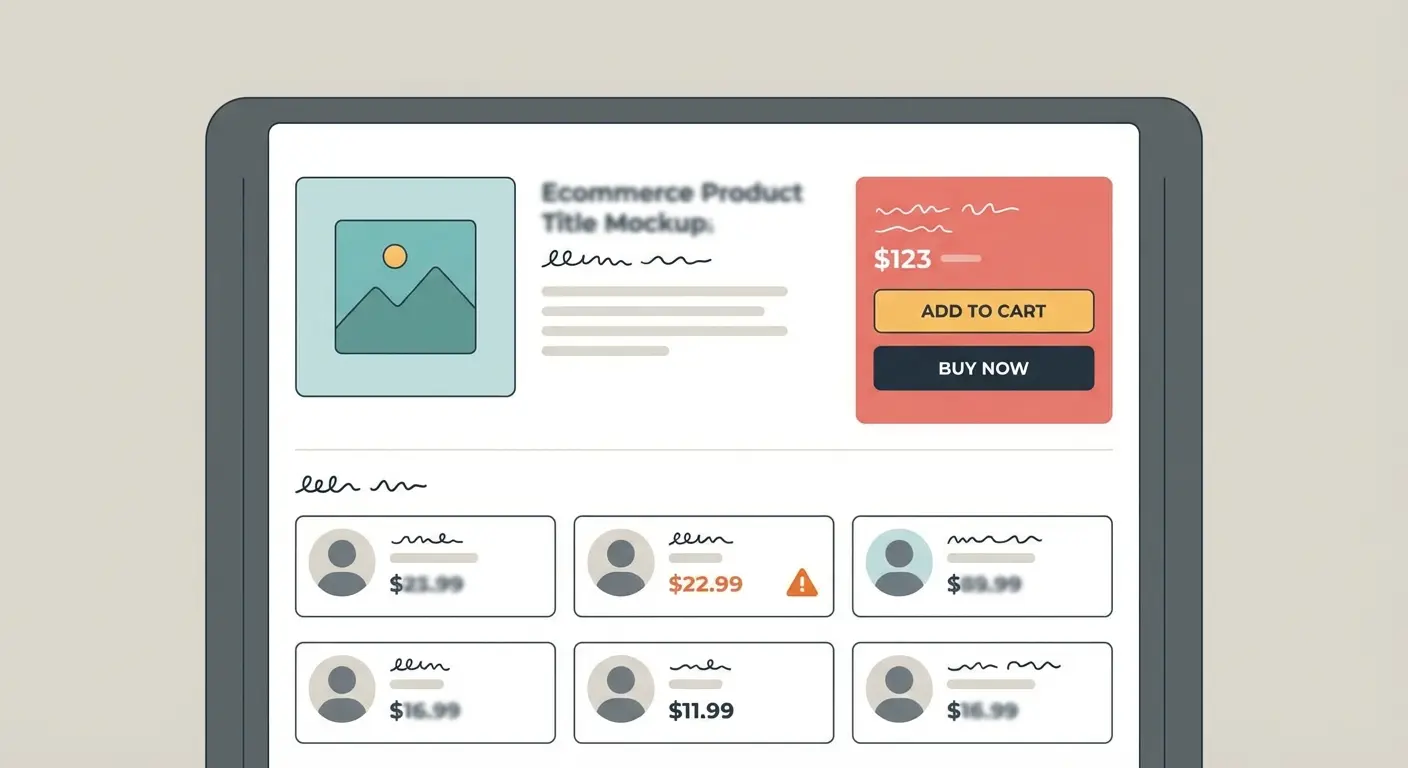
Listing hijacking remains one of the most persistent amazon seller scams.
A common pattern looks like this:
A bad actor lists on your ASIN at a lower price.
They win the Buy Box temporarily (or divert some sales).
They ship counterfeit, damaged, or wrong items, or they create shipping problems that trigger customer complaints.
Customers leave negative reviews tied to your listing, even if you were not the fulfilling seller.
Even if you regain control quickly, the damage can linger:
Increased returns
Lower conversion rates
Authenticity complaints
Performance notifications or policy warnings
Brand Registry helps, but it is not automatic protection. Response speed and proper reporting matter.
Expectation: “If I’m brand registered, Amazon will instantly remove hijackers.”
Reality: You still need to monitor your listings and submit infringement reports with appropriate evidence. Outcomes and timelines can vary.
If you are not checking your active ASINs regularly, especially top sellers, you are relying on customers to discover the problem first.
3. Refund and Return Abuse: Death by a Thousand Cuts

Some of the most expensive amazon scams are subtle and repeatable.
The Replace-and-Refund Pattern
Common in electronics, gaming, tools, and higher-ticket items:
Buyer orders a new item.
Returns an older or damaged version.
Claims defect or “not as described.”
Receives a refund.
For FBM sellers, documentation is critical. For FBA sellers, auditing reimbursements and returned inventory data is often necessary because not every discrepancy is caught automatically.
Practical defense:
Use unique serial tracking where possible and where it is lawful and compatible with your category.
Photograph or record packing steps for high-value units (more common in FBM).
Review return reasons and returned-unit condition patterns.
This is not about assuming every customer is malicious. It is about recognizing statistical risk in certain categories and price points.
4. Item-Not-Received Claims and Chargeback Disputes
A common pattern:
Order marked delivered by the carrier (sometimes with signature).
Customer claims non-receipt.
Refund request or A-to-z claim is filed.
A credit card chargeback dispute may also occur.
Even when tracking confirms delivery, outcomes are not guaranteed, especially if documentation is incomplete or the claim is decided based on broader account signals.
For FBM sellers, shipping method matters. For higher-value SKUs:
Use signature confirmation when appropriate.
Keep clean tracking and carrier documentation.
Respond quickly and factually to claims in Seller Central.
For FBA, risk shifts toward metrics, buyer experience outcomes, and reimbursement processes.
Key point: Chargeback disputes are not just lost revenue. They can affect account health and may compound if they cluster.
5. Fake Suspension and “Account Rescue” Scams
A common layer of amazon seller fraud targets sellers who are already under stress.
You receive a message:
“Your account will be deactivated in 24 hours.”
“We have an internal contact who can guarantee reinstatement.”
“Pay this fee to escalate your case.”
These scams prey on urgency.
Real policy warnings and performance notifications appear in Seller Central. Amazon does not require payment to a third party to “unlock” your account. If payment is requested off-platform to “fix” a suspension, assume fraud.
6. Supplier Scams: The Risk Before You Even List

Not all amazon scams happen on Amazon.
Supplier fraud is often invisible until the damage shows up as:
Inauthentic complaints
Safety complaints
IP complaints
Elevated defect rates and negative reviews
A typical trap:
Attractive pricing
“Factory direct” claims with minimal verifiable proof
Minimal documentation
Pressure for large upfront payment
Later, you face an authenticity complaint you cannot defend because you lack clean invoices or traceability that matches Amazon’s verification expectations.
Defensive checklist:
Verify business registration and operational footprint where feasible.
Demand proper invoices with matching legal entity details and product identifiers.
Start with smaller test orders and inspection steps.
Avoid large wire transfers without verification and clear contractual documentation.
An authenticity issue can be more expensive than paying slightly higher COGS to a legitimate supplier.
Short Case Snapshots
Three hypothetical but common scenarios.
Case 1: The Quiet Hijack
A private label seller notices a 15 percent drop in conversion rate over two weeks. PPC ACOS climbs. No obvious issue.
Root cause: A hijacker rotated in and out of the Buy Box for several days, shipping low-quality units. Three negative reviews mention “cheap knockoff.”
The seller removes the hijacker, but conversion does not fully recover for weeks.
Lesson: Monitor Buy Box ownership and review language patterns. Conversion changes can signal fraud before you see it directly.
Case 2: The Serial Returner
An FBM electronics seller notices a cluster of returns from the same region. Items come back scratched, missing accessories.
After reviewing order history, they identify repeat buyers using slight name variations but similar addresses.
Action taken:
Tightened internal inspection and documentation.
Shifted high-risk SKUs to signature-required shipping where appropriate.
Used reporting tools and internal flagging to track repeat patterns.
Losses slow significantly.
Lesson: Patterns matter more than individual incidents.
Case 3: The “Too Good” Supplier
A wholesale seller sources a popular branded product at 20 percent below typical distributor pricing.
Three months later:
Multiple inauthentic complaints
Amazon requests invoices
Supplier stops responding
The seller cannot produce sufficient documentation and loses the listing.
Lesson: If pricing is meaningfully below market with no structural explanation, assume elevated risk.
Common Misunderstandings That Leave Sellers Exposed
“Amazon will automatically protect me.”
Amazon invests heavily in enforcement, but it operates at scale. Automated systems do not always interpret nuance in your favor.
“Brand Registry solves hijacking.”
It improves your tools. It does not replace monitoring and evidence submission.
“FBA eliminates fraud risk.”
It reduces some shipping-related disputes but does not remove return abuse, counterfeit claims, or listing-level attacks.
“If tracking shows delivered, I will win every claim.”
Not always. Documentation quality, claim framing, and account signals can influence outcomes.
“I’m too small to be targeted.”
Lower-volume sellers are sometimes targeted precisely because they monitor less aggressively.
Where the Real Limits Are
Even with best practices, some level of amazon seller fraud is difficult to avoid at scale.
Practical limits:
You may not be able to prevent every unauthorized seller from listing on your ASIN.
You will not win every A-to-z claim or chargeback dispute.
You cannot eliminate all return abuse.
The goal is not zero incidents. The goal is controlled exposure.
Think in terms of:
Speed of detection
Quality of documentation
Structural risk reduction
Margin buffers for inevitable losses
Experienced sellers often build reasonable fraud assumptions into their financial models. A small percentage of loss is treated as an operational reality, then reduced through process, monitoring, and enforcement.
The Habits That Actually Reduce Risk
If you focus on only a handful of actions this year, make them these:
Lock down Seller Central access with strict user permissions and 2-step verification.
Monitor top ASINs weekly for hijackers and Buy Box volatility.
Audit returns and reimbursements consistently, especially for high-ticket SKUs.
Vet suppliers with documentation discipline, not just price comparison.
Keep all critical communication inside Seller Central and ignore off-platform urgency tactics.
Track patterns, not isolated events. Fraud often clusters.
amazon seller scams are not going away. They adapt to policy changes, new tools, and seasonal demand spikes.
The sellers who stay profitable are not the ones who never get hit. They are the ones who treat fraud as an operational variable, monitor leverage points in their business, and respond faster than the damage can compound.
If your systems assume everyone behaves perfectly, your margins will eventually pay for that assumption.