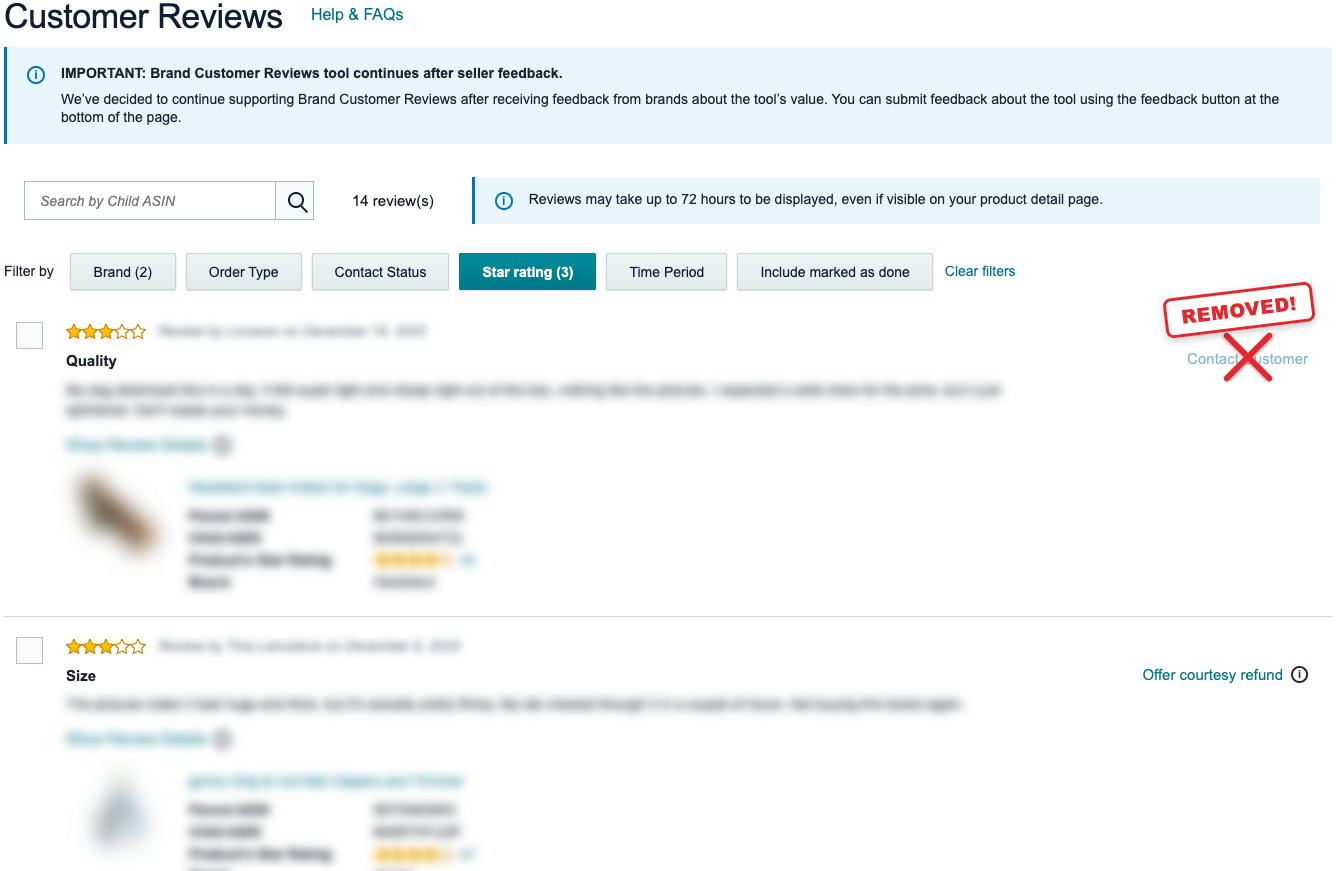
Amazon Shipping Delays: Seller Survival Guide

Olivia Reyes

Amazon Shipping Delays: What to Do When Orders Slow Down and Customers Start Asking Questions
Are your customers asking, “why is amazon shipping so slow,” while your metrics quietly drift toward dangerous territory?
amazon shipping delays are no longer limited to weather weeks and holiday rushes. They can show up any time the fulfillment network is constrained by inbound backlogs, inventory placement decisions, carrier capacity, or sudden demand shifts. Whether you sell FBA or FBM, you are operating inside a system optimized for network efficiency, not for your specific SKU at this specific moment. When friction hits, it can show up as amazon delayed not yet shipped, delivery dates that keep slipping, or prime day delivery delays that land on your biggest promotional window.
The real question is not “why are amazon deliveries taking so long?” The question is how you design your operation so delays do not cascade into conversion loss, Buy Box instability, and margin erosion.

Below is an operator-grade breakdown of what is being decided, what fails most often, and what to build so the account stays stable when the network is not.
The Real Decision: Absorb the Shock or Engineer Around It?
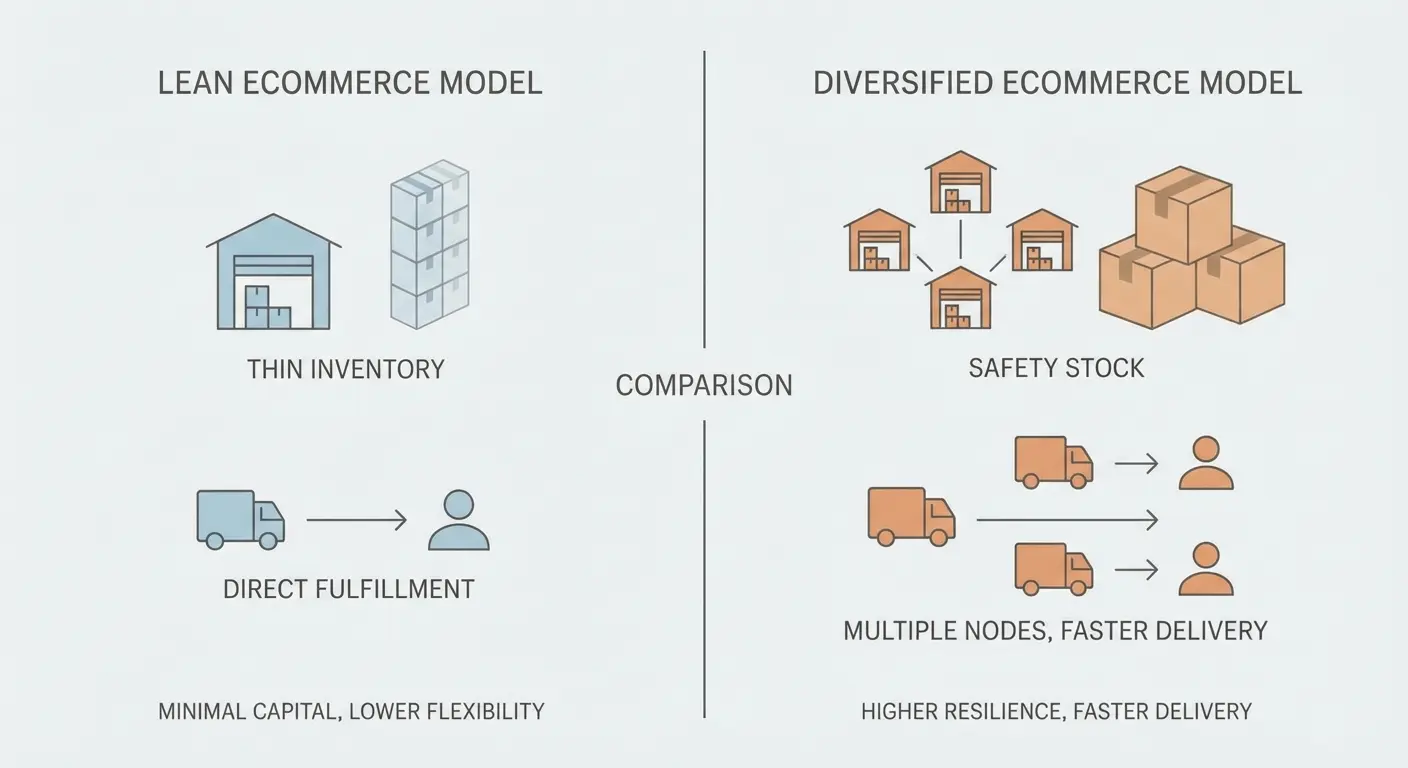
When facing amazon shipping problems, you are choosing between two operating models:
Lean and reactive: minimal buffers, heavy reliance on a single fulfillment path, fix issues when they appear.
Redundant and engineered: inventory buffers, diversified fulfillment options, and written delay protocols.
Shipping delays can affect more than delivery time. They can influence:
Buy Box share
Organic ranking
Conversion rate
Review velocity
Customer-facing cancellation and return behavior
Amazon measures performance based on customer outcomes and policy-defined metrics, not intent. Even when fulfillment is outside your direct control, the customer experience still reflects on the offer and the brand.
So the decision is simple: how much volatility can your catalog absorb before it damages growth?
What Actually Drives Amazon Shipping Delays (Ranked by Seller Impact)
There are many articles explaining what causes amazon delays. Weather, volume spikes, and carrier issues are real. For sellers, the higher-leverage drivers are often upstream and operational.
1. Inbound Receiving and Check-In Variability (Highest Impact for FBA)
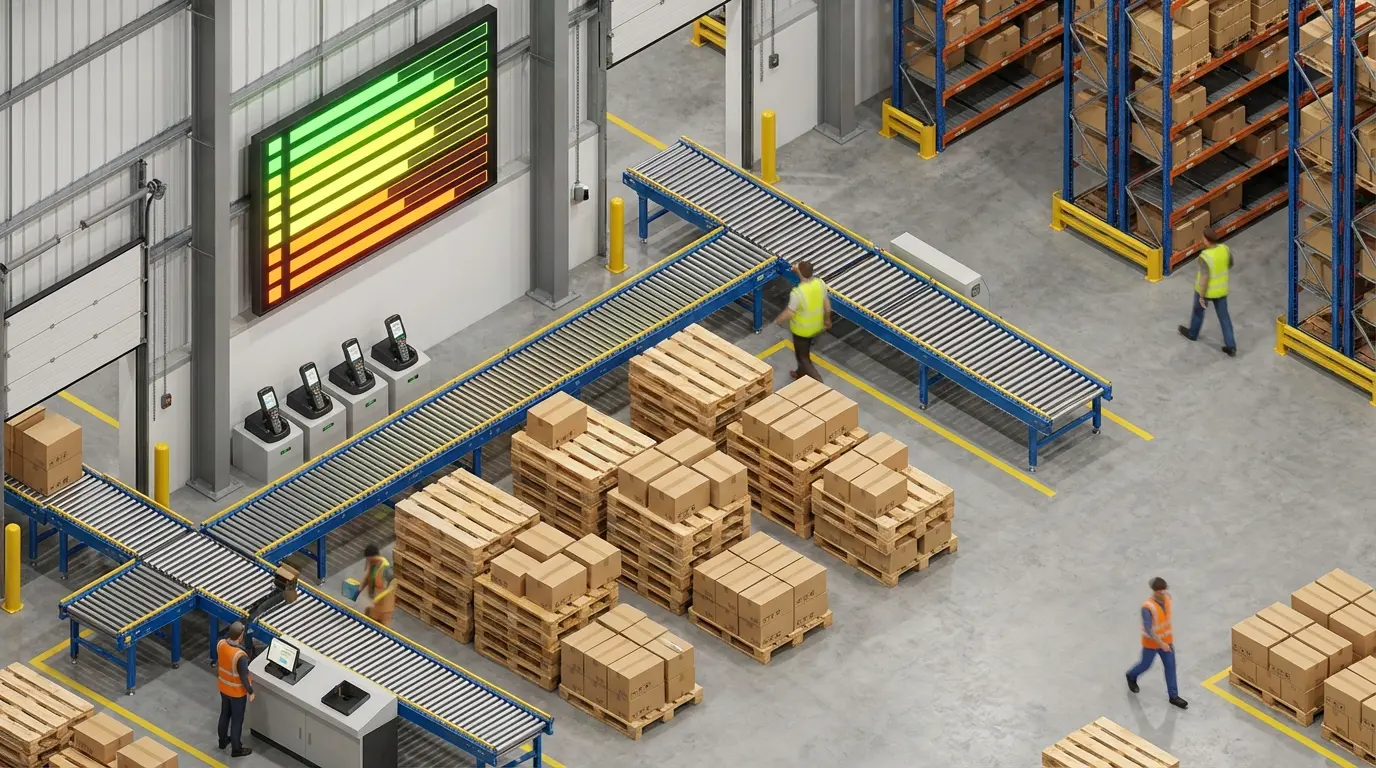
If you sell FBA, some of the most damaging delays happen before the customer order exists.
Inbound shipments can remain in receiving, processing, or transfer stages longer than planned. During that time:
Units may be physically at Amazon or in an Amazon-controlled node.
Units may not be available for sale yet.
Your restock timing assumptions can break.
A listing can drift into low-stock or out-of-stock status.
This is where amazon delayed not yet shipped can start upstream, because customers only see the downstream symptom.
Mitigation pattern: build reorder points from realistic variability and historical check-in ranges, not from best-case timelines.
2. Inventory Placement and Regional Mismatch
Amazon distributes inventory across fulfillment locations based on network logic, inbound routing, and demand signals. If available units are not positioned near the customer, delivery promises can extend.
That is when customers start asking, “is amazon shipping delayed right now,” even though the issue may be placement, not a universal outage. This often shows up as slower delivery estimates, softer conversion, and region-specific performance dips rather than a clean operational alert.
Mitigation pattern: monitor regional conversion and delivery estimates over time, then test smaller, more frequent replenishments where it makes financial sense. Distribution is not fully controllable, but inbound cadence can influence how inventory spreads.
3. Prime Day and Peak Event Compression
prime day delivery delays are often driven by timing compression. The network can handle large volumes over time, but spikes inside narrow windows create:
Carrier backlogs
Sortation bottlenecks
Last-mile capacity gaps
Prime messaging can also create expectations that the network cannot consistently meet during peak periods. In practice, “fast, free delivery” can still mean extended delivery estimates on certain items, regions, or days.
Your offer can pay the reputational cost even when the fulfillment constraint is not seller-caused.

4. Carrier and Last-Mile Instability (FBM and Some FBA Orders)
When customers ask:
why are amazon deliveries delayed
why does my amazon package keep getting delayed
why does amazon keep pushing back delivery time
the root cause is often last-mile handoff, route density issues, weather events, local staffing shortages, or capacity constraints at a regional carrier node. Sellers cannot control carrier staffing. Sellers can control handling time, ship method selection, cutoffs, and expectation-setting.
Mitigation pattern: tighten operational honesty. Avoid “label created” gaps, add a backup carrier, and set handling times that reflect actual pickup reliability.
5. Demand Forecasting Errors (Self-Inflicted)
Some amazon shipping delays are triggered by inventory scarcity rather than transportation. A sales spike drains available units faster than expected. The next shipment is en route or still being received. Customers see longer delivery windows, backorders, or temporary unavailability depending on offer state.
Seller insight: many “logistics delays” start as forecasting misses, then get amplified by inbound variability and placement decisions.
When X Happens, Consider Y (Scenario Thinking for Operators)
Shipping issues rarely appear in isolation. They show up in patterns you can diagnose.
If Delivery Estimates Extend by 1 to 2 Days Across the Catalog
Consider whether you are seeing:
a regional inventory imbalance
a temporary network strain
competitor offers with better placement or alternative fulfillment
Validate with data before you overcorrect. Sometimes the estimate looks worse than it converts, and sometimes it is an early warning that your offer is losing competitiveness.
If “Amazon Delayed Not Yet Shipped” Spikes During a Sales Event
Assume capacity compression rather than a one-off error. Instead of reacting order-by-order:
adjust ad spend on SKUs with thin cover
avoid stacking aggressive promotions on constrained inventory
prepare customer support with a consistent explanation that does not assign blame or make promises you cannot control
You are managing flow, not solving a single order.
If Customers Repeatedly Ask, “Why Is Amazon Shipping So Slow?”
Treat it as perception risk. Even when policy metrics remain compliant, review sentiment can drift and repeat purchase behavior can soften.
Communication matters more than speed when speed is constrained. Silence can increase cancellation, negative reviews, and escalations.
If Amazon Keeps Pushing Back Delivery Time on Specific ASINs
When amazon shipping delays are concentrated on a few ASINs, it often points to low local availability, low unit count in nearby fulfillment nodes, or replenishment timing.
Before assuming a platform-wide issue, check:
days of cover per SKU
restock limits and inbound appointment timing
inbound shipment status and recent receiving variance
Sometimes the best move is smaller replenishments more often, combined with less aggressive demand generation until coverage stabilizes.
Anti-Patterns That Quietly Wreck Accounts
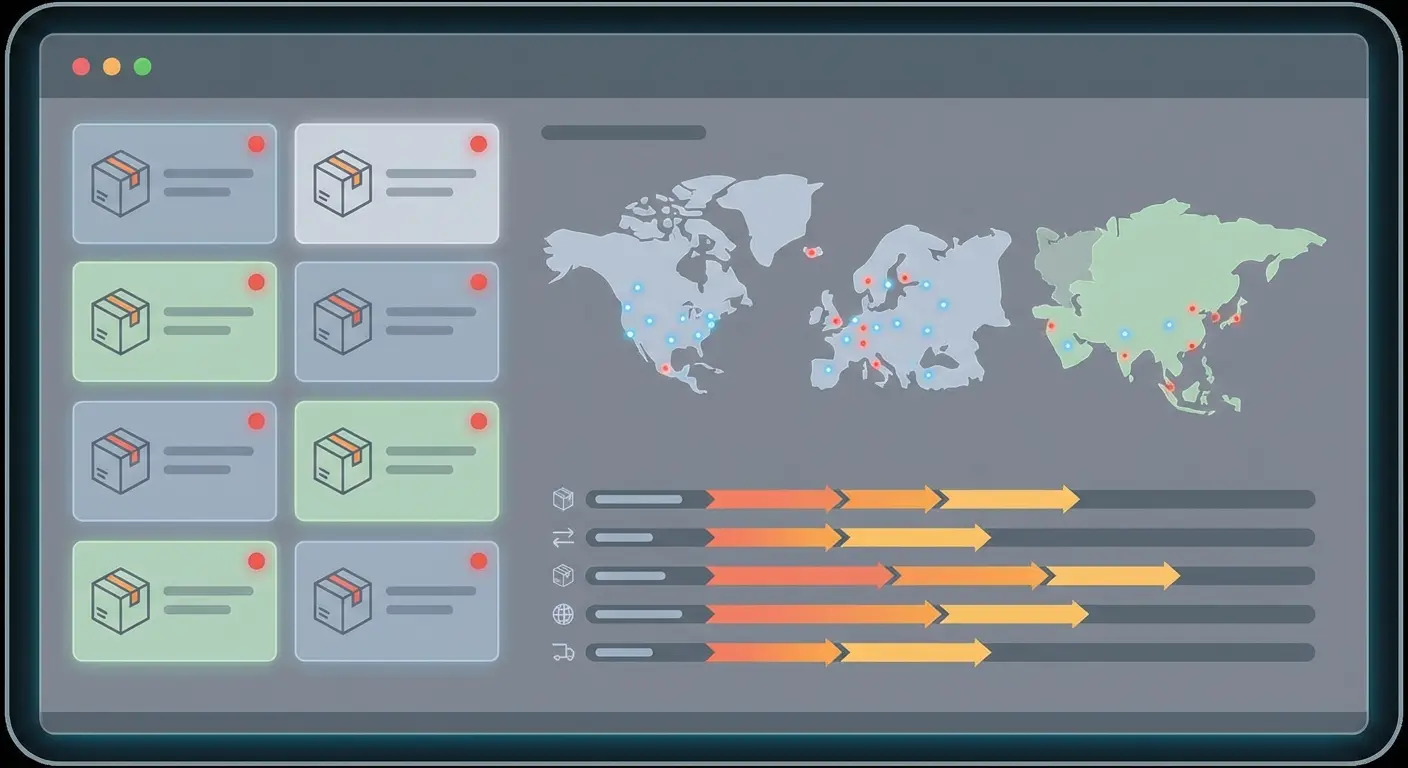
Most damage from amazon shipping problems comes from predictable seller reactions.
1. Overcorrecting With Massive Restocks
A stockout triggers panic, then a triple-size shipment. The result can be:
higher storage costs
cash tied up
aged inventory risk if demand normalizes
less flexibility for the next product or variation bet
Resilience is usually about timing, coverage, and optionality, not maximum volume.
2. Ignoring Communication Because “It’s FBA”
FBA can protect certain seller-controlled shipment metrics, but it does not protect your review profile or brand perception. Customers do not segment blame. They see the order experience.
3. Running Too Lean During Q4 or Prime Events
prime day delivery delays plus thin inventory is a common failure combo:
stockout
ranking loss
expensive recovery through ads and discounts
Events compress risk. Buffers typically need to expand before peaks and tighten after.
4. Treating Delays as One-Off Incidents
If you have asked “is amazon shipping delayed right now” multiple times this year, assume volatility is normal. Design around it.
Decision Walkthrough 1: Mid-Sized FBA Brand Facing Repeated Receiving Delays
Situation (hypothetical): a $1M/year home goods brand sees inbound shipments taking two weeks to become sellable, and stockouts are increasing.
Constraints:
60-day manufacturing lead time
limited warehouse space
moderate cash reserves
Failure pattern:
reorder point based on a one-week receiving assumption
inventory hits zero before the next inbound becomes available
ranking slides, then ads become more expensive
Adjustment path:
Recalculate reorder points using a conservative receiving buffer based on recent reality.
Add safety stock only to the highest-revenue SKUs.
Split replenishment into smaller shipments spaced 2 to 3 weeks apart.
Reduce ad aggressiveness when coverage falls below the buffer threshold.
Outcome logic: instead of trying to eliminate delays, the seller reduces the chance that delays create stockouts.
Decision Walkthrough 2: FBM Seller Experiencing Carrier Slowdowns
Situation (hypothetical): an FBM electronics seller sees rising customer messages asking, “why are amazon deliveries taking so long?”
Seller metrics are still within policy thresholds, but the trend is worsening.
Constraints:
one primary carrier
1-day handling promise
competitive niche
Failure pattern:
pickup windows missed multiple times per week
orders marked shipped but movement is delayed
customers perceive dishonesty
Adjustment path:
Increase handling time to 2 days temporarily to match pickup reality.
Add a secondary carrier for overflow and exception lanes.
Keep customer messaging factual and non-committal on dates you cannot guarantee.
Monitor late shipment and on-time delivery indicators frequently during the slowdown.
Outcome logic: protect account health first, then restore speed once reliability stabilizes.
Practical Takeaways for Sellers Managing Amazon Shipping Delays
Build buffers from worst-case receiving variability, not ideal timelines.
Treat delivery estimate shifts as conversion signals, not just logistics noise.
Expand safety stock before major peaks, then reduce it after the event.
Diversify fulfillment where it is economically viable and operationally sustainable.
Communicate early when delays are visible. Silence often increases refunds and negative feedback.
Treat repeated amazon delayed not yet shipped patterns as system feedback, then redesign the replenishment cadence.
Protect account metrics and customer experience first. Ranking recovery is usually slower and more expensive than prevention.
amazon shipping delays are not always a temporary glitch. For many categories, they are a recurring constraint of operating at scale inside a shared logistics network. The sellers who win long term are not the ones who avoid delays entirely. They are the ones who design their operation so delays become manageable variance, not existential threats.