Amazon SPP vs SPN: What Sellers Need to Know

Sarah Johnson

Amazon SPP vs Amazon SPN: Which One Do Sellers Actually Need?
Have you ever hired an agency, given them access to your account, and only later realized you were not fully sure how they were connected to your Seller Central?
That confusion is exactly where most sellers mix up Amazon SPP vs Amazon SPN. They sound similar, and they can show up in the same workflows. But they solve different problems.
If you are evaluating an amazon store management service, an amazon fba automation tool, or any other amazon third party software solutions, understanding the difference between SPP and SPN affects account security, permissioning, and how integrations are governed.
This guide breaks down both systems from a seller’s perspective, with practical decision rules and fact-safe guardrails that align with Amazon’s typical third-party access patterns.

Two Systems, Two Different Jobs
At a high level:
Amazon SPP (Solution Provider Portal) is used by many solution providers to manage registration and, where applicable, connect to seller accounts through approved authorization flows and APIs.
Amazon SPN (Service Provider Network), where available, is a directory-style experience intended to help sellers discover service providers.
A useful mental model:
SPN helps you find a provider.
SPP is part of how a provider can connect to your account when they use authorized access methods.
They are related in practice, but they are not interchangeable.
What Matters When Comparing SPP and SPN?
For experienced sellers, the evaluation usually comes down to these areas:
Account security and compliance
How is access granted?
Can permissions be limited and revoked cleanly?
Does the workflow avoid credential sharing and align with current Seller Central access controls?
Access to quality providers
Is there vetting or verification?
Is there transparency around scope and specialization?
Technical integration depth
Does the provider use API-based connectivity where appropriate?
Can it support an amazon seller api integration tool or other automation without relying on fragile workarounds?
Operational control
Can you manage multiple partners and tools without losing visibility?
Can you audit who has access and what permissions they have?
Scalability
Can your stack support multi-marketplace complexity?
Does it reduce risk as automated amazon account management expands?
Inside Amazon SPP: The Access and Integration Layer
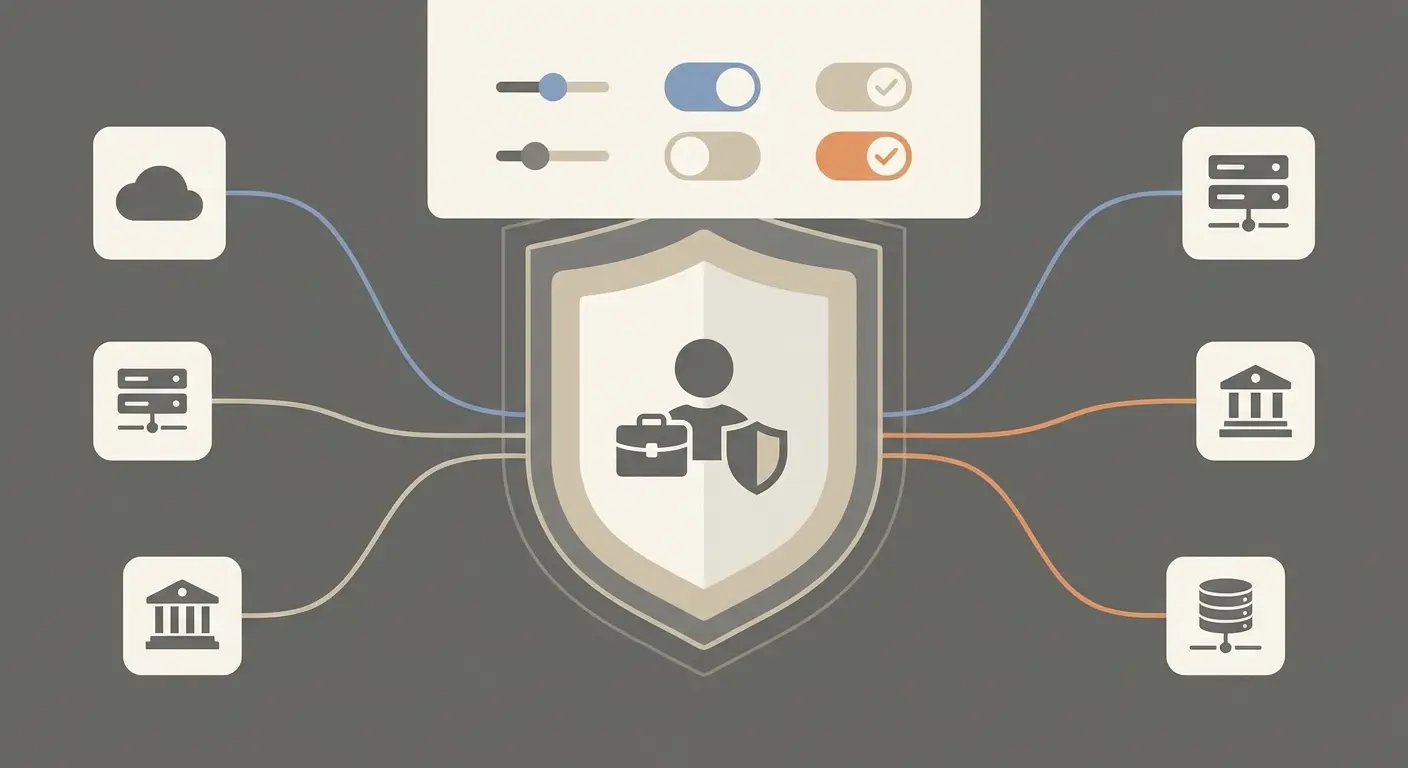
Amazon SPP, the Solution Provider Portal, is primarily designed for service providers, not sellers. Even so, it can impact sellers because it is often part of the way providers handle identity, authorization, and API connectivity.
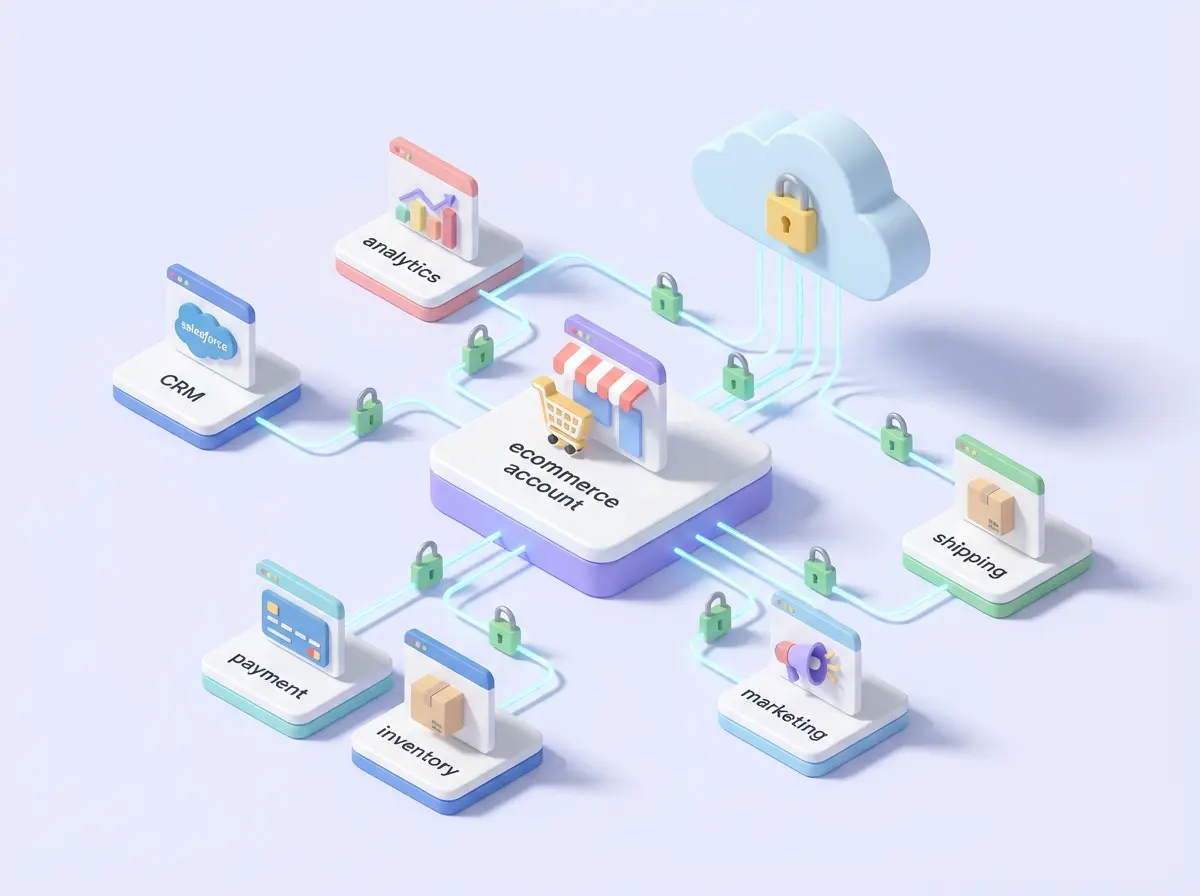
When you use amazon seller management software or broader amazon third party software solutions, the provider may rely on Amazon’s approved authorization mechanisms to request permissions and connect through Amazon APIs. In those cases, an amazon seller central integration service may reference SPP as part of its setup and compliance posture.
Where SPP Is Strong
Permission-based access that avoids password sharing
Many modern workflows rely on granting permissions through Seller Central’s user and app authorization features, rather than sharing credentials. Sellers can typically limit access to only what the provider needs, such as advertising, reports, or inventory-related functions, depending on the tool and the permissions model Amazon supports in that context.
This is usually safer than shared credentials or unmanaged secondary logins.
Structured API connectivity for automation
If you rely on automation, API-based connections are generally more stable than browser automation or manual exports. This is where an amazon fba automation tool, an amazon performance tracking tool, or other automation workflows often fit.
In practice, many sellers treat this as the foundation for amazon seller account automation, especially when multiple systems need consistent data and controlled access.
Cleaner offboarding and access review
When permissions are granted through official pathways, offboarding is usually easier. You can disable user access, revoke app authorizations, and reduce exposure during agency transitions.
Seller rule of thumb: if a provider cannot clearly explain how they request access and how you revoke it, pause and clarify before proceeding.
Where SPP Falls Short
It is not a discovery marketplace
SPP is not designed to help you compare agencies or shortlist vendors. If you are trying to select an amazon marketplace management service, SPP alone does not help you evaluate quality or fit.
Complexity for non-technical teams
Even when the authorization flow is correct, sellers can approve access without fully understanding the implications of each permission scope. This is manageable, but it requires internal discipline and documentation.
Cost and effort (fact-safe view)
Sellers generally do not pay a fee to “use SPP” as a standalone product. Costs usually come indirectly from the provider relationship, implementation time, and internal governance.
Some providers may have their own costs to build, maintain, or certify their integration, but those commercial terms sit with the provider, not the seller.
Common risks and failure modes
Over-permissioning
Sellers sometimes grant broad permissions to speed up onboarding. Limit permissions to what is necessary, then expand only if justified.
Accumulated integrations without documentation
Over time, sellers can lose track of active tools. This is a common failure mode with amazon seller account automation because each additional tool becomes another potential point of access.
Dependency on authorization scope
If an app loses authorization, changes permissions, or is removed, dependent workflows can break. Build monitoring and fallback procedures where feasible.
Inside Amazon SPN: The Discovery Layer

Amazon SPN, the Service Provider Network, is intended to help sellers find service providers. Availability, categories, and presentation can vary by region and account type, and Amazon can change these programs over time.
Where it is available, sellers may find providers for:
Advertising management
Listing optimization
Tax and compliance support
Prep and logistics services
Full amazon store management service engagements
International expansion consulting
SPN largely answers, “Who might help me?”
Where SPN Is Strong
Centralized discovery
Finding providers inside Amazon’s ecosystem can reduce initial screening time and avoid obviously unverified operators.
Category filtering
If you need a specific service type, SPN-style filtering can narrow the field faster than general search.
Lower internal trust friction
For some teams, selecting a provider surfaced inside Seller Central may be easier to justify internally than choosing an unknown vendor.
A safe expectation: SPN can reduce search friction, but it does not eliminate the need for due diligence.
Where SPN Falls Short
No guarantee of outcomes
Amazon does not guarantee performance or results from service providers listed in a directory. Sellers still need contracts, clear scope, and KPIs.
Limited operational visibility
A listing rarely communicates how a provider handles suppressed listings, catalog conflicts, reimbursements, or escalation processes. Interviews, references, and scoped pilots still matter.
Discovery is not integration
SPN does not automatically provide an integration. If the engagement includes apps, APIs, or reporting, you still need to validate the provider’s access model and governance.
How These Systems Interact in Practice
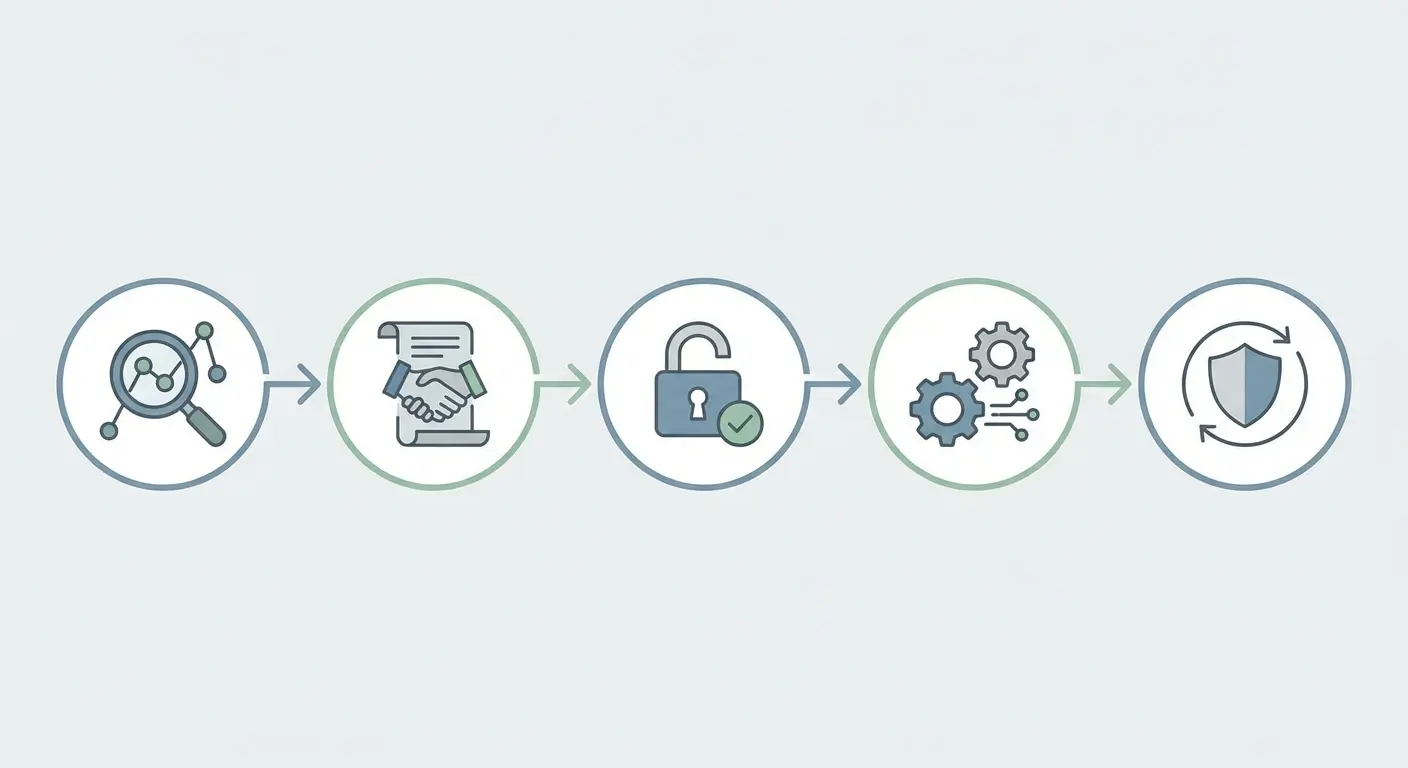
In a mature stack, sellers often use both patterns:
A provider is discovered through a directory-style channel, sometimes SPN.
Scope, pricing, and responsibilities are negotiated.
Access is granted using Seller Central permissions and, where applicable, app authorization.
If software is involved, connectivity is handled through Amazon’s supported API pathways and the provider’s implementation.
The recurring mistake is assuming one replaces the other.
SPN answers: who might you hire?
SPP relates to: how a provider or application can be authorized and governed.
Matching the Right Approach to Your Stage
If your problem is “I need expert help”
A directory approach can be a reasonable starting point, especially if you want a full amazon store management service or a specialist for a narrow operational gap.
Treat the listing as a lead source, not a guarantee. Validate process, references, and access controls.
If your problem is “I need automation and scale”
SPP-related governance and official authorization pathways become central. You likely need:
an amazon seller api integration tool for dependable data flows
an amazon fba automation tool that does not rely on credential sharing
an amazon performance tracking tool aligned with your reporting needs
reliable tools to scale amazon business operations without compounding access risk
This is also where amazon seller management software can either simplify operations or add complexity, depending on how permissions are structured.
If you run multi-agency or multi-tool stacks
As the stack grows, governance matters more than features. Maintain a simple access register, document each integration, and periodically review permissions.
This is the practical core of automated amazon account management. Without oversight, automation becomes unmanaged access.
A Practical Recommendation (With Caveats)
Most serious sellers do not strictly choose between Amazon SPP vs Amazon SPN. They use discovery methods to find providers and then enforce tight authorization and governance once a provider is selected.
Use this framework:
If you are hiring your first external partner, use a directory approach for discovery, then insist on clean access provisioning and least-privilege permissions.
If you are implementing software, verify how the provider authenticates, what permissions it requests, and how you revoke access.
If you operate multiple marketplaces and systems, document every integration and review access quarterly.
If you require higher assurance, prioritize vendors that can explain their controls and, where applicable, their amazon spp authorized software status in concrete terms, including what that means for authorization, data handling, and revocation.
One rule that remains consistently safer: if a provider asks for your password or suggests bypassing Seller Central’s normal access controls, stop and switch to an approved authorization method.
Side-by-Side Snapshot for Quick Reference
| Dimension | Amazon SPP | Amazon SPN |
|------------|------------|------------|
| Primary role | Provider-side portal commonly associated with authorization and API governance workflows | Seller-facing provider discovery, where available |
| Built for | Agencies, developers, software providers | Amazon sellers |
| Helps you find providers | No | Yes |
| Governs API integrations | Often, indirectly through supported authorization patterns | No |
| Supports automation | Through properly authorized integrations | No, it is discovery-focused |
| Seller cost | Typically no direct fee | Typically free to browse |
| Main risk | Over-permissioned or undocumented integrations | Hiring mismatch and unclear scope |
Final Thoughts
Amazon SPP vs Amazon SPN is less a competition and more a separation of responsibilities.
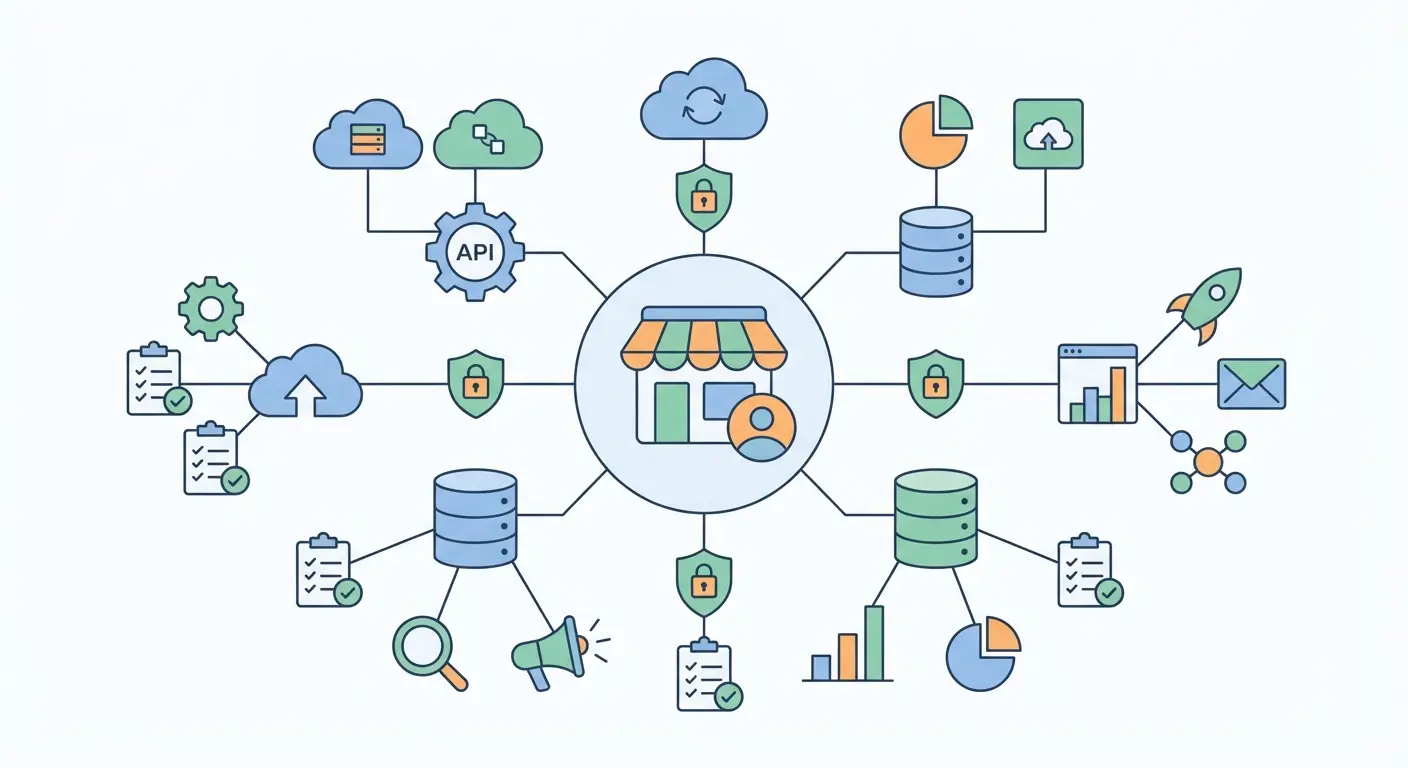
SPN can help you identify who to work with. SPP-related authorization and governance help ensure that work happens with controlled permissions and a safer integration posture.
As your stack of amazon third party software solutions grows, build a deliberate system for access control, documentation, and periodic audits. That is what turns amazon marketplace management service engagements, amazon store management service partnerships, and amazon seller account automation into scalable operations instead of compounding risk.