How to Buy Amazon Liquidation Pallets in 2026

Sarah Johnson
How to Buy Amazon Liquidation Pallets in 2026 Without Creating Expensive Inventory Problems
If your aged inventory is climbing, return rates are messy, or you are looking at liquidation pallets as a sourcing shortcut, the first question is not where to buy. It is whether the economics still work after freight, prep, defect rates, category restrictions, and time. That is the real filter behind how to buy amazon liquidation pallets 2026 and whether liquidation belongs in your business at all. For experienced sellers, the opportunity is usually not “cheap inventory.” It is using liquidation selectively, either as a recovery lever for FBA overstock or as a disciplined sourcing channel where you already understand the category, the condition risk, and the resale path.
What sellers usually mean by “Amazon liquidation pallets”
When people talk about Amazon liquidation pallets, they often mix together three different things.
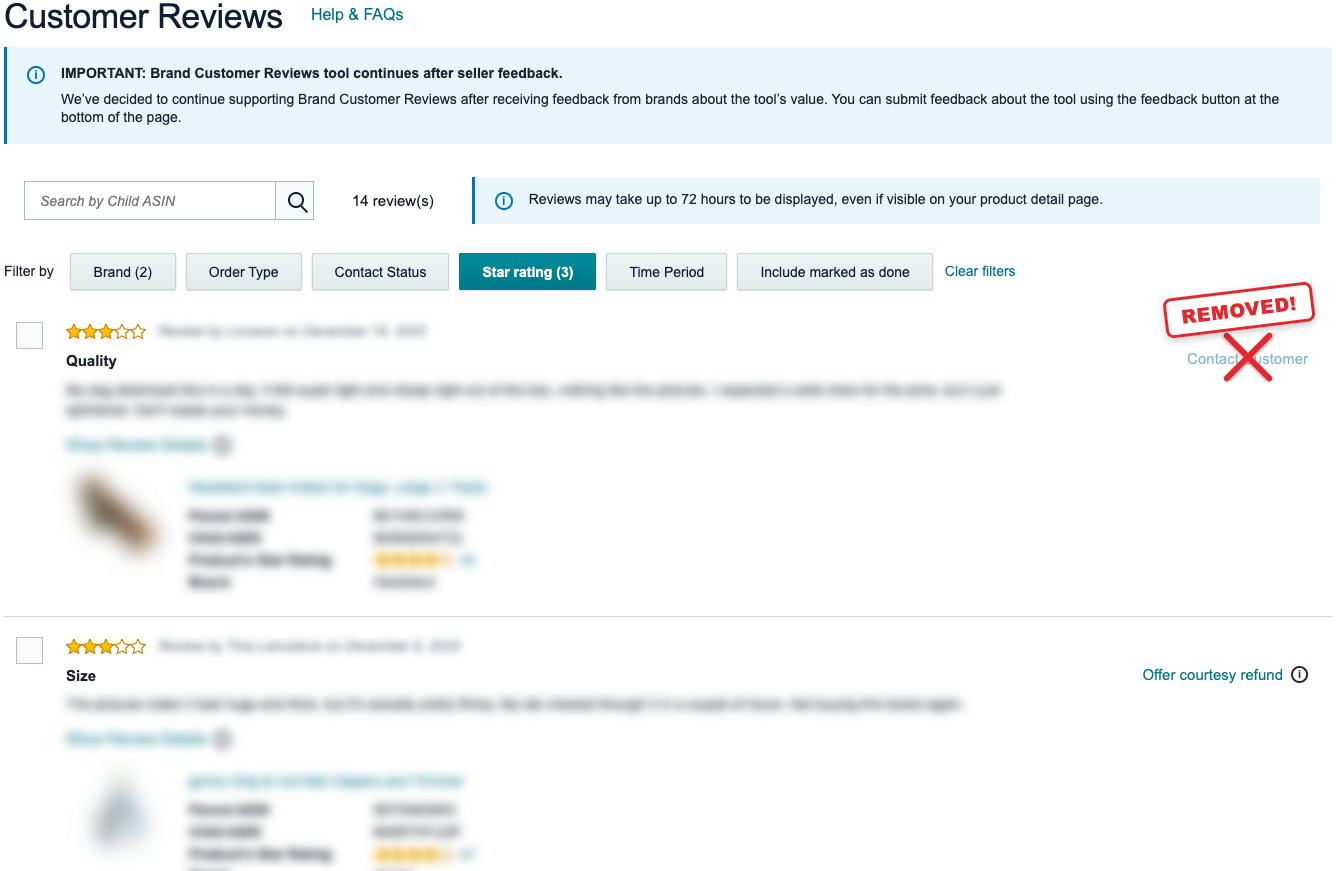
First, there is the Amazon FBA Liquidations program (availability and terms vary by marketplace and account), where eligible inventory can be liquidated instead of disposed of or removed. Amazon routes inventory through liquidation channels, and the seller may receive a recovery amount under the program’s terms. This is part of an amazon fba recovery and liquidation strategy, not a sourcing strategy.
Second, there are pallets made up of Amazon customer returns in bulk, overstock, shelf pulls, and mixed-condition goods sold by auction marketplaces or liquidation intermediaries. This is what most buyers mean when they ask about amazon liquidation auctions for bulk buyers or the best websites for amazon liquidation pallets.
Third, there is generic wholesale liquidation inventory that sellers casually label “Amazon pallets” even when the chain of custody is unclear. That distinction matters. If you cannot validate the source, manifest quality, and resale rights, you are not really buying Amazon liquidation in an operationally useful sense.
A useful scope check is this: are you trying to recover value from your own inventory, or are you trying to source inventory for resale? The process, margin structure, and risk profile differ enough that they should be treated separately.
The decision starts with economics, not the pallet price
Most sellers get this wrong in one of two ways. They compare pallet cost to retail value, or they compare liquidation recovery to disposal cost. Neither view is complete.
For buyers, pallet economics are built on landed cost per sellable unit, not listed MSRP and not “estimated retail value.” A pallet with recognizable brands can still be a poor buy if too many units are incomplete, damaged, hazardous materials restricted, or only practical to sell off-Amazon.
For existing FBA sellers, the right comparison in amazon fba liquidation program vs disposal is not simply “some recovery is better than none.” You need to compare expected recovery against removal cost, storage fee exposure, relisting odds, labor to process elsewhere, and downstream risk if your branded goods reappear in channels that conflict with your pricing strategy.
Expectation vs reality:
Expectation: liquidation is the clean fix for excess inventory.
Reality: liquidation is often a loss-containment option after replenishment errors, stale demand, or return damage have already narrowed your choices.
This is especially important if your goal is reducing long term storage fees with liquidation. Liquidation can be rational when inventory is unlikely to recover through normal sales velocity, but it is still a control lever, not margin creation.
How liquidation actually moves through the system
If you are liquidating your own FBA stock, the flow is usually straightforward. Eligible units enter the liquidation workflow instead of disposal or removal. Amazon then sells that inventory through liquidation channels, and you may receive a recovery amount under the program rules after applicable fees. Because eligibility, fee treatment, and program availability can change, confirm current terms inside Seller Central before you make operational assumptions.
If you are buying, the chain looks different. Inventory may originate as customer returns, overstock, packaging-damaged goods, mixed salvage lots, or other sources depending on the intermediary. It is then aggregated, graded with varying consistency, listed on a marketplace, sold by pallet, case, or truckload, and shipped to the buyer. Between those steps, usable quality information often degrades.
That is why legitimate amazon liquidation pallet sources matter more than headline discounts. Reliable sources tend to identify origin at a meaningful level, provide manifests when available, disclose condition categories, maintain auction history, and operate at enough volume that patterns become visible over time. Weaker sources tend to rely on vague claims, low-detail listings, and inflated retail comparisons.
If your goal is how to find wholesale liquidation pallets for fba, treat “for FBA” as something you prove, not something a listing promises. Before you model any resale on Amazon, validate three issues: condition compliance for the ASIN and category, authenticity and documentation expectations in case of an inquiry, and whether the item can be listed in the condition Amazon allows for that product. Many pallet items fail at least one check.
Where experienced sellers actually buy, and why local sometimes wins
The usual search for best websites for amazon liquidation pallets points toward liquidation auction platforms and established B2B marketplaces. That can work, especially for buyers who understand manifests and can absorb variance. But online access is only one part of the sourcing map.
For many operators, where to buy amazon return pallets locally is the better question. Local buying changes the economics in three ways: you may inspect more closely, freight is lower or eliminated, and the resale path is easier if a meaningful share of the pallet belongs on local channels anyway.
Local options can include warehouse liquidators, regional auction houses, freight salvage operators, and business liquidators that process retail returns. Local is not automatically safer. It can, however, reveal issues that photos and manifests hide, especially with bulky categories, mixed lots, and high-breakage inventory.
A practical rule holds up: if you need the pallet to be good in order to make money, pass. The better buys still work after a realistic damage rate and a slower-than-expected sell-through.
How to underwrite a pallet before you bid
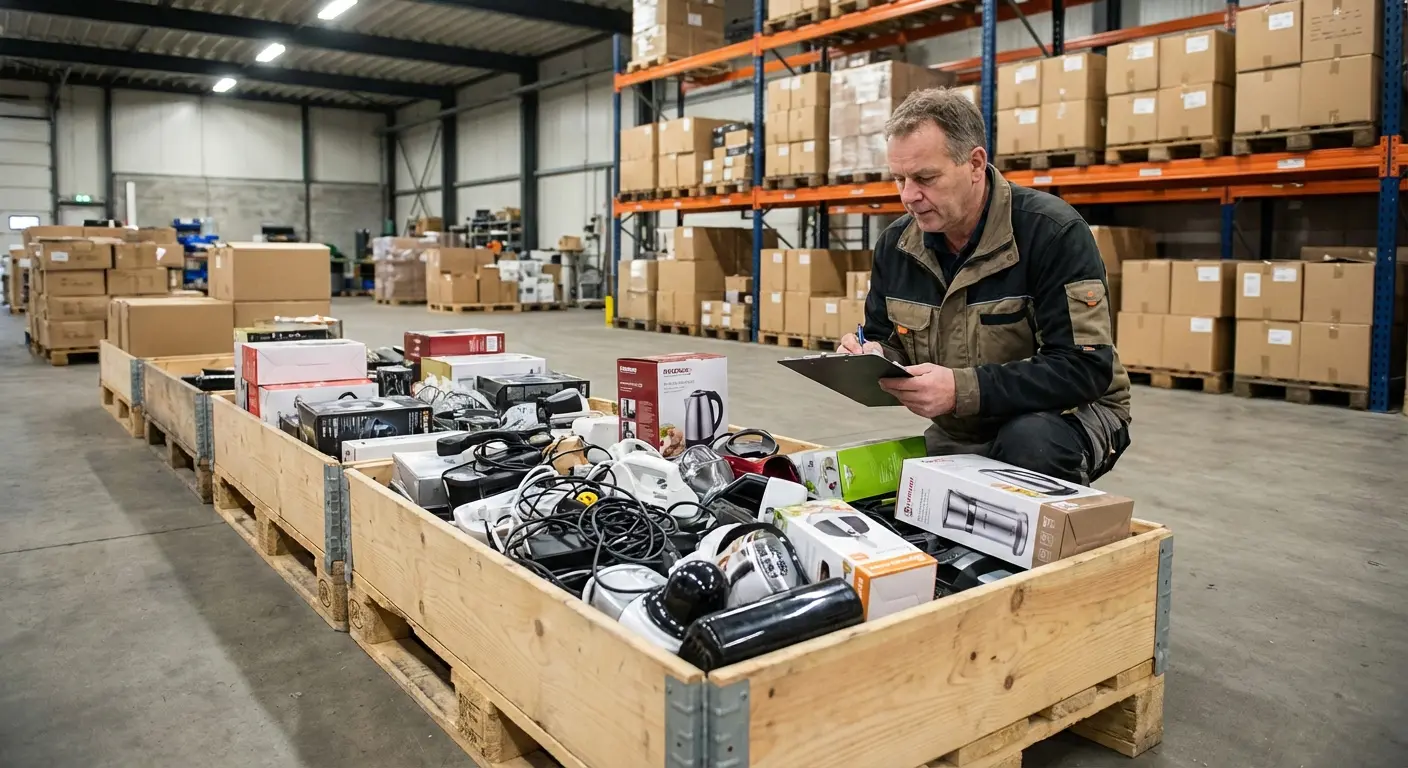
A working underwriting process is what separates a sourcing tactic from gambling.
Start with resale channel fit. Do not ask whether the inventory is profitable in general. Ask where each condition tier will actually move. New and like-new goods may fit Amazon. Open-box may fit other marketplaces depending on category and permissions. Bulky or awkward goods may fit local channels. Low-value leftovers may only move as bundles, lots, parts, or secondary liquidation.
Then estimate salvage rate by category. Electronics, small appliances, toys with many components, and seasonal goods each fail differently. The issue is not only whether the product works. It is whether it is complete, safe, compliant, and economical to test.
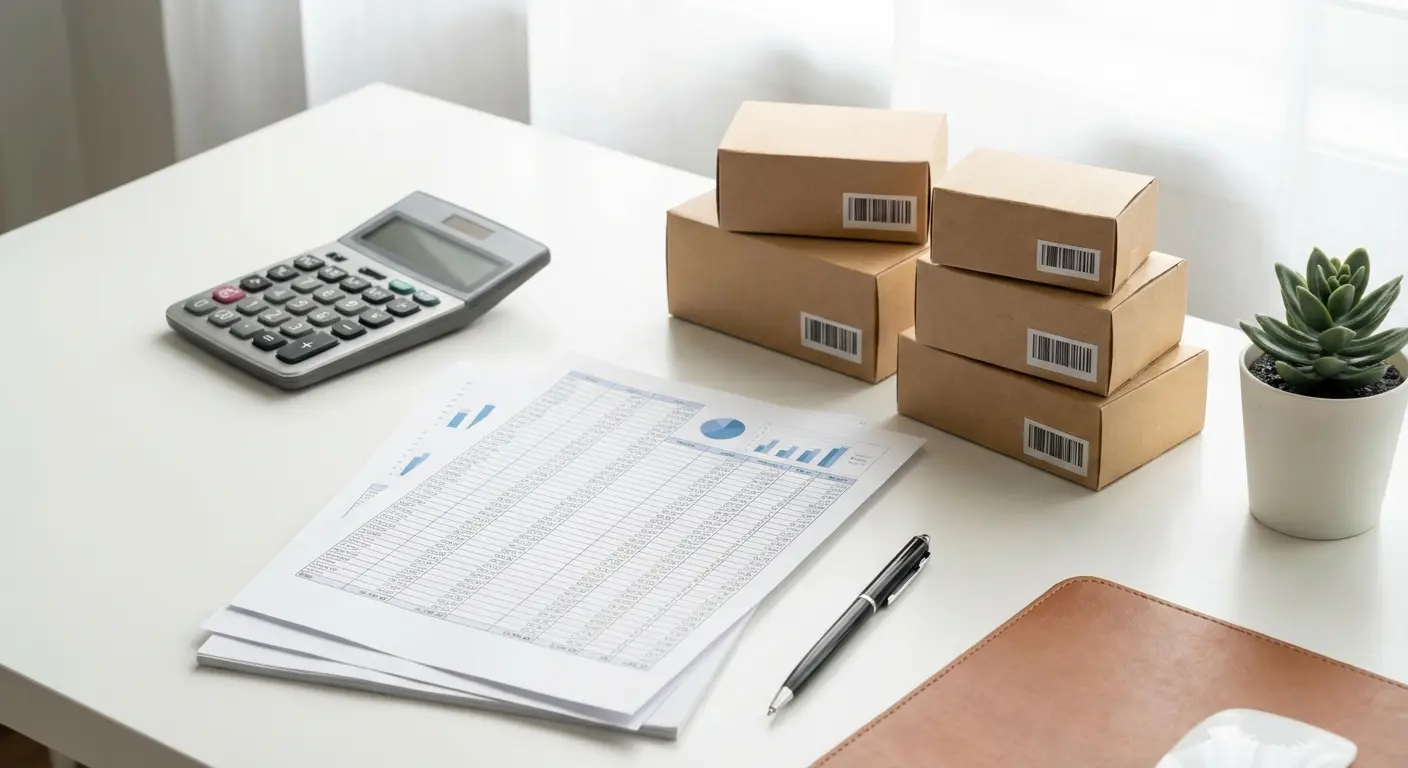
Next calculate true landed cost. This includes pallet cost, buyer’s premium if applicable, freight, unloading, storage, testing supplies, repackaging, prep labor, disposal of broken units, marketplace fees, and expected returns. The hidden line item is usually labor.
For sellers evaluating the profitability of amazon return pallets for reselling, the key input is not gross margin on the best units. It is contribution margin after non-sellable inventory and slow liquidation of leftovers. Many pallets look profitable until you model the bottom third of the contents.
A simple screen helps:
What percentage can be sold on your best channel?
What percentage is likely to require testing or rework?
What percentage will probably become low-value bundles, parts, or trash?
How long will capital be tied up?
If you cannot answer those four questions with category-specific assumptions, the pallet is still speculative.
Using liquidation as an FBA overstock tool, not a panic button

An amazon fba overstock liquidation guide should start earlier than most sellers want to admit. By the time inventory is deeply aged, your options are usually worse and recovery is often smaller.
The operational pattern that works best is staged intervention. First, identify SKUs with deteriorating sell-through early enough to test repricing, coupons, ad cuts, bundling, or removal to non-Amazon channels. Second, segment inventory by recoverability: units worth defending, units worth removing, units worth liquidating, and units worth disposing. Third, decide before fee deadlines rather than after them.
This is the core use case for liquidating excess inventory on amazon fba. You are protecting portfolio health, storage capacity, and cash conversion, not rescuing every SKU.
A common mistake is sending too much inventory into FBA and treating liquidation as a fallback. FBA works best when inbound discipline is strong and liquidation is reserved for inventory that no longer deserves warehouse space or management attention.
Selling liquidation inventory through Amazon: possible, but narrower than people think
Many sellers search how to sell liquidation pallets on amazon fba as if the pallet itself is the business model. In practice, only a subset of units from most liquidation buys are candidates for Amazon, and an even smaller subset fits FBA cleanly.
To sell units via Amazon, you need defensible confidence on condition, authenticity, completeness, labeling, and category eligibility. Customer-return inventory often fails because packaging is compromised, accessories are missing, serial-number handling is inconsistent, or the item belongs in a condition tier that is restricted for that category or ASIN.
That does not mean liquidation inventory has no Amazon resale path. It means the path works best in narrower scenarios:
more homogeneous lots rather than heavily mixed pallets
categories you already know deeply
products you can test efficiently
items with strong sell-through and low return sensitivity
units you can document and prep to the required standard
For many buyers, the winning model is hybrid. Pull the cleanest inventory into Amazon, route used or open-box inventory elsewhere, and move the tail quickly rather than forcing everything through FBA.
Three realistic scenarios sellers run into
Aged FBA SKU that should have been triaged earlier
Hypothetical case: a private label seller overbought a seasonal accessory. Demand weakened, storage age increased, and better SKUs became constrained by capacity or cash. The choice became markdown, removal, liquidation, or disposal.
In this situation, amazon fba liquidation program vs disposal depends on residual demand off-Amazon, processing cost if removed, and channel risk. If the units are eligible for liquidation, liquidation may recover more than disposal while freeing space. If the goods are unlikely to have secondary market value or create brand leakage concerns, disposal or controlled removal can be cleaner.
Mixed returns pallet with strong brands and weak resale quality
Hypothetical case: a reseller buys a returns pallet based on a strong manifest. On arrival, a meaningful share is incomplete, heavily used, or missing power supplies. The top-line retail value looked attractive, but the test-and-sort burden is high.
The lesson is that buying amazon customer returns in bulk only works if your process is built for variance. If not, labor can erase the margin. This type of pallet often performs better for operators with in-house testing, parts harvesting, and multiple exit channels.
Local pallet buy that beats online auctions on total margin
Hypothetical case: a seller finds where to buy amazon return pallets locally through a regional liquidator and inspects enough to avoid categories with obvious damage patterns. The purchase price is not dramatically lower than online, but there is no long-haul freight and local bulky resale is efficient.
This can be a durable edge. It is not because local lots are inherently better. It is because transport and inspection advantages can compensate for thinner gross margin.
What experienced sellers often get wrong about liquidation
One misunderstanding is treating liquidation as wholesale. It is not. Wholesale depends on repeatability, authorized supply, and cleaner unit economics. Liquidation depends on variance management.
Another is assuming a manifest is close enough to reality to underwrite the deal. Sometimes it is directionally useful. Sometimes it is incomplete, outdated, or built from broad categories rather than unit-level verification. The less standardized the lot, the more cautious you should be.
A third is believing Amazon is always the best resale channel. For many categories, used and open-box inventory performs better elsewhere once you account for prep standards, return rates, and buyer expectations on Amazon.
There is also confusion around “legitimate” sourcing. Legitimate amazon liquidation pallet sources are not just sellers with a polished website. Legitimacy is operational: clear origin claims, predictable listing format, enough history to evaluate, and direct answers about condition and freight terms.
Where the model breaks down
Liquidation is a weak fit when you depend on uniformity, have no testing capacity, only sell through one channel, or need every unit to be FBA-eligible.
It is also weak in categories with high defect sensitivity, expensive reverse logistics, or a high rate of missing components. Certain branded products create additional risk if invoices, authorization, or authenticity documentation are unclear. Amazon can also restrict categories or listing conditions in ways that make a pallet’s “retail value” irrelevant to actual resale value.
Another edge case is brand protection. If you are liquidating your own overstock, short-term recovery may conflict with channel strategy if discounted goods reappear in places that disrupt pricing or customer perception.
What to keep in mind before you make liquidation part of the business
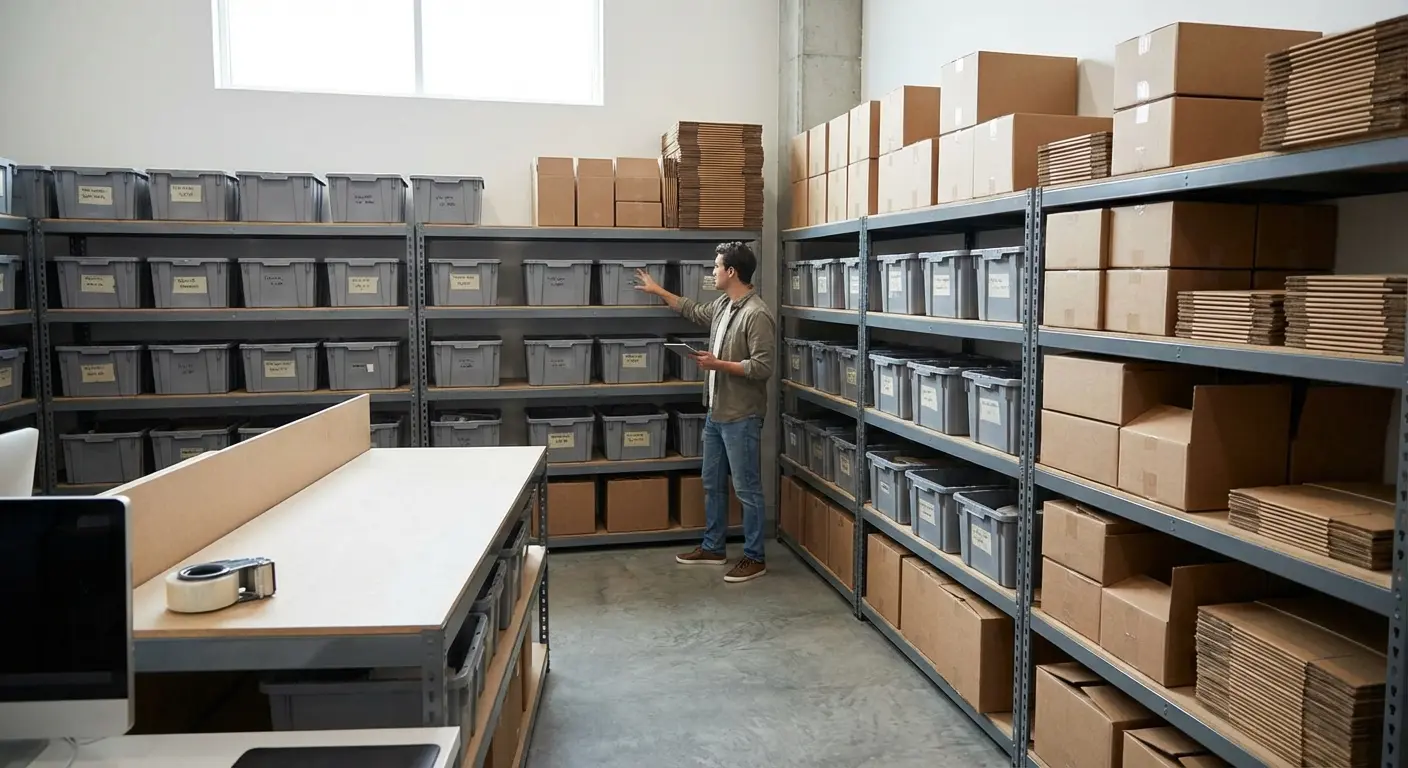
If you are exploring how to buy amazon liquidation pallets 2026, start with a category you already understand, not the cheapest lot on the screen.
If you are comparing amazon fba liquidation program vs disposal, decide based on total recovery, fee avoidance, labor, and channel risk, not on the instinct to save every unit.
If you need reducing long term storage fees with liquidation, intervene early. Liquidation works better as a planned inventory control tool than as an end-stage cleanup.
If you are evaluating the profitability of amazon return pallets for reselling, model the bad units first, not the best units.
If you want how to sell liquidation pallets on amazon fba, assume only a portion belongs there and build secondary channels for the rest.
If you are looking for best websites for amazon liquidation pallets or where to buy amazon return pallets locally, source quality matters, but process quality matters more once inventory arrives.
If you want a durable amazon fba recovery and liquidation strategy, treat liquidation as one lever inside broader inventory discipline, not as a standalone fix.
For buyers who need a repeatable supply lane, prioritize amazon liquidation auctions for bulk buyers that provide consistent lot descriptions and terms, then validate them against your own inbound QC data.
For sourcing that still has a wholesale-style workflow, focus on how to find wholesale liquidation pallets for fba in categories where you can test quickly and where condition rules are predictable.