How to Sell Shoes on Amazon FBA in 2026

Olivia Reyes
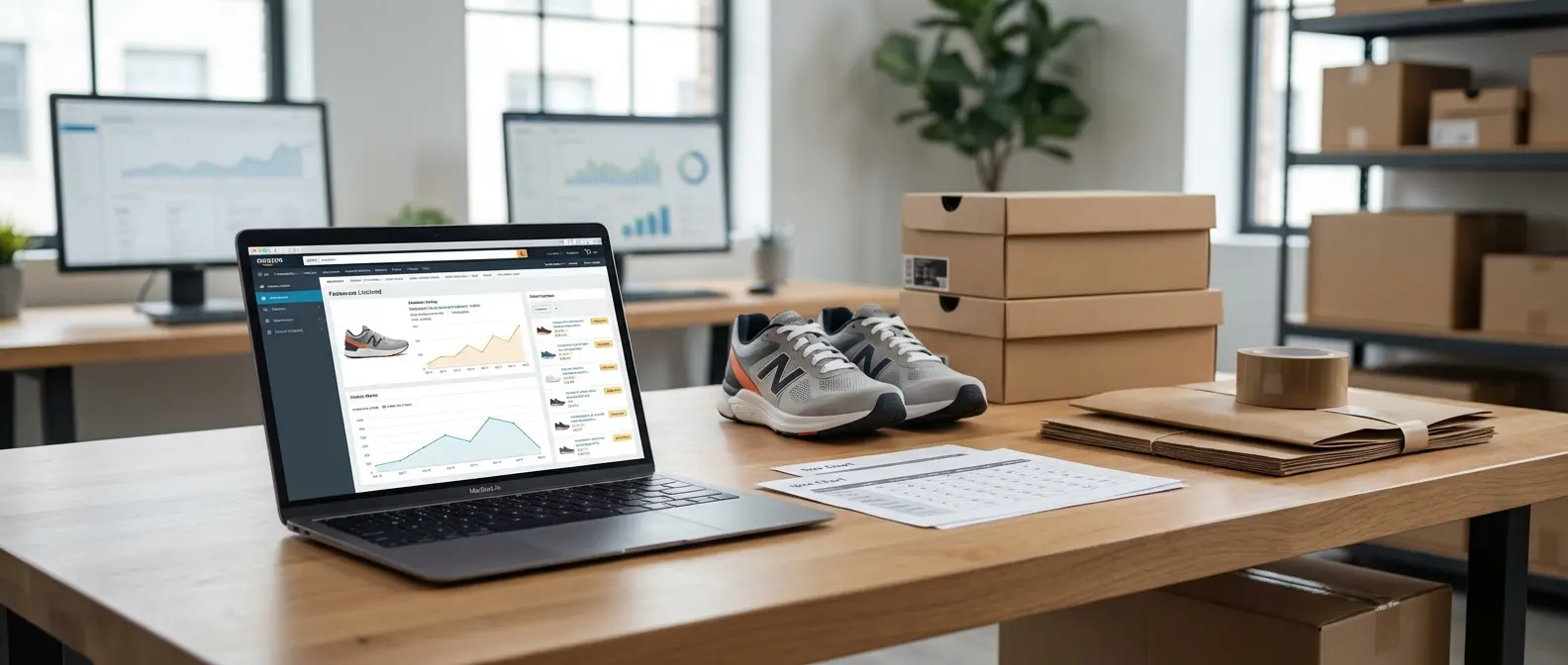
How to Sell Shoes on Amazon FBA 2026 Without Letting Returns Eat the Margin
If your shoe listing converts well but still loses money, the problem is usually not traffic. It is fit uncertainty, variation mistakes, packaging issues, or brand compliance problems that show up later as returns, stranded inventory, and suppressed listings.
That is the hard part of how to sell shoes on amazon fba 2026. Shoes can sell fast, but they punish weak execution faster than many categories. The category looks attractive from the outside because demand is obvious. In practice, the sellers who protect margin are the ones who choose the right model for their constraints, build listings around fit clarity, and treat returns as a product and catalog problem, not just an operations problem.
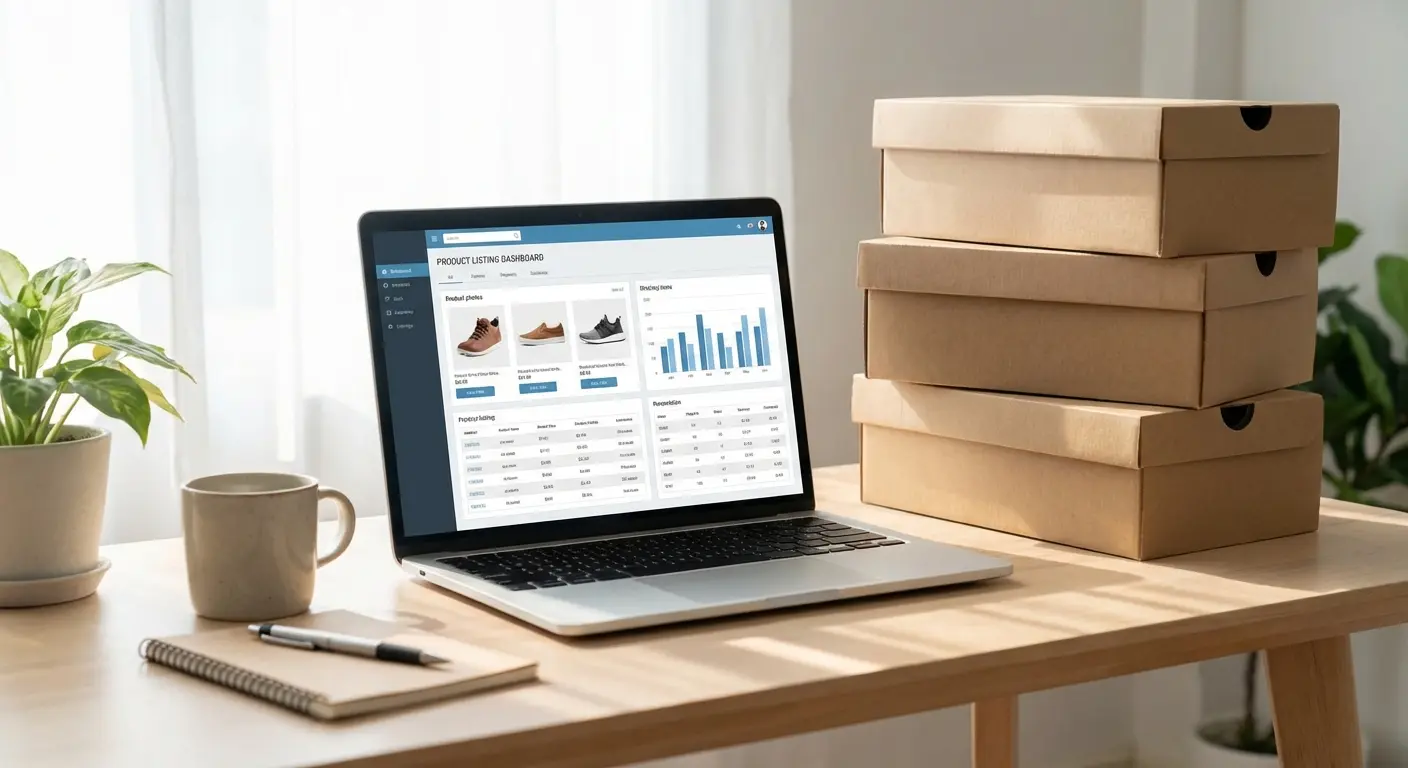
The three ways most sellers enter footwear
Most shoe sellers on Amazon operate in one of three models:
Wholesale or resale of existing brands
Private label footwear
Brand-owned or authorized brand distribution
There is also a narrower path for handmade or custom footwear, but for most FBA sellers it has different economics and more operational complexity. For this article, the real comparison is between the three models above.
Why this matters: advice that works for one model often breaks another. A wholesale seller cares most about authentic sourcing, restricted brand access, and buy box durability. A private label seller cares more about sizing consistency, sampling discipline, and listing conversion. A brand owner has more control, but also more responsibility for catalog structure, protection, and long-term return reduction.
What actually determines whether shoes work on Amazon
Before comparing models, it helps to define the criteria that matter in footwear specifically.
Margin after returns, not before returns
Footwear can look profitable on paper and become average or worse after return activity. Evaluate contribution margin after expected returns, damaged pairs, prep costs, disposal or removal costs, and the occasional unsellable unit.
Fit clarity
A shoe listing often rises or falls on whether buyers can predict fit. This is where amazon shoe size chart requirements for sellers become commercially important, not just a compliance detail. The clearer the size mapping and fit notes, the lower the mismatch risk.

Catalog structure
Shoes need disciplined variation structure. Managing shoe variations parent child listings fba is not just about neatness. Weak parent-child setup can fragment reviews, confuse size selection, and create discoverability or conversion problems.
Compliance and authenticity resilience
Some footwear opportunities are easy to list until the first authenticity challenge or brand complaint. For sellers dealing with established brands, selling branded shoes on amazon authenticity requirements is often the real gatekeeper to scale.
Prep and inbound reliability
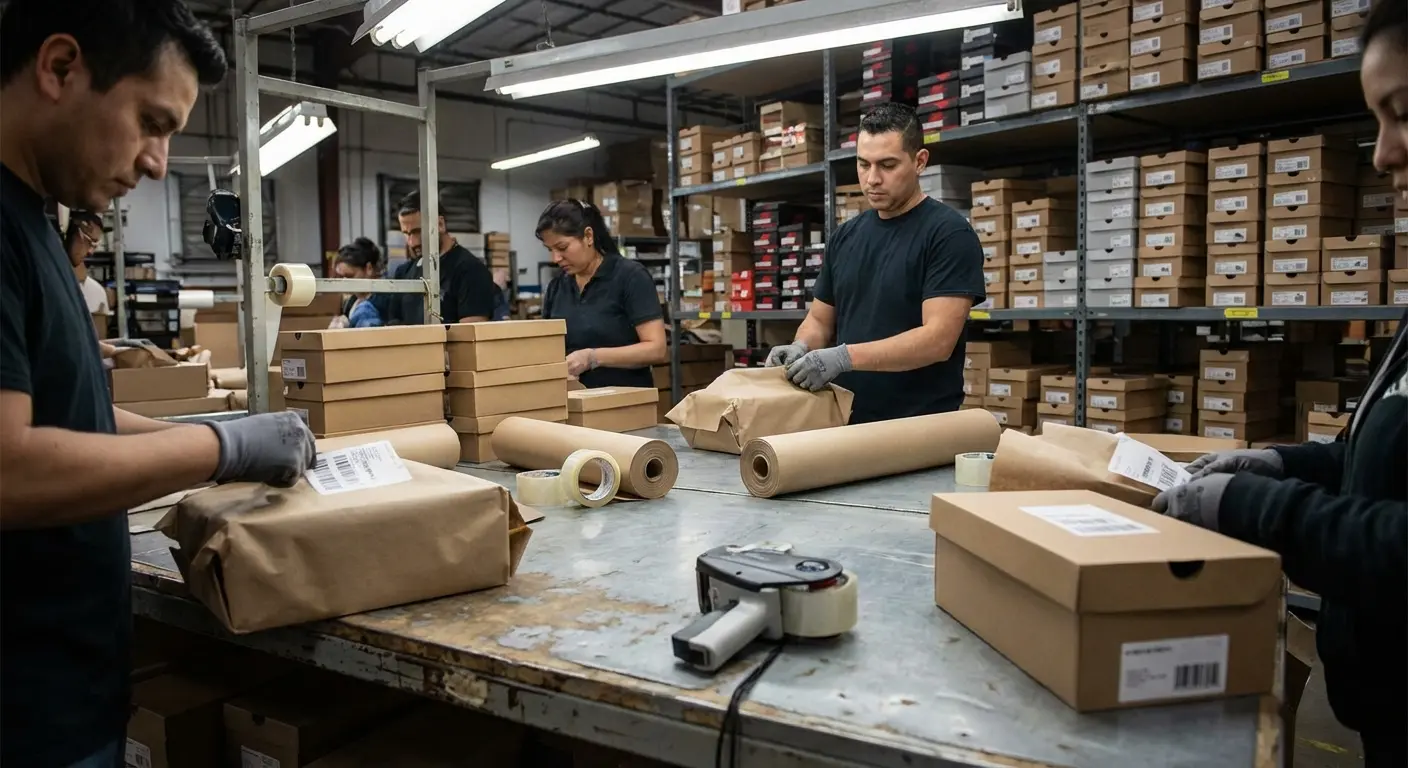
Shoes are vulnerable to packaging damage, label mismatch, and condition disputes. Understanding amazon fba shoe packaging and shipping rules matters because footwear buyers notice box condition, and damaged retail packaging can lead to buyer dissatisfaction even when the shoes themselves are fine.
Content quality that reduces uncertainty
Shoes need stronger images and fit messaging than many hardgoods. Amazon shoe photography guidelines for listings, and careful copywriting, are not cosmetic tasks. They help reduce buyer hesitation and mismatched expectations.
Wholesale and resale: fastest path, weakest control
For many sellers, wholesale or resale is the first footwear model they test because demand already exists and branded searches are often easier to capture than awareness for a new shoe brand.
Where this model works well
The biggest strength is demand clarity. You are not trying to invent a market. If buyers already search for a known brand and model, conversion can be strong when your offer is competitive and your sourcing is legitimate.
It is also a practical route if your real skill is sourcing, not product development. If you know how to source shoes for amazon fba resale, can verify chain of custody, and can avoid restricted brands or listings you cannot support with documentation, you may get to market much faster than a private label seller building from scratch.
There is also less content burden in some cases. You are often joining an existing ASIN rather than creating a listing from zero, though that comes with tradeoffs.
Where this model gets difficult fast
Control is the weakness. You do not control the listing, the brand story, the fit guidance, or often the image quality. If the page is weak, you inherit the conversion problem. If the page is inaccurate, you inherit part of the return problem.
You are also exposed to category restrictions, brand restrictions, and authenticity reviews. Any serious getting ungated in amazon shoes category guide should start with a hard truth: approval to sell in a category or on a listing is not permanent protection from future invoice reviews, complaints, or removals. Amazon can request documentation again, and sellers still need valid sourcing records.
The buy box can also become unstable. Shoes often attract multiple sellers on faster-moving branded ASINs, and margin compression can become severe once repricing begins.
Cost and effort profile
The upfront effort is lower than private label because you are not building a new product. The ongoing effort can be higher than expected because sourcing discipline, invoice quality, and inventory rotation matter constantly.
You should expect time spent on:
supplier vetting
invoice management
restricted product and brand checks
condition control during prep and inbound
pricing and buy box monitoring
Typical failure modes
One common failure mode is treating all branded inventory as equally sellable. It is not. Some pairs are easy to source but difficult to defend if questioned. If your invoice trail is weak, your account risk rises even if the product itself is genuine.
Another is joining a listing with poor variation logic. If sizes, widths, or colorways are messy, conversion and returns both suffer. This is where a seller often learns that reducing high return rates for shoes on amazon starts with catalog hygiene, even when you are not the brand owner.
A third issue is damaged packaging. Shoe buyers often care about original box condition, especially for giftable, collectible, or premium styles. If prep is loose or inbound handling is rough, those units can generate avoidable dissatisfaction.

Best fit for
This path fits sellers who:
are strong at sourcing and documentation
understand restricted brands and invoice standards
want faster market entry
can tolerate less control over listing quality
are comfortable with thinner and less stable margins
Private label footwear: more upside, more ways to be wrong
Private label shoes look attractive because they offer more control and potentially better economics. That can be true, but footwear is one of the harder private label categories to execute well.
Where private label has a real advantage
You control the product, the listing, the photography, the size chart, and the parent-child structure. That gives you a better shot at reducing returns proactively instead of reacting after the fact.
This is why the best practices for private label shoe sellers on amazon start before launch. The important work is not just keyword research or PPC. It is fit specification, sample iteration, and deciding how much variation complexity your operation can realistically manage.
Private label also gives you better long-term leverage if you plan to register a brand. An amazon brand registry for footwear brands guide usually focuses on protection, but the practical value is broader: better control over listing content, stronger defense against unwanted contribution changes, and more room to build a durable catalog.
The hidden difficulty in footwear private label
Footwear has more sizing and comfort variables than many categories. A private label seller can get the factory, materials, and styling mostly right and still lose money because the fit profile is inconsistent across sizes or production runs.
Expectation versus reality:
Expectation: one successful sample means the line is ready.
Reality: the real test is whether sizing stays consistent across the full range, whether left and right construction is reliable, and whether customer expectations match your fit language.
This is where amazon shoe listing optimization for better conversion intersects with returns. Better copy can increase sales, but if the copy overpromises comfort or fit, it can increase returns too. In footwear, a conversion gain that raises mismatch risk is not real improvement.
Cost and effort profile
This is usually the highest effort model of the three. Costs and work often show up in:
development samples and revisions
fit testing
quality control
image production
listing creation
packaging design and compliance
launch inventory planning
review and return analysis after launch
For footwear, quality control should include practical checks that sellers often underweight: outsole adhesion consistency, insole placement, stitching regularity, box labeling accuracy, and size marking consistency on the product and packaging.
Typical failure modes
The first failure mode is variation sprawl. Sellers launch too many colors or sizes too early, then lose inventory depth and review concentration. Managing shoe variations parent child listings fba works best when variation breadth follows demand proof, not the other way around.
Second is poor fit communication. If your listing lacks width cues, arch profile notes, break-in expectations, or clear guidance on whether the shoe runs small or large, returns will teach you what the bullet points should have said.
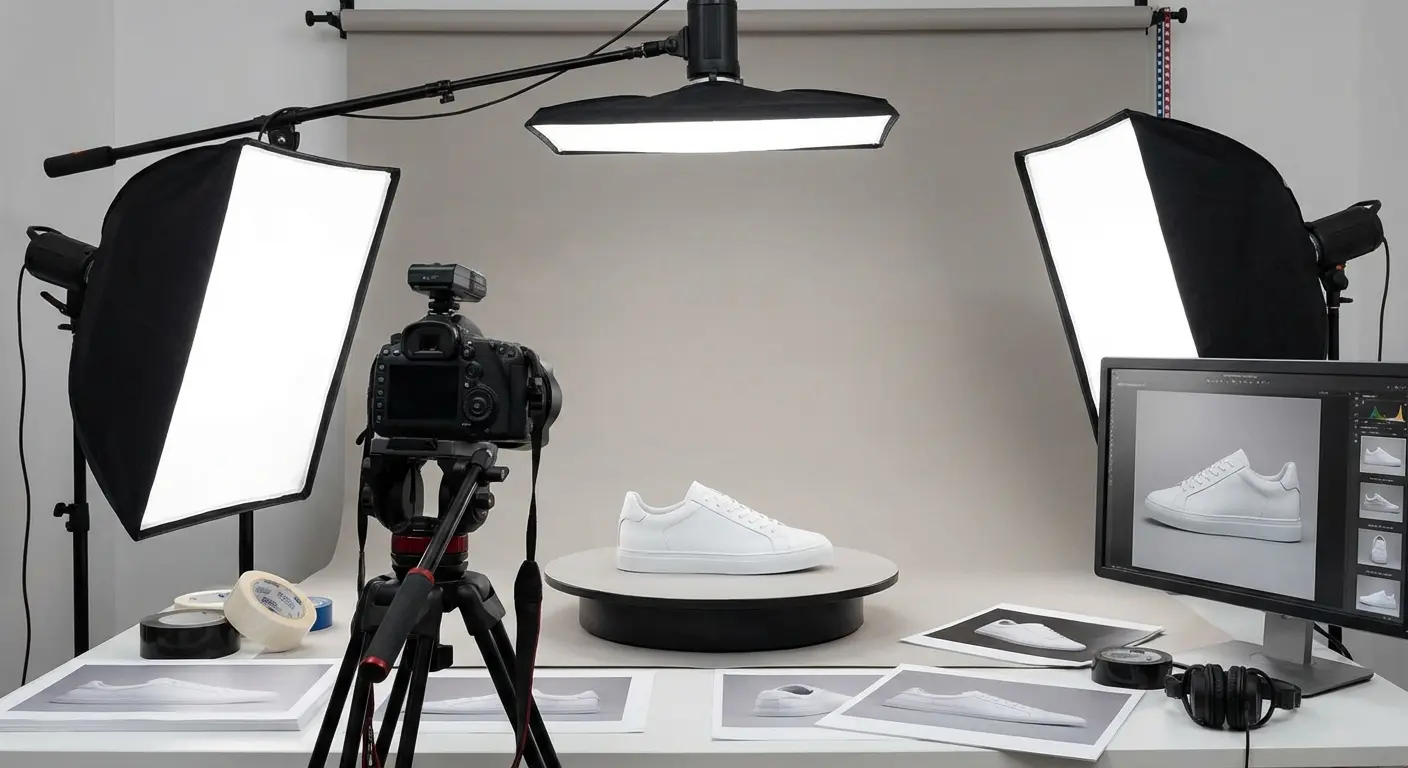
Third is weak image strategy. Amazon shoe photography guidelines for listings matter because footwear buyers inspect shape, tread, toe profile, closure type, and material texture closely. If those details are unclear, conversion drops. If they are misleading, returns rise.
Fourth is packaging neglect. Shoes are one of the categories where packaging quality influences perceived product quality. Amazon fba shoe packaging and shipping rules should be treated as operational risk control. Exact prep requirements can change, so sellers should verify current FBA prep guidance in Seller Central before shipping.
Best fit for
Private label works best for sellers who:
can invest in product development and QC
want control over listing and brand assets
are prepared to learn from fit and return data
can keep the initial assortment tight
are building a business, not just looking for fast ASIN turnover
Brand owner or authorized distribution: strongest control, highest standards
This model includes sellers who own the footwear brand or operate with clear authorization from the brand. In many cases, this is the cleanest long-term setup if the brand already has product-market fit.
Why this model is often the most durable
You control brand presentation and can align product, packaging, content, and customer expectations. If you have amazon brand registry for footwear brands guide level systems in place, you also get stronger tools for maintaining listing accuracy and reducing unauthorized edits.
For established brands, this model makes it easier to standardize fit communication across the catalog. You can centralize size charts, image standards, naming conventions, and review monitoring. That matters in shoes because inconsistency across listings creates unnecessary customer confusion.
If you are selling branded shoes that you own or are authorized to distribute, the authenticity side is usually cleaner too. Selling branded shoes on amazon authenticity requirements still matters, but your document stack is typically stronger and easier to defend.
The tradeoff
This model requires operational maturity. You need disciplined catalog management, inventory planning, image governance, and often better coordination between Amazon, your warehouse, and your product team.
The bigger your catalog gets, the easier it is for small data errors to multiply. A width mismatch, duplicate child variation, or swapped image set can affect a large number of sessions before anyone notices.
Cost and effort profile
Compared with resale, the setup effort is higher. Compared with private label startup, product development may be lighter if the line already exists, but account and catalog operations are more demanding.
Expect sustained work around:
variation integrity
brand content governance
unauthorized seller monitoring
return reason analysis
replenishment planning by size curve
damaged unit review and remediation
Typical failure modes
A frequent issue is assuming brand strength compensates for sloppy Amazon execution. It does not. Even known brands lose conversion when titles are inconsistent, child ASINs are broken, or fit notes are missing.
Another is underestimating fee sensitivity. Amazon footwear category commission and fees 2026 should be checked against current Seller Central data because referral fees, FBA fees, storage fees, and return-related costs can change. The practical point is that footwear often leaves less room for error once fulfillment, referral, return impact, and promo costs are considered together.

Best fit for
This model is a strong fit for:
existing footwear brands
distributors with real authorization
sellers who need content and catalog control
operators who can support long-term brand governance
The parts of shoe selling that matter no matter which model you choose
Some patterns hold across all three approaches.
Size data is not a cosmetic field
Treat amazon shoe size chart requirements for sellers as conversion infrastructure. Use the required category attributes, keep size and width data distinct when relevant, and make sure the chart reflects the actual product, not a generic supplier sheet.
Seller insight: if customer questions repeatedly ask whether a shoe runs small, the listing is already under-explaining fit.
Listing images should answer fit and construction questions
For amazon shoe photography guidelines for listings, the goal is not just policy compliance. Your images should help a buyer understand profile, sole thickness, tread, closure, material finish, toe shape, heel height, and use case. Lifestyle images help only when they reduce uncertainty rather than decorate the page.
Parent-child structure should reduce confusion, not create it
With managing shoe variations parent child listings fba, keep genuine variants together and avoid forcing loosely related products under one parent just to aggregate reviews. That shortcut can backfire in shopper trust and catalog health.
Returns should be analyzed by reason, not as one bucket
Handling shoe returns and damaged items on amazon fba requires separating fit issues from quality issues and packaging issues. A fit return points to size chart, product specs, or customer targeting. A damaged-item return points to QC, prep, or inbound handling. Those are different fixes.
Which model fits which seller constraints
If your biggest advantage is sourcing and documentation, start with wholesale or resale, but stay conservative on branded footwear unless your invoices and authorization chain are clean. This route is less forgiving than it looks when authenticity disputes arise.
If your biggest advantage is product control and brand-building discipline, private label can work, but only if you are willing to spend time on fit testing and keep the first assortment narrow. Too many new footwear sellers mistake design confidence for fit confidence.
If you already own a footwear brand or operate as a legitimate distributor, lean into that structure. It gives you the best chance to align content, inventory, and return reduction. The catch is that you need tighter catalog governance than many brands expect at the beginning.
A simple heuristic:
choose resale if speed matters more than control
choose private label if control matters more than speed
choose brand-owned distribution if you already have real product legitimacy and want long-term defensibility
What I would recommend in practice
For most experienced sellers entering shoes now, I would not start with broad branded resale unless you already have reliable supplier relationships and a documentation process you trust. The upside is real, but the account-risk profile is easy to underestimate.
If you are asking purely about how to sell shoes on amazon fba 2026, the most reliable path is usually one of these:
small, disciplined private label launch if you can control fit, content, and QC
brand-owned or authorized launch if you already have a legitimate product line and can support proper catalog operations
In both cases, keep the first launch tight. Fewer styles, clearer fit messaging, stronger imagery, and better variation structure usually beat a wide catalog with weak execution.
If you do pursue resale, make "can I defend this inventory under scrutiny?" your first filter, not "does this ASIN have demand?" That single rule saves more pain than most pricing tactics.
A compact comparison sellers can actually use
| Model | Best upside | Main weakness | Return control | Account risk | Operational load | |---|---|---|---|---|---| | Wholesale / resale | Fast entry, existing demand | Low listing control, buy box pressure | Low to medium | Medium to high on branded inventory | Medium | | Private label | Strong control, better long-term margin potential | Fit inconsistency and product-development risk | High if executed well | Medium | High | | Brand owner / authorized distribution | Strongest brand and catalog control | Requires mature operations | High | Usually lower when documentation is strong | High |
The real job is reducing uncertainty
Shoes do not fail on Amazon because sellers forget to add keywords. They fail because the buyer could not confidently predict fit, condition, or authenticity.
That is why reducing high return rates for shoes on amazon is the center of the business model, not a cleanup task after launch. If you build around fit clarity, variation discipline, authentic sourcing, and durable prep, footwear can be a strong category. If you treat it like a generic hardgoods listing with more colorways, returns will do the sorting for you.
One last point matters across every model. Whether you are working through a getting ungated in amazon shoes category guide, reviewing amazon footwear category commission and fees 2026, refining amazon shoe listing optimization for better conversion, or planning handling shoe returns and damaged items on amazon fba, the winning sellers are usually the ones who remove uncertainty before the customer buys. That same discipline improves best practices for private label shoe sellers on amazon, sharpens how to source shoes for amazon fba resale decisions, supports amazon brand registry for footwear brands guide workflows, and keeps selling branded shoes on amazon authenticity requirements from turning into avoidable account problems.