How to Ship Products to Amazon FBA Profitably

Olivia Reyes
How to Ship Products to Amazon FBA (Without Letting Inbound Fees Eat Your Margin)
Are your margins shrinking even though your product cost hasn’t changed? For many experienced sellers, the problem isn’t PPC or pricing. It’s the decisions behind shipping products to fba.
Getting inventory into Amazon’s network looks simple on the surface. Create a shipment. Print labels. Send boxes. But once you factor in inbound placement fees, shipment splits, prep decisions, and whether you ship directly to amazon fba from your supplier, the real optimization work begins.
This guide walks through how to ship products to amazon fba with a focus on what actually moves profit: cost structure, control, and operational tradeoffs.
The Real Scope of “Shipping to FBA”
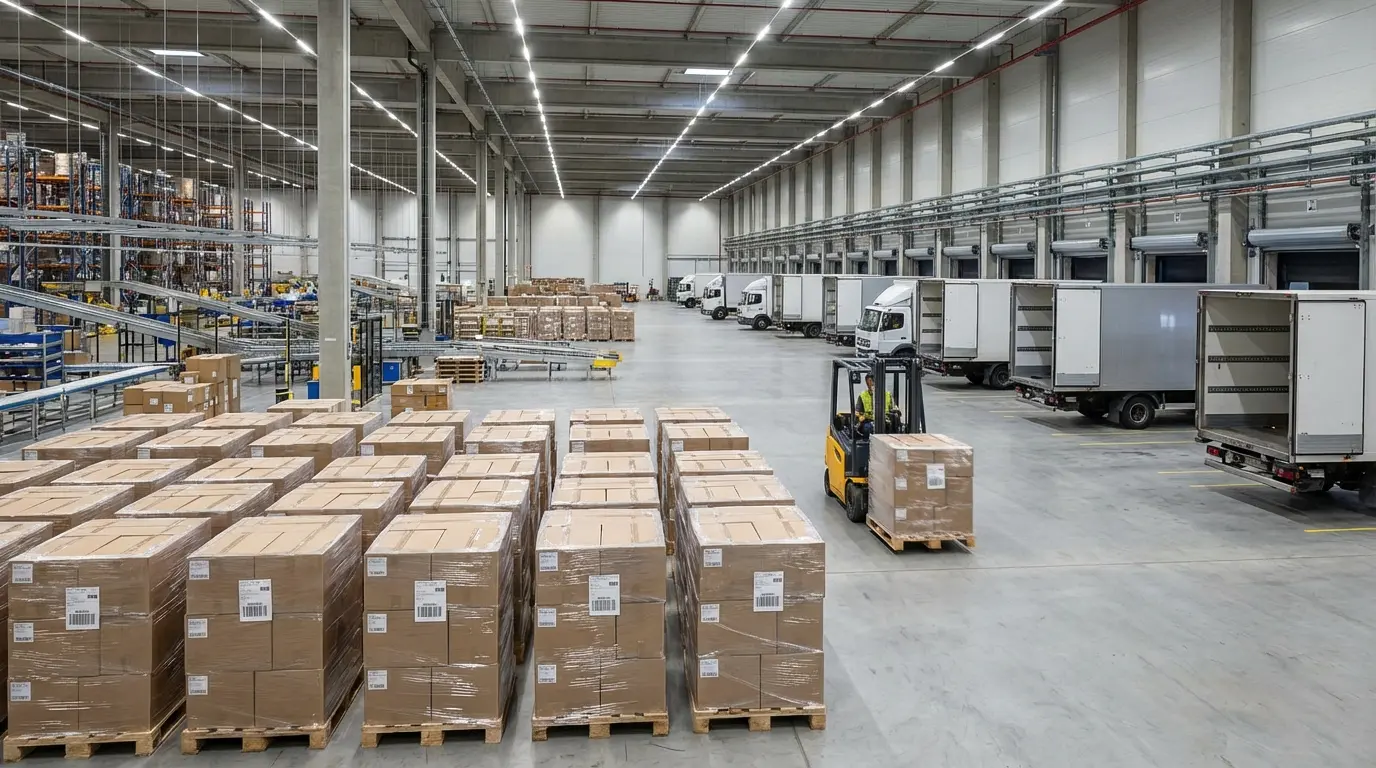
When sellers talk about shipping products to fba, they usually mean one of three workflows:
Domestic small parcel or pallet shipments into Amazon.
shipping directly to amazon fba from a supplier (domestic or overseas).
Shipping to your own warehouse or 3PL first, then forwarding to FBA.
Each path changes your landed cost, your storage exposure, and your operational control.
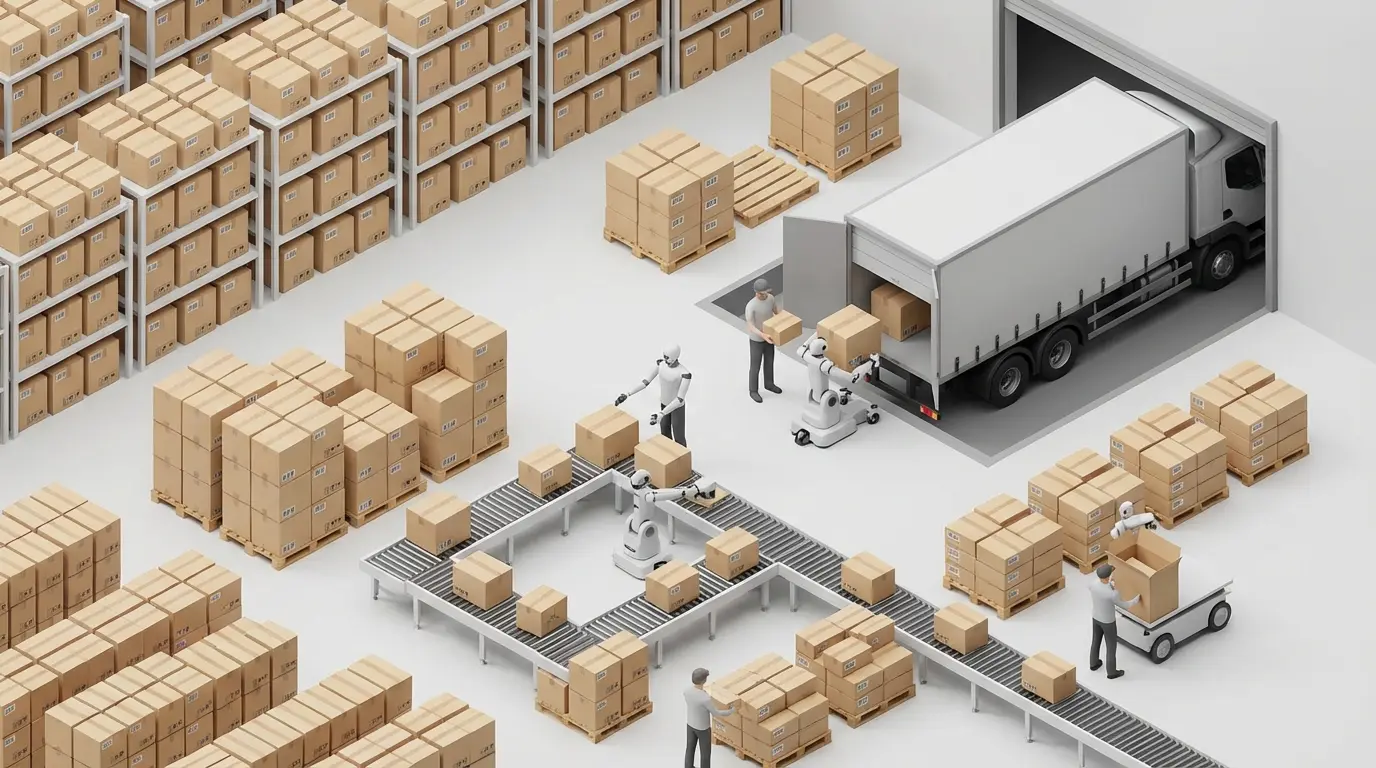
At a high level, here’s what’s involved in how to do amazon fulfillment through FBA:
A product listing must exist and the offer must be set to FBA.
Units must meet Amazon prep and labeling requirements for the ASIN and category.
A shipment is created through the Send to Amazon workflow in Seller Central.
You choose shipping mode (SPD, LTL/FTL, or an international delivery method when applicable).
Inventory is received, checked in, and then may be distributed across Amazon’s network.
That’s the mechanical process. The strategic layer sits underneath it: where you stage inventory, how many units you send, and whether inbound placement fees make sense for the SKU.
What Actually Happens When You Create an FBA Shipment
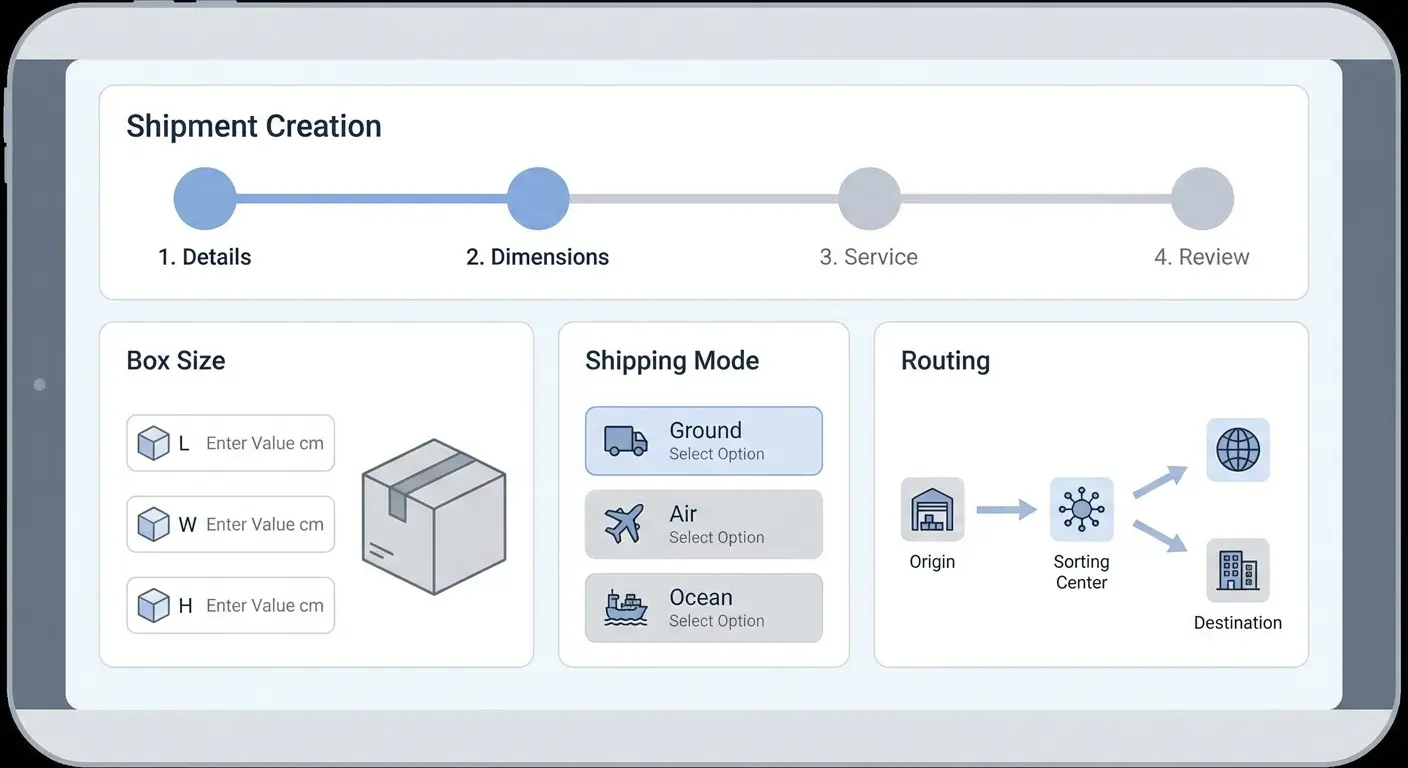
In Seller Central, inbound inventory typically flows through “Send to Amazon.” The interface looks streamlined, but each input has cost implications.
Step 1: Confirm the Ship-From Address
This determines where Amazon expects the inventory to originate and which carrier options may be available. If you’re shipping to amazon fba from china or another overseas origin, you will usually work through a freight forwarder or other international delivery setup.
Seller insight: The ship-from address is not just administrative. It can affect routing options, eligibility for certain carrier programs, and compliance expectations for documentation.
Step 2: Define Packing Structure
You choose:
Individual units or case-packed
Single-SKU boxes or mixed-SKU boxes
Box dimensions and weight
If you repeatedly send the same configuration, templates can save time and reduce input errors.
Operational reality: Incorrect box dimensions or weights can trigger fee adjustments, reconciliation issues, or receiving delays. Validate measurements against actual scale readings before confirming.
Step 3: Choose Shipping Mode
You typically choose between:
Small Parcel Delivery (SPD), often using Amazon-partnered carriers in eligible lanes
LTL/FTL pallet shipments
International freight (air, ocean, or courier, typically coordinated by a forwarder)
For many domestic sellers, Amazon-partnered options can be cost competitive for SPD. Still, total cost can change once you include inbound placement fees, accessorials, and the operational overhead of splits.
Step 4: Inbound Placement Options
This is where strategy matters.
Depending on your account, ASINs, and current Amazon programs, you may see options that include:
amazon fba ship to one warehouse, which can simplify logistics but may include a per-unit inbound placement fee.
Split shipments across multiple destinations, which can reduce placement fees but adds complexity.
Expectation vs reality:
Expectation: One destination equals simpler logistics and lower cost.
Reality: The per-unit placement fee can outweigh the simplicity benefit, especially for low-margin or oversized items.
Shipping Directly to Amazon FBA vs Using Your Own Warehouse
One of the biggest structural decisions is whether you rely on shipping directly to amazon fba or stage inventory elsewhere first.
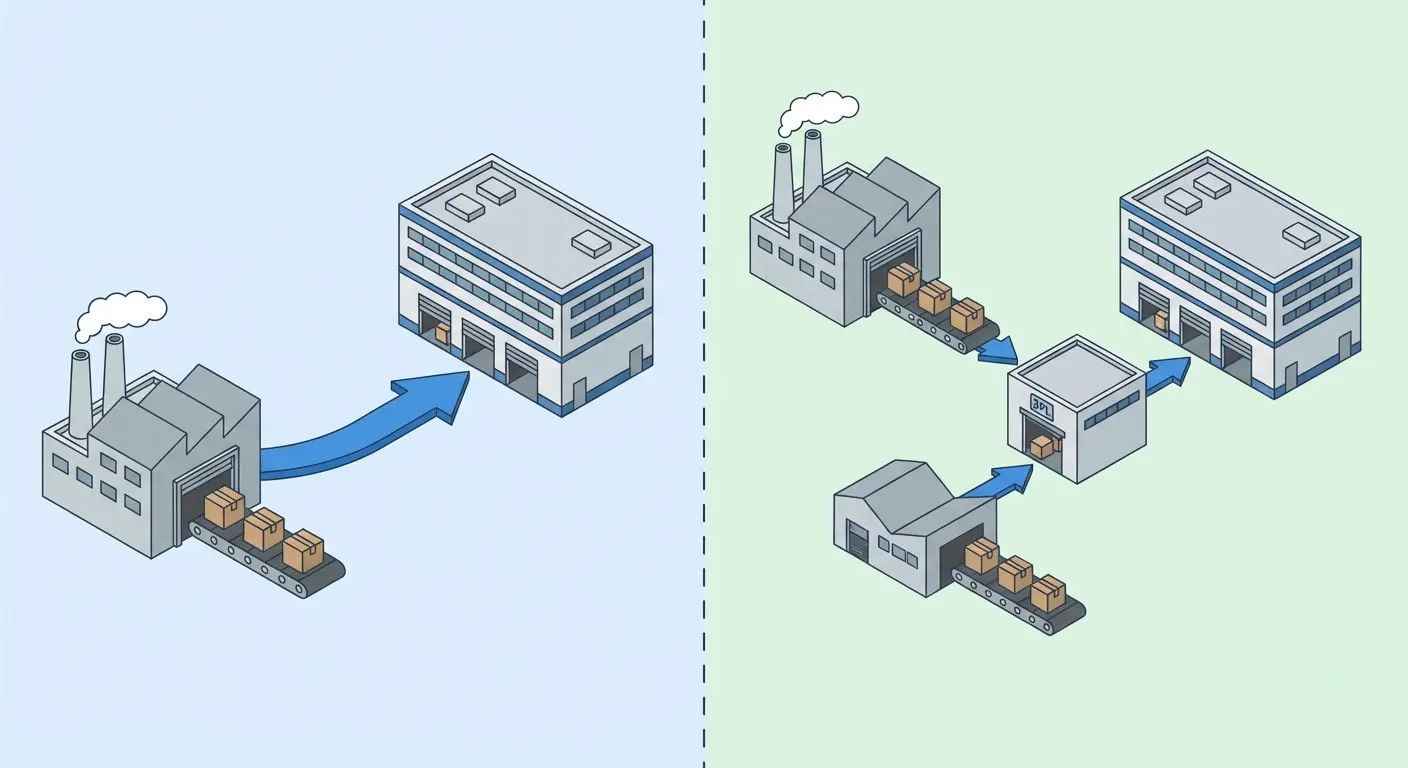
Option 1: Shipping Directly to Amazon FBA
This means your supplier or forwarder routes inventory straight to Amazon’s fulfillment network after labeling, prep, and documentation are handled.
Common scenarios include:
shipping from supplier to amazon fba within the same country.
shipping to amazon fba from china via ocean or air.
Using a freight forwarder that can book delivery appointments and meet Amazon’s receiving requirements.
Advantages:
Fewer handling steps.
No secondary storage bill at your facility or 3PL.
Faster time from production to sellable inventory.
Risks:
Limited opportunity to inspect units before they hit FBA.
All units enter FBA storage immediately, which can increase storage exposure.
Errors in labeling or prep can lead to Amazon-paid services, delays, or temporary unavailability.
This approach tends to work best when:
Supplier prep quality is proven and consistent.
The SKU has stable velocity.
You have forecasting discipline and a clear replenishment plan.
Option 2: Warehousing First
Many experienced operators use warehousing for amazon fba through their own facility, a prep center, or a 3PL, then feed FBA as needed.
Advantages:
Better inspection and QA.
Reduced FBA storage exposure for slower movers.
Flexibility to pivot units to FBM, other marketplaces, or wholesale channels.
Ability to bundle, re-kit, or adjust packaging before inbound.
Tradeoff:
You pay for added handling and storage, but you may reduce long-term storage risk and keep optionality when demand changes.
International Shipments: Shipping to Amazon FBA from China
When shipping to amazon fba from china, your planning expands beyond freight rates.
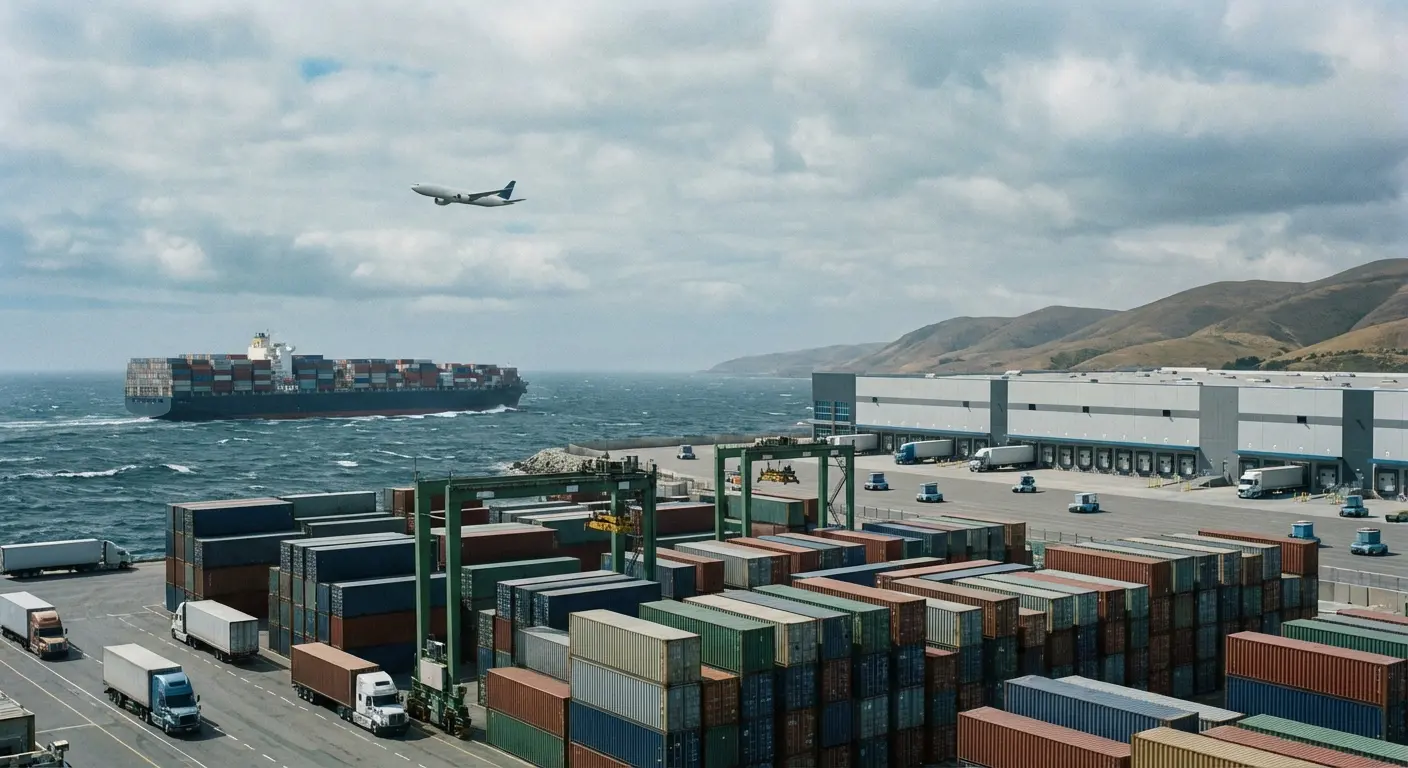
Common freight paths:
Air freight (faster, typically higher cost).
Ocean freight LCL (shared container).
Ocean freight FCL (full container).
Express courier for small test quantities.
Beyond freight, plan for:
Customs clearance and required documentation.
Duties and taxes.
Proper importer-of-record setup.
Product compliance requirements that apply to your category and destination marketplace.
Most sellers use a freight forwarder for this. A forwarder may coordinate:
Pickup from the factory.
Export processes.
Ocean or air movement.
Customs brokerage.
Final-mile delivery that meets Amazon receiving rules.
Critical detail: Many Amazon receiving locations require scheduled delivery appointments for palletized freight, and requirements can vary by location. Confirm your forwarder can handle Amazon delivery requirements for your shipment type to reduce the risk of refusals.
Choosing Between Small Parcel and Pallet Shipments
For domestic inbound, the tactical decision often becomes SPD vs LTL/FTL.
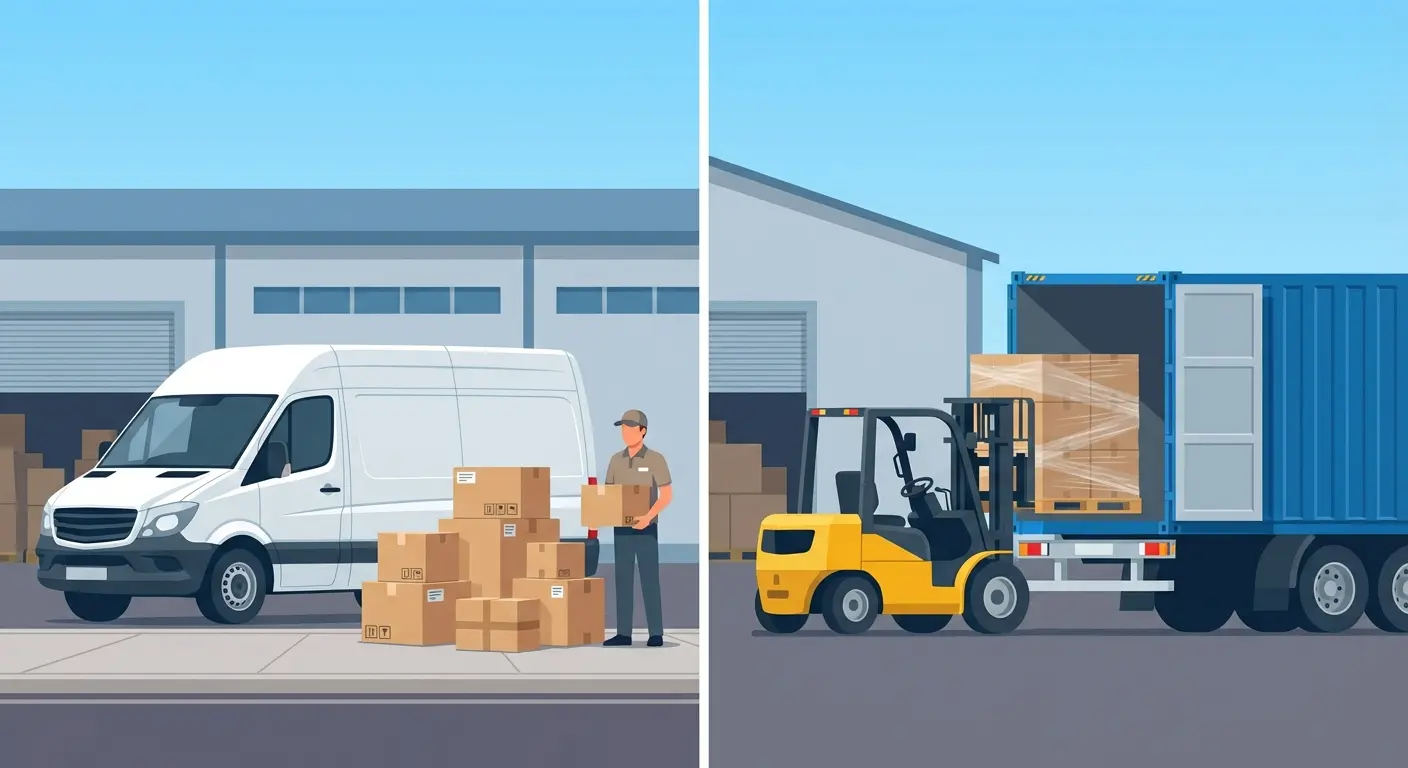
Small Parcel Delivery (SPD)
Best for:
Lower volumes.
Frequent replenishment.
Sellers without pallet capabilities.
Pros:
Simple to execute.
Often competitive via Amazon-partnered carriers where available.
No palletization required.
Cons:
More boxes and scans to reconcile.
Higher chance of box-level discrepancies or misreceives.
LTL/FTL (Pallet Shipments)
Best for:
Larger replenishments.
Wholesale volume.
Heavier items or consistent pallet quantities.
Pros:
Often lower cost per unit at scale.
Fewer tracking units.
More standardized receiving when pallets are compliant and consistent.
Cons:
Pallet compliance requirements.
Appointment scheduling and potential accessorials.
Longer planning lead times.
Rule of thumb: Once you routinely move multiple pallets, revisit SPD assumptions. Pallet freight can improve operational stability, not just cost.
Three Real-World Scenarios
Case 1: Private Label Launching a New SKU
A seller orders 1,000 units overseas.
Option A: Ship all 1,000 units via shipping directly to amazon fba.
Pros: Faster Prime availability.
Cons: Higher storage exposure if launch performance is weak.
Option B: Ship 1,000 units to a 3PL, then send 300 to FBA initially.
Pros: Controlled test and reduced FBA storage risk.
Cons: Additional handling and storage cost.
If conversion rate, reviews, or PPC efficiency are still uncertain, staging inventory can protect the downside.
Case 2: Wholesale Seller Replenishing Weekly
A wholesale seller replenishes fast-moving SKUs weekly from a domestic distributor.
shipping from supplier to amazon fba keeps flow tight and reduces double handling. With predictable velocity, speed can beat optionality.
Case 3: Oversized Product With Thin Margins
An oversized product carries tight margins and may face meaningful placement fees.
If selecting amazon fba ship to one warehouse adds a per-unit fee that wipes out contribution margin, splitting inbound destinations can be cheaper overall, even if logistics become more complex.
The key question is not convenience. It is contribution margin after all inbound costs.
Common Misunderstandings About FBA Shipping
“Partnered carriers are always cheapest.”
Often competitive for SPD, but not universal. Negotiated contracts, pallet volume, and accessorial charges can change the math.
“One warehouse is always better.”
It simplifies tracking, but it can increase per-unit costs through placement fees.
“Shipping direct is more advanced.”
It’s simply a different risk allocation. You trade control for speed and fewer touches.
“FBA shipping is just logistics.”
It’s margin management. Freight, prep, storage, and placement fees all roll into landed cost.
Limits, Constraints, and Edge Cases
Receiving Delays
During peak periods, check-in can slow. LTL shipments can take longer to fully receive and reconcile. Build buffer into reorder timing, especially around Q4.
Inventory Distribution
Even if you choose a single inbound destination, Amazon may still rebalance inventory internally. Final placement is not fully controllable.
Prep Compliance
If supplier prep is inconsistent and you ship directly to amazon fba, Amazon may apply paid labeling or prep services where allowed, and availability can be delayed. Direct-to-FBA workflows depend on reliable upstream execution.
Cash Flow Compression
Sending large quantities into FBA can start storage clocks sooner and tie up capital. If sell-through slows, flexibility drops compared to holding back units at a 3PL.
Category Restrictions
Hazmat, meltable, and other restricted categories can have special routing, seasonal rules, or prep constraints. Validate requirements before committing, especially for international inbound.
How Experienced Sellers Think About FBA Shipping
They do not ask, “What’s the cheapest way to ship?”
They ask:
What is true landed cost per unit after freight, prep, and placement fees?
How much storage risk am I taking on inside Amazon’s network?
How quickly can I react if velocity changes?
Where does control matter more than simplicity?
Sometimes simplicity wins. Sometimes margin does. The right answer depends on SKU velocity, cash reserves, and operational tolerance.
What to Remember When Shipping Products to FBA
Treat inbound placement fees as part of product cost, not a logistics afterthought.
Use shipping directly to amazon fba when demand is predictable and prep quality is reliable.
Use warehousing for amazon fba when testing products, managing seasonality, or preserving optionality.
Re-evaluate SPD vs pallet shipping as volume scales.
For shipping to amazon fba from china, use forwarders who can execute Amazon-compliant delivery requirements for your shipment type.
Model total landed cost before choosing amazon fba ship to one warehouse for convenience.
Build replenishment buffers during peak seasons.
If you need a repeatable operating system, document your fba shipping service decisions by SKU so every replenishment answers the same question: which inbound path preserves margin today without creating risk you cannot absorb next month?
When deciding how to ship products to amazon fba, the best operators treat inbound as a lever. They do not treat it as a checklist.