How to Remove Unauthorized Sellers on Amazon

Sarah Johnson
How to Remove Unauthorized Sellers on Amazon Without Making It Worse
If you’re trying to figure out how to remove unauthorized sellers on amazon, the first question is not “How do I report them?” It is “Do I actually have enforceable leverage on Amazon, or is this primarily a channel problem?”
Many brands first notice an amazon unauthorized seller after losing the Buy Box or seeing price compression. The instinct is to file a complaint immediately. Sometimes it works, but it is not reliable. If the report is weak or miscategorized, you can lose time and you may prompt the seller to rotate accounts or change tactics.
This is a practical framework for experienced sellers who want to stop margin erosion without triggering unnecessary escalation.
What You’re Really Deciding When Unauthorized Sellers Appear

When unauthorized resellers on amazon show up on your ASIN, you are effectively making three decisions at once:
Are you dealing with genuine inventory, counterfeits, or a material difference issue?
Is this a distribution leak problem or a marketplace enforcement problem?
Do you want short-term suppression on one listing, or long-term channel control?
Amazon is a multi-seller marketplace by design. If someone is selling authentic goods they legally acquired, Amazon may allow them to list as long as they follow applicable policies and do not violate intellectual property rights or other rules. That is the baseline, even when the seller is not in your authorized network.
So the real decision is not just how to stop unauthorized sellers on amazon, but which combination of contractual, operational, and platform tools you can use, given your constraints.
What Actually Matters Most (Ranked by Leverage)
Not all tools carry equal weight. Here is what tends to matter most in practice.
1. Control Over Intellectual Property
If you have a registered trademark and are enrolled in Amazon Brand Registry, you have stronger platform tools. Without that, your options narrow significantly.
Brand Registry does not automatically remove an amazon seller unauthorised by your company. It can give you access to tools such as:
Report a Violation (for IP claims)
Additional control over brand attributes and certain listing content
Clearer escalation paths for eligible brand issues
If your issue involves counterfeit goods, altered packaging, trademark misuse, or other IP violations, enforcement becomes more realistic. If the product is genuine and not materially different, leverage is usually lower.
2. Supply Chain Traceability
If you cannot identify how the seller obtained inventory, you are playing defense.
Lot codes, distributor tracking, controlled wholesale terms, and consistent documentation determine whether you can apply pressure upstream. Without traceability, every removal tends to become repetitive.
A recurring pattern with amazon unauthorized sellers is that the root cause sits upstream in pricing and distribution.
3. Economic Position on the ASIN
If you are consistently losing the Buy Box because you are priced above gray market sellers, Amazon’s systems are responding to an offer it sees as more competitive.
You can sometimes remove a seller for a valid policy or IP reason. You cannot remove the economic incentive that attracts new sellers.
If wholesale pricing leaves room for arbitrage, someone will eventually take it.
4. Category and Risk Profile
In categories with higher safety sensitivity (for example, topical or ingestible products), Amazon may respond more quickly to well-documented claims tied to authenticity or customer safety. In lower-risk categories, enforcement often depends more on clear IP violations or clear material difference evidence.
5. Internal Tolerance for Legal Escalation
Cease-and-desist letters and legal pressure can work, but only if you can support the claims and are prepared to follow through. Empty threats are easy to ignore and can weaken future negotiations.
Different Situations, Different Moves
If the Inventory Is Counterfeit
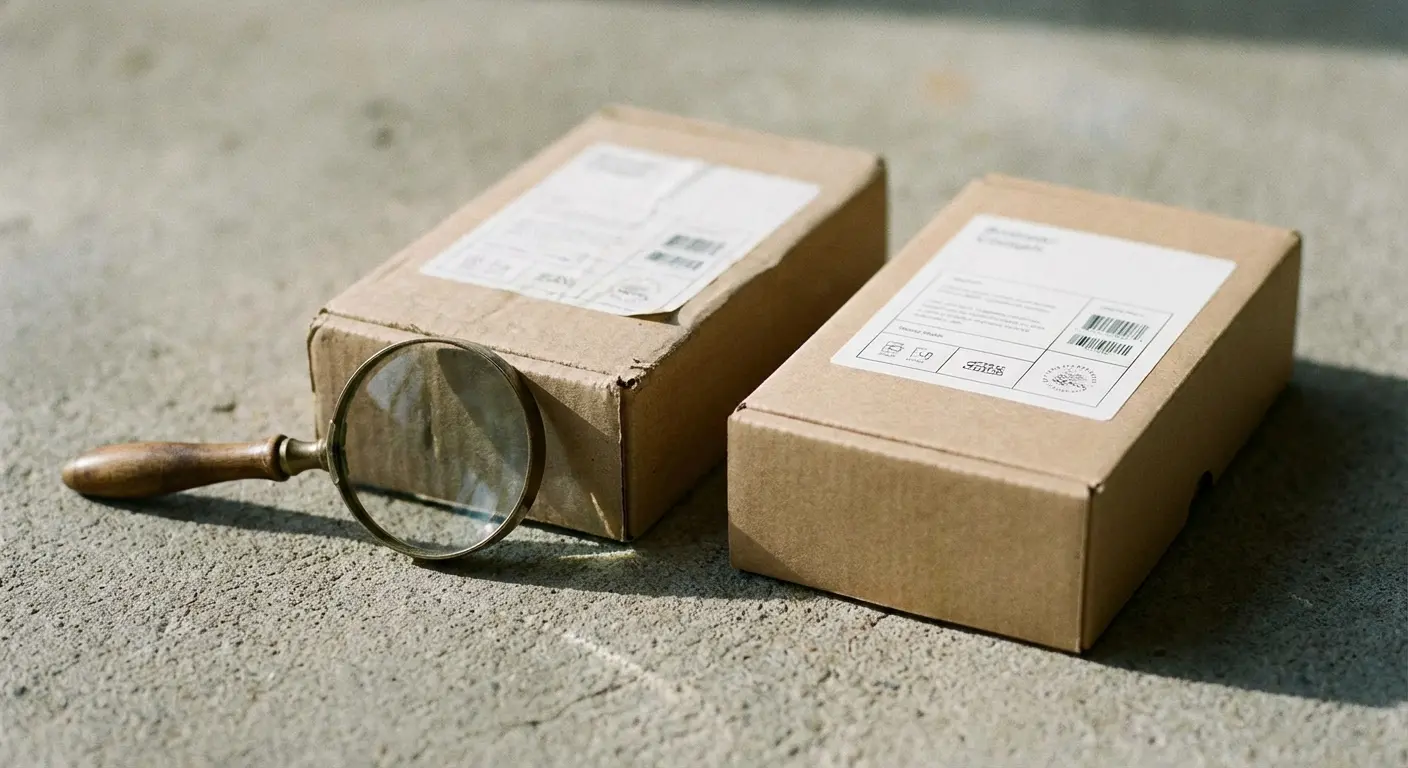
This is often the cleanest scenario to act on operationally, provided you document properly.
Conduct test buys.
Photograph packaging and product differences.
Preserve invoices, order IDs, and chain-of-custody records.
Submit a complaint through the appropriate Brand Registry channel when you have a valid basis.
Amazon may take action on counterfeit reports when evidence is specific and structured. In this case, how to report unauthorized seller on amazon usually means filing a focused claim with proof, not a general “they are not authorized” message.
If the Inventory Is Genuine but Diverted
This is common.
You may be dealing with:
Distributor leakage
Retail arbitrage
International gray market imports
Amazon may not remove them simply because they lack your “authorization,” if the goods are authentic and the offer complies with policy.
Here, platform enforcement is often secondary. The durable fix is upstream:
Audit distributor and reseller agreements.
Identify pricing gaps that enable arbitrage.
Tighten channel access, tracking, and compliance controls.
Trying to repeatedly remove unauthorized seller on amazon listings when the inventory is legitimate often fails, and it can create a whack-a-mole cycle.
If an Authorized Seller Turned Rogue
Sometimes a previously authorized seller becomes effectively unauthorized in practice by violating your policies or contractual restrictions.
In that case:
Review the contract and written terms.
Enforce remedies that your agreement allows.
Cut off supply if needed.
Amazon generally does not enforce MAP policies or private distribution terms. Those are usually handled between you and the reseller.
If You’re the Only Manufacturer Selling
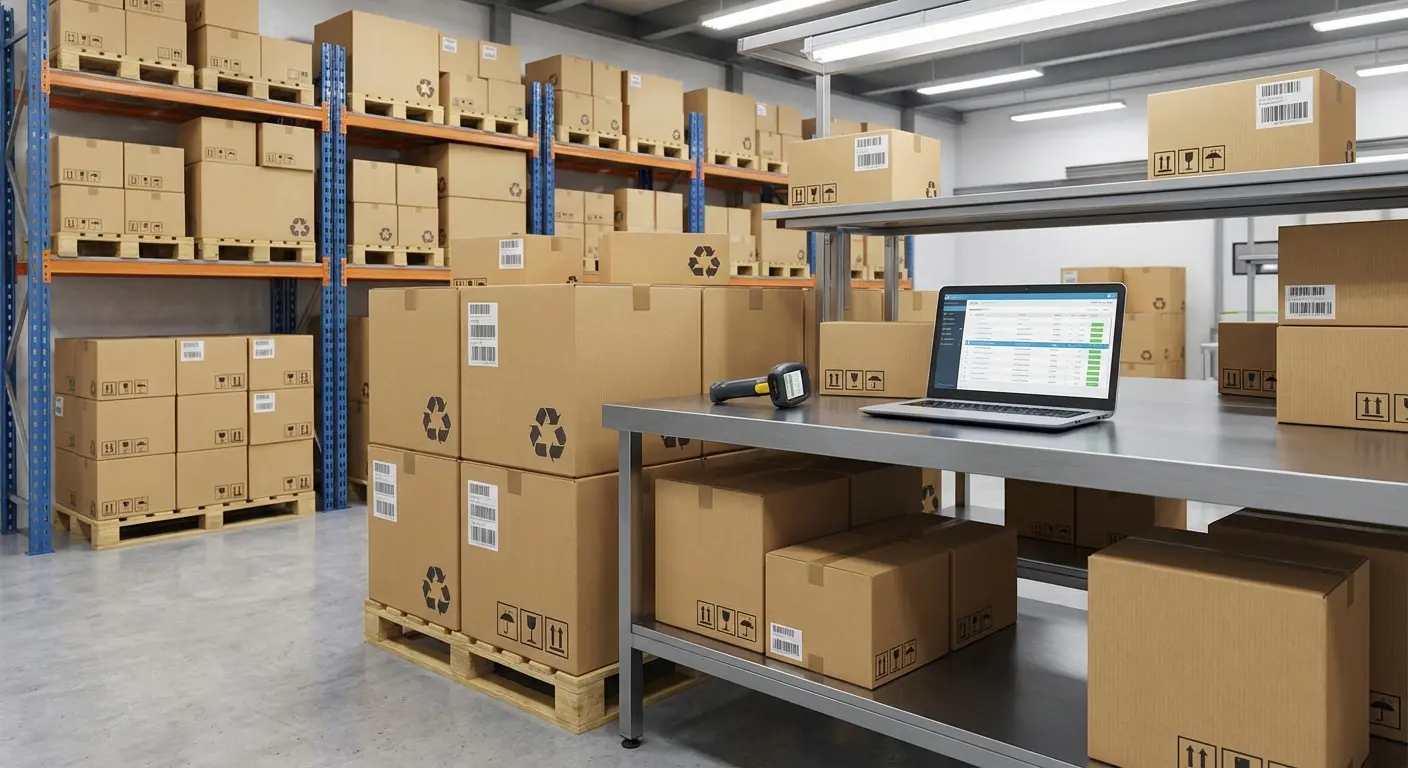
If you manufacture and sell exclusively through your own Seller Central account, your leverage can be higher, especially when you have trademark protection and strong documentation.
Consider options such as:
Applying for brand gating, where available and approved
Using Amazon Transparency for serialization and verification
Restricting or restructuring wholesale access
Approvals and availability can vary, and Amazon may require evidence and account history before granting additional controls.
The Step-by-Step Actions That Actually Hold Up
When you decide to remove unauthorized seller on amazon listings, approach it in layers.
Start With Documentation
Before contacting anyone:
Screenshot the offer page and seller profile
Record pricing history and Buy Box rotation patterns
Conduct a test buy if authenticity or material difference is in question
Confirm the seller is not within your authorized network
You want facts, not assumptions.
Contact the Seller (Strategically)
A direct message through Amazon can work, especially with smaller operators.
Keep it factual:
State you are the brand owner.
Request proof of sourcing and documentation.
Reference your trademark where applicable.
Avoid threats unless you are ready to escalate.
Some sellers exit quietly if inventory is limited. Others ignore you. The response often reveals what type of operator you are dealing with.
Use Brand Registry Properly
If you are enrolled, file reports only when there is a valid claim, such as:
Trademark misuse
Counterfeit
Material difference (for example, altered packaging, removed manufacturer warranty when the listing implies one, or modified bundles that create customer confusion)
Amazon does not typically remove sellers solely because they are not authorized by the brand.
Consider Brand Gating (When Available)
Brand gating can restrict who can list or add offers under certain conditions, but it is not automatically granted. Approval tends to depend on factors like:
Brand Registry status and brand history
Evidence of counterfeiting or recurring customer harm
Other signals Amazon considers internally
When approved, gating can shift the problem from reactive takedowns to pre-approval control.
Evaluate Transparency
Amazon Transparency adds unique codes to units and can help prevent counterfeit commingling and improve verification in the fulfillment process.
It does not automatically stop retail arbitrage of authentic units, but it can reduce counterfeit risk and improve traceability.
Patterns That Backfire
Filing Weak Complaints
Submitting reports that boil down to “they are not authorized” without an IP or policy basis often gets rejected.
Repeated rejected claims can slow future escalations and waste time.
Public MAP Enforcement Through Amazon
Amazon generally does not enforce MAP agreements. Trying to frame a MAP dispute as IP infringement can create unnecessary risk for your account and distract from real claims.
Keep pricing enforcement separate from trademark and counterfeit enforcement.
Ignoring Distributor Leakage
If unauthorized resellers on amazon keep reappearing, the cause is often upstream.
Removing individual sellers without fixing pricing tiers, documentation, and wholesale discipline is usually temporary relief.
Overreacting to Small Sellers
Not every low-volume seller warrants escalation.
Sometimes inventory is limited and disappears naturally. Escalation has costs, including time, legal spend, and relationship friction.
Two Practical Decision Walkthroughs
Example 1: Premium Skincare Brand With Price Compression
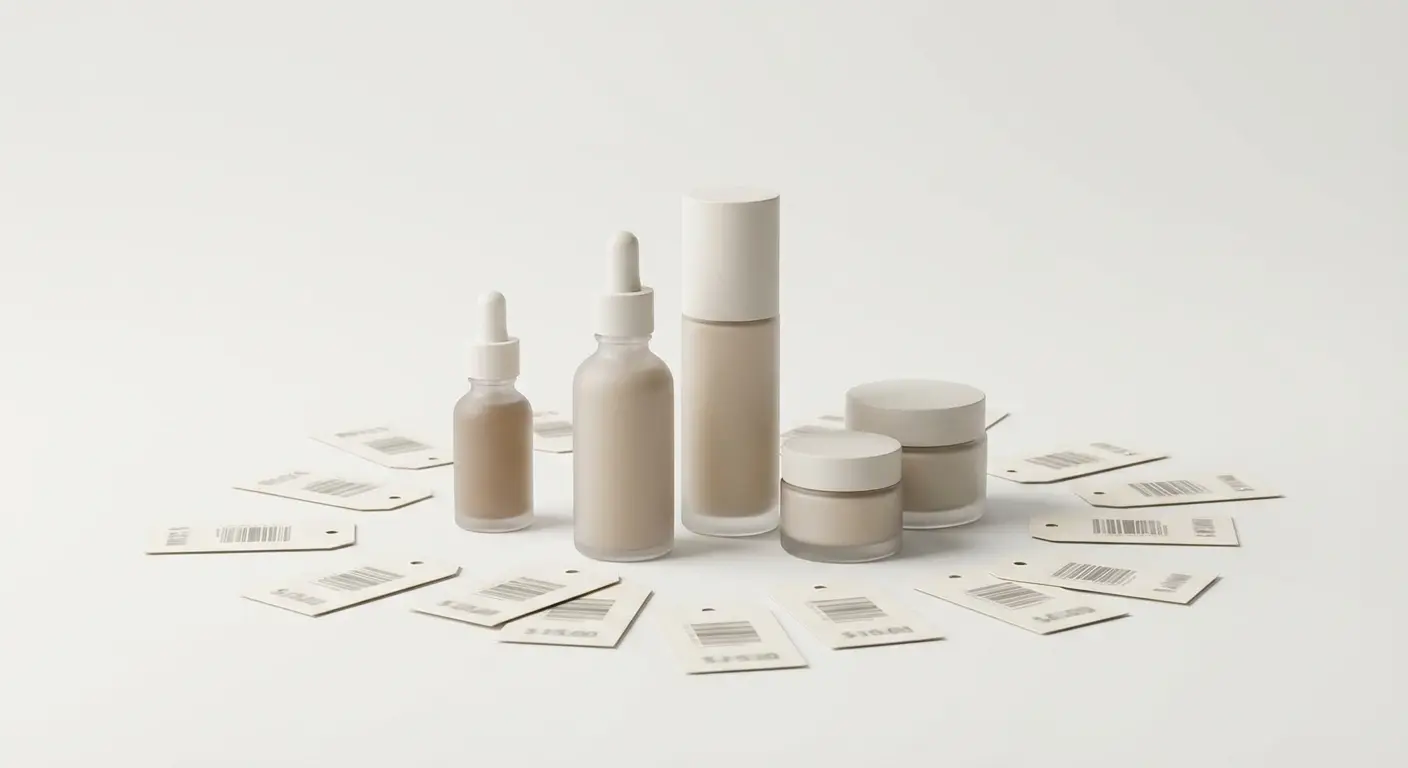
Hypothetical scenario:
A skincare brand selling via FBA notices two new sellers undercutting by 20%. The Buy Box rotates aggressively.
Steps taken:
Test buy confirms authentic product and packaging.
Lot code traces back to a regional distributor.
Distributor agreement lacks clear marketplace restrictions and tracking requirements.
Platform reporting is unlikely to succeed because the product is genuine and not clearly violating IP.
Decision:
Renegotiate distributor terms and tracking.
Restrict marketplace resale where contractually possible.
Reduce the wholesale discount spread that enables arbitrage.
Monitor Buy Box ownership weekly.
Key lesson: this was not primarily an amazon unauthorized seller problem. It was channel design and pricing architecture.
Example 2: Electronics Accessory Brand With Counterfeits
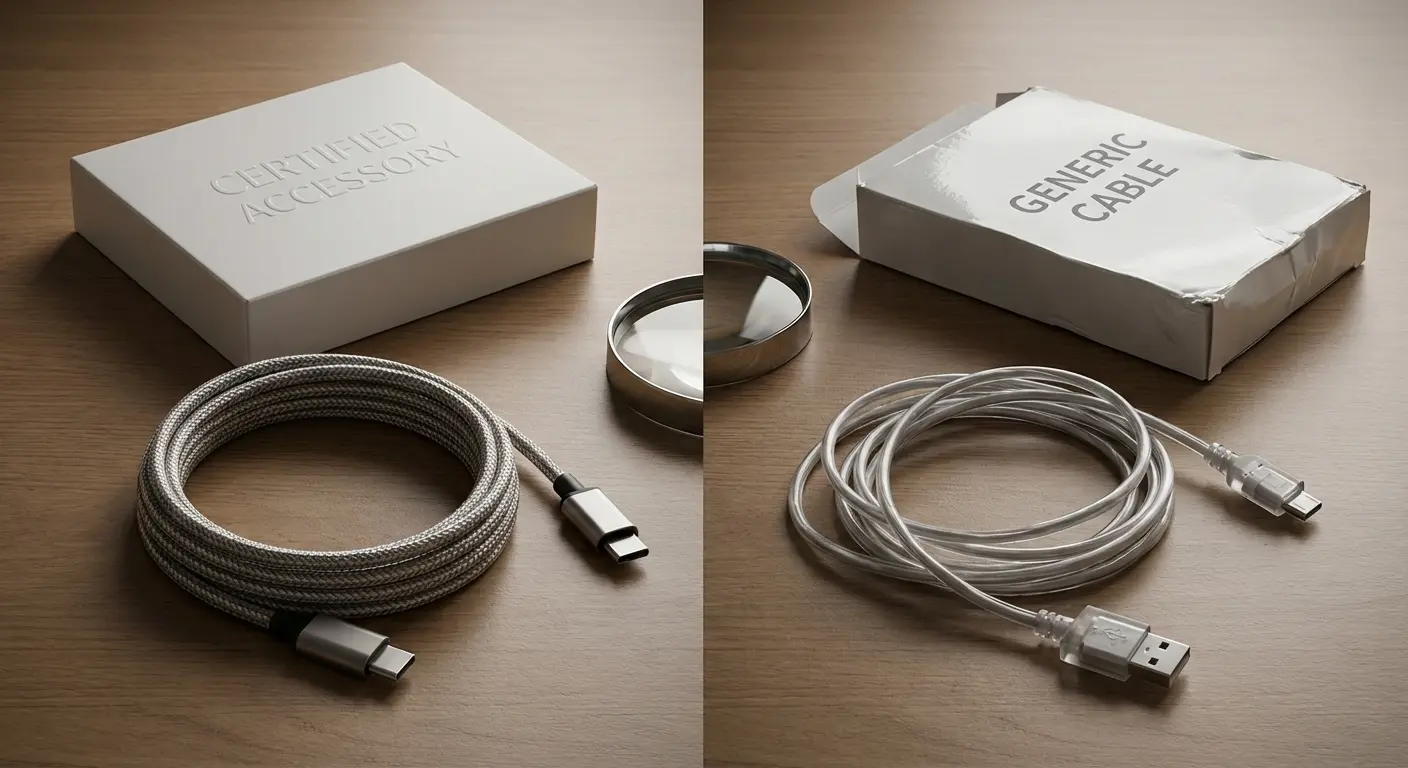
Hypothetical scenario:
An electronics brand sees a new seller offering units at 40% below cost.
Steps taken:
Test buy reveals clear product and packaging differences.
Brand Registry complaint filed with organized documentation.
Counterfeit claim is approved and the offer is removed.
Next move:
Enroll in Transparency where it fits the unit economics.
Add serialization at manufacturing or prep.
Key lesson: clear IP violation plus strong documentation increases the odds of fast action, then structural prevention reduces recurrence.
Long-Term Control Beats Repeated Removal
If you are repeatedly searching for how to remove unauthorized sellers on amazon, it usually signals a structural vulnerability.
Sustainable control often combines:
Trademark ownership and Brand Registry enrollment
Tight distributor contracts and enforceable terms
Controlled wholesale pricing and reduced arbitrage spread
Serialization or Transparency when appropriate
Regular Buy Box and offer monitoring
The goal is not necessarily zero amazon unauthorized sellers. The goal is minimizing economic incentive and maximizing enforceable leverage.
What to Remember Before You Act
Amazon allows multiple sellers on the same ASIN by design.
Genuine inventory is often harder to remove than counterfeit inventory.
Brand Registry increases leverage but does not grant automatic exclusivity.
Weak enforcement attempts waste time and can slow future escalations.
Many recurring issues with amazon unauthorized sellers start in the supply chain.
Gating and serialization are longer-term tools, not guaranteed quick fixes.
Price architecture strongly influences whether gray market sellers appear.
When the situation does require action, how to report unauthorized seller on amazon should be treated as a precision process with evidence and a valid claim type. When the situation is structural, how to stop unauthorized sellers on amazon is usually solved upstream, not in the ticket queue.