Reseller Monitoring on Amazon: A Strategic Guide to Protect Your Brand

Sarah Johnson

Reseller Monitoring on Amazon: How Experienced Brands Track and Control Unauthorized Sellers
Are you actually losing the Buy Box to non authorized resellers, or are you reacting to normal marketplace dynamics?
Most brands start reseller monitoring only after a price crash or a spike in negative reviews. By then, the damage is visible. The harder question is not “How do I remove this seller?” but “How do I systematically monitor amazon resellers so I know what’s happening before it hits margin or reputation?”
This is a decision about control, not just enforcement.

Below is a practitioner’s framework for how to think about reseller monitoring on Amazon, what actually matters in practice, and where most brands misallocate effort.
What You’re Really Deciding When You Monitor Amazon Resellers
At surface level, reseller monitoring sounds simple: track listings, identify non authorized resellers, enforce MAP, file complaints.
In reality, you are deciding:
How much pricing volatility you are willing to tolerate
How much operational overhead you can support
How aggressive you want to be with channel control
Whether you are optimizing for margin, distribution breadth, or brand positioning
Amazon’s marketplace structure allows multiple sellers on the same ASIN in many categories. Depending on the product category and the account’s selling history, Amazon may request invoices, brand authorization, or other documentation, but third-party sellers can often list against existing ASINs without direct authorization from a brand. That means re-seller monitoring is not about stopping all third-party sellers. It is about identifying which sellers create measurable risk.
That distinction matters.
If your monitoring system treats every third-party seller as a threat, you will burn time chasing low-impact accounts while repeat offenders quietly erode margin.
What Actually Matters Most in Reseller Monitoring
Not all signals are equal. Experienced sellers rank these factors differently than new brands.
1. Buy Box Ownership Volatility
A core metric in reseller monitoring is Buy Box ownership consistency.
If your brand or authorized network typically holds a very high Buy Box share and then drops materially, something structural changed. Common drivers include:
A seller undercutting price or total landed cost
A new FBA competitor entering with strong metrics
Your own account health, fulfillment performance, or pricing competitiveness slipping
Buy Box share is often more informative than “number of sellers.” Ten sellers clustered near your target price can be less disruptive than one seller consistently winning the Buy Box at a meaningfully lower total offer.
Seller insight: quantify dollars at risk, not seller count.
2. Price Band Movement, Not Single Price Drops
Brands often panic at one price dip.
What matters is pattern:
Are certain sellers repeatedly violating your MAP policy (where applicable)?
Are price drops happening in bursts around promotions or inventory flushes?
Does pricing reset after inventory cycles?
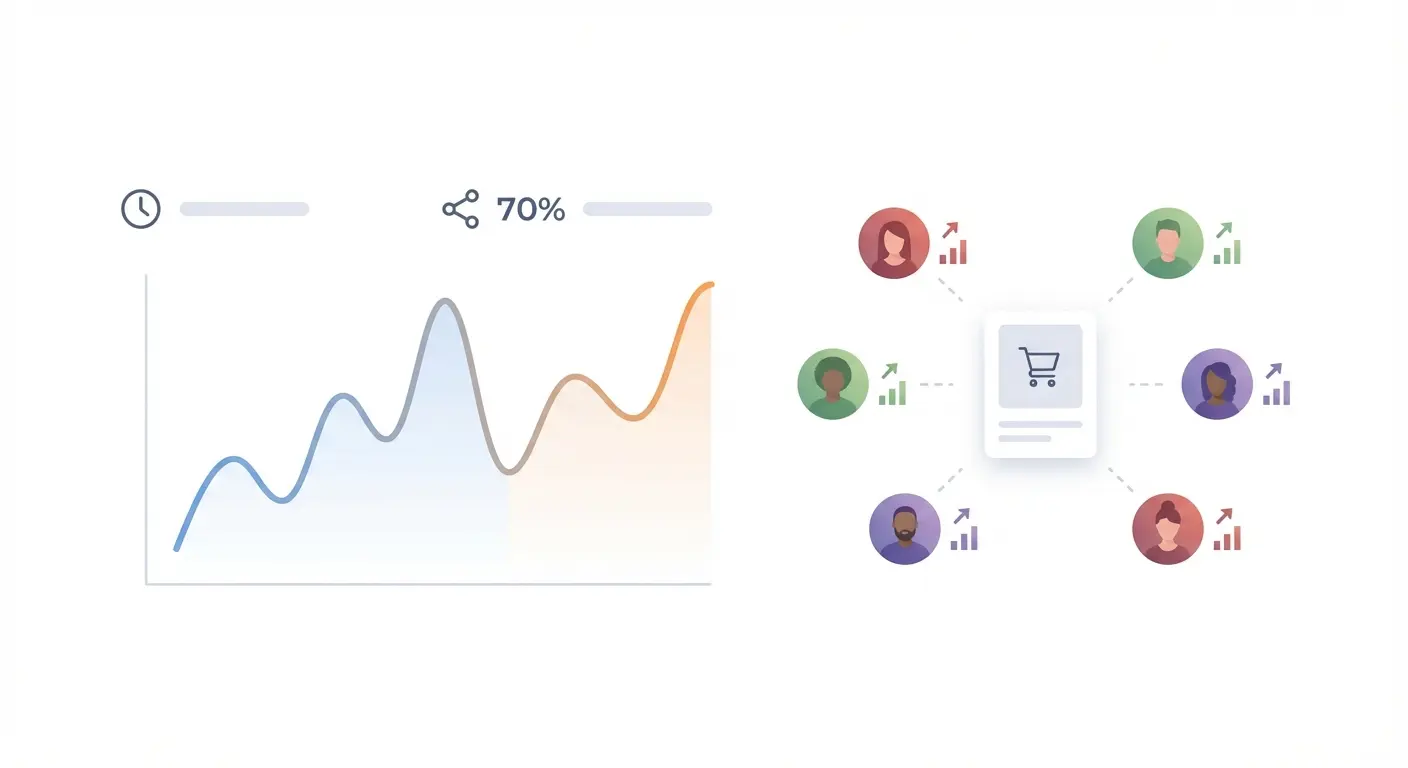
Effective reseller monitoring tracks price history over time, not snapshots.
A seller who violates MAP once may be clearing inventory. A seller who does it repeatedly can be structurally damaging your pricing floor, even if Amazon itself does not enforce MAP as a pricing rule.
3. Seller Identity and Behavior Patterns
Non authorized resellers often fall into recognizable buckets:
Retail or online arbitrage sellers cycling inventory
Liquidators with batch inventory
Gray market distributors with stable supply
Suspected counterfeiters or bad actors abusing listings
Your response depends on which type you are dealing with.
For example:
A liquidator may disappear once stock is gone.
A gray market distributor can indicate a supply chain leak.
A suspected counterfeit scenario is typically an IP and authenticity enforcement path, not a pricing argument.
Re-seller monitoring works best when it focuses on behavioral patterns, not just presence.
4. Review Signal Degradation
One overlooked metric is review trend quality after new sellers enter.
If customer complaints spike around:
Used items sold as new
Packaging damage
Missing components
You may not have a pricing issue. You may have a fulfillment, storage, handling, or authenticity perception issue driven by non authorized resellers.
Monitoring review language alongside seller changes can provide early warning that reputation damage is forming.

5. ASIN Integrity and Duplicate Listings
Unauthorized sellers sometimes create operational noise or catalog risk by:
Creating duplicate listings for the same product
Attempting to modify listing content
Adding variations or attributes that fragment your catalog
Your reseller monitoring system should track:
New listings that appear to match the same product identifiers (such as UPC, where used)
Variations created without authorization
Listing contributions that alter content
This is less about MAP and more about catalog control. Also note that catalog edits and contributions can come from multiple sources, so treat attribution carefully and document changes before taking action.
How Monitoring Strategy Changes by Business Model
The right monitoring setup depends heavily on your distribution model.
If You Sell Direct-to-Consumer Only
If you are the only authorized seller, additional amazon resellers can signal:
Distribution leakage
Retail or online arbitrage
Potential counterfeit risk
In this case, monitoring should emphasize:
Seller appearance alerts
Test buys to trace supply and document condition
Tight control of packaging, lot codes, and serialization where feasible
Your enforcement posture can be more aggressive because your distribution network is simpler, but the highest leverage fix is often upstream.
If You Operate an Authorized Dealer Network
This is more complex.
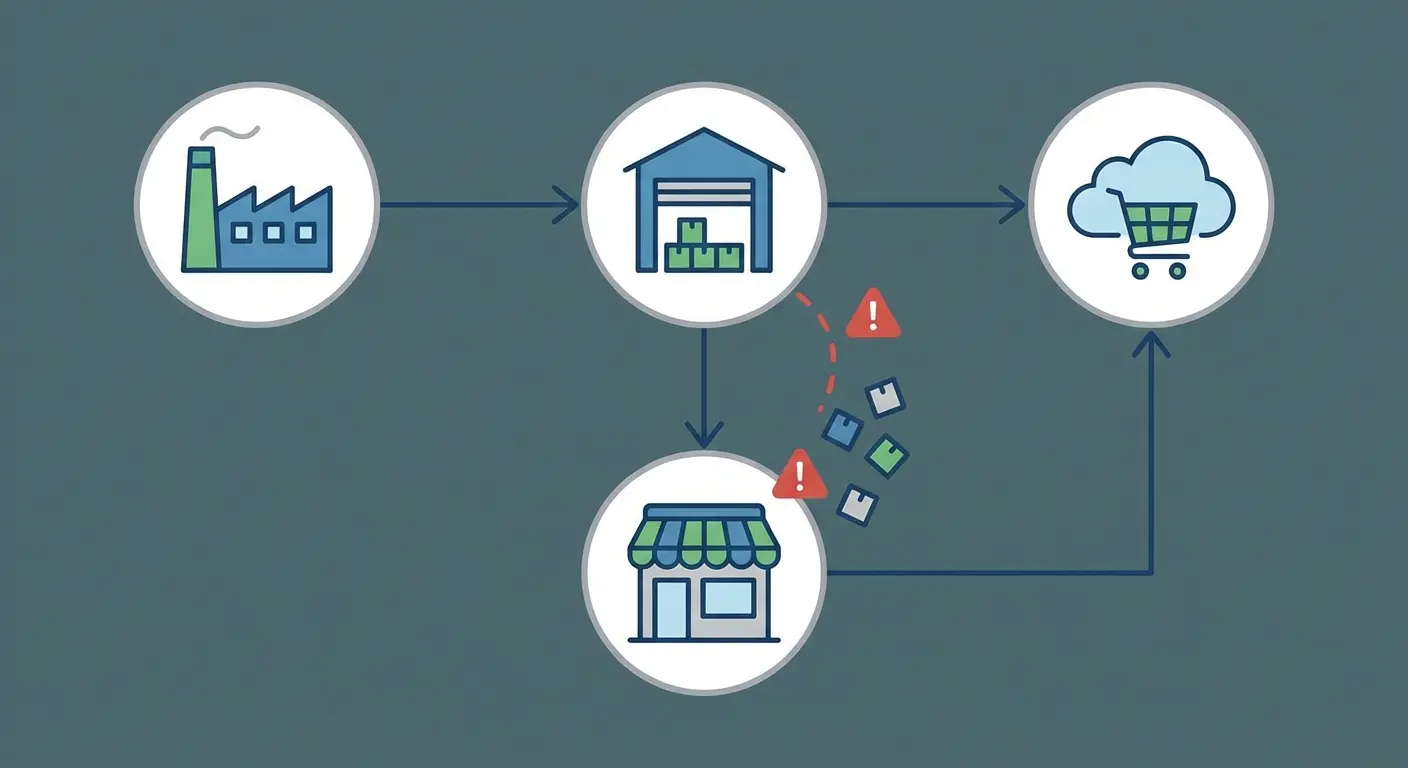
Not all non authorized resellers are completely “rogue.” Some may be buying through authorized dealers who are breaking agreements.
In this scenario, re-seller monitoring should:
Identify which ASINs repeatedly attract gray market sellers
Cross-reference unusual volume spikes with distributor shipments
Look for geographic inconsistencies and repeat supply signatures
Often, the real fix is upstream. Enforcement at the Amazon level alone may not solve supply chain leakage.
If You Compete as a Third-Party Seller Yourself
If you are one of several sellers on a listing, monitoring becomes competitive intelligence.
Here, reseller monitoring helps you:
Predict price compression
Anticipate Buy Box rotation
Adjust FBA restock strategy and promo timing
You may not be able to remove non authorized resellers. Your goal becomes margin protection and inventory planning.
Common Failure Modes in Reseller Monitoring
Most brands struggle not because they lack tools, but because they misapply them.
Chasing Every Seller Equally
Not all sellers deserve equal attention.
A seller with:
Low feedback count
FBM shipping
Tiny inventory
Is often short-term noise.
A seller with:
Consistent FBA inventory
Strong feedback metrics
Repeated low-price wins or recurring policy-adjacent behavior
Is strategic competition or a repeat risk.
Allocate enforcement bandwidth accordingly.
Assuming Amazon Will Enforce MAP
Amazon generally does not enforce brand MAP policies as a pricing program. Amazon may act when there is:
Intellectual property infringement
Credible counterfeit claims supported by documentation
Policy violations, such as condition misrepresentation, deceptive practices, or certain prohibited products issues
Reporting a seller solely for pricing below MAP often does not lead to a direct enforcement outcome.
If your reseller monitoring strategy depends on Amazon solving MAP violations for you, expectations and reality can diverge quickly.
Over-Reliance on Automated Emails
Automated warning emails can deter some sellers. They rarely stop committed gray market operators, and they can also be ignored if you lack leverage.
Escalation often requires:
Distributor pressure
Supply chain tracing
Intellectual property enforcement, where applicable
Software can flag the issue. It cannot replace channel control strategy.
Ignoring Test Buys
When seller behavior becomes suspicious, a documented test buy is often one of the most concrete steps you can take.
Test buys can reveal:
Source stickers and repack indicators
Distributor labels or lot codes
Condition issues and missing components
Authenticity red flags
Without this evidence, many reports lack the documentation needed to support stronger action.

Two Short Decision Walkthroughs
Walkthrough 1: Premium Brand With MAP Enforcement
Hypothetical scenario:
A premium electronics brand notices:
Buy Box ownership drops materially
Price dips well below MAP multiple times in 30 days
Two new FBA sellers appear
First step is not immediate reporting.
The brand checks:
Historical price pattern
Seller inventory levels
Distributor shipment records
They conduct one test buy from the primary violator.
The product arrives with labeling from a known wholesale partner.
Conclusion: distribution leakage.
The brand shifts focus upstream, auditing the wholesale partner rather than repeatedly filing Amazon complaints that do not address the source.
Reseller monitoring here served as detection, not the entire solution.
Walkthrough 2: Private Label Brand With Sudden Review Complaints
Hypothetical scenario:
A private label supplement brand sees:
1-star reviews citing “tampered seal”
Buy Box share largely unchanged
Three FBM sellers newly present
Prices are not significantly below standard levels.
The brand runs re-seller monitoring focused on:
Seller feedback profiles
Shipping origin and handling cues
Packaging condition and lot code integrity
A test buy reveals expired inventory sold as new.
In this case, the brand uses:
Brand Registry reporting pathways where available
Documentation of condition misrepresentation
Policy-based reporting supported by evidence
Here, the issue was condition abuse, not pricing.
Monitoring identified the correct enforcement path.
Tools vs Process: What Actually Scales
Automated reseller monitoring platforms are useful for:
Price tracking
Buy Box share monitoring
Seller appearance alerts
Historical seller data
They are less effective at:
Identifying supply chain leaks on their own
Negotiating distributor compliance
Building a compliant enforcement strategy grounded in documentation
The scalable model looks like this:
Automated detection of seller and pricing changes
Prioritization based on revenue impact
Pattern analysis over time
Selective escalation with documentation and upstream action
That layered approach prevents reactive chaos.
When to Escalate Aggressively
Not every unauthorized seller warrants immediate takedown attempts, and not every attempt is available for every scenario.
Escalation becomes rational when:
Buy Box control drops significantly
Review damage begins to trend
Counterfeit risk is credible and documentable
Pricing erosion becomes systemic across replenishment cycles
Before escalation, confirm:
You have documentation that matches the reporting path you plan to use
You understand the likely inventory source
Your distribution agreements and internal processes support your action
Aggressive enforcement without upstream discipline often leads to recurring issues.
The Bigger Strategic Question
Reseller monitoring is not just operational hygiene.
It forces a strategic choice:
Do you want broad marketplace exposure with looser control, or tighter brand positioning with restricted distribution?
You rarely maximize both at once.
Many brands accept some non authorized resellers because volume offsets margin compression. Others sacrifice volume for channel purity.
There is no universal answer. There is only alignment with your business model.
Practical Takeaways for Experienced Sellers
Track Buy Box share before tracking seller count.
Look for repeated MAP violations, not isolated dips.
Classify seller behavior before choosing an enforcement strategy.
Use test buys when patterns suggest supply leakage or condition abuse.
Do not rely on Amazon to enforce pricing disputes.
Connect reseller monitoring to distributor management, not just marketplace policing.
Prioritize sellers based on revenue impact, not irritation level.
Pair automated alerts with human pattern recognition.
Keep reseller monitoring, reseller monitoring workflows, and re-seller monitoring documentation consistent across teams so enforcement decisions are evidence-based.
Treat reseller monitoring and re-seller monitoring as ongoing risk management for amazon resellers, especially when non authorized resellers affect margin, reputation, or listing integrity.
Effective reseller monitoring is less about chasing every non authorized reseller and more about identifying which amazon resellers materially affect margin, reputation, or long-term positioning.
If your monitoring system answers those three questions consistently, you are operating from control rather than reaction.