How to Sell Music on Amazon Profitably

Sarah Johnson

How to Sell Music on Amazon (Without Losing Margin or Control)

Most artists and indie labels approach Amazon as either “upload through a distributor and forget it” or “list some vinyl and hope it moves.” Amazon behaves like a retail marketplace first, so treating it like a streaming app can leave margin untapped. Treating it like a standard hard-goods category without respecting media catalog rules can also create listing conflicts and policy risk.
This guide explains how to sell music on Amazon in a way that scales across digital and physical formats. The focus is the same lens experienced sellers use: catalog control, margin math, inventory flow, and repeatable operations. Done well, amazon seller automation software can reduce manual work, but it only helps after the fundamentals are correct.
What “Selling Music on Amazon” Actually Means
Selling music on Amazon usually falls into three lanes:
Digital streaming and downloads distributed to Amazon Music and related storefronts
Physical media (CDs, vinyl, box sets) sold through Amazon Seller Central
Hybrid models (bundles, signed editions, limited runs, and approved bulk deals)
Each lane has different mechanics, data access, and controllable levers.
Digital: Distribution, Not Seller Central
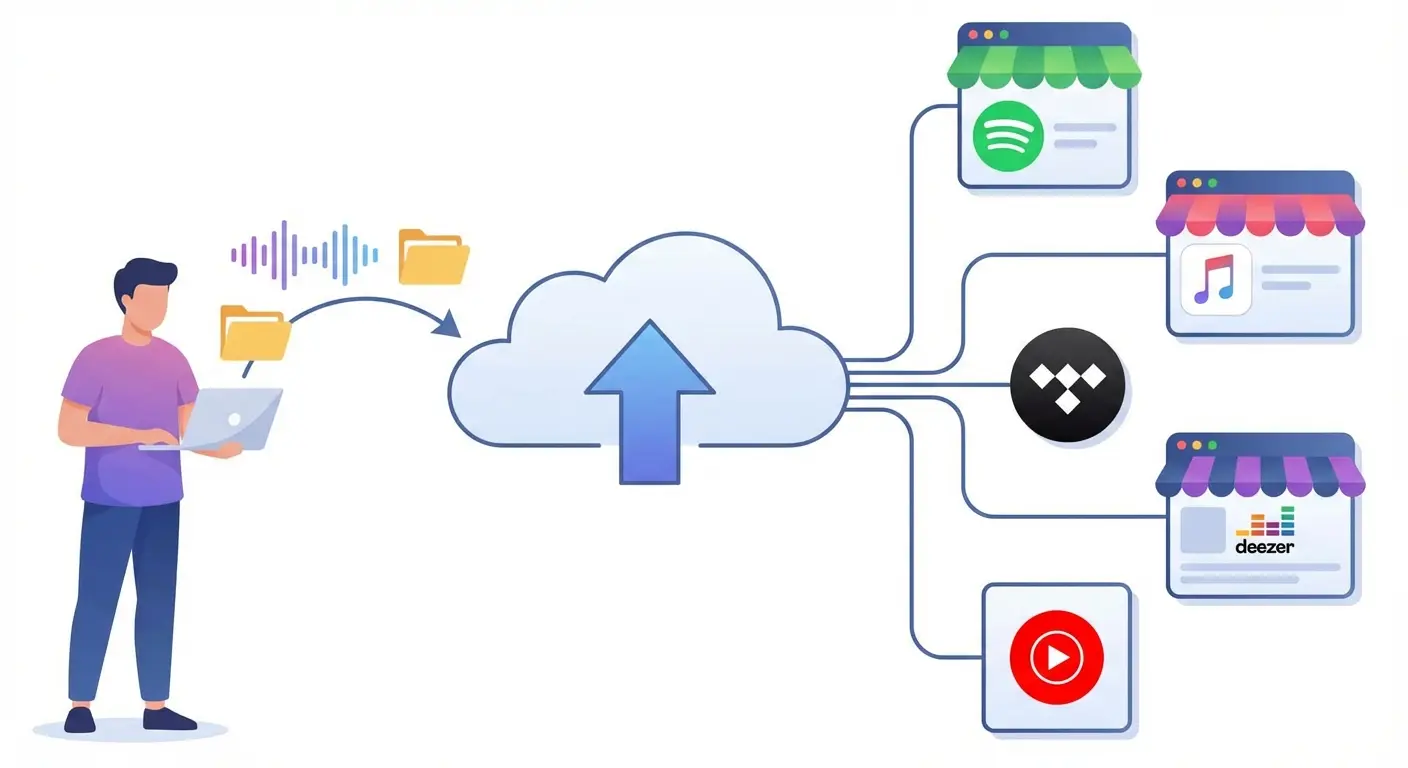
For digital music, most artists and labels deliver content to Amazon through an approved distributor or aggregator (for example, TuneCore, DistroKid, CD Baby, and others). In most cases, you are not managing a digital product offer through Seller Central the way you manage a physical SKU.
You typically can influence:
Metadata accuracy (artist, title, ISRCs when applicable, and credits)
Artwork quality and formatting requirements set by the distributor
Release timing and territory availability, depending on your distribution settings
You typically cannot rely on controlling:
End-customer data
Retail pricing and how it is presented across storefronts
Per-stream payout levels, which vary by distributor agreements and usage context
Digital can be operationally lighter, but revenue is often volume-dependent and can be sensitive to distributor terms.
Physical: Retail Mechanics Apply

Selling CDs or vinyl in Seller Central works like other physical categories, with extra emphasis on authenticity, correct catalog matching, and clean documentation.
You generally need:
A valid product identifier (UPC, EAN, or an exemption when approved by Amazon)
The ability to list in the Music category, which can be gated depending on account health and region
Legitimate supply chain documentation if Amazon requests it
Correct catalog alignment so you are not offering against the wrong ASIN or format
From there, you decide between:
FBA for Prime eligibility and Amazon-handled fulfillment
FBM for more control and often lower storage exposure
Physical music can behave like collectible retail. Listing accuracy and packaging quality matter as much as promotion.
The Infrastructure Behind a Scalable Music Operation
Many artists start with one SKU and a distributor login. That can work early. Once you have multiple releases, formats, and advertising campaigns, you need systems that reduce catalog risk and improve decision quality.
Catalog Control Is Not Optional
Music listings are metadata-heavy, and small errors can create fragmentation. A misspelled artist name or inconsistent format labeling can split a catalog across multiple detail pages or create duplicate listings.
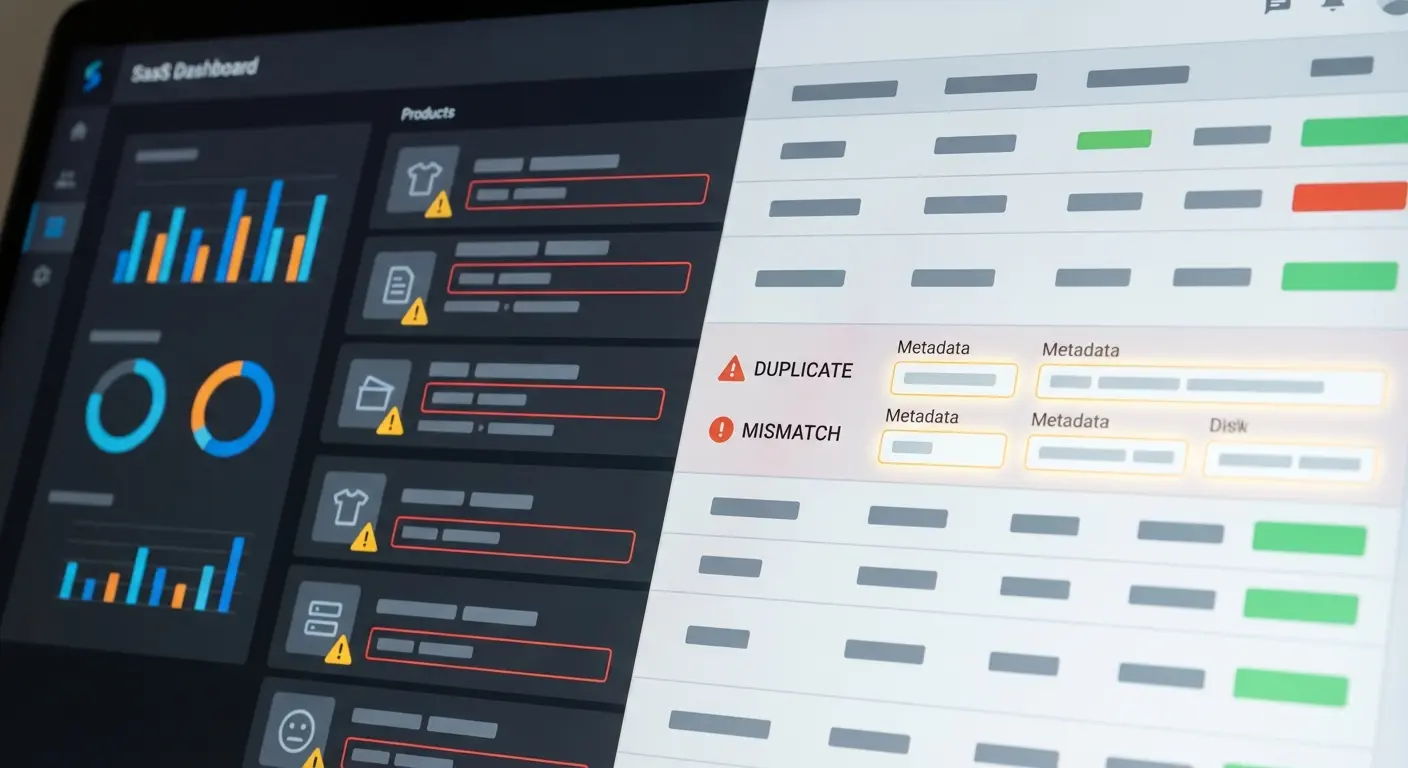
amazon catalog management software can help larger catalogs monitor for:
Duplicate ASINs tied to the same release
Incorrect format mapping (for example, CD presented as vinyl)
Broken variations or incorrectly linked editions
Inconsistent brand or label attribution where applicable
If your catalog fragments, reviews and sales history can fragment with it, which can hurt conversion and ad efficiency.
Inventory Management for Limited-Run Products
Vinyl runs are often small. Deluxe editions can be finite. Repress timelines can be long and unpredictable.
An amazon fba inventory management tool is useful here because:
Stockouts can reduce momentum and make relaunches harder
Overstock can increase storage costs, including aged inventory surcharges depending on the marketplace and policy updates
Replenishment is tied to manufacturing lead times, not quick wholesale reorders
Inventory planning for music should include:
Pre-launch demand estimates
Advertising ramp timing
Reorder lead time from pressing plants
A clear decision rule for repress versus retire
How Selling Music on Amazon Works in Practice
Step 1: Digital Distribution Setup
For digital releases, the typical workflow is:
Upload audio files in the format required by your distributor.
Provide high-resolution artwork that meets distributor specifications.
Assign or confirm ISRCs and keep metadata consistent across platforms.
Set a release date with enough lead time for platform delivery.
Claim and maintain your Amazon Music for Artists profile, if available in your region and for your catalog.
A key lever is timing. Coordinated release dates can support external traffic and can complement physical SKU launches.
Step 2: Create or Match Physical Listings Carefully
For physical releases:
Confirm whether a correct ASIN already exists for the exact format and edition.
Avoid creating duplicate listings when a matching detail page already exists.
Verify you are listing the correct format (CD vs vinyl vs box set) and edition.
Offering against the wrong ASIN can lead to buyer complaints, returns, and potential policy issues.
Use clean, buyer-friendly titles that follow Amazon style expectations in your category. Avoid stuffing titles with promotional language. An amazon listing optimization tool can be useful for auditing attributes, images, and backend terms, but staying within Amazon style and category norms matters more than aggressive keyword tactics.
Step 3: Decide Between FBA and FBM
FBA can help with:
Prime eligibility
Faster delivery promises
Potential conversion lift
FBM can help with:
More control for signed or fragile items
Lower storage exposure for slow back-catalog titles
Flexibility in packaging and inserts, as long as they comply with Amazon policies
If you plan to scale operations, an amazon fba business management platform can consolidate SKU performance, storage exposure, and fulfillment signals so you do not manage launches across disconnected spreadsheets.
Step 4: Advertising and Discoverability

Music rarely sells on Amazon purely through organic discovery unless the artist already has strong demand.
Sponsored Ads can support:
New vinyl releases
Deluxe editions and box sets
Bundles where allowed and correctly listed
amazon ppc optimization software can help manage bids, search term harvesting, and budget pacing, especially when you are balancing artist-name traffic, format terms, and genre intent. Be cautious with competitor targeting. Policies and performance vary, and weak relevance can lead to poor conversion and wasted spend.
Tie advertising to inventory depth. Scaling spend into a near-stockout can create a cycle of out-of-stock suppression and restart costs.
Step 5: Track Real Profit, Not Just Revenue
Music margins can look strong until you account for:
Referral fees and category-specific fee changes over time
Fulfillment and storage fees, including aged inventory impacts where applicable
Ad spend
Manufacturing and packaging costs
Digital distributor fees and revenue splits for streaming
amazon seller profit tracking software helps you monitor SKU-level net profit rather than relying on revenue and rough estimates.
Short Case Scenarios
Case 1: Indie Artist Launching a First Vinyl Run
An indie artist presses 300 records and sends them to FBA. They run Sponsored Ads on the artist name and a few genre terms.
Common outcome:
Early sell-through is strong due to a coordinated launch.
Inventory runs out before a repress arrives.
Sales velocity drops, and the listing loses momentum during the out-of-stock window.
Lesson: inventory and ad pacing must be coordinated. An automated amazon seller dashboard that shows ad spend next to sell-through and days of cover reduces avoidable stockout-driven resets.
Case 2: Small Label Managing 20 Back-Catalog Titles
A small label manages 20+ SKUs across CD and vinyl.
Typical problem:
Duplicate listings accumulate over time.
Reviews and sales history split across multiple pages.
Some offers lose the Buy Box due to price, condition, or fulfillment differences.
Practical approach:
Use amazon catalog management software to flag duplicates and attribute conflicts.
Where Amazon permits, consolidate legitimate duplicates through the correct processes.
Standardize edition labeling and format attributes to reduce mismatches.
Case 3: Hybrid DTC + Amazon Strategy
An artist sells signed editions on their own site and standard editions on Amazon.
Common structure:
FBM for limited signed units
FBA for the standard retail version
Ads focused on the standard SKU to avoid overselling limited stock
For labels that also do approved bulk deals, b2b software for amazon fba sellers can help manage wholesale workflows alongside FBA inventory and reorder planning, especially when stock is shared across channels.
Where Sellers Miscalculate
“Streaming Will Pay for Production”
Streaming revenue is usage-based and varies by distributor terms, territory, and product type. For many catalogs, streaming income is meaningful only at scale. Plan physical production based on realistic demand, not optimistic per-stream assumptions.
“It’s Just Another Product Category”
Media categories can face elevated authenticity scrutiny, and Amazon may request invoices or other documentation. Counterfeit and condition complaints are common in collectible formats.
Avoid:
Gray-market sourcing
Reused or invalid UPCs
Unlicensed reissues or unclear rights situations
Enforcement can be strict, and some checks are automated.
“Ads Fix Everything”
If the listing has weak images, incomplete attributes, confusing edition labeling, or fragmented reviews, ads can amplify those weaknesses.
An amazon seller analytics platform helps you diagnose conversion issues, return reasons, and offer competitiveness before increasing spend.
Real-World Constraints You Should Plan For
Long Production Lead Times
Vinyl pressing capacity can be constrained, and timelines can change. If Amazon velocity exceeds your forecast, replenishment may not be quick.
Plan for:
Conservative initial ad ramps
Staggered campaigns by format and edition
Clear triggers for repress decisions
Review and Packaging Sensitivity
Music buyers are opinionated, and packaging damage can trigger negative reviews and returns.
Mitigations:
Use packaging that protects corners and prevents seam splits
Implement quality control checks before inbound shipments
Monitor return reasons for recurring issues
International Expansion Is Not Frictionless
Selling globally can require additional tax, compliance, and logistics planning, depending on the marketplace.
Common considerations include:
VAT or other registrations
Import duties and landed cost changes
Localization differences in demand and competition
Test domestically before expanding across multiple marketplaces.
Practical Signals That You’re Ready to Scale
You are usually ready to treat Amazon as a primary channel if:
You have more than 5 SKUs live across formats or editions
You spend consistently on ads and track performance weekly
You manage repress cycles or production lead times
You evaluate SKU-level net margin, not vanity revenue
At that stage, pairing amazon seller automation software with an automated amazon seller dashboard, an amazon fba inventory management tool, and amazon seller profit tracking software becomes less about convenience and more about preventing avoidable operational errors.
What Expands Your Audience on Amazon
Growth on Amazon comes from alignment:
Clean metadata and correct catalog matching
Strong images and accurate edition labeling
Reliable fulfillment expectations
Controlled ad scaling tied to inventory
Consistent profit visibility and fee awareness
Digital streaming can build familiarity. Physical products often drive clearer unit economics. Operational discipline protects both, and it compounds over time.