How to Sell Plants on Amazon Without Shutdown

Olivia Reyes
How to Sell Plants on Amazon Without Getting Shut Down
If you’re researching how to sell plants on Amazon, you’re probably less worried about demand and more worried about compliance. In this category, the fastest path to account health issues is usually a preventable policy or shipping mistake.
Selling live nursery stock Amazon can work, but it sits at the intersection of federal and state agriculture rules, Amazon plant selling rules, and carrier constraints. That combination creates more failure modes than a typical hard-goods SKU.
This guide walks through the decision process behind how to sell plants on Amazon, with a focus on staying compliant and operationally sane.
Why This Category Is Different From Almost Everything Else
When you decide to sell live plants on Amazon, you are not just adding a new SKU. You are entering a regulated product area where listing accuracy, documentation, and fulfillment execution matter as much as marketing.
Three structural constraints shape everything:
Fulfillment limitations. Many live plants are not eligible for FBA, and Amazon frequently restricts plant items based on perishability and condition risk. Plan as if Amazon FBM for live plants will be required unless Seller Central explicitly confirms FBA eligibility for your exact ASIN and condition requirements.
Regulatory overlap. USDA and state agriculture departments may impose requirements, and Amazon can require documentation under Amazon plant selling rules. Violating any layer can trigger listing removal, shipment interception, or account review.
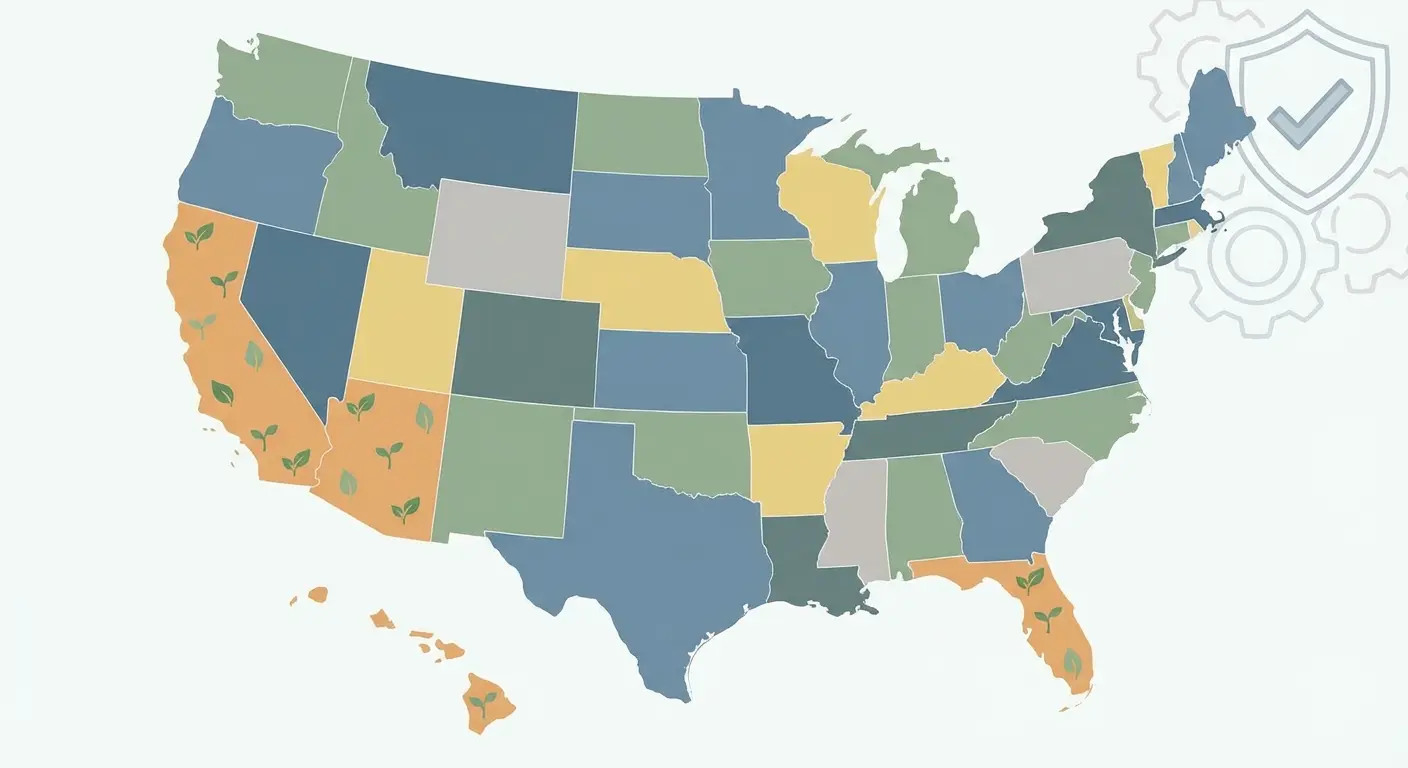
Geographic restrictions. Some states, including California, Florida, Arizona, and Hawaii, often have stricter inspection, labeling, or quarantine requirements. Certain species are restricted in specific states.
The decision is not just “Is there demand?” It is “Can I build a compliant operation that survives scrutiny and shipping stress?”
What Actually Determines Whether This Works
Not all criteria are equal. In this category, survival comes before scale.
1. Regulatory Readiness
Before you think about listings, confirm what applies to your business and your SKUs:
Amazon nursery license requirements can vary by state and by what you sell. Many sellers need a state-issued nursery license, plant dealer license, or similar authorization to sell and ship live plants across state lines. Requirements can depend on whether you grow, resell, or broker plants.
Keep clean sourcing documentation. Amazon may request recent supplier invoices, business information, and supporting photos during Amazon plant category approval or later account reviews.
Confirm whether your items fall under Amazon prohibited plant products. This can include noxious weeds, invasive species, plants under quarantine restrictions, or otherwise regulated items. A plant that is legal to possess in one state can still be restricted for shipment into another.
Treat compliance like a gated asset. Keep licenses, invoices, permits, and supplier records organized and retrievable.

2. Fulfillment Model and Operational Discipline
In practice, most sellers who ship live plants Amazon do so via Merchant Fulfilled shipping. If your plan depends on reliable plant condition at delivery, build your workflow around speed, packaging, and predictable handoff times.
Operational pressures typically include:
Appropriate storage conditions for your inventory
Daily shipping discipline, including weekend and holiday planning
Weather monitoring and heat or cold holds when needed
Carrier pickup cutoffs that prevent plants from sitting in transit hubs unnecessarily
Shipping live plants requirements are stricter than standard parcel expectations because customer experience and item condition are tightly coupled to transit time. If your current operation ships twice a week, this category can quickly create late shipment risk, higher return rates, and negative feedback.
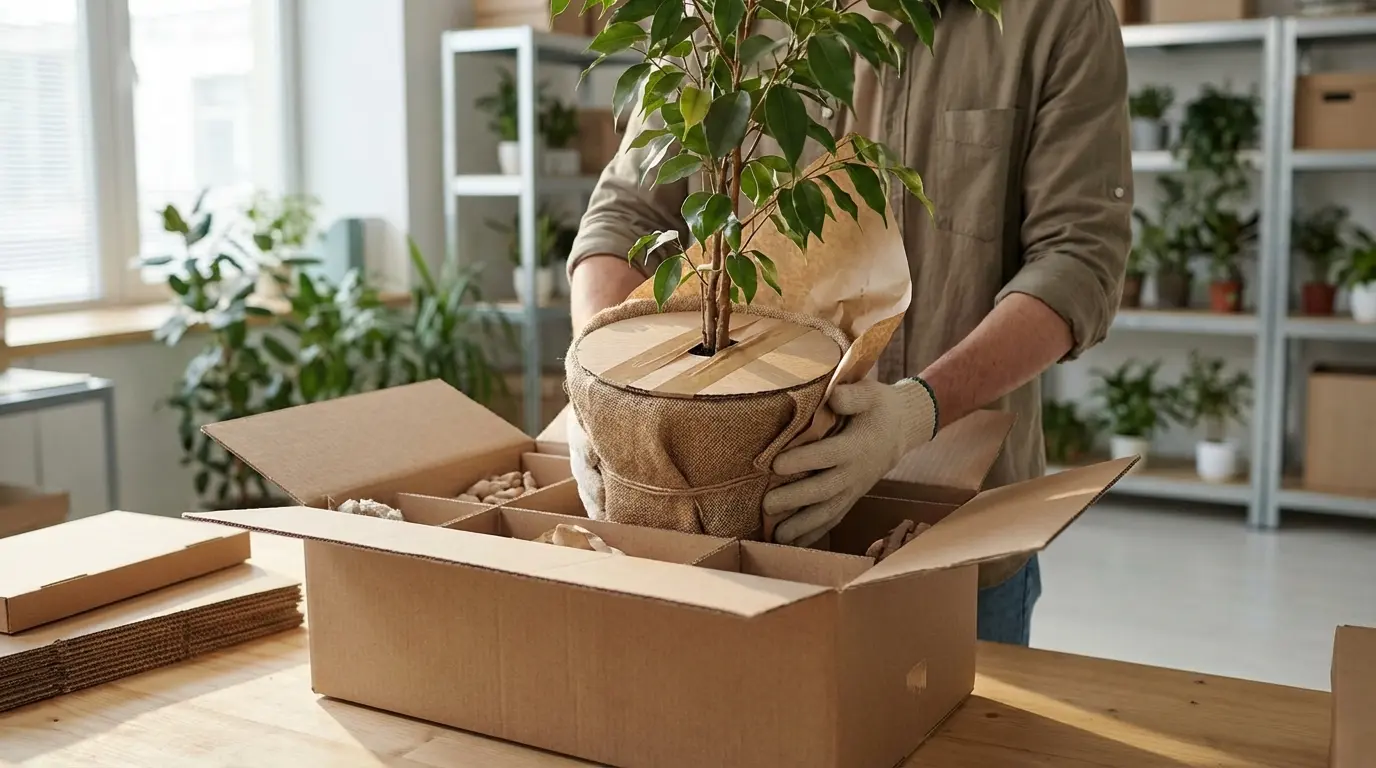
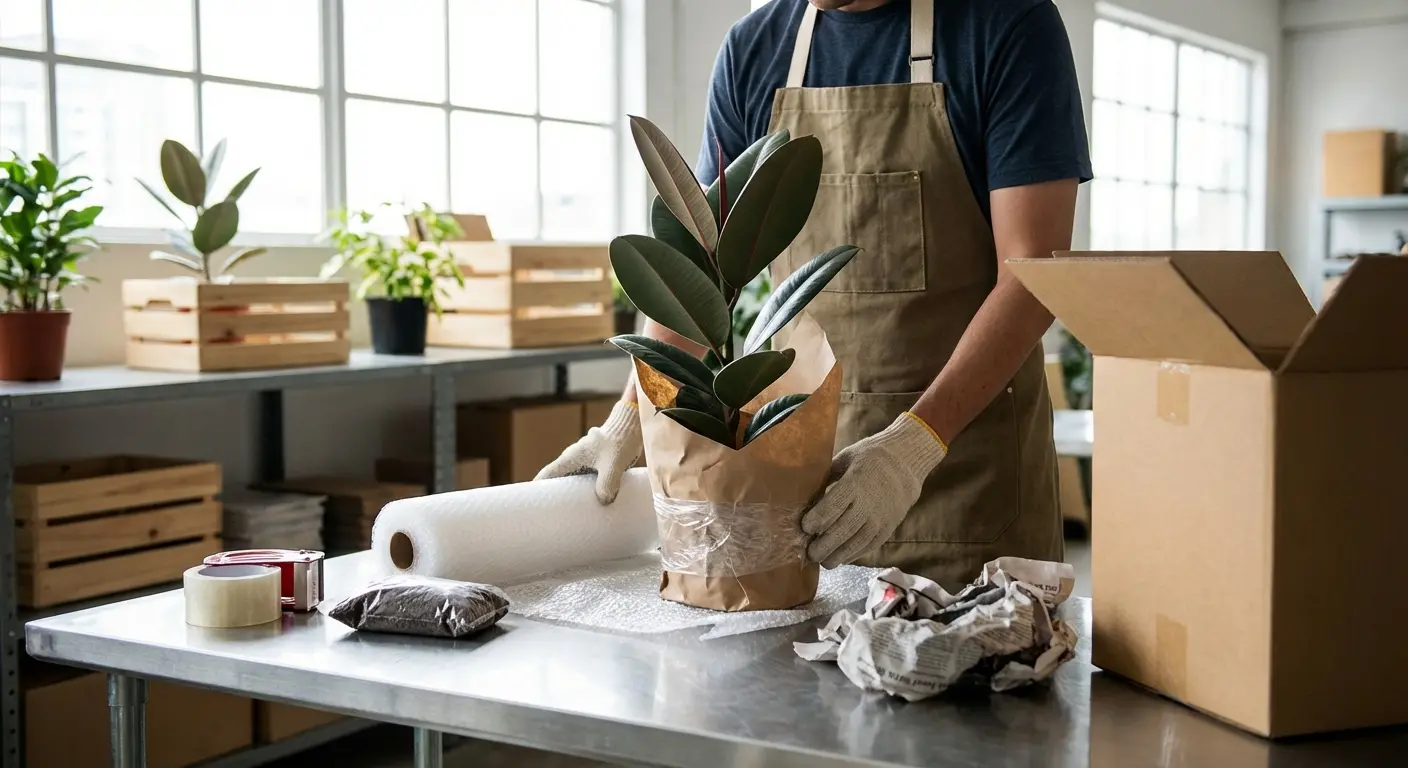
3. Packaging Engineering, Not Just Cushioning
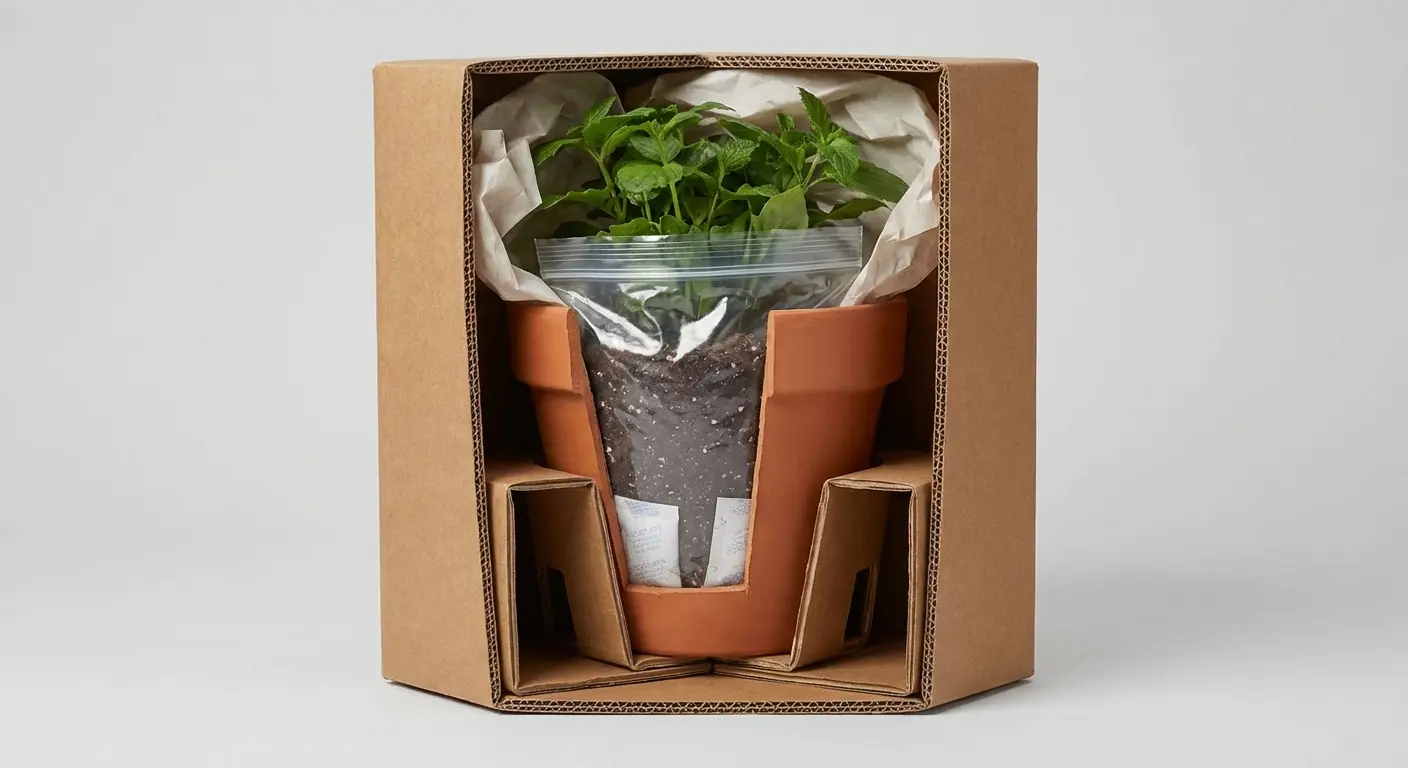
Amazon plant packaging requirements are not only about protecting the pot. Your package needs to manage:
Soil containment and leak prevention
Moisture balance and dehydration risk
Structural stability so the plant does not shift and snap
Clear labeling when required by destination rules or your own compliance process
Depending on where you ship, you may also need external markings such as “live nursery stock Amazon” shipments or other state-required identifiers. Because requirements vary by state and can change, verify state agriculture guidance for destination markets and document your packaging and labeling SOPs.
A practical heuristic is to design for the worst likely route. If a plant survives two to four days of carrier handling, it will usually survive shorter lanes.
4. Category Approval and Listing Structure
Many sellers underestimate Amazon plant category approval. Approval requirements can differ by plant type, brand, and risk signals, and Amazon can ask for:
Supplier invoices and traceability information
Proof of applicable licensing or registrations
Photos of the product, packaging, and labeling
Additional compliance attestations depending on the item
Once approved, your listing must match what you ship. If you say “bare root” but ship in soil, or list as “seed” but ship starter plugs, you create avoidable grounds for enforcement. Accuracy matters more here than aggressive keyword tactics.
5. Geographic and Seasonal Complexity
Selling live nursery stock Amazon often means shipping across state lines, and each state may have its own restrictions. Plan for:
SKU-level state exclusions for restricted destinations
Seasonal embargoes or weather holds
Shipping templates that prevent accidental non-compliant orders
Ignoring state-level restrictions is one of the fastest ways to trigger complaints that reach Amazon.
Situations That Change the Right Approach
This category is not binary. The right structure depends on your starting position.
If You Are a Licensed Nursery With Existing Infrastructure
If you already operate a nursery with established handling, inspection routines, and staff trained in plant care, Amazon becomes a channel expansion problem.
In that case:
Adapt packaging to parcel carrier realities.
Build FBM workflows that match your in-person standards.
Create SOPs for labeling, documentation retention, and destination restrictions.
Your main risk is underestimating how quickly Amazon can request documentation during an investigation or performance review.
If You Are a Standard FBA Seller Adding Plants
Expectation: “It’s just another SKU.” Reality: you are now running a micro-nursery and a perishable shipping operation.
If you do not control growing conditions or sourcing directly, you are exposed. Dropshipping live plants from loosely vetted suppliers can create quality, compliance, and traceability issues, and it can also conflict with Amazon’s dropshipping and seller-of-record expectations if you cannot meet packing slip and responsibility requirements.
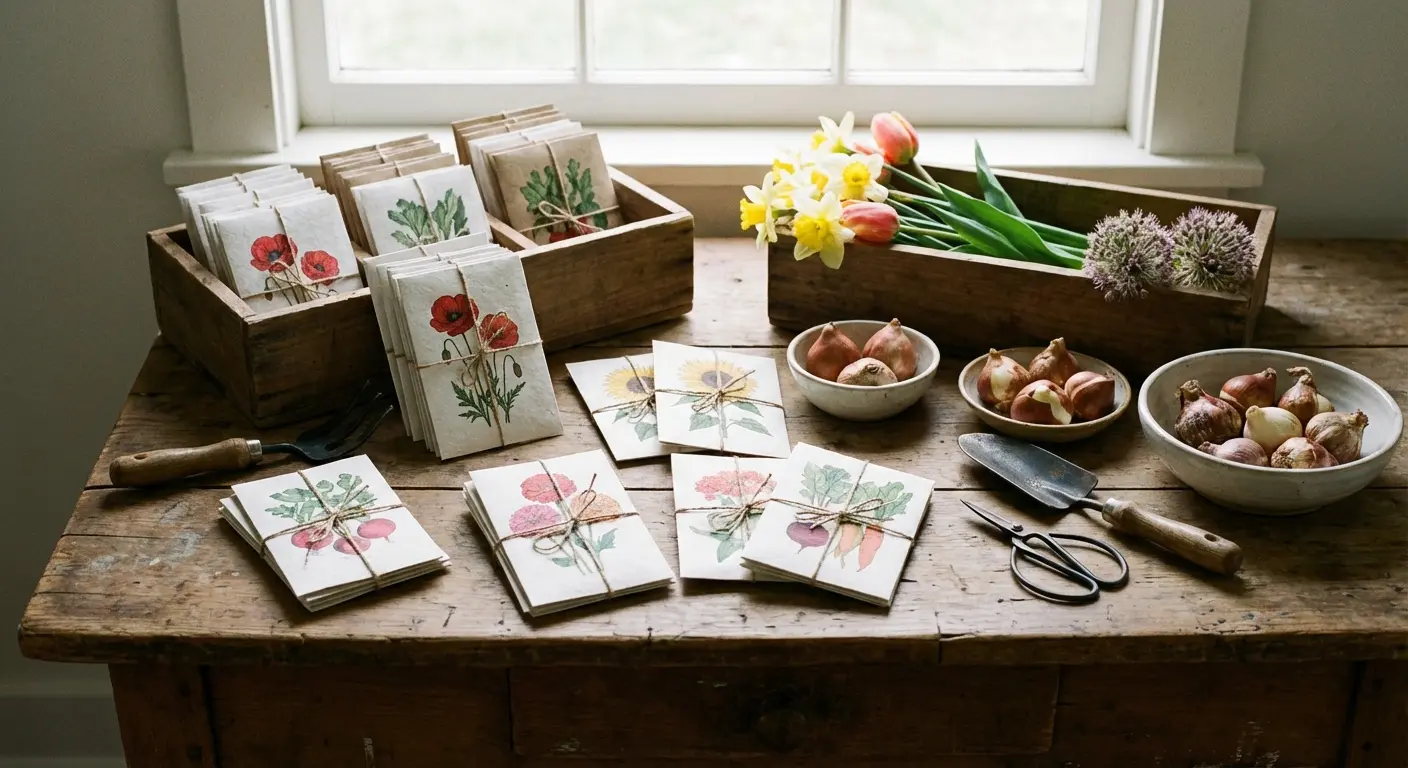
If you want a lower-friction entry point, sell seeds and bulbs on Amazon first. Seeds and bulbs still require compliance and accurate labeling, but they are typically more tolerant of transit variability than live potted plants.
If You Want to Sell Rare or Exotic Varieties
Rare plants attract demand, and they can also attract scrutiny. Confirm:
The species is not on federal or state invasive or noxious lists.
It is not restricted by quarantine rules or other protection frameworks that affect commerce.
Your documentation is complete, current, and consistent.
Higher price does not reduce compliance risk.
If You’re Targeting California or Other Strict States
Some states require more explicit labeling, documentation, or inspection steps. California, Hawaii, and Florida are common examples of stricter destinations, depending on the plant type.
If you cannot reliably meet those requirements, block those destinations until your process is proven and documented.
Common Ways Sellers Get Shut Down or Suppressed
The pattern is usually predictable.
Trying to Force FBA for Live Plants
Sellers sometimes attempt to send plants to FBA “just to test.” Many live plant items are restricted or ineligible, and Amazon can remove offers or take action if items violate fulfillment or condition expectations. Verify eligibility in Seller Central for your exact product type, and assume merchant fulfillment unless Amazon explicitly permits your workflow.
Listing Without Full Approval or Documentation
Sellers sometimes create listings before they can support them. If flagged, listings can be suppressed and account health can be impacted.
Get Amazon plant category approval where required. Then list.
Ignoring State-Level Restrictions
Shipping a restricted species into a regulated state can trigger external complaints or carrier interception. Amazon tends to react quickly to credible regulatory signals.
Build SKU-level state exclusions into your workflow.
Weak Packaging and High Claims
Plants arriving dead or severely stressed drive returns, negative feedback, and claims. In a fragile category, poor performance can compound quickly.
Packaging is not a cost center here. It is risk control.
Mislabeling the Product Type
Trying to bypass plant constraints by categorizing a live plant as decor or a different product type is an account-level risk. Amazon cross-checks category, images, attributes, and customer reports.
If you sell live plants on Amazon, ensure the listing reflects the real item, the real growing medium, and the real condition.
Two Decision Walkthroughs
Walkthrough 1: Small Local Nursery Expanding Online
Scenario:
A local nursery with a valid state license wants to expand to Amazon. They grow houseplants in-house.
Decision process:
They confirm their licensing meets Amazon nursery license requirements for their state and their selling model.
They apply for Amazon plant category approval with invoices and operational photos, if requested.
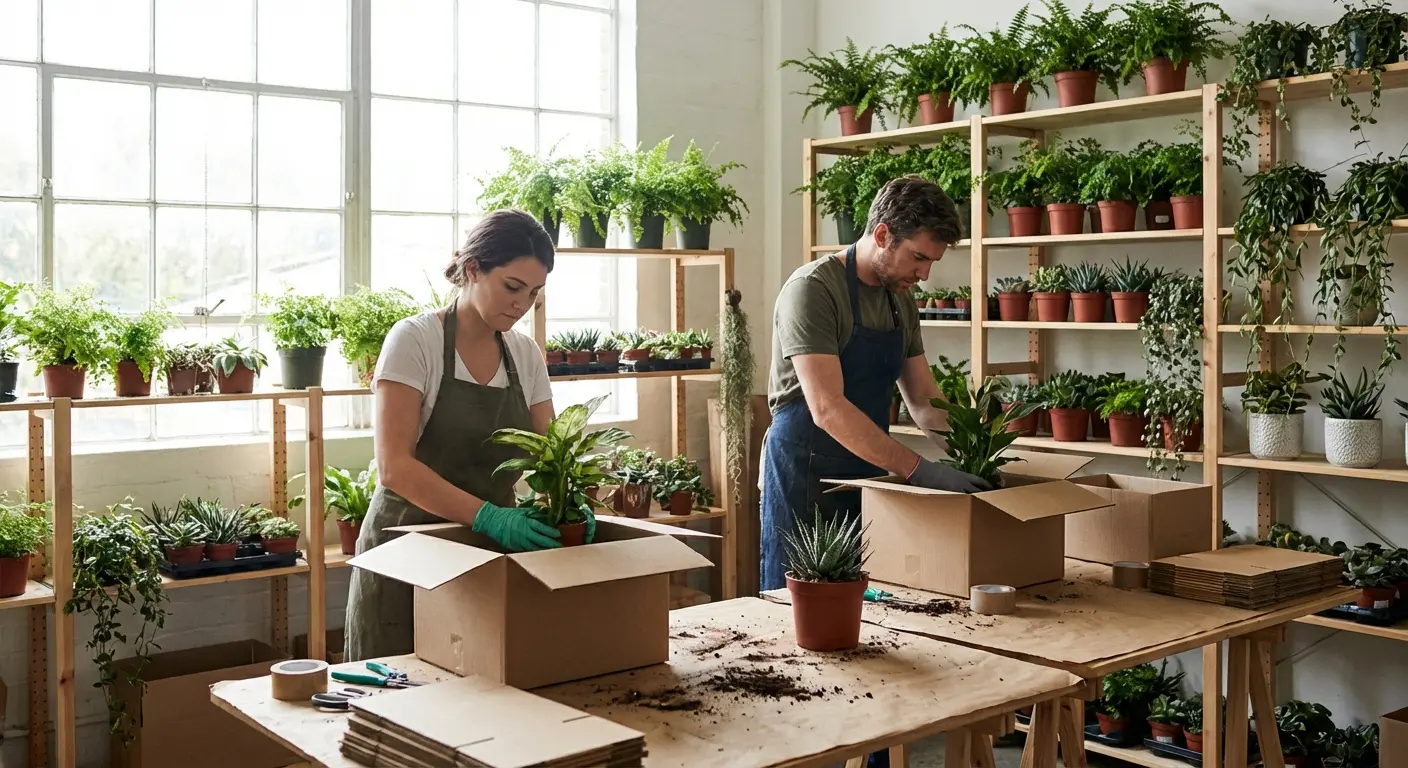
They implement daily shipping cutoffs and clear handling rules.
They design packaging that contains soil, stabilizes the plant, and supports labeling for stricter destinations.
They initially block higher-regulation states until they can operationalize the requirements.
Result: controlled rollout, limited SKUs, focus on durable plants with proven shipping tolerance.
Walkthrough 2: Private Label Seller Adding Plants
Scenario:
A seller in home decor wants to add plants.
Decision process:
They confirm they will likely need Amazon FBM for live plants rather than relying on FBA.
They assess whether they can maintain inventory condition, pack consistently, and ship daily.
They consider starting with sell seeds and bulbs on Amazon to reduce transit fragility.
They model packaging cost and expected loss rate from seasonal weather and carrier variability.
They decide to phase in live plants only after storage and SOPs are in place.
Result: phased approach that reduces early account and quality risk.
Practical Rules That Keep You Out of Trouble
If you are building an Amazon houseplant seller guide for your own operation, anchor on these:
Meet applicable Amazon nursery license requirements and keep licenses current.
Secure Amazon plant category approval where required before scaling listings.
Keep recent invoices and traceability records organized.
Plan for Amazon FBM for live plants unless Seller Central confirms eligibility for your exact items.
Engineer packaging to meet Amazon plant packaging requirements and real-world transit stress.
Use destination blocks where state rules are unclear, and document your decision logic.
Double-check SKUs against Amazon prohibited plant products and destination restrictions before offering nationwide shipping.
Train your team on how to ship live plants Amazon without weekend holds, heat exposure, or preventable delays.
With the right compliance foundation and execution, you can sell live plants on Amazon sustainably. Without that foundation, this category punishes shortcuts quickly.