Selling Industrial Equipment on Amazon

Olivia Reyes

The Smart Way to Sell Industrial Equipment on Amazon
If your industrial SKUs keep getting suppressed, flagged for hazmat review, or stuck in “under review” after a catalog update, you are usually facing operational friction. On Amazon, that friction is often driven by catalog structure, compliance documentation, and fulfillment constraints, not just demand.
Selling industrial equipment on Amazon is less about clever copy and more about system design: compliance controls, catalog discipline, heavy-item logistics, and B2B pricing logic that matches how procurement teams actually buy. Sellers who win in this space treat Amazon like an operational channel, not a marketplace experiment.
Below is a grounded look at what matters, where sellers get hurt, and how to build something that can better withstand audits, policy updates, and scaling pains.
Why Industrial Sellers Struggle on Amazon (And What That Signals)
Industrial products tend to behave differently from many consumer goods in three ways: regulation, logistics, and buyer expectations.
First, the regulatory burden can be real. Many SKUs require SDS documentation and may require third-party testing documentation or product certifications, depending on the item and market. If you ignore this, you may eventually need an amazon hazmat compliance service, or you may face listing removals and, in severe cases, an amazon seller account suspension reinstatement process. Prevention is often cheaper than recovery, but it still requires accurate sourcing and documentation.
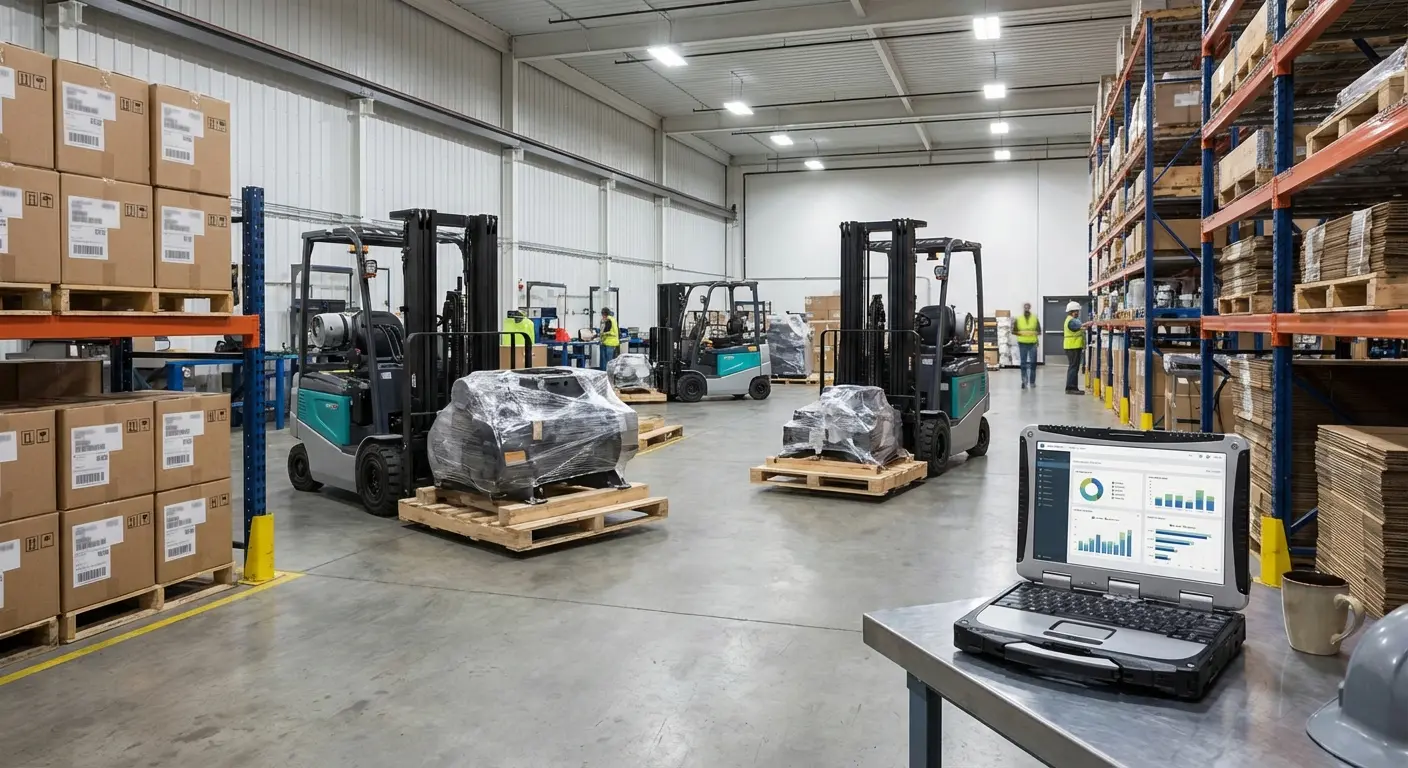
Second, the physical product profile is unforgiving. Oversize cartons, palletized shipments, freight appointments, and higher damage rates can make a standard FBA playbook unreliable. For many assortments, amazon fba logistics software for heavy goods or amazon heavy item fulfillment software is useful for modeling total landed cost, storage risk, and return exposure.
Third, the buyer is often a procurement manager. They may expect quantity discounts, tax exemption support through Amazon’s Business features, and documentation that aligns with internal purchasing controls. Without structured business pricing, you can lose deals to competitors who understand B2B buying patterns better.
These are not primarily marketing issues. They are operating model issues.
The Building Blocks You Cannot Ignore
Before thinking about ads or creative, get clear on the structural pieces that govern industrial selling.
Category access and gated approvals
The Industrial & Scientific category and certain subcategories can be gated or may require additional approval. An amazon industrial category ungating service can help organize and submit documentation, but no service can substitute for legitimate supply chain paperwork. Amazon commonly requests invoices that meet specific criteria, and retail receipts typically do not satisfy those requirements for approval or authenticity checks.
If you are a manufacturer, an amazon catalog management service for manufacturers becomes important early. Brand Registry can help with catalog control and brand protection, but it does not prevent all listing edits or data conflicts by itself. Tight catalog governance reduces the risk of incorrect merges, variation issues, and attribute changes that can trigger compliance reviews.

Hazmat and compliance control
Anything with batteries, pressurized components, chemicals, lubricants, or certain aerosols may trigger dangerous goods or hazmat review, even when the product is legally sellable. An amazon hazmat compliance service can help manage SDS collection, submission workflows, and internal readiness, but the internal discipline matters most. Maintain a compliance folder for each ASIN with current SDS when applicable, relevant test reports, and supplier certifications.
An amazon seller compliance management tool can support this at scale. Manual tracking often fails when documents expire, formulas change, packaging updates, or suppliers rotate.
B2B structure and pricing logic
Amazon Business is not just a badge. It affects how business customers see pricing, quantity discounts, and certain purchasing experiences.
A proper amazon business pricing automation tool can help you:
Maintain business price logic alongside consumer pricing when appropriate
Publish and adjust quantity discounts without constant manual edits
Respond to competitive shifts while controlling margin guardrails
Pair this with a b2b amazon seller automation tool to streamline operational workflows such as purchase order handling, repeat ordering patterns, and invoice documentation where your business process requires it. Many teams also combine this with software for amazon b2b sellers to unify pricing, alerts, and catalog monitoring.
Heavy item fulfillment strategy
For oversize and heavy SKUs, basic calculators rarely capture the full picture. You need amazon heavy item fulfillment software that models:
FBA vs FBM cost differences by size tier and season
Inbound freight and appointment costs
Damage rates and return shipping exposure
Storage fees over long sales cycles
Some sellers discover too late that Prime eligibility does not always offset margin erosion on very heavy equipment with expensive returns.

How the System Works in Practice
Industrial selling on Amazon is a layered system. Each layer influences the next.
Layer 1: Account architecture
Start with a Professional selling account and, if eligible, Brand Registry. If you are a manufacturer, treat Amazon as a controlled channel. An amazon catalog management service for manufacturers can help structure parent-child variations correctly, especially for voltage variants, capacity differences, or compliance-relevant distinctions.
This is where you reduce messy ASIN merges that later trigger compliance confusion.
Layer 2: Compliance gatekeeping
Before inventory is sent anywhere, confirm dangerous goods or hazmat status where applicable. If you are uncertain, route the SKU through an internal compliance owner or an amazon hazmat compliance service. Keep document versions aligned to the exact SKU and packaging that is being shipped.
This reduces the chance of inventory becoming temporarily unavailable due to compliance review.
Layer 3: Listing accuracy and technical depth
amazon listing optimization for industrial products is different from consumer copywriting. For many industrial SKUs, buyers evaluate specs before brand.
Strong listings typically include:
Voltage, amperage, wattage, or pressure ratings where relevant
Dimensions and weight
Material composition and tolerances where applicable
Compatibility references and model cross-references
Claims about certifications only when you can substantiate them
Missing specs can increase returns and raise pre-sale message volume, which can also affect operational workload.

Layer 4: Fulfillment decision
Decide FBA, FBM, or hybrid based on contribution margin and constraints, not habit.
FBA can improve buyer trust and fast shipping eligibility.
FBM can protect margin on very heavy, freight-only, or configurable items.
A hybrid model often works well: mid-weight fast movers in FBA, palletized or configurable units via FBM.
Use amazon fba logistics software for heavy goods to stress-test fee and storage scenarios. Storage costs and returns can quietly convert profitable SKUs into liabilities.
For complex freight workflows, amazon heavy item fulfillment software may be paired with amazon fba logistics software for heavy goods to cover both FBA fee modeling and non-parcel shipping realities.
Layer 5: B2B pricing and automation
Once operationally stable, implement an amazon business pricing automation tool. Add quantity discounts and watch how average order size and repeat purchasing respond.
Add a b2b amazon seller automation tool to reduce repeated manual work and improve consistency. Depending on your operation, software for amazon b2b sellers can also unify alerts for suppressed listings, price drift, and business pricing changes.
Layer 6: Monitoring and risk control
Use a software for amazon b2b sellers stack that includes alerting for suppressed listings, document expirations, and pricing anomalies. Pair it with an amazon seller compliance management tool for document tracking and renewals.
The goal is simple: fewer surprises and faster resolution when issues appear.
Three Realistic Scenarios Sellers Face
Case 1: The manufacturer entering Amazon Business
A mid-sized manufacturer of industrial pumps decides to sell direct. They control their brand but underestimate catalog complexity.
Failure mode:
Variations are incorrectly built or merged
SDS documents are outdated or mismatched to packaging
Listings get suppressed after automated attribute or compliance checks
Mitigation:
Use an amazon catalog management service for manufacturers to correct variation structure and attributes
Centralize compliance documents with an amazon seller compliance management tool
Implement amazon listing optimization for industrial products with full technical specs
Result: More stable listings, fewer suppressions, and better conversion from buyers who can validate specs quickly.
Case 2: The distributor with heavy SKUs
A distributor lists 90 lb tool cabinets using FBA to improve delivery speed.
Failure mode:
FBA fees and storage costs erode margin
Returns due to cosmetic damage become expensive
Cash flow tightens
Mitigation:
Run numbers through amazon heavy item fulfillment software
Shift slow movers to FBM with negotiated freight options where feasible
Keep the top performers in FBA if the economics support it
Result: Lower fee exposure and more predictable margin, even if some items move to slower shipping methods.
Case 3: The compliance-triggered account action
A seller of industrial adhesives fails to upload updated SDS after formula changes.
Failure mode:
ASIN removal or restricted status
Account health impact
Need for amazon seller account suspension reinstatement support
Mitigation:
Formal compliance calendar tied to suppliers and formulation changes
amazon hazmat compliance service oversight for regulated SKUs
amazon seller compliance management tool to track versions and renewal dates
Result: Fewer compliance interruptions and a lower chance of repeat enforcement actions.
Where Sellers Get It Wrong
Assuming B2B buyers behave like consumers Procurement teams usually care about documentation and specifications more than lifestyle imagery. If technical completeness is weak, trust declines and returns can rise.
Using consumer pricing logic Industrial buyers often expect tiered pricing. Without an amazon business pricing automation tool, teams default to single-unit pricing and miss bulk opportunities.
Treating compliance as reactive Waiting for a flag forces defensive operations. A proactive process supported by an amazon seller compliance management tool is usually faster and less expensive than repeated firefighting.
Believing FBA solves logistics For heavy goods, FBA is an option, not a strategy. Without modeling inbound freight, storage, and return risk, fast shipping eligibility can become expensive visibility. When the workflow is complex, amazon fba logistics software for heavy goods should be paired with operational controls.
Ignoring catalog hygiene Manufacturers often underestimate how easily duplicates, wrong attributes, or conflicting edits can disrupt a listing. An amazon catalog management service for manufacturers helps maintain consistency that protects both conversion and compliance.
Constraints, Tradeoffs, and Edge Cases
Hazmat ambiguity Some products sit on the border of dangerous goods classification. Even when the item is compliant, Amazon’s internal review may be conservative. Plan for review time and possible reclassification.
Long sales cycles Some equipment has extended consideration windows. High page views with slow conversion can be normal in B2B. Avoid overcorrecting price too quickly.
Freight damage risk Heavy or palletized items have higher damage exposure. Carrier handling varies. Build a return reserve into margin calculations and packaging upgrades.
International expansion Industrial compliance expectations differ by marketplace. Documentation accepted in one region may not transfer cleanly to another. Validate before duplicating listings.
Account health fragility Multiple small issues can compound. In worst cases, sellers require amazon seller account suspension reinstatement support. Prevention supported by monitoring and documentation discipline is typically less costly.
What Moves the Needle
Treat Amazon as an operational system, not just a listing channel.
Secure approvals early and maintain clean, verifiable sourcing documentation.
Use amazon hazmat compliance service support for regulated items, and keep internal document discipline.
Model FBA vs FBM economics with amazon heavy item fulfillment software before sending inventory.
Implement an amazon business pricing automation tool to capture B2B demand effectively.
Maintain catalog control, especially for manufacturers, to reduce merges and compliance drift.
Put the right stack in place: software for amazon b2b sellers, an amazon seller compliance management tool, and a b2b amazon seller automation tool to reduce manual error.
For teams selling into larger business buyers, an amazon b2b account management service can help coordinate pricing, assortment, operational expectations, and ongoing performance improvements.
Industrial equipment can perform well on Amazon, particularly when repeat purchasing and larger order sizes are common. The sellers who succeed tend to build durable systems that prevent predictable failure, including strong documentation, disciplined catalog operations, and fulfillment decisions supported by data.

For regulated and operationally complex catalogs, amazon heavy item fulfillment software, amazon fba logistics software for heavy goods, amazon seller compliance management tool, and amazon business pricing automation tool often work best as a coordinated stack, not as isolated fixes.