Amazon Buy Box: How to Win It in 2026

Sarah Johnson
Amazon Buy Box: What It Is and How to Win It in 2026
Why are your PPC campaigns barely spending even though your listing ranks well and your price looks competitive? In many cases, the issue is simple: you are not holding the Buy Box.
If you want to understand what is the amazon buy box and how to win it, you need to think beyond price. In 2026, the Buy Box is less about being the cheapest and more about being the lowest-risk option for customer experience. This article breaks down how it works, how Amazon may rotate it, and what experienced sellers should focus on for consistent control.
The Buy Box Is Amazon’s Default Seller Selection Engine
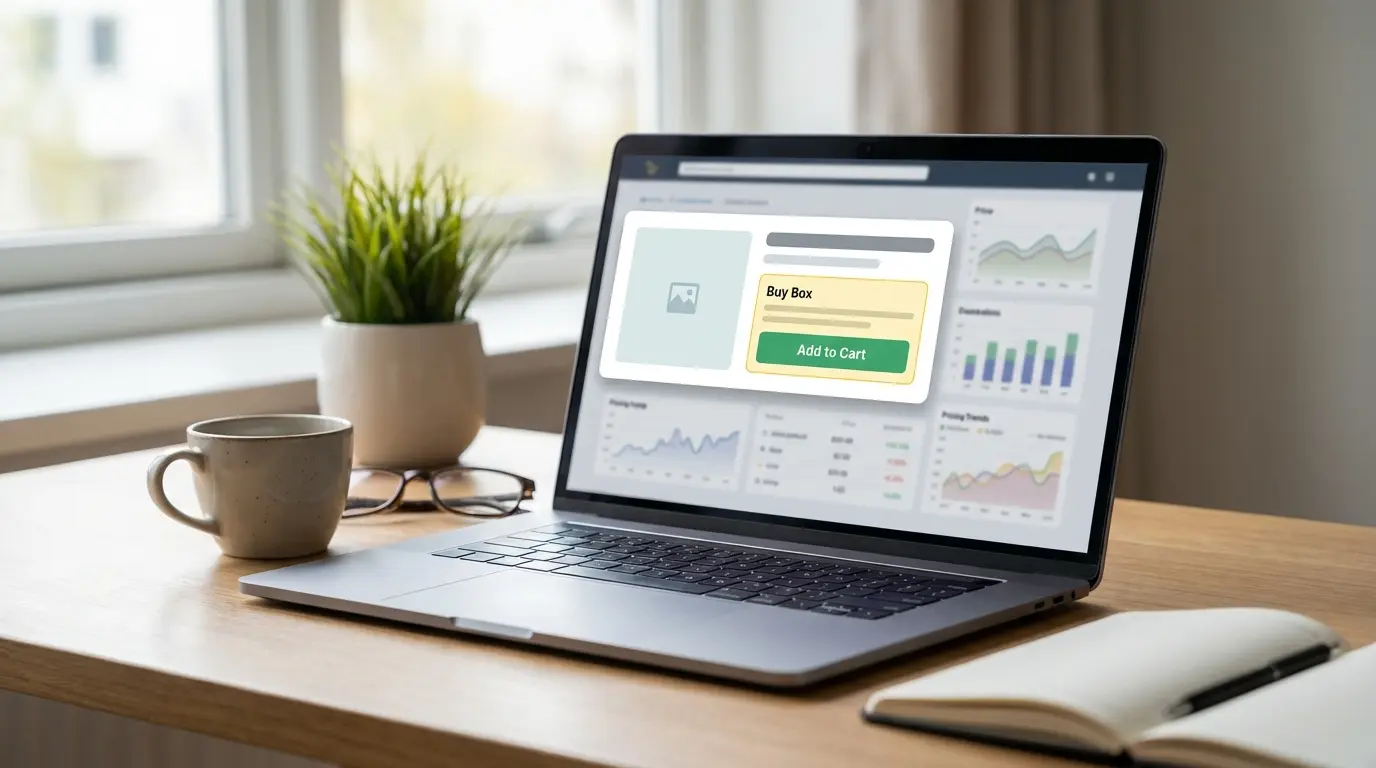
On a product detail page with multiple sellers, the Amazon Buy Box is the offer that owns the Add to Cart and Buy Now buttons. In some Amazon surfaces it is labeled “Featured Offer.”
Most purchases flow through that box. If you are not in it, your offer sits in “Other Sellers on Amazon,” which typically captures less volume.
Two structural realities matter:
Only Professional selling plans are typically eligible for the Featured Offer on most categories and marketplaces.
Eligibility is not the same as winning. You can be eligible and still get 0% Buy Box share.
If you sell wholesale, arbitrage, or compete on shared listings, the Buy Box can determine your revenue. If you sell private label and you are the only seller, the Featured Offer can still be suppressed if pricing, availability, or account health issues trigger a removal.
This is why understanding how to win buy box on amazon is not optional. It is operational.
What Amazon Actually Evaluates (Beyond the Obvious)
Most sellers know the headline factors: price, Prime, metrics. What matters is how Amazon blends them.
Here are the core levers.
Landed Price, Not Sticker Price
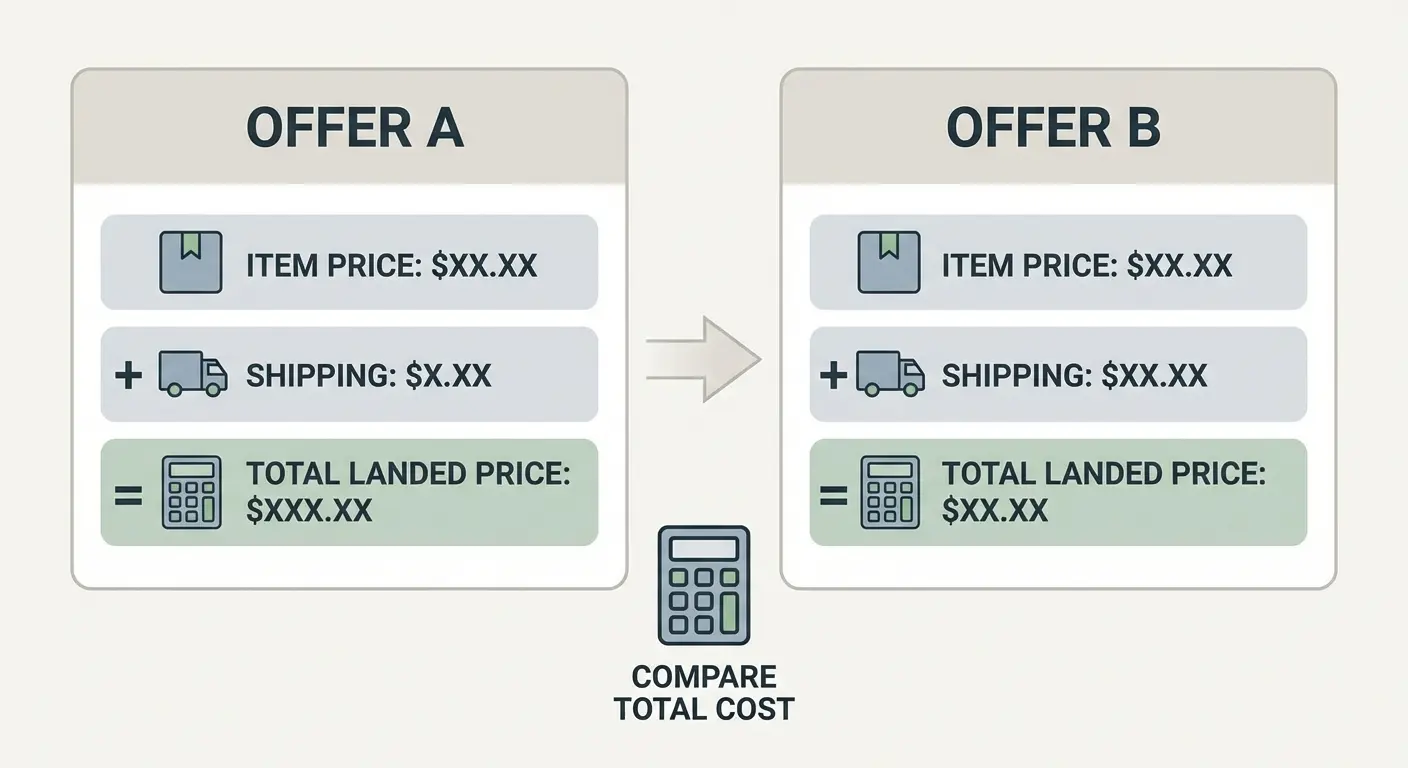
Amazon compares total landed price, meaning item price plus shipping. A lower item price with higher shipping does not reliably improve competitiveness.
Important nuance: Amazon can suppress the Featured Offer if your price is outside a “fair” range, which may be based on factors like recent sales history and external price references. That can include pricing that is unusually high, and in some cases unusually low.
If you plan to launch at a lower price, coupons or time-bound promotions can be safer than permanently cutting list price. Sudden price spikes after a low anchor can also destabilize conversion and, in some cases, Featured Offer visibility.
Fulfillment Method and Delivery Promise
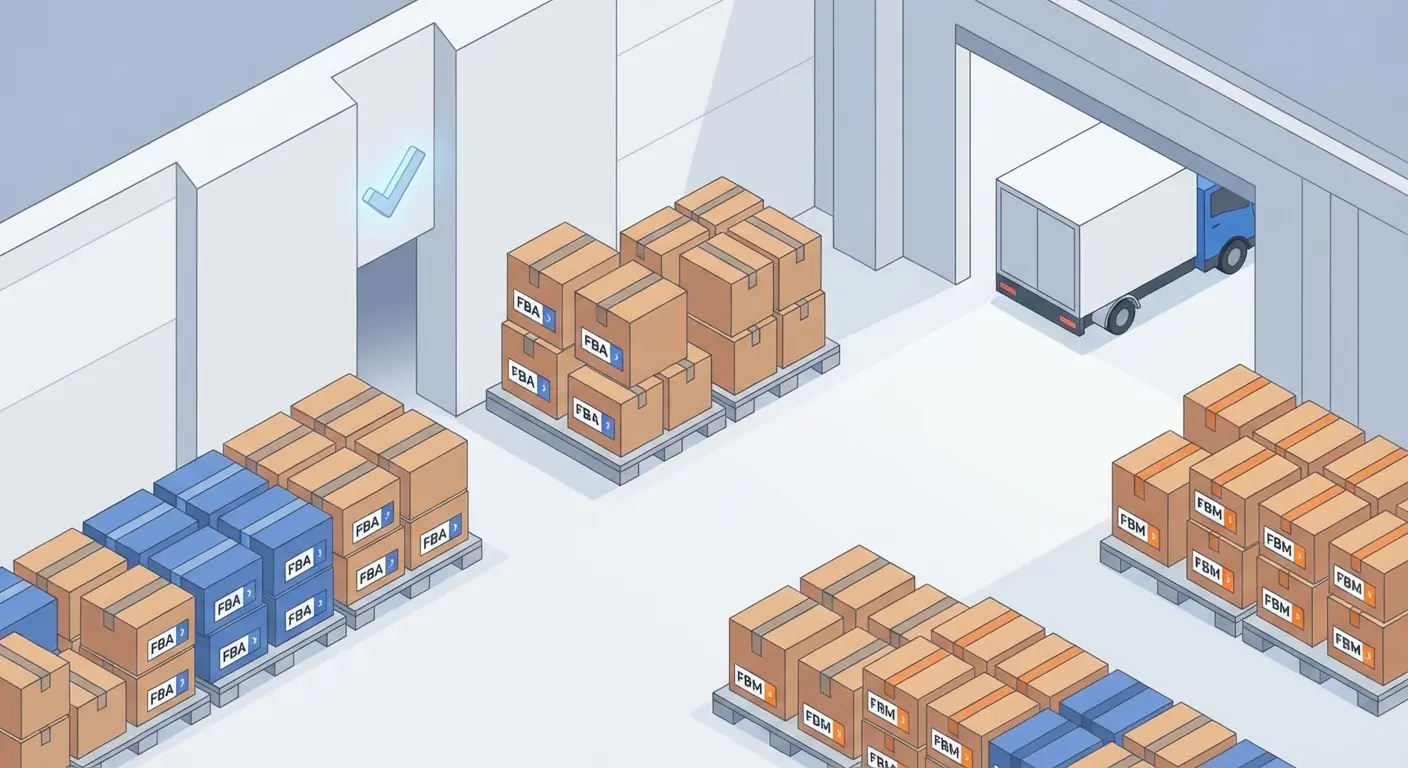
FBA often provides structural advantages:
Prime eligibility
Standardized handling times
Amazon-controlled customer service and returns
Seller Fulfilled Prime can compete if your on-time delivery and handling performance stays excellent. Standard FBM can still win, especially when the shipping promise is fast and reliable, but it often has less margin for error.
A common mismatch:
Expectation: “FBA automatically wins the Buy Box.”
Reality: FBA makes you more competitive, but an overpriced or unreliable offer can still lose.
Delivery speed expectations remain high. For many categories, a fast delivery promise is table stakes.
Seller Performance Metrics
Amazon’s Featured Offer selection tends to reward strong account health and dependable fulfillment. Signals commonly associated with competitiveness include:
Order Defect Rate (ODR)
Late Shipment Rate (FBM)
Pre-fulfillment Cancellation Rate (FBM)
Valid Tracking Rate (FBM)
On-time delivery and delivery experience signals (varies by fulfillment type and marketplace)
You can often review eligibility in Seller Central by enabling the “Featured Offer eligible” column in inventory views.
A seller with a slightly higher price but stronger performance can beat a cheaper competitor with unstable execution.
Inventory Depth and Consistency
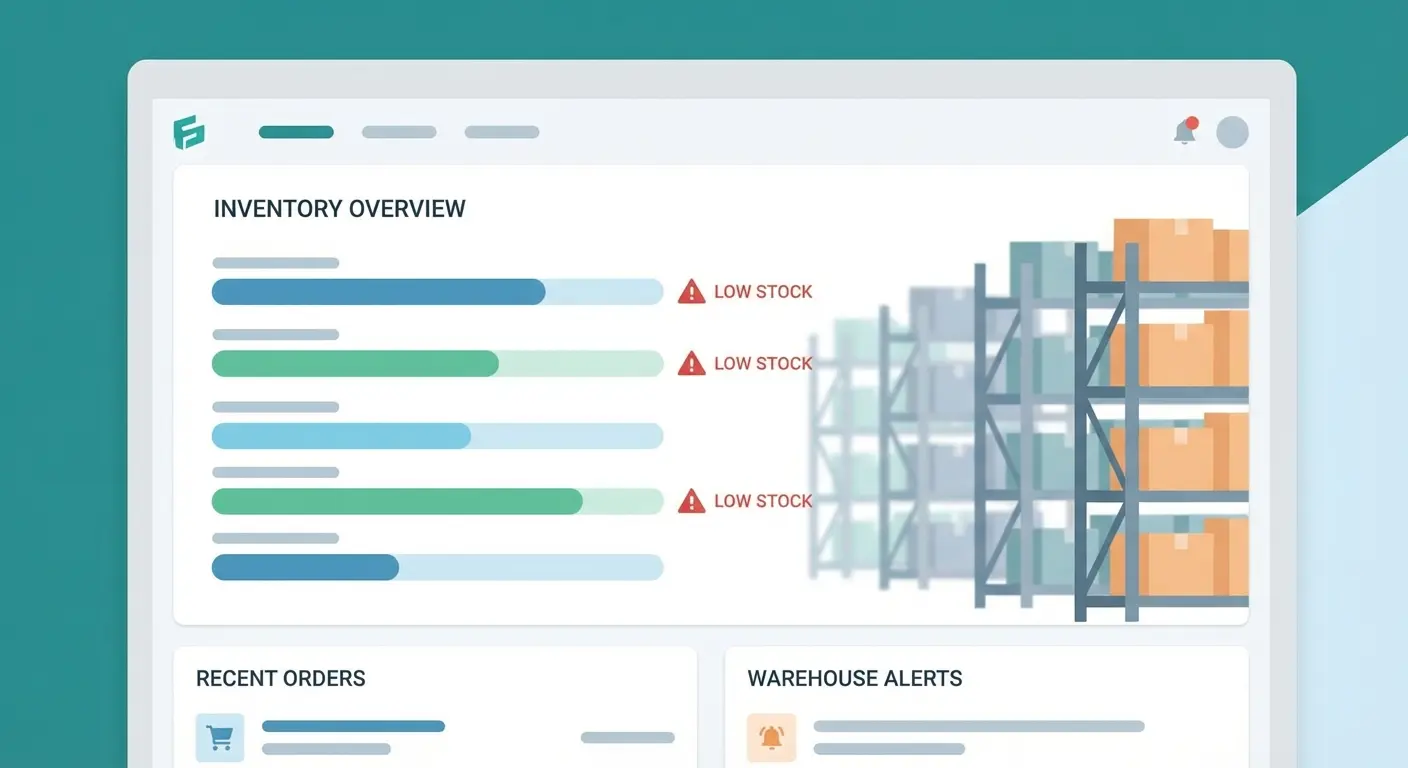
Running out of stock removes your ability to win the Buy Box. There is also a second layer: low inventory can reduce your share on high-velocity ASINs if Amazon expects availability risk.
For high-velocity products, build buffers that account for inbound variability, check-in delays, and seasonal spikes.
Conversion Signals (Indirect but Real)
Listing quality does not directly award the Featured Offer. However, conversion rate and customer experience outcomes can correlate with offer performance over time.
Optimizing images, titles, bullets, and A+ Content can indirectly support Buy Box stability by improving shopper confidence and reducing friction once you are competitive on price, fulfillment, and performance.
How Buy Box Rotation Actually Works
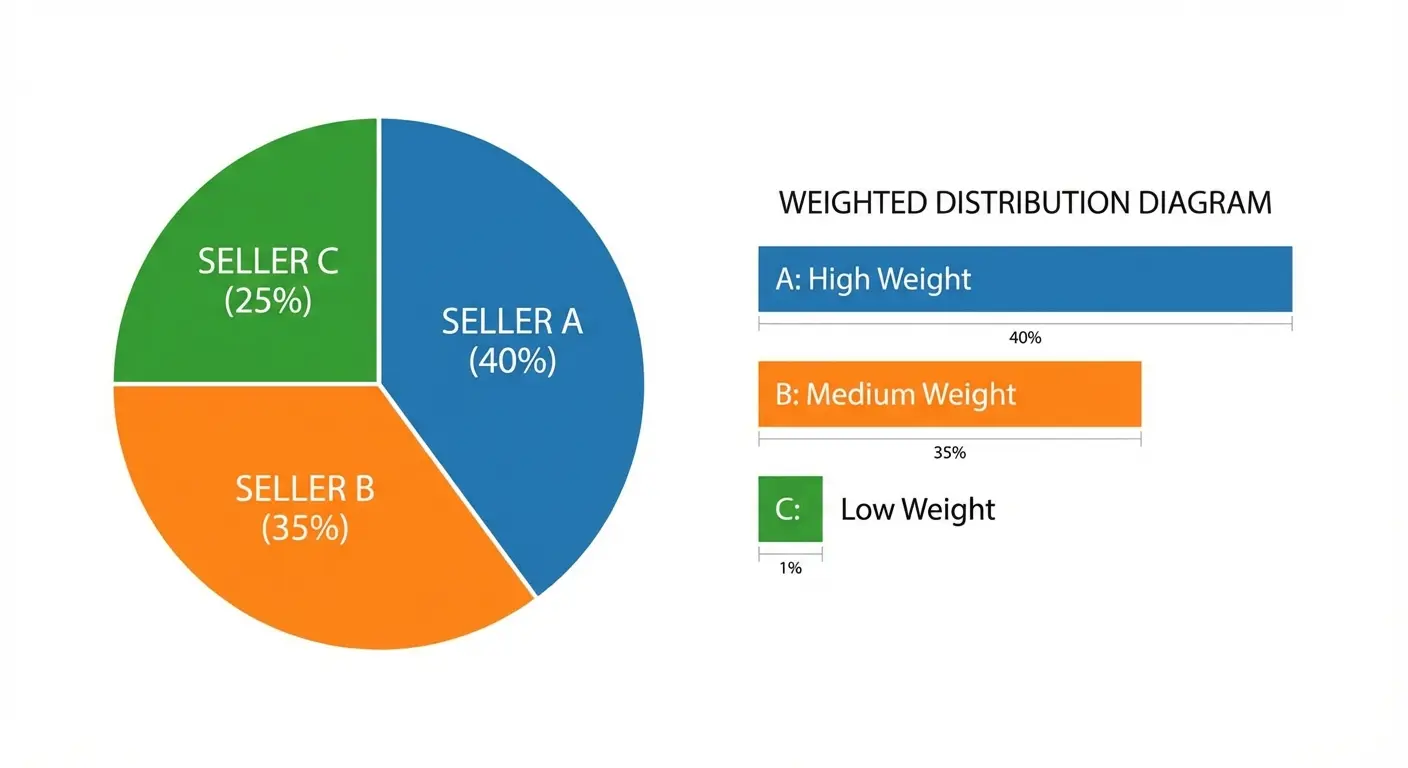
When multiple sellers are eligible, Amazon may rotate the Buy Box across competitive offers. Rotation is not guaranteed to be equal, and it is not simply random.
Think of it as weighted distribution. If three sellers are close:
Seller A (best overall offer) might get the majority of impressions
Seller B might get a meaningful minority share
Seller C might get a small share if they are eligible but less competitive
These weights can change based on:
Repricing shifts
Performance changes
Stock levels
Delivery promise updates
You can monitor your Buy Box percentage in Seller Central reporting, including time-based views where available.
You do not need 100% share to be profitable. In competitive wholesale listings, a stable share at healthy margin can outperform near-total share at razor-thin margin.
How to Win Amazon Buy Box in 2026: Strategic Levers
If you are serious about how to win amazon buy box consistently, focus on systems, not hacks.
Use FBA Strategically, Not Blindly
FBA is often strong for:
Lightweight, fast-moving SKUs
Competitive listings with many Prime offers
ASINs where delivery speed materially impacts conversion
Oversized, slow-moving, or seasonal products may perform better with a hybrid approach, such as FBA for core units and FBM for overflow. Do not assume FBA fixes weak pricing, weak demand, or poor forecasting.
Build a Pricing System With Guardrails
Automated repricing is essential on shared listings. Manual pricing cannot react fast enough.
Within Amazon tools like Automate Pricing, you can create rules tied to competitive reference points, but the key is setting intelligent minimums. A race-to-the-bottom approach can destroy margin without securing durable share.
A useful heuristic: if a small price drop gains minimal share but costs significant margin, the pricing logic is misaligned with profitability.
This is a core part of how to win buy box without turning your catalog into a discount engine.
Protect Your Metrics Like an Asset
Performance is slow to build and fast to damage.
Practical habits:
Buy shipping through Amazon for FBM orders when it improves tracking compliance and reduces disputes.
Respond to buyer messages within 24 hours, including weekends when possible.
Review A-to-z claims, chargebacks, and negative feedback frequently.
Set internal standards stricter than Amazon’s published thresholds.
ODR is one example where staying comfortably below risk levels matters. If it trends upward, address root causes early.
Maintain Inventory Discipline
Use restock alerts and buffer-stock calculations. For seasonal SKUs, plan forward coverage that includes:
Inbound transit time
Check-in and receiving delays
Demand spikes and promo lift
A brief stockout during peak demand can reset momentum and give competitors a window to take share.
Understand When Amazon Retail Is Competing
If Amazon Retail is on the listing, it often wins due to pricing, fulfillment capabilities, and shopper trust. It does not necessarily win every time, and other sellers may still earn share when their total offer is more competitive.
Watch pricing patterns when Amazon enters a listing. Sometimes the better decision is stepping back rather than compressing margin into an unwinnable race.
Three Practical Scenarios
Case 1: Wholesale Seller With Three Competitors
You and three other sellers share a branded ASIN. All use FBA. Your price is $24.99, others are $24.95 and $25.10.
Your ODR is 0.2%. One competitor is at 0.9%.
Result: you may hold more Buy Box share despite not being the cheapest, especially if other signals like cancellation rates, returns, and delivery experience favor your offer.
Why? Reliability can beat marginal price differences.
Case 2: Private Label Seller Loses Own Buy Box
You are the only seller. Suddenly the Buy Box disappears.
Common causes include:
Price flagged as uncompetitive or outside Amazon’s expected range
Account health issues
Listing or ASIN compliance problems
Inventory unavailable in key fulfillment paths
Fixing the root cause often restores visibility. Many private label sellers assume hijackers are the problem when pricing or compliance is the real culprit.
Case 3: Aggressive Repricing Backfires
You set a rule to always price $0.01 below the lowest offer.
Competitors do the same.
Within hours, price drops sharply. Buy Box share does not necessarily concentrate on any single seller, and everyone loses margin.
Lesson: competing purely on price without floor logic invites algorithmic price wars.
Common Misunderstandings About the Buy Box
“Lowest price always wins.” Not true. A competitive total offer tends to win. Extreme underpricing can also trigger pricing scrutiny and suppress visibility.
“FBA guarantees Buy Box.” FBA improves odds but does not override weak offer competitiveness or poor account performance.
“If I lose it, something is broken.” Rotation is normal on shared listings. Temporary loss does not automatically mean a penalty.
“Amazon always gives itself the Buy Box.” Amazon Retail often wins because it is competitive, not because it is guaranteed.
“Listing optimization wins the Buy Box.” Optimization supports conversion and customer experience, but Featured Offer selection is primarily offer- and performance-driven.
Limits, Risks, and Edge Cases
There are structural constraints sellers cannot fully control.
Suppressed Buy Box
If offers are priced far above expected norms, Amazon may suppress the Featured Offer entirely. Shoppers then see the offer listing section instead of the default Add to Cart experience.
This can happen after supply shocks, sudden demand spikes, or when external pricing signals shift.
New Seller Friction
New accounts with limited performance history may be eligible but receive limited rotation share until they build a track record. Clean execution and patience often outperform aggressive discounting.
Used vs New Conditions
On listings with both new and used offers, Amazon typically evaluates them separately by condition. Condition quality and seller performance can weigh heavily, especially in used-heavy categories like books.
International Marketplaces
Buy Box dynamics vary by marketplace due to shipping infrastructure, taxes, and Prime penetration. Do not assume US behavior maps perfectly to the EU, UK, or other regions.
Key Takeaways for Experienced Sellers
If you are focused on how to win buy box, anchor on these principles:
Eligibility is the baseline. Share is the metric that matters.
Landed price must be competitive, not reckless.
Fulfillment strength helps, but performance and reliability drive stability.
Inventory depth can influence share before you stock out.
Automated repricing needs firm minimums to protect margin.
Track Buy Box percentage over meaningful windows, not just daily snapshots.
For teams building SOPs, the most useful framing is simple: how to win the buy box amazon rewards comes down to being the most dependable total offer at a competitive landed price. If you are documenting playbooks for operators, include a clear checklist for what to monitor weekly, because that is how to win buy box on amazon without gambling on short-term price moves.