Amazon Rogue Sellers: Stop Listing Hijacking

Olivia Reyes
Amazon Rogue Sellers: How They Hijack Listings and What Actually Stops Them
Have you ever opened your top ASIN and seen three new sellers you have never authorized, one of them already winning the Buy Box at a price that breaks your margin model?
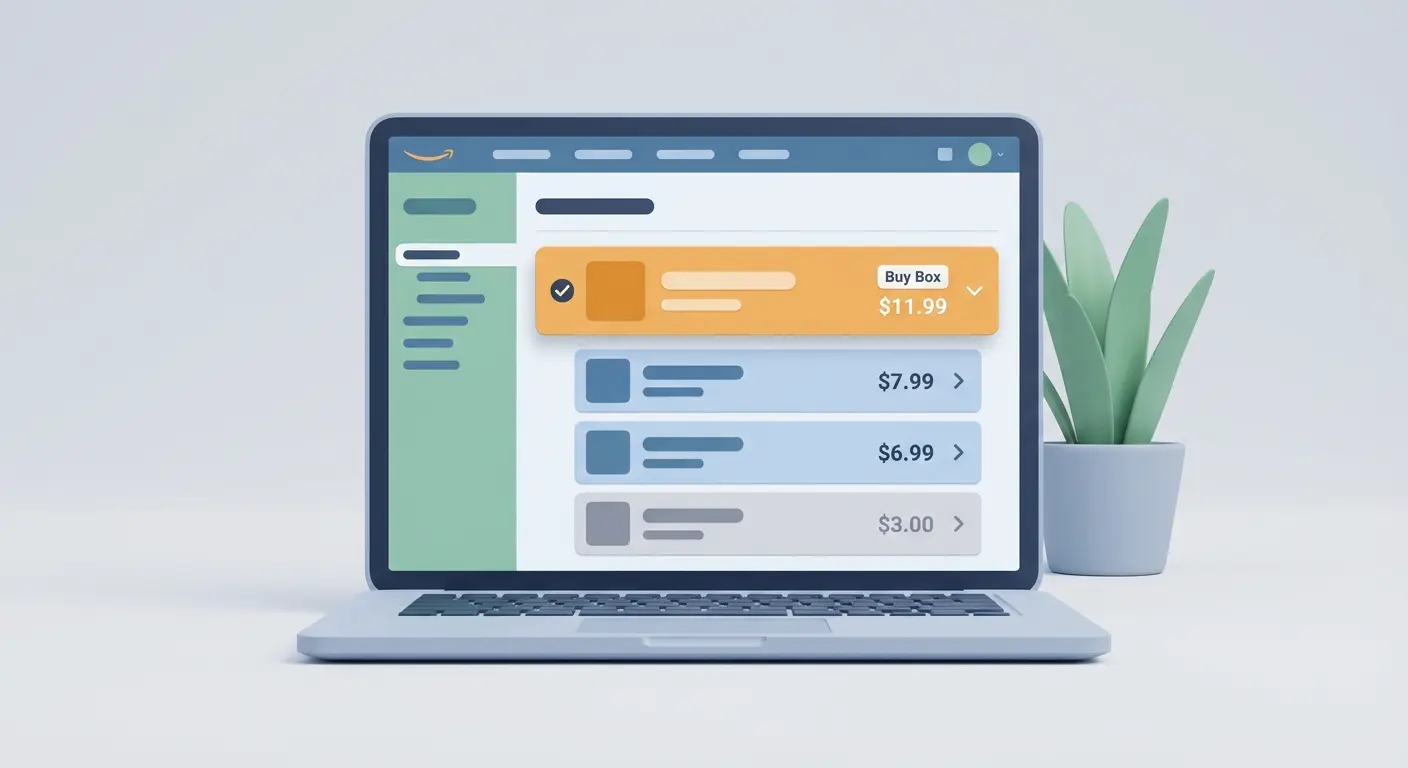
That is the starting point for most brands dealing with amazon rogue sellers. It does not always begin with counterfeits. It often starts with genuine product sold by unauthorized sellers amazon, then escalates into amazon listing hijacking, pricing instability, and customer complaints you did not create.
This is not a beginner problem. It affects established brands with strong demand. The real question is how you decide to respond and what level of control you want to build into your system.
Below is a practical decision framework based on how this plays out in real accounts.
What You’re Really Deciding When Rogue Sellers Show Up
At face value, the problem seems simple: someone is on your listing without permission, and you want them off.
In reality, you are making a broader decision about your brand’s operating model on Amazon:
Are you trying to eliminate all third-party sellers, or only the ones causing measurable damage?
Are you willing to tolerate some gray-market activity if pricing and customer experience hold?
Are you prepared to invest in formal amazon brand protection programs and enforcement workflows?
Or are you reacting case by case, focusing only when buy box hijacking amazon affects revenue?
The mistake most brands make is treating every incident as a one-off support ticket. They ask how to remove hijacker amazon as if it is a technical glitch.
It is rarely a glitch. It is usually a distribution or enforcement gap.
Expectation vs reality:
Expectation: “If I report them, Amazon will remove unauthorized sellers.”
Reality: Amazon typically acts most decisively when you can show a policy violation, counterfeit risk, or an IP infringement that you have standing to enforce. Amazon generally does not remove sellers solely because a brand prefers they not resell.
Your strategy must match that reality.
What Actually Matters Most (Ranked)
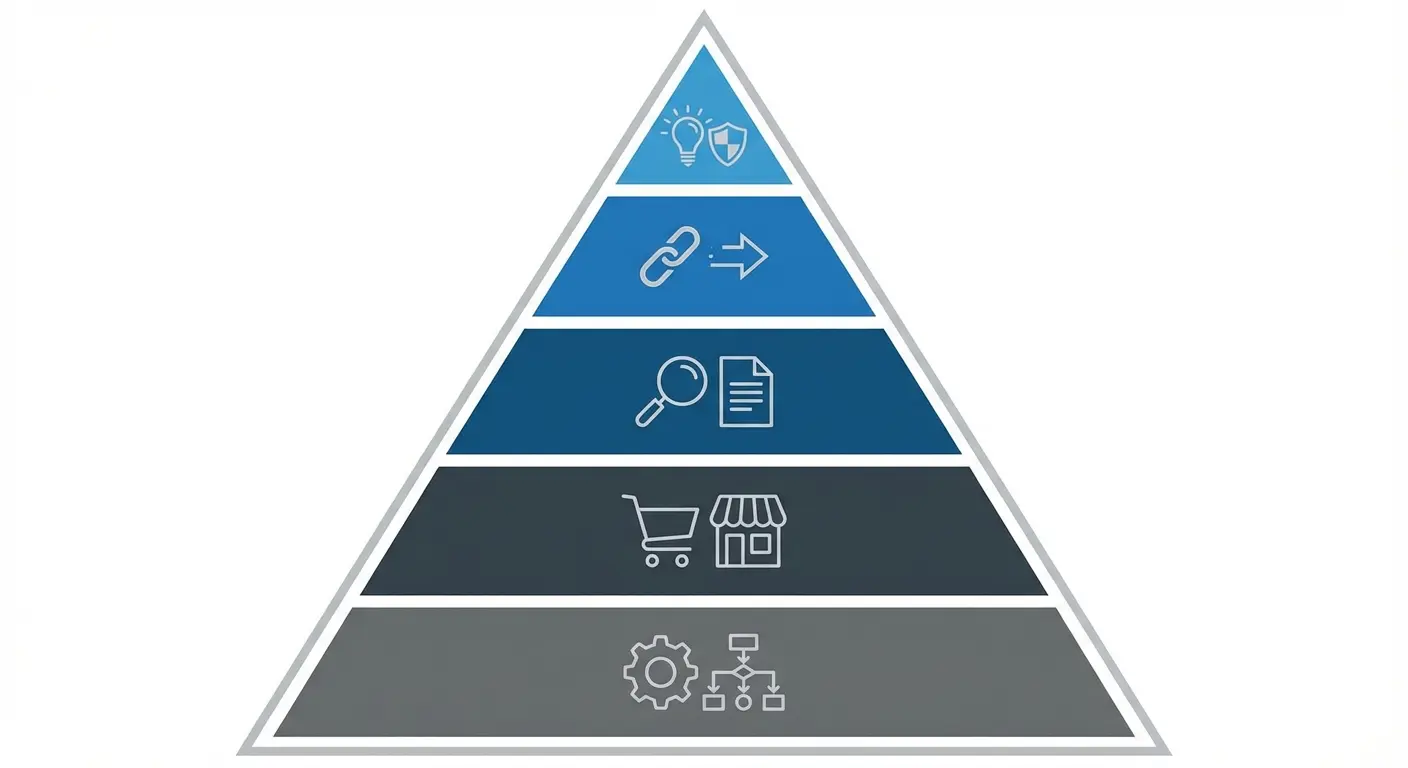
When dealing with amazon rogue sellers, not all levers carry equal weight. The priority order below reflects what tends to produce more durable outcomes.
Control Over Intellectual Property and Brand Tools
If you are not enrolled in Brand Registry, you are usually operating with less leverage for enforcement. Brand Registry tools, plus programs like Transparency and Project Zero (where available and approved), do not eliminate hijackers automatically. They can, however, improve your ability to document and submit rights-based claims.
Without a registered trademark and enrolled brand tools, your ability to protect amazon listing often relies on standard support routes and whatever objective policy violations you can evidence. With brand tools, you can more directly tie enforcement to IP rights.
This is the foundation. Everything else builds on it.
Distribution Discipline
Most unauthorized sellers are not “breaking in.” They are buying through:
Distributors who oversell into secondary channels
Liquidation and closeout inventory
Retail arbitrage
International diversion
If your supply chain leaks, enforcement becomes repetitive. You may temporarily remove unauthorized sellers amazon, then see new offers appear as more inventory surfaces.
Brands that reduce rogue activity long term usually tighten wholesale agreements, audit bulk buyers, and reduce discount structures that invite diversion.
Evidence Quality
Amazon responds to documentation, not frustration.
If you need to report counterfeit amazon, your case is usually stronger with:
Test buy documentation, including order IDs, invoices, and shipment details
Photos of what was received, especially packaging, labeling, and any discrepancies
Lot codes, serials, or packaging differences when applicable
A clear explanation of the policy violation or the specific IP right being infringed
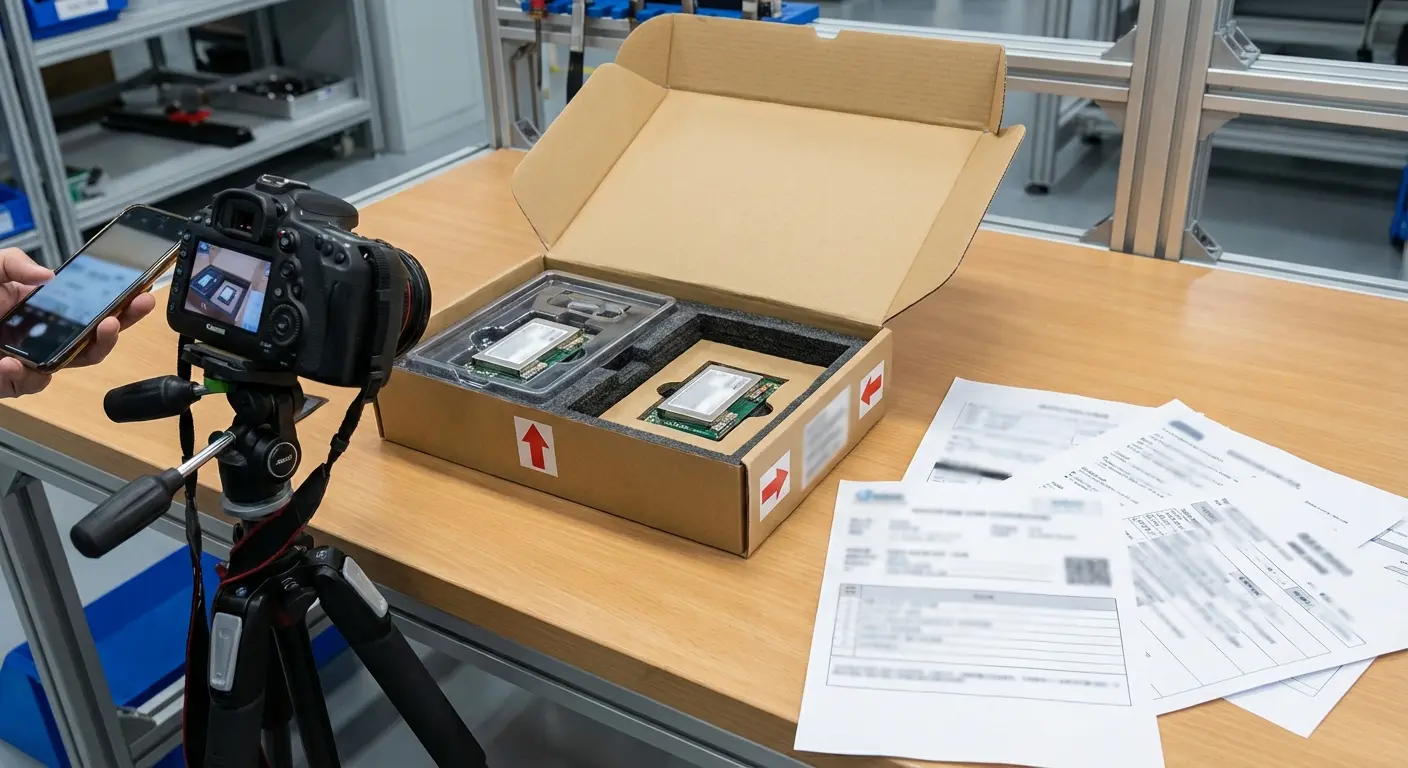
If the issue is only “they are not authorized,” that alone is not always sufficient for Amazon to take down an offer. The strength of your evidence often determines whether action is limited, temporary, or escalated.
Buy Box Sensitivity
Not every hijacker deserves the same level of response.
If an unauthorized seller is pricing at parity and maintaining strong metrics, your immediate damage may be lower. If they are undercutting by 20 percent and winning the Buy Box, the situation escalates quickly.
Understanding how sensitive your brand is to buy box hijacking amazon helps you decide whether to pursue aggressive enforcement or controlled tolerance while you fix upstream causes.
Operational Bandwidth
Enforcement requires ongoing monitoring, case follow-ups, and a documentation trail. Brands often underestimate the labor involved.
If you cannot maintain consistent follow-up, even valid claims can stall. A weak enforcement cadence can also encourage repeat attempts.
When Different Situations Call for Different Moves
There is no universal fix for amazon listing hijacking. The right move depends on what kind of seller you are dealing with and what evidence exists.
If the Seller Is Offering Genuine Product at Similar Pricing
This is common with diverted wholesale inventory.
In this case, Amazon may not remove them simply because they are unauthorized. Your stronger leverage is often upstream. Tighten distributor terms, reduce bulk discounts, and consider differentiating Amazon SKUs with packaging, bundles, or versioning changes.
Some brands introduce small product variations exclusive to Amazon, which can make diverted inventory easier to identify and challenge when it creates a customer experience issue.
If the Seller Is Winning the Buy Box With Aggressive Undercutting
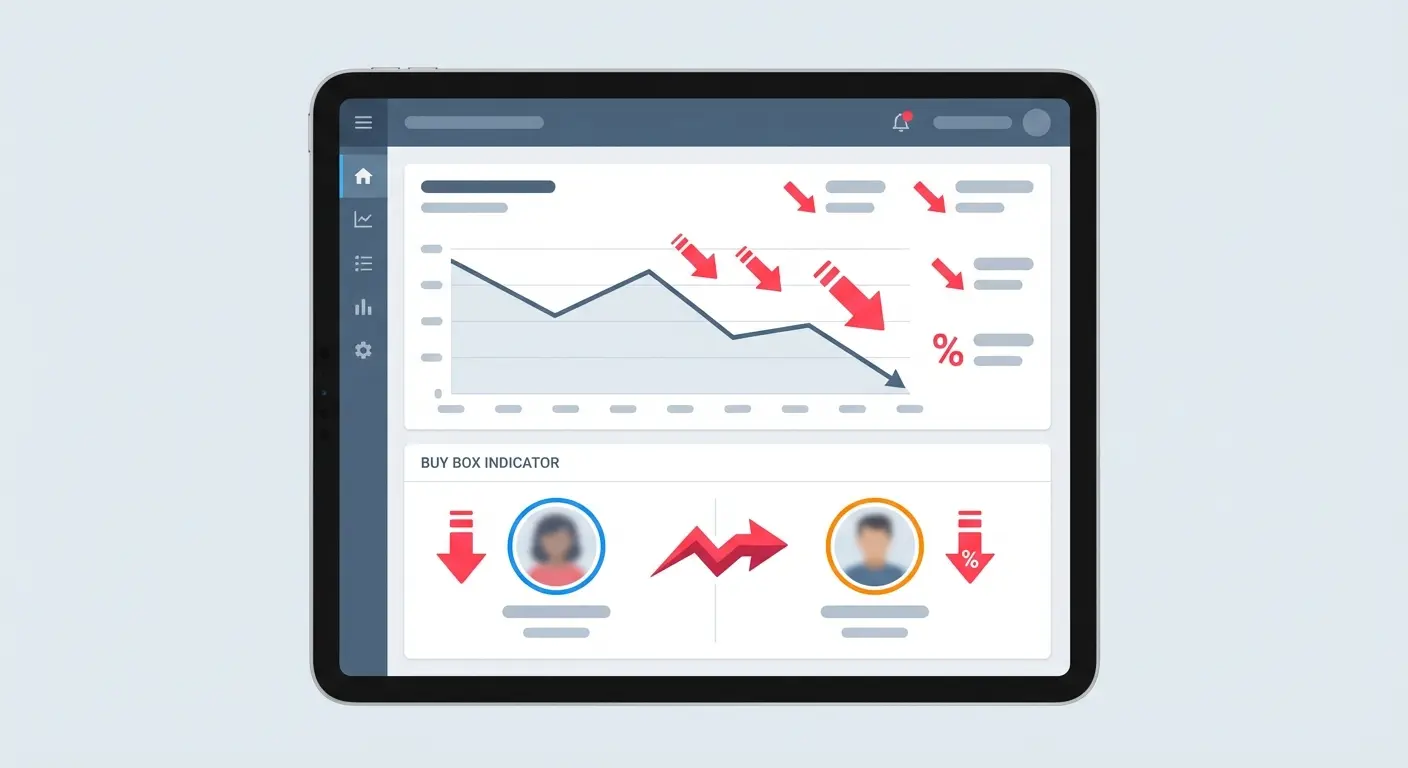
This is where revenue impact becomes immediate.
You can:
Monitor Buy Box percentage and offer changes routinely.
Test buy to verify authenticity and condition.
Evaluate whether pricing behavior correlates with policy issues, including used sold as new, missing parts, or materially different product.
If authenticity or condition issues appear, you may have grounds to report counterfeit amazon or report the applicable condition/policy violation, which can improve the odds of action.
If You Suspect Counterfeit or Altered Goods
This is where Brand Registry tools and approved automation programs can help.
A documented test buy that reveals missing components, incorrect packaging, or meaningful quality differences can support a stronger claim. When you report counterfeit amazon with structured evidence, enforcement can be faster and more decisive.
Counterfeit claims without physical proof often go nowhere, and repeated weak claims can create friction in future investigations.
If Rogue Sellers Keep Reappearing
Recurring hijackers usually signal one of two problems:
A persistent supply leak
A coordinated group rotating accounts
In these cases, build a documented case trail. Reference prior Case IDs when appropriate. Track patterns in seller names, addresses, or inventory behavior.
Over time, Amazon may be more likely to escalate when patterns are clearly documented and tied to objective violations.
If the Real Issue Is Duplicate or Confusing Listings
Sometimes sellers avoid direct offer hijacking and instead create near-identical detail pages.
Here the focus shifts from how to remove hijacker amazon to asserting trademark, copyright, or other rights-based violations against the duplicate pages when applicable. Clear linkage to your protected brand assets and consumer confusion risk strengthens your claim.
Common Mistakes That Keep the Problem Alive
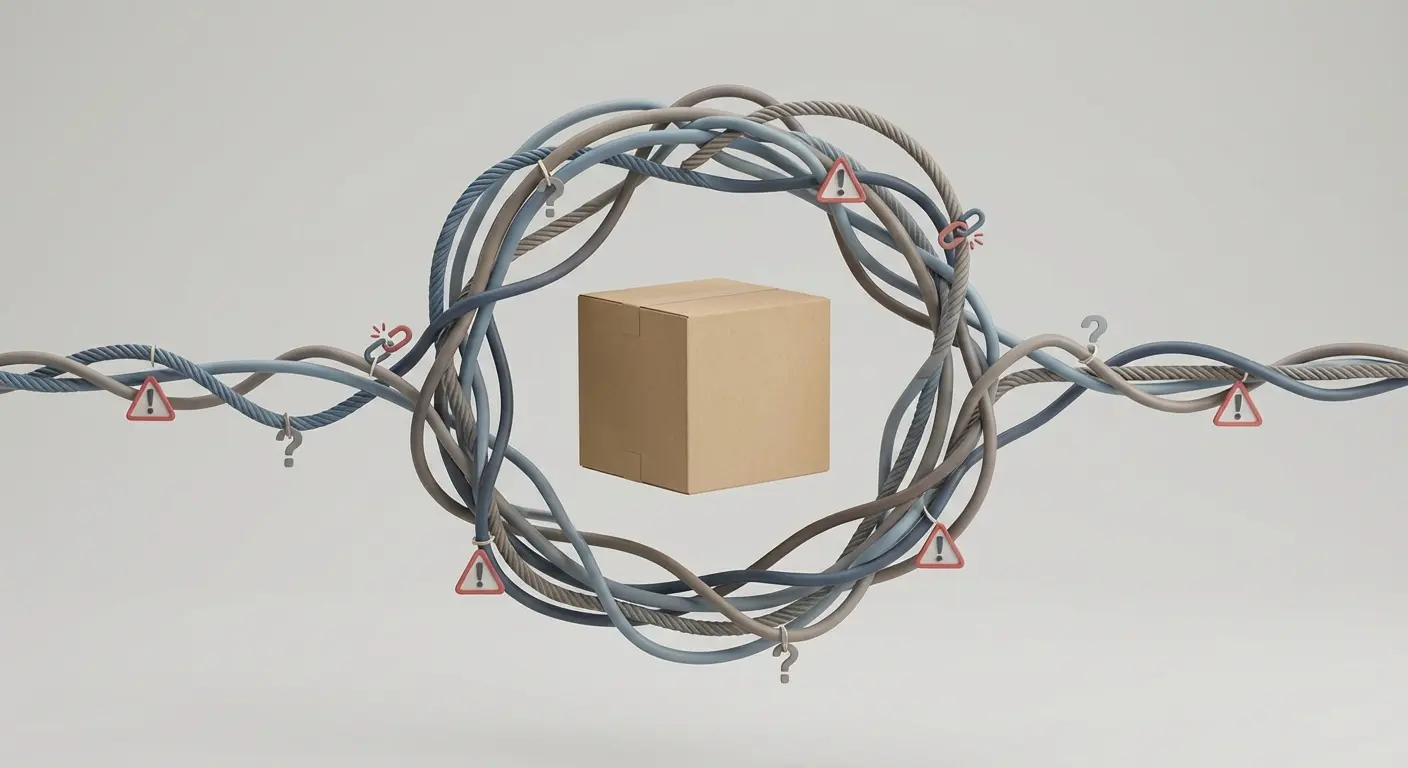
Certain reactions feel productive but make little difference.
Treating MAP Violations as IP Violations
Amazon does not generally enforce Minimum Advertised Price policies. Framing a pricing dispute as infringement when the real issue is discounting can weaken your credibility in future cases.
Keep pricing enforcement separate from rights enforcement.
Filing Vague Complaints
Messages like “This seller is not authorized, please remove” rarely succeed without IP backing or proof of a policy violation.
Clarity and documentation matter more than volume.
Ignoring Small Hijackers
A seller with minimal inventory can still damage listing quality through poor fulfillment, wrong condition, or customer service failures. Waiting until they control the Buy Box can mean the customer experience has already suffered.
Overusing Counterfeit Claims Without Proof
Weak or speculative counterfeit reports can lead to more scrutiny and slower outcomes. Escalate to counterfeit only when you have verifiable evidence from test buys and documentation.
Assuming Removal Is Permanent
Even when you remove unauthorized sellers amazon, the underlying supply issue may remain. Enforcement without structural fixes becomes cyclical.
Two Decision Walkthroughs
Walkthrough 1: Established Brand With Wholesale Network
Hypothetical scenario:
A mid-sized supplement brand enrolled in Brand Registry notices three new sellers. Pricing is 15 percent below MSRP. One seller wins the Buy Box.
Step one is a test buy. The product arrives authentic, sealed, and within date.
This suggests diversion, not counterfeit.
In this case, repeatedly trying to remove unauthorized sellers amazon through infringement claims will often fail unless you can show a specific IP or policy violation. A more effective path can look like this:
Audit distributor and bulk buyer sales for unusually large orders.
Update wholesale agreements to restrict marketplace resale where legally appropriate and enforceable.
Introduce Amazon-specific packaging variation to help identify diverted units.
Monitor Buy Box share while upstream corrections take effect.
Here, the real solution sits outside Seller Central.
Walkthrough 2: Private Label Brand With Suspected Counterfeit
Hypothetical scenario:
A private label electronics brand sees a new seller undercutting by 30 percent. Reviews mention missing accessories.
A test buy reveals different packaging and no serial number.
Now you have evidence.
The brand files a detailed infringement claim through Brand Registry, attaches comparison photos, and documents the order ID. They also reference prior complaints against similar seller names.
This time, enforcement can be faster.
To reduce recurrence, the brand enrolls in Transparency (if eligible) so units can be authenticated, which strengthens preventative amazon brand protection.
What Reliable Protection Actually Looks Like
If you want to consistently stop unauthorized sellers amazon, the system usually includes:
Active Brand Registry enrollment and trained use of its reporting tools
Routine monitoring of listings, offer changes, and Buy Box share
Periodic test buys when new sellers appear
Tight distributor agreements with resale restrictions where appropriate
A clear documentation archive of past cases and outcomes
SKU differentiation that makes diversion easier to detect
A documented playbook to remove unauthorized sellers amazon without improvising each time
A practical operator insight: if you cannot explain how a hijacker sourced your product, assume the supply chain is part of the issue. Enforcement works best when paired with supply clarity.
The Ground Truth About Rogue Sellers
Many amazon rogue sellers are selling genuine product sourced through gray channels.
Amazon prioritizes verifiable IP and policy violations over reseller authorization disputes.
Strong evidence dramatically improves outcomes when you need to report counterfeit amazon.
Distribution leaks create recurring hijacker cycles.
Buy Box impact should guide how aggressively you respond to buy box hijacking amazon.
Long-term protection combines brand tools, supply chain control, and consistent monitoring to protect amazon listing.
If you are trying to remove unauthorized sellers amazon, treat it as a system design problem, not a single case. When your ASIN is easy to source, easy to undercut, and lightly monitored, opportunistic sellers will keep testing it. When enforcement is consistent and the supply path is tightened, many move on to easier targets.
When escalation is required, sellers typically start by documenting the violation, then using Brand Registry tools and the appropriate reporting channels to report counterfeit amazon or other objective issues. This same workflow, repeated consistently, is usually the backbone of amazon brand protection.
And when a team asks how to remove hijacker amazon, the most accurate answer is usually a layered plan: stop the leak, document the violation, and submit rights-based complaints that Amazon can act on.