How to Find Reliable Suppliers on Alibaba

Olivia Reyes

How to Find Reliable Suppliers on Alibaba (Without Getting Burned)

Most Amazon sellers do not run into trouble on Alibaba because they picked a “bad” product. They run into trouble because they picked the wrong supplier.
If you already understand margins, FBA fees, and PPC, then supplier selection becomes one of the biggest levers in your business. A reliable factory can protect your listing. The wrong one can quietly damage it through inconsistent quality, late shipments, or missing paperwork when you need it most.
This guide breaks down how to find reliable suppliers on alibaba in a way that reflects real-world Amazon selling, not generic sourcing advice.
Why Supplier Quality Matters More Than Product Choice
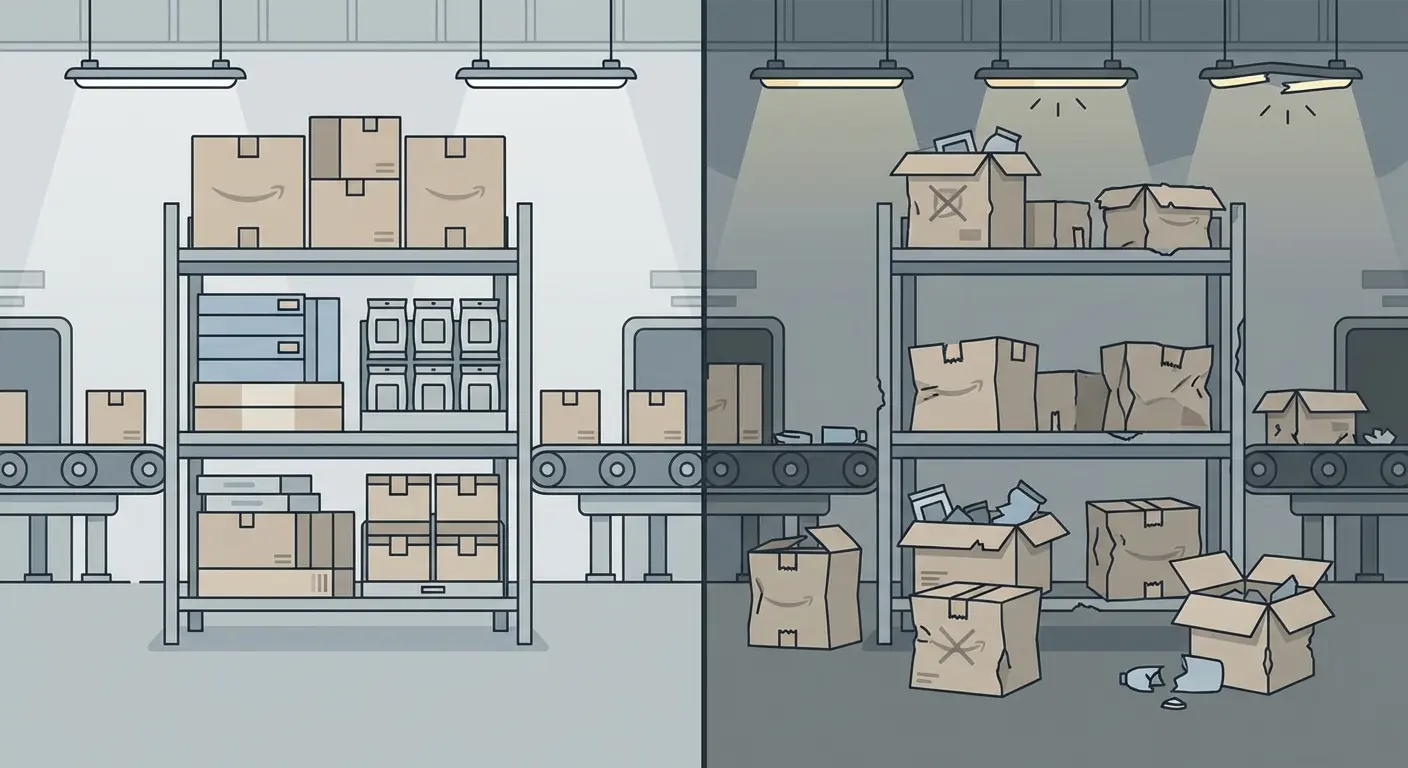
alibaba suppliers are not just vendors. They become part of your supply chain risk.
On Amazon, that risk can show up as:
Quality drift between batches
Packaging that does not meet Amazon FBA requirements
Delayed production during peak season
Missing compliance documents during an account review or a safety-related investigation
When you search for alibaba wholesale suppliers, you are not just shopping for price. You are underwriting operational stability.
The goal is not to find the cheapest supplier. The goal is to find the most reliable one at a viable margin.
Understanding the Types of Alibaba Suppliers
Before you start filtering, understand who you are actually dealing with.

Manufacturers (Factories)
These companies produce the goods themselves. They often:
Specialize in a narrower product range
Offer better customization options
Require higher MOQs
Offer lower unit costs at scale
For many private label sellers, factories can be a strong long-term option, provided they have consistent quality control and clear documentation.
Trading Companies
These act as intermediaries between factories and buyers.
They often:
Offer lower MOQs
Provide broader catalogs
Communicate more fluently in English and handle coordination
Charge higher prices than the factory would quote directly
For testing a product or placing smaller initial orders, trading companies can be useful.
Brand Owners
Some alibaba suppliers manufacture and sell under their own brand. These tend to fit wholesale or authorized-reseller models better than private label, unless you have explicit permission to use branding and sell the product on Amazon.
Company type matters less than operational capability. A strong trading company can outperform a weak factory.
How to Search the Right Way (Supplier-First Thinking)

Most sellers search by product. Experienced sellers often search by supplier.
When you search by product keyword, Alibaba can return thousands of listings. Many listings are duplicated or reposted by multiple companies, sometimes including intermediaries. Instead:
Switch to the “Suppliers” tab
Use precise keywords tied to materials or manufacturing processes
Filter for “Verified Supplier”
Filter for “Trade Assurance”
These filters can reduce noise, but they do not guarantee quality or legitimacy.
Use RFQs Strategically
The Request for Quotation (RFQ) feature lets suppliers come to you.
Use RFQ when:
Your product has clear specifications
You want to compare structured bids
You want to evaluate communication quality early
Be specific. Include:
Target price range
Order quantity
Packaging requirements
Compliance needs that apply to your market and category (for example, CPSIA for certain children’s products in the US, or FDA-related requirements for certain ingestible or contact items)
Vague RFQs attract low-quality responses. Detailed RFQs tend to attract more serious bids and make it easier to compare suppliers.
How to Verify Suppliers on Alibaba (Beyond the Badge)

Many sellers assume “Verified Supplier” means safe. It can reduce risk, but it does not eliminate it. Verification typically indicates that certain business information was checked by a third-party inspection company under Alibaba’s program, with scope that can vary.
Here is how to verify suppliers on alibaba more thoroughly.
Check the Audit Report
For Verified suppliers, you can often view details such as:
Business registration information
Factory photos or facility details (if the audit covers a site visit)
Production-related notes
The audit company name (for example, SGS, TÜV, or Intertek) when applicable
This can help confirm existence and basic operations, but it is not a guarantee of consistent manufacturing performance.
Evaluate Operational Signals
Look at:
Years on Alibaba
On-time delivery metrics, if shown
Transaction or order history indicators on-platform, if available
Main export markets
A supplier that regularly exports to the US or EU may be more familiar with documentation expectations. Even then, you should confirm what they can provide for your exact product and materials.
Analyze Their Catalog
If a supplier sells yoga mats, dog toys, LED lights, and kitchen knives all at once, you may be looking at an intermediary. That is not automatically bad, but it changes how you should assess capability and control.
Specialization often correlates with tighter process control, especially for products with strict material specs.
Cross-Check Their Identity
Search:
Company name + “scam”
Company name + “review”
Company name + physical address
Look for consistency across their Alibaba profile, business registration details, and any external footprint. Treat online reviews cautiously, but do pay attention to repeated, specific patterns.
Request Business Documents and Match Them
Ask for:
Business license or registration (format varies by country)
Bank account details that match the registered company name
Relevant test reports or certificates, where applicable to your product and destination market
Avoid paying to personal accounts. When something is off on payment identity, resolve it before you proceed. For many sellers, using Trade Assurance where available helps create a clearer transaction trail and a defined dispute process.
How to Contact Suppliers on Alibaba (And What to Say)
how to contact suppliers on alibaba is less about clicking a button and more about controlling the clarity of your request.
Use the “Contact Supplier” workflow, but structure your message so it reads like a purchase order draft, not a brainstorm.
First Message Template Structure
Keep it simple and professional:
Brief company intro and your role
Exact product and key specifications (materials, dimensions, colors)
Target order quantity and expected reorder cadence if relevant
Price tiers (500, 1,000, 3,000, 5,000 units, etc.)
Production lead time and sample lead time
Sample cost and whether it is refundable on bulk order
Packaging requirements and labeling needs for Amazon fulfillment (if you will use FBA)
Avoid long emotional pitches. Suppliers respond best to clarity and complete specs.
What You Are Really Testing
Your first message thread reveals:
Response time and follow-through
English comprehension for technical details
Willingness to answer questions directly
Whether they can produce consistent, written answers you can later reference
If a supplier dodges questions about materials, QC, or packaging details, it often becomes more painful later when you need corrective action under time pressure.
Negotiating with Alibaba Suppliers (What Actually Moves the Needle)

negotiating with alibaba suppliers is not about aggressive price pressure. It is about leverage, structure, and lowering your operational risk.
Expectation vs Reality
Expectation: You negotiate price down immediately. Reality: Price flexibility depends on volume, raw materials, factory workload, and payment terms.
What You Can Negotiate
Unit cost tied to volume increases
MOQ and carton pack-out requirements
Tooling or mold fees (and ownership terms)
Packaging upgrades or inserts
Payment terms
Lead time priority and production scheduling
A Practical Approach
Collect 5 to 8 quotes with comparable specs.
Identify a realistic market range, not the lowest number.
Go back to your top 2 to 3 suppliers with clarifying questions.
Ask what they can do at higher volumes and on repeat orders.
Instead of “Your price is too high,” use:
“If we scale to 5,000 units per order, what pricing tier can you offer, and what would be the lead time?”
Suppliers respond better to negotiation that signals repeat business and predictable planning.
Payment Terms
A common structure is:
30% deposit
70% balance before shipment
As trust develops, some suppliers may offer variations, such as a lower deposit or balance after inspection. Whatever terms you choose, define inspection criteria in writing before money moves.
Trade Assurance can help with structured dispute handling when used correctly, but it is not a substitute for clear specs, documented agreements, and inspection.
Sample Orders: Your Real Due Diligence
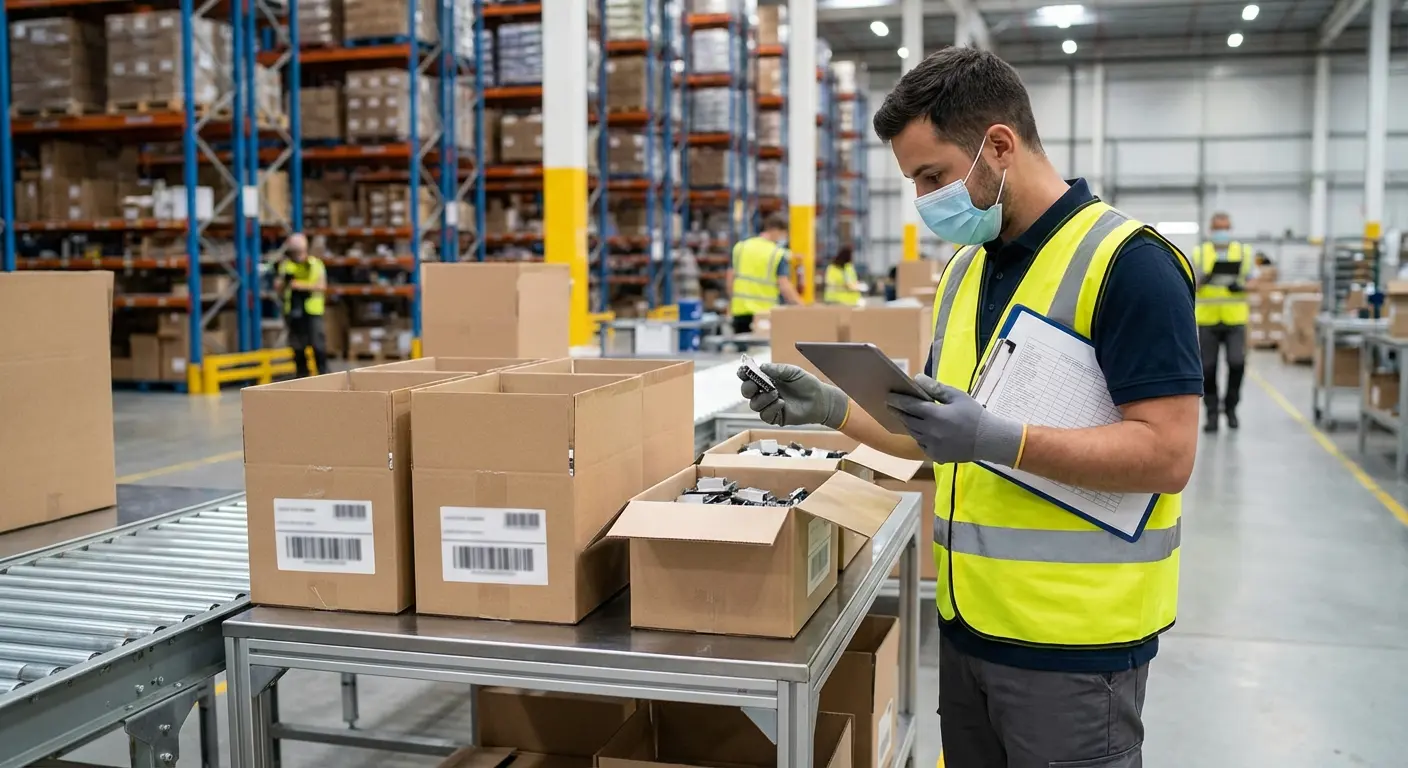
Do not skip samples.
Samples help you evaluate:
Material quality
Functionality and tolerances
Packaging quality
Branding accuracy and print clarity
Test the product aggressively based on category risk. For electronics, consider safety and performance testing, and align with the requirements of your destination market. For products that contact food, skin, or children, take labeling and materials seriously and verify what documentation exists.
For Amazon sellers, also check:
Barcode placement and scannability
FNSKU printing accuracy (if you will label units yourself)
Carton labeling and carton dimensions
Pack count consistency per carton
If the sample arrives poorly packed, treat it as a signal. Confirm packaging specs in writing and require pre-shipment photos or an inspection checklist for the bulk order.
Case Examples
Case 1: The Cheapest Quote Trap (Hypothetical)
A seller receives quotes ranging from $2.10 to $2.90 per unit. They choose $1.85 from a newer supplier.
Possible outcome:
Inconsistent materials
Elevated defect rate
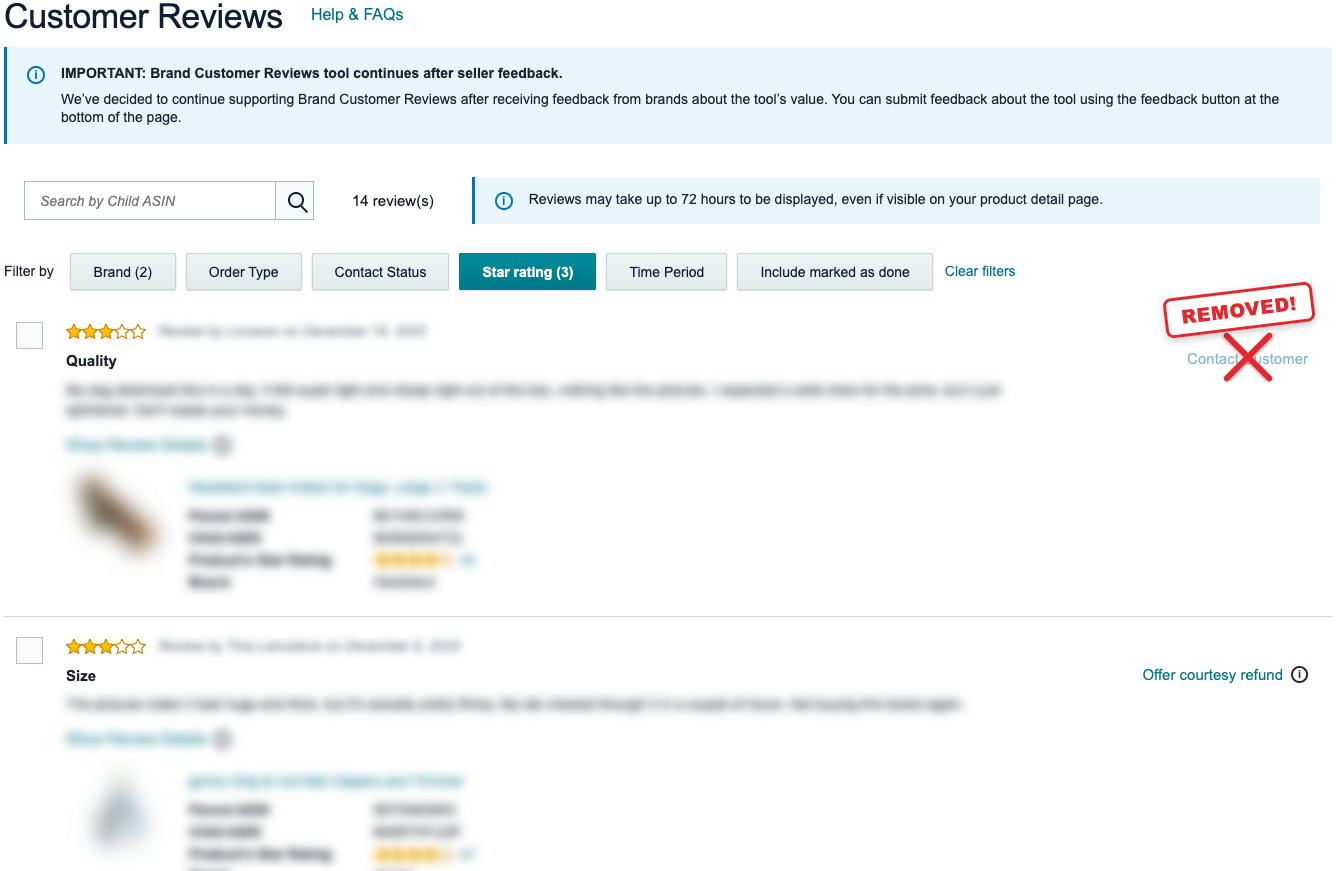
Negative reviews tied to quality issues
Returns and customer complaints that reduce listing performance, and in some categories may trigger Amazon requests for additional information
The savings can disappear in refunds, replacements, and higher ad spend to stabilize sales.
Case 2: The Stable Factory Play
Another seller chooses a mid-range supplier with:
Multiple years on Alibaba
Relevant export history
Clear answers and transparent communication
They pay slightly more, but receive:
More consistent batches
Better predictability for Q4 planning
Fewer customer-facing quality issues
Profit often comes from consistency, not the lowest unit cost.
Case 3: Using a Trading Company Strategically
A seller testing a new niche chooses a trading company with a low MOQ.
They validate demand with 500 units, then transition to a factory at 5,000 units once specs are locked and repeat demand is proven.
Trading companies can be useful stepping stones, especially when you need coordination across multiple sub-suppliers like packaging, inserts, and components.
Common Misunderstandings About Alibaba Suppliers
“Verified Supplier means zero risk.” It can reduce certain risks, but it does not eliminate them.
“Factories are always better than trading companies.” Not necessarily. Some trading companies add real value through QC coordination, communication, and logistics management.
“Lowest MOQ is best for beginners.” A low MOQ can be useful for testing, but it often comes with a higher per-unit cost and may receive lower production priority.
“If samples look good, bulk will too.” Bulk production can vary. Consider third-party inspection and define acceptance criteria before final payment.
Limits and Edge Cases to Watch
Quality Drift Over Time
A strong first order does not guarantee future consistency. Track defects by batch and share structured feedback quickly.
Compliance Surprises
Amazon may request documentation later, especially after complaints or category checks. Confirm in advance what the supplier can provide, and verify that documents match your exact product configuration:
Test reports (product-specific, not generic)
Material declarations or safety documentation when applicable
Factory-related reports if required for your category or retailer requirements
Peak Season Delays
Chinese New Year and Q4 congestion can affect lead times. Lock schedules early and build buffer into your inventory plan.
Direct FBA Shipping
You can ship directly from alibaba suppliers to Amazon fulfillment centers, but many sellers route early orders through a prep center or 3PL for inspection and labeling control.
If a shipment is rejected for labeling, packaging, or prep issues, resolving it internationally can be slow and expensive.
The Real Criteria for a “Reliable” Supplier
Reliability on Alibaba is not about badges. It is about repeatable behavior:
Clear communication
Process transparency
Consistent documentation
Stable quality control
Predictable lead times
You are not just evaluating a factory. You are evaluating a long-term operating partner.
Key Takeaways for Experienced Sellers
When learning how to find reliable suppliers on alibaba, prioritize operational stability over the lowest price.
Supplier-focused search and RFQs can reduce early-stage noise when comparing alibaba suppliers.
Platform badges and Trade Assurance can help, but they are only a starting point for due diligence.
how to contact suppliers on alibaba matters because your message quality directly affects the quality of the responses you get.
negotiating with alibaba suppliers works best when it is tied to volume growth, clear specs, and defined payment and inspection terms.
Samples and pre-shipment inspection are often your best protection against bulk-order surprises.
With alibaba wholesale suppliers, reliability compounds into steadier reviews, more predictable inventory flow, and fewer operational emergencies.